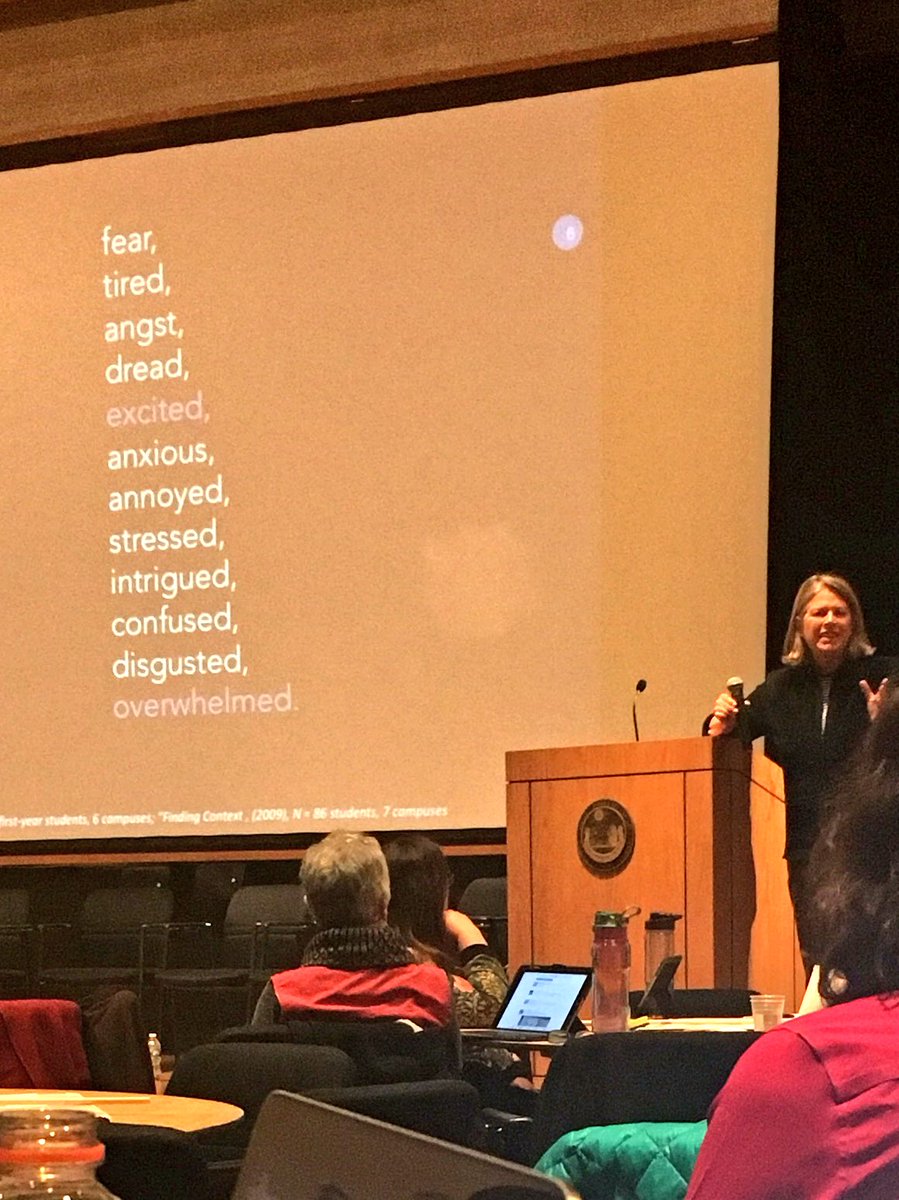
In Reading in the Age of Distrust @alisonjhead compels us to to re-examine reading:
“While educators believe reading is an investment in learning & knowing, what many aren’t considering is what reading analytically means to civic life in the digital age.”
https://t.co/OevMGdYorw
Being first generation has made this year harder. “I already don’t know anything about the system,” said one student. “Online I have to dig even more. There’s nobody telling me, maybe you should check this out.” https://t.co/tKeEi75Gdy
@chronicle 2/ We faculty might process things by theorizing them, but most students lack that skill or inclination. Asking them to record funny moments, encouraging memes & music, or things they’ve learned may be the most we can ask in “reflective” assignments—but this can be very helpful
Important reminders for those of us trying to “teach online” — my students report being given more work than was on the syllabus for some classes, and feeling very overwhelmed and lonely. I’m trying to directly and indirectly teach resilience (& learn it myself).
"Our goal right now should not be to make a challenging course. There are already enough challenges out there. We should strive to make a compassionate course," a professor writes of teaching in the time of coronavirus. https://t.co/f5yfnbPAPJ
It’s the end of an era alright. But excited to learn a new PIL report is on its way to us (Jan 15). Thanks for the update Alison Head https://t.co/JGcAj7kwRo
My slides for “Fact or fake? Teaching source evaluation across the lifespan through the lens of fake news” are online at https://t.co/4w0vswkHX0 #infolit18
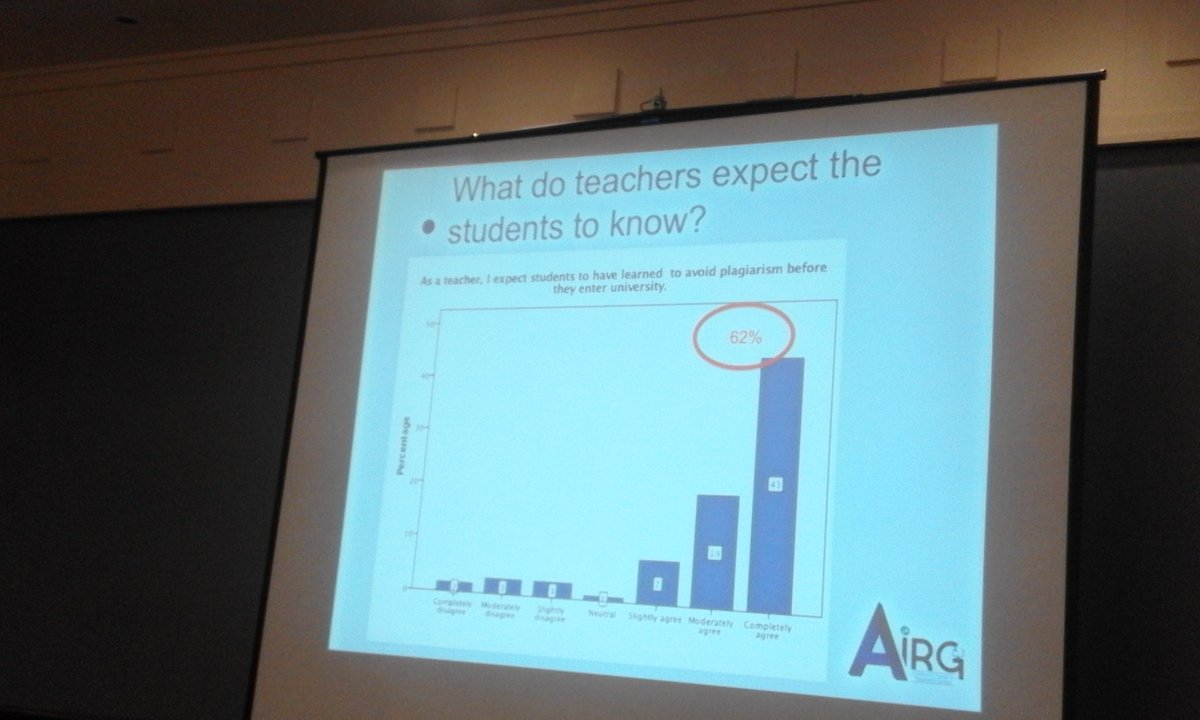
Martine Peters: 62% of teachers expect students to already know about plagiarism prevention, but 74% of students expect to be taught about it at university! (Data from 6 Quebec universities)
#icai2018#ICAI
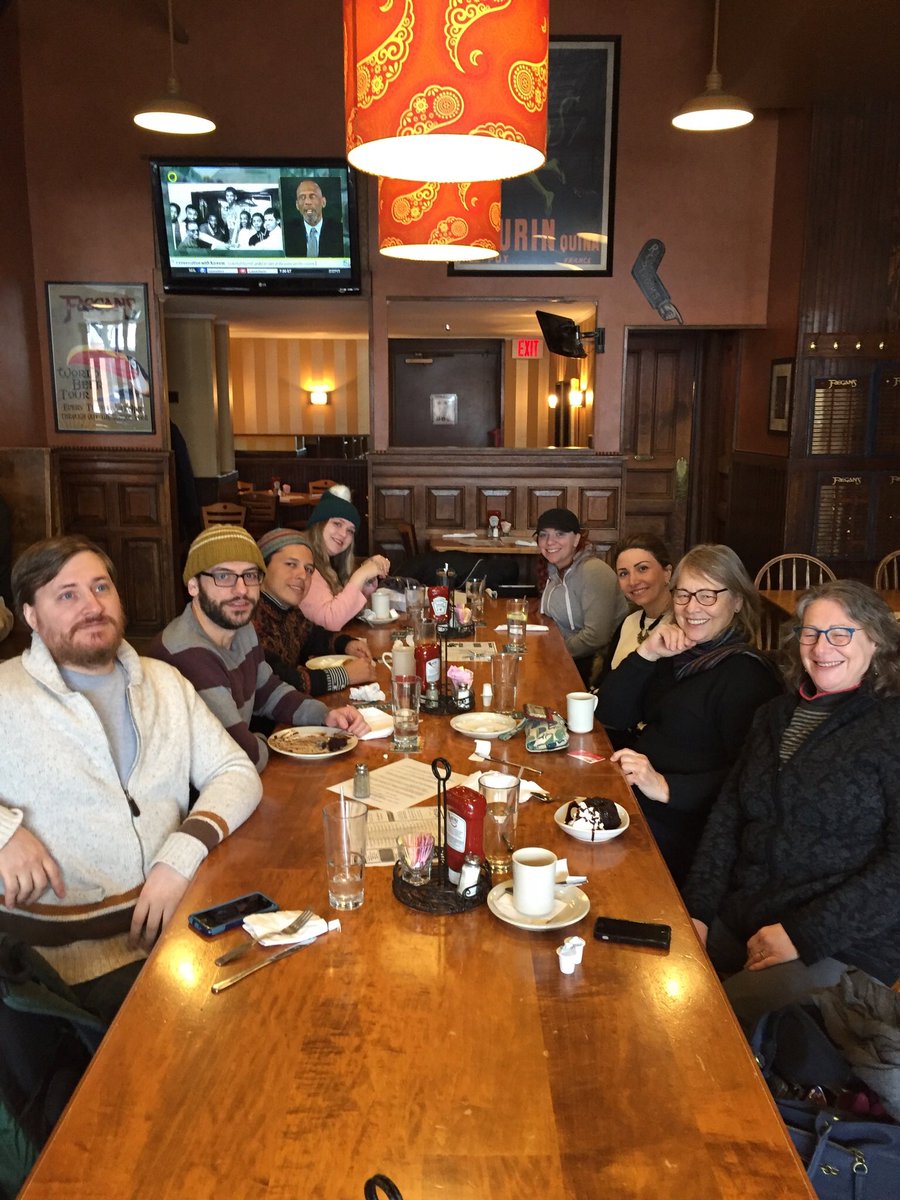
Here we have Citation Project stalwarts, including @Ahabetbm , @jordan_canz , @SandraJamieson , and @JasonMarkins, resting on their laurels after a great planning meeting—and lunch.