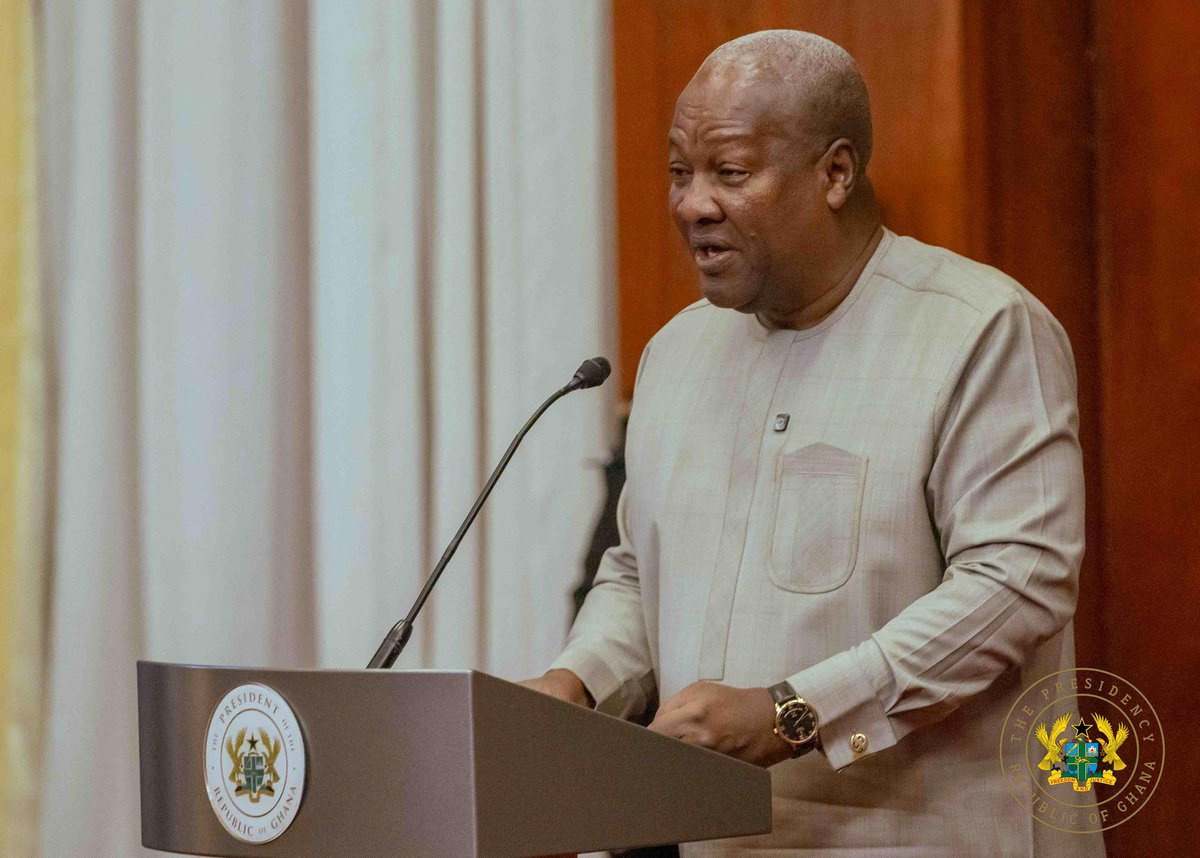
A while ago, I presented the conclusions of the 7th Meeting of the Steering Committee of the Côte d’Ivoire–Ghana Cocoa Initiative (CIGCI) at the Côte d’Ivoire–Ghana High-Level Summit on the Future of the Cocoa Economy:
“The Steering Committee of the Côte d’Ivoire-Ghana Cocoa Initiative (CIGCI) held its regular meeting on 15 June 2026 in Abidjan.
Co-chaired by Ghana’s Minister of Finance, Dr. Cassiel Ato Forson, and Côte d’Ivoire’s Minister of Agriculture, Mr. Bruno Nabagné Koné, this meeting provided an opportunity to review bilateral cooperation.
The ministers agreed on the strategic levers to ensure the sector’s sustainability, competitiveness, and prosperity.
This report presents the key decisions and recommendations adopted by the Committee.
1. Harmonization of farm-gate pricing policies
To assure producers’ remuneration and stabilize the market, the two countries agreed to harmonize farm gate prices through a number of measures, including:
Market cooperation: reinforce trading room collaboration, data sharing, and harmonization of crop year calendars.
Alignment of principles of price determination to reduce gaps in producer prices and country differentials through a coordinated approach.
Task Force: creation of a technical group, comprising experts from both countries, to design the price coordination framework and periodically review prices.
Harmonization of crop year calendars: official change to the cocoa year, set from 1 September to 31 August from the 2026/2027 marketing year onwards.
The Committee thus reaffirms its commitment to the long-term coordination of cocoa price management and marketing.
2. Strengthening scientific cooperation
The Committee emphasized the importance of strengthening the partnership between the national research institutes of both countries. Efforts will focus primarily on:
Disease control, particularly in relation to cocoa swollen shoot virus disease.
Agricultural innovation, through the development of cocoa varieties more resilient to climate change.
To ensure that these technological advances directly benefit farmers, the Committee also recommends increasing public and private investment in research and development (R&D).
3. Implementation of the African Regional Standard (ARS-1000)
The Committee commended the efforts of the countries towards the effective implementation of the ARS-1000 standard for sustainable cocoa production and recommended the experts to work assiduously towards the acceptance of the ARS premium by buyers.
4. Expansion of the Côte d’Ivoire–Ghana Cocoa Initiative
In accordance with the provisions of its charter and in view of the need for coordinated action among African producing countries, the Committee recommended officially opening the Initiative to other countries, notably Nigeria and Cameroon. This expanded integration aims to:
Reinforce regional cooperation and harmonize sectoral policies.
Strengthen collective bargaining power in global markets.
Facilitate the sharing of best practices, market data, and research findings.
Coordinate responses to new challenges facing the cocoa economy.
5. Increasing value addition
Africa produces 80% of the world’s cocoa but captures a negligible share of the sector’s profits.
In light of this, the Committee reaffirmed the strategic importance of accelerating efforts towards local processing and industrialization within producing countries.
Priority actions include the need to:
Increase national processing capacities;
Encourage regional and continental trade;
Stimulate domestic and regional consumption of cocoa-based products.
The Steering Committee emphasized that greater value addition will contribute to job creation, industrial development, export diversification, and better retention of income within producing countries.
I have received the credentials of 7 new Ambassadors, welcoming them to Ghana from 🇲🇹, 🇷🇺, 🇵🇱, 🇮🇩, 🇵🇦, 🇦🇲, and 🇹🇿.
I shared our vision for a #24HourEconomy & digital transformation to drive investment. As the hub of #AfCFTA, Ghana is open for strategic partnerships in agric, tech, manufacturing & energy.
Ghana Gold Board (GoldBod) has partnered with the Ghana Armed Forces and the Forestry Commission to launch a national land reclamation project, starting with the restoration of 50 hectares within the Tano Nimiri Forest Reserve.
Speaking at the signing ceremony, CEO of GoldBod, @SammyGyamfi_, Esq., reaffirmed GoldBod's commitment to environmental restoration through its Environmental, Social and Governance (ESG) mandate and Corporate Social Responsibility (CSR) initiatives. Deputy Minister for Defence, Hon. Ernest Brogya Genfi, and Forestry Commission CEO, Dr. Hugh Brown, also highlighted the importance of restoring degraded lands and protecting Ghana's forest ecosystems for future generations.
#GoldBod #LandReclamation #ResponsibleMining #EnvironmentalSustainability
Today's Devotion
Topic: Greater Love
Text: Joshua 1:9
Have I not commanded you? Be strong and courageous! Do not be terrified or dismayed (intimidated), for the Lord your God is with you wherever you go.”
Beloved, as you start a new week, just note, everyone faces difficulties at a point in life. However the verse reminds you to hold fast to the Lord. He is with you always. Stay blessed.