Kangaroos, being native to Australia, live on indigenous vegetation and do not require grain-based diets, unlike conventional livestock. This inherent adaptability eliminates the necessity for intensive farming practices, thereby preserving habitats from degradation.
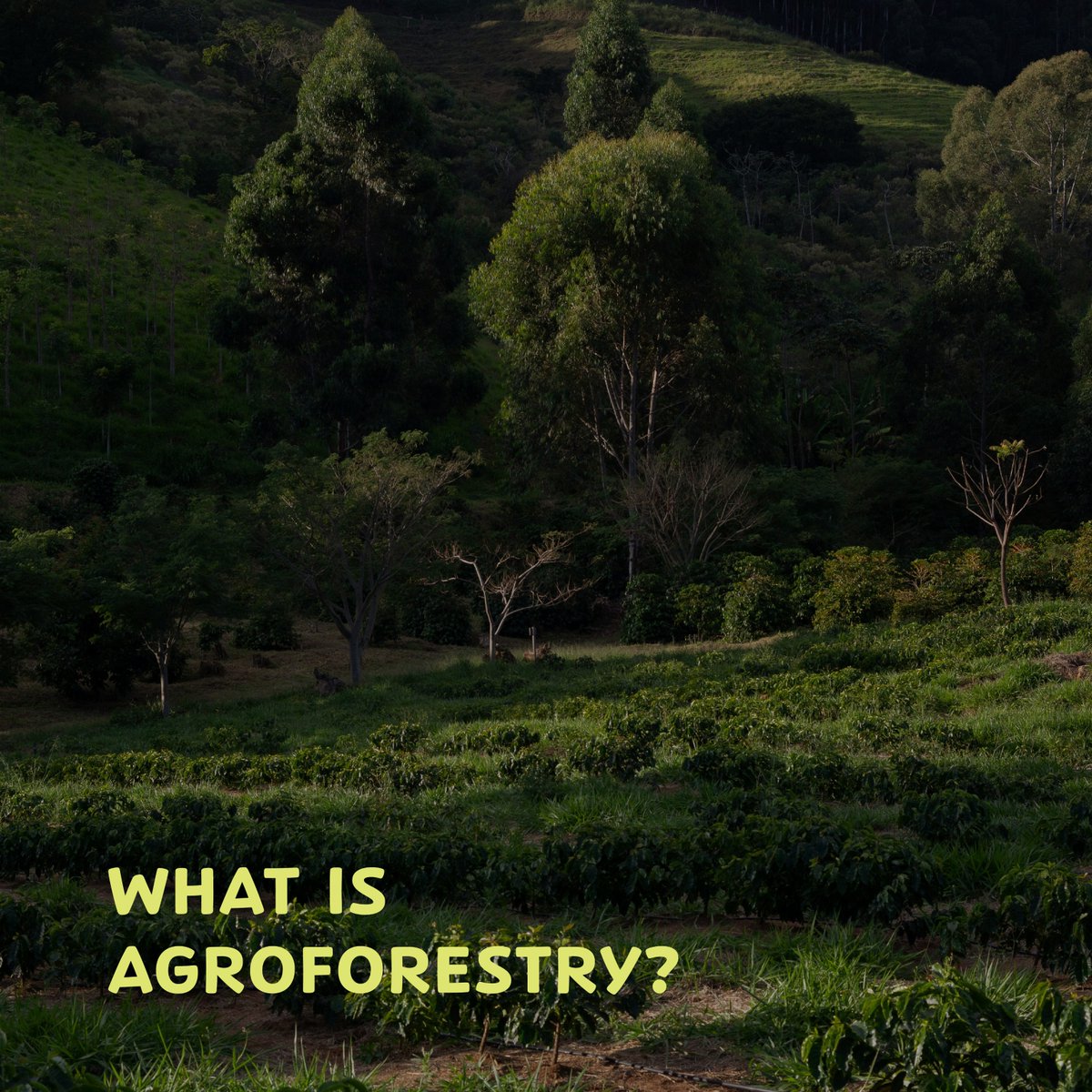
Agroforestry is a land management system that integrates trees or shrubs with crops or livestock on the same piece of land. It combines agricultural and forestry practices to optimise productivity, biodiversity, and environmental sustainability.
#Agroforestry#FarmersForChange
Regenerative farming and Indigenous knowledge intersect in their holistic understanding of the land and ecosystems. Indigenous knowledge, passed down through generations, emphasises sustainable practices that respect nature's balance.
Polyculture refers to the cultivation of multiple crops or species in the same area simultaneously, mimicking natural ecosystems. Unlike monoculture, which focuses on growing a single crop, polyculture promotes biodiversity and improves overall ecosystem resilience.
Crop rotation is a regenerative farming technique involving the systematic alternation of different crops in a specific sequence on the same piece of land over time. It enhances soil fertility, minimises pests and diseases, reduces soil erosion, and promotes biodiversity.
Holistic grazing management plans livestock movement to mimic natural patterns, promoting soil health and biodiversity. It rotates grazing areas to allow for vegetation recovery, ensuring sustainable land use and optimising forage quality and quantity.
#HolisticGrazing
No-till farming is a practice where crops are planted without disturbing the soil through ploughing or tilling. Instead, seeds are inserted directly into untilled soil. This technique helps preserve soil structure, and beneficial organisms and improves long-term soil health.
Regenerative farming prioritises soil health, biodiversity, and ecosystem resilience, aiming for sustainable agriculture. Conventional farming focuses on high yields often at the expense of soil degradation and environmental harm.
#FarmersForChange
Regenerative agriculture restores ecosystems by prioritising soil health, biodiversity, water management, and carbon sequestration. It aims for sustainable food production while enhancing environmental resilience and mitigating climate change.
#RegenerativeAgriculture
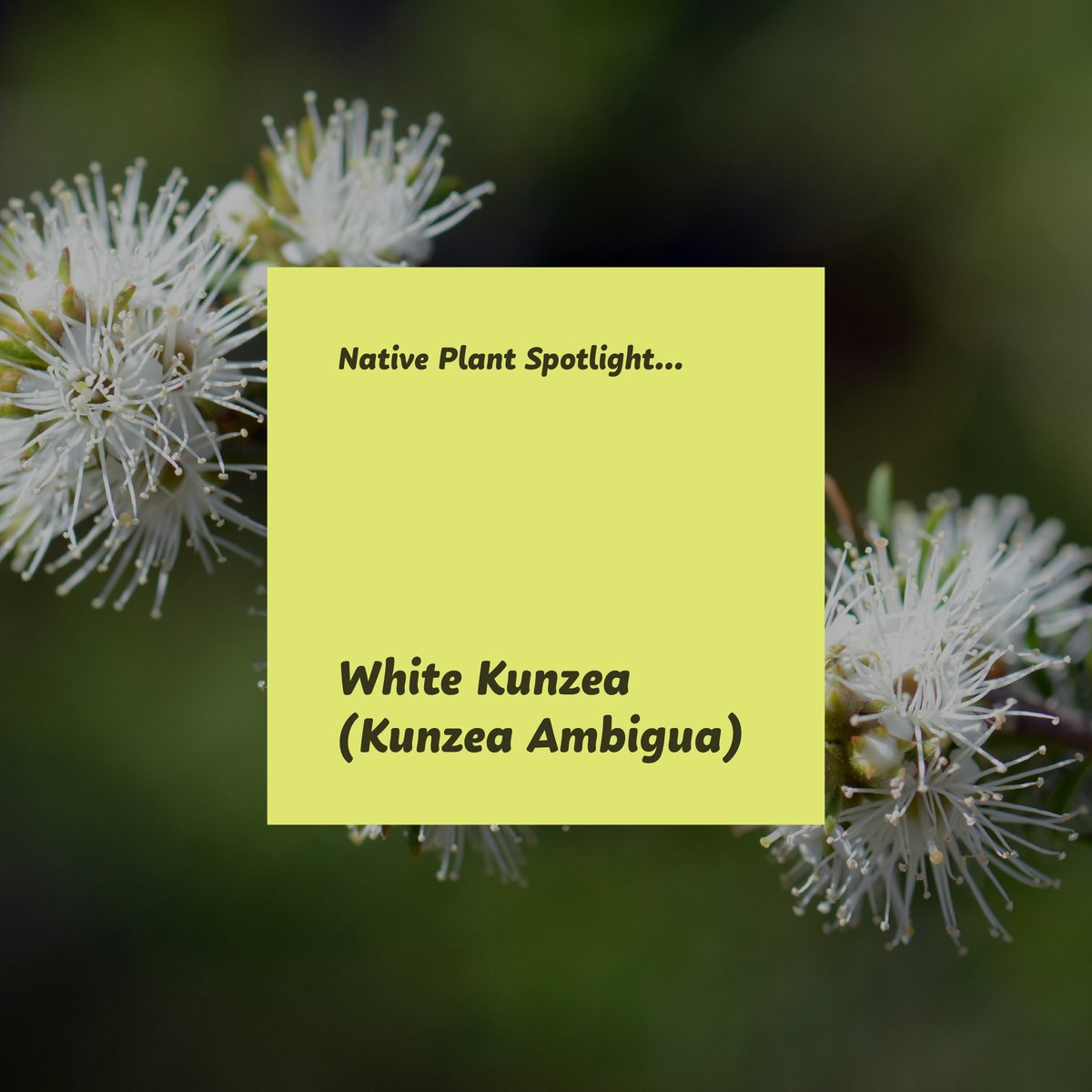
This native Australian shrub boasts delicate white flowers that attract pollinators while its aromatic foliage adds fragrance to the air. Drought-tolerant and low-maintenance it thrives in a variety of soil types and climates making it a versatile and beautiful choice for gardens
Attract native birds like Superb Fairy-wrens, Eastern Spinebills, and Crimson Rosellas to your Victoria garden. Provide dense shrubs for nesting, nectar-rich flowers for feeding, and water sources. Enjoy pest control, pollination, and seed dispersal benefits they bring.
Plant host plants like Citrus for Orchard Swallowtails, Native Grasses for Common Browns and Native Cresses for Imperial Whites. Offer nectar-rich flowers and sunny spots for basking while avoiding pesticides to ensure a welcoming habitat.
#ButterflyGarden#NativePlants
Callistemon, or Bottlebrush, is ideal for gardens due to its vibrant flowers that attract birds and bees. Drought-resistant and low-maintenance, it thrives in various soils and climates, adding colour and biodiversity to your outdoor space all year round.
#BottlebrushBeauty
Biodiversity is crucial for garden health. It sustains ecosystems, supports pollinators, improves soil fertility, and enhances resilience to pests and diseases. Embracing diversity ensures a thriving, balanced, and sustainable garden ecosystem
#BiodiversityGardening
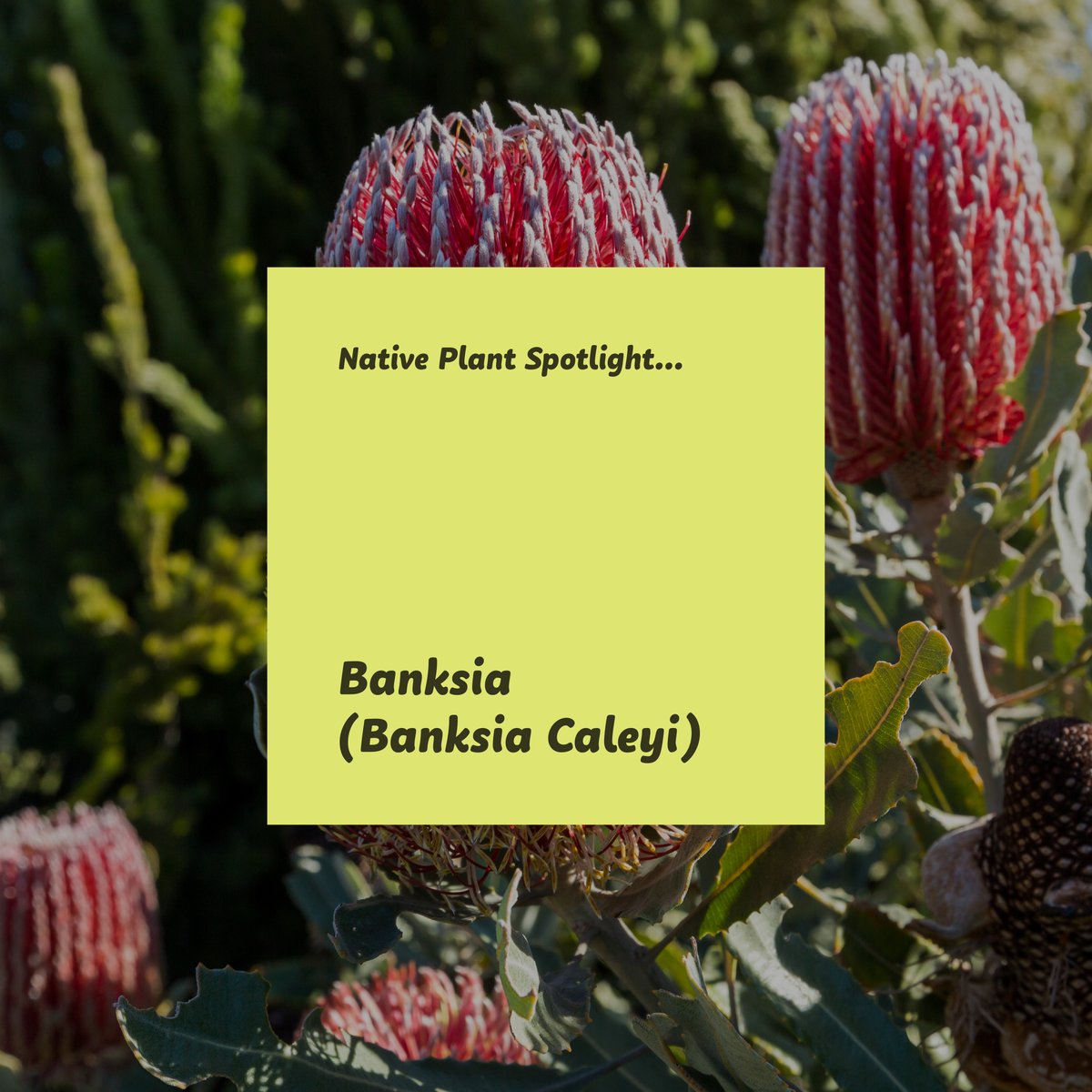
Banksia is beneficial for gardens due to its striking appearance, drought tolerance, and attraction to native wildlife. Its unique flowers provide nectar for birds and insects, while its deep roots help stabilise soil and prevent erosion.
#BanksiaGardens#DroughtTolerantPlants
Grevillea is excellent for your garden as it attracts native birds with its nectar-rich flowers, thrives in diverse climates, tolerates poor soil, requires minimal water once established, and adds striking foliage.
#GardeningTips#NativeGarden#DroughtResistantPlants
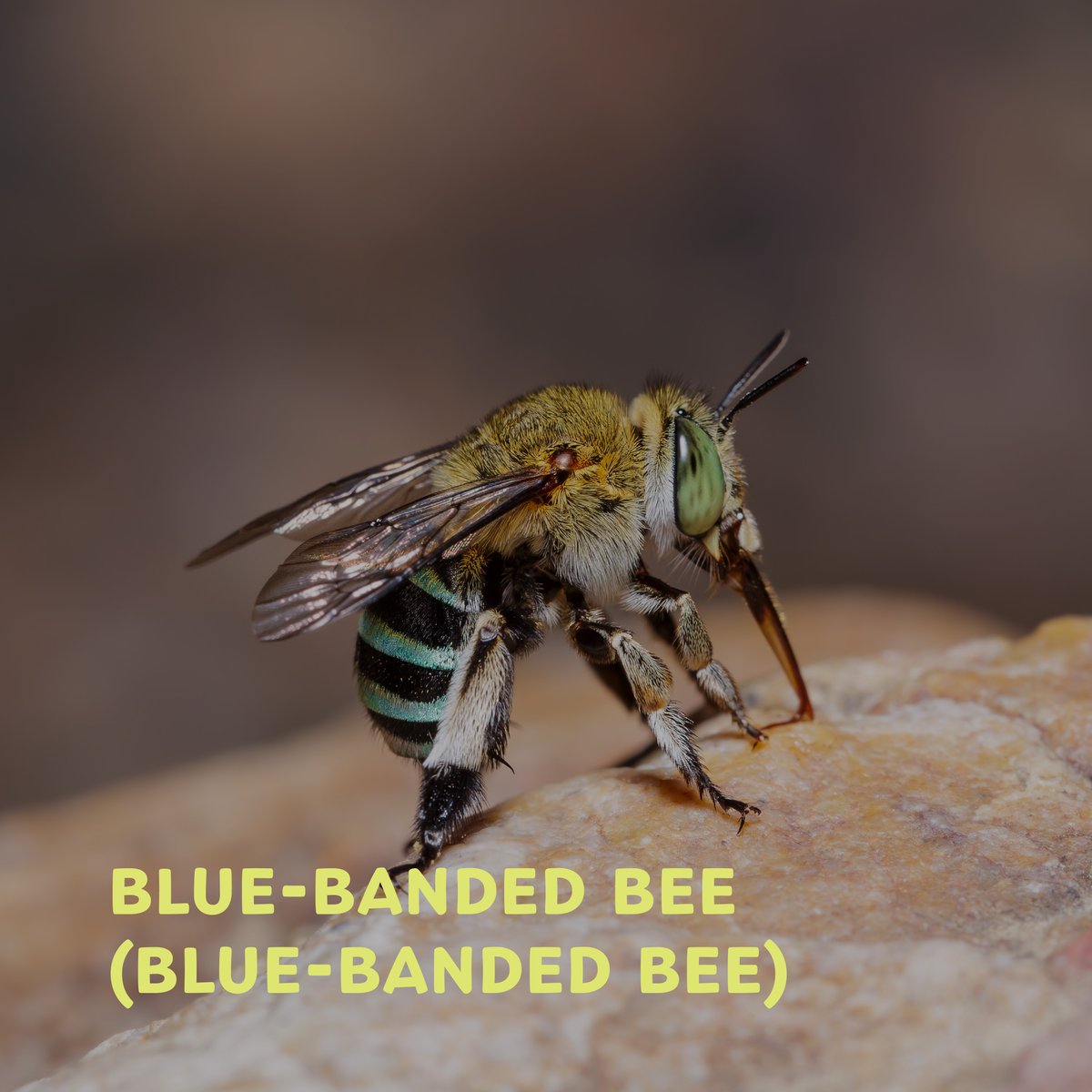
Attract Blue-banded, Teddy Bear, and Resin Bees to your garden: Plant native flowers, provide nesting sites like bare soil and bee hotels, offer water sources, avoid pesticides, create diverse habitats, ensure sunny spots, and maintain a continuous blooming season.