DFW primary-care and concierge physicians can review CIZ1B test clinical evidence, patient considerations, and ordering setup steps. Review the provider ordering guide:
https://t.co/TedmVplqn1
For clinicians serving DFW, the CIZ1B test is commercially available as an additional biomarker tool that may support comprehensive lung cancer assessment. Provider information:
https://t.co/95YtDA94ck
San Antonio patients: ask your healthcare provider about your lung cancer risk, LDCT eligibility, and whether additional assessment may be appropriate. The CIZ1B test is ordered through licensed providers. https://t.co/DyzlKdJGvY
San Antonio providers can review CIZ1B test clinical resources and ordering setup steps. The CIZ1B test may provide an additional biomarker data point during comprehensive lung cancer assessment. https://t.co/d9dtBmweWj
DFW providers: after CIZ1B test setup is submitted, a representative follows up with onboarding, portal-access, ordering, specimen, and results instructions. Begin setup:
https://t.co/oN7i1rqO2C
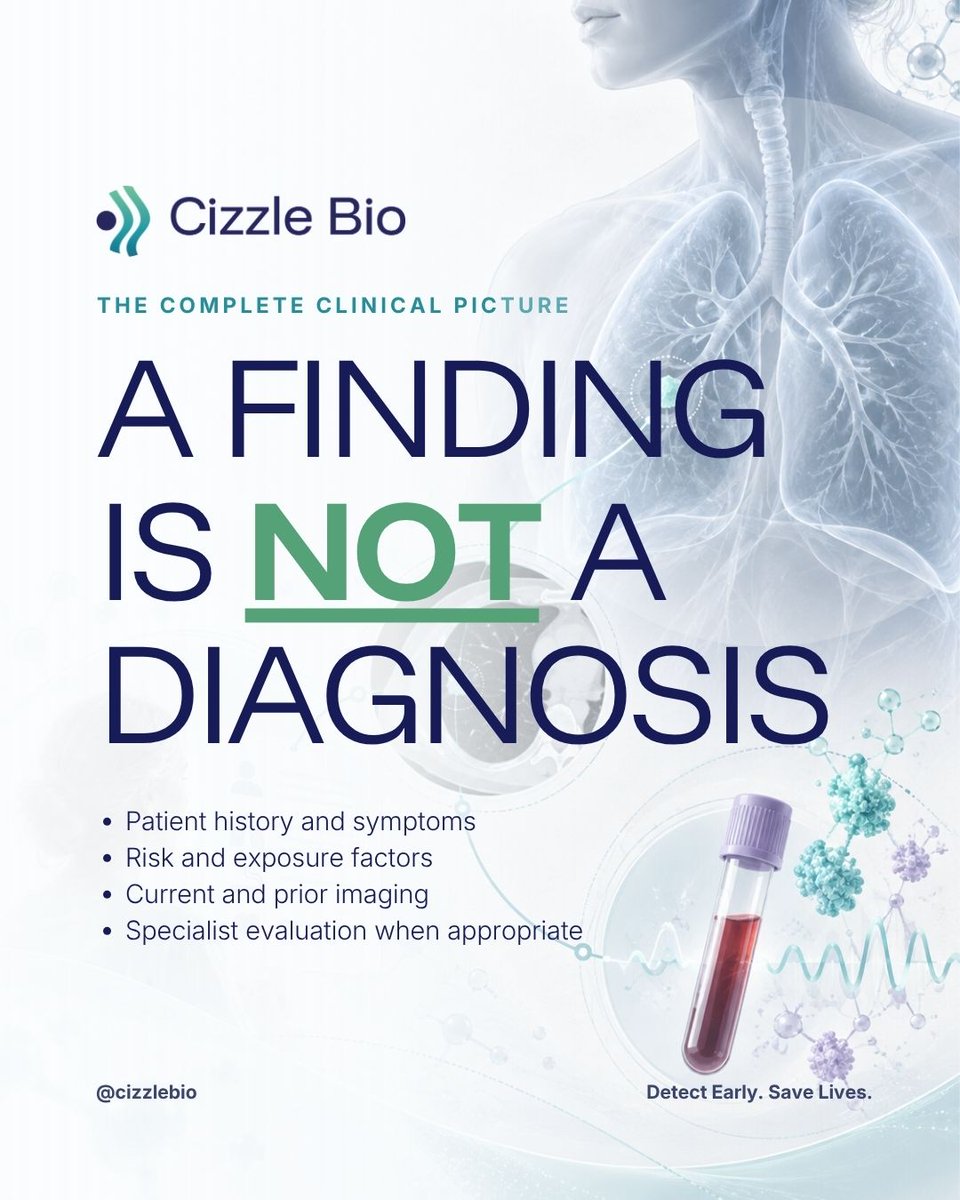
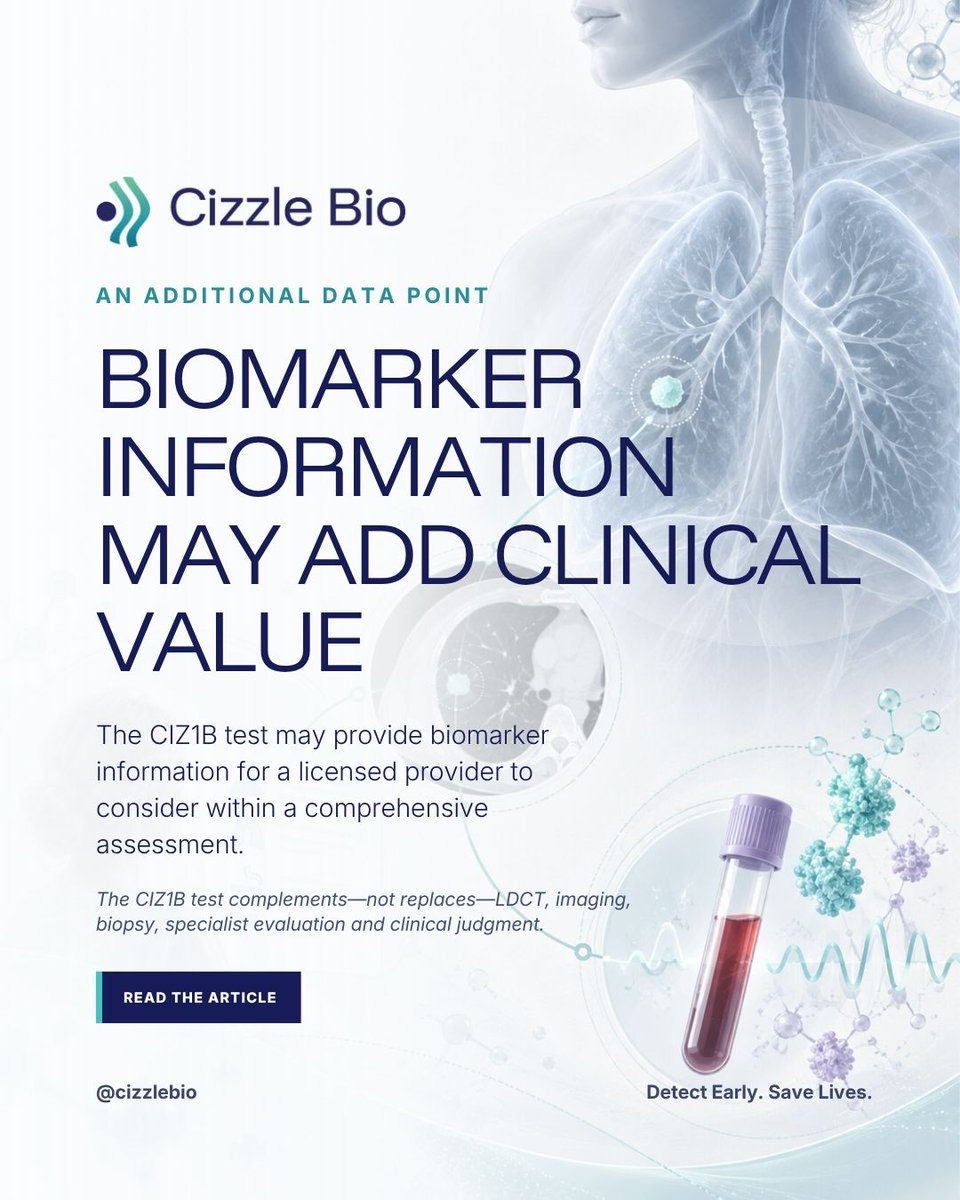
DFW clinicians: LDCT provides imaging information; the CIZ1B test provides biomarker information from a blood sample. The CIZ1B test complements—not replaces—imaging and clinical judgment. https://t.co/L3fwhtXwo2
Cizzle Bio is joining the 4th Annual Doc-to-Doc Meet and Greet in New Braunfels on Oct. 14. Stop by to meet our team and learn about our work in early cancer detection. Learn more: https://t.co/iJiqd8EGBA #CizzleBio#EarlyDetection@TXFamilyDocs
Cizzle Bio will attend #ASCOQLTY26, Oct. 16–17 in Boston and online, joining oncology leaders focused on safer, more efficient and patient-centered cancer care. Learn more: https://t.co/mxrbWuWuAC #CizzleBio@ASCO
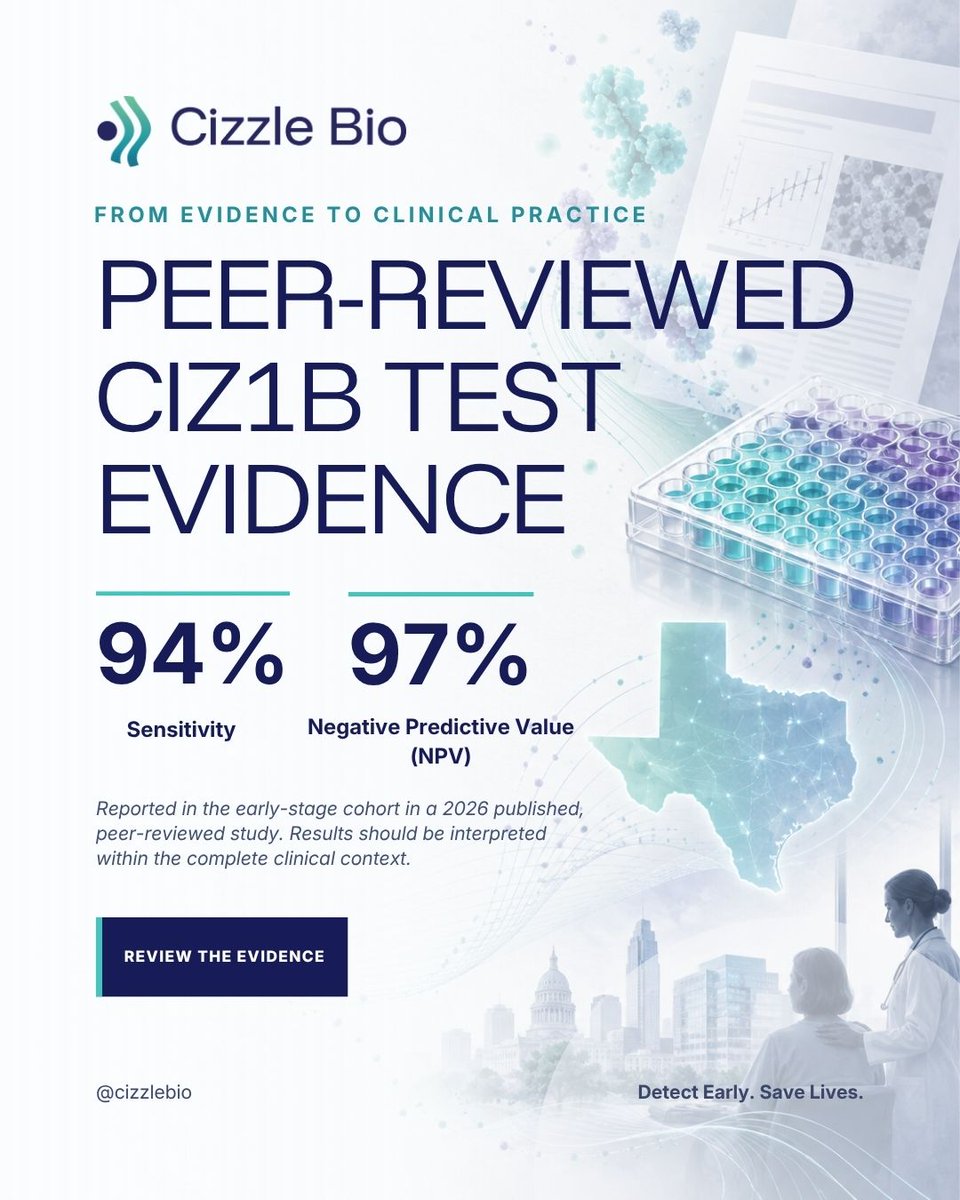
A 2026 peer-reviewed study reported 94% sensitivity and 97% NPV for the CIZ1B test in the early-stage cohort. The commercially available test complements clinical judgment and imaging. Provider resources:
https://t.co/ZY4GL3vnWq
Cizzle Bio and the CIZ1B Biomarker Blood Test for Lung Cancer were featured in GenomeWeb. The article highlights peer-reviewed results showing 94% sensitivity and 97% negative predictive value for stage I and II lung cancer.
#CIZ1B#EarlyDetection
DFW clinicians: The CIZ1B test may provide an additional biomarker data point when assessing patients with indeterminate pulmonary nodules. It complements—not replaces—imaging and clinical judgment. Read the article:
https://t.co/RIIDt9cNHo
Cizzle Bio will attend Cup of Capital during San Antonio Startup Week. Join entrepreneurs, investors and innovators Sept. 29 at Texas Public Radio. Learn more: https://t.co/zWBwberROh #CizzleBio
This #WorldLungDay, we’re joining the call for A Lifetime of Lung Health. At Cizzle Bio, we’re advancing the CIZ1B test, a biomarker blood test designed to support earlier lung cancer detection and complement standard-of-care approaches.
Detect Early. Save Lives. #CizzleBio
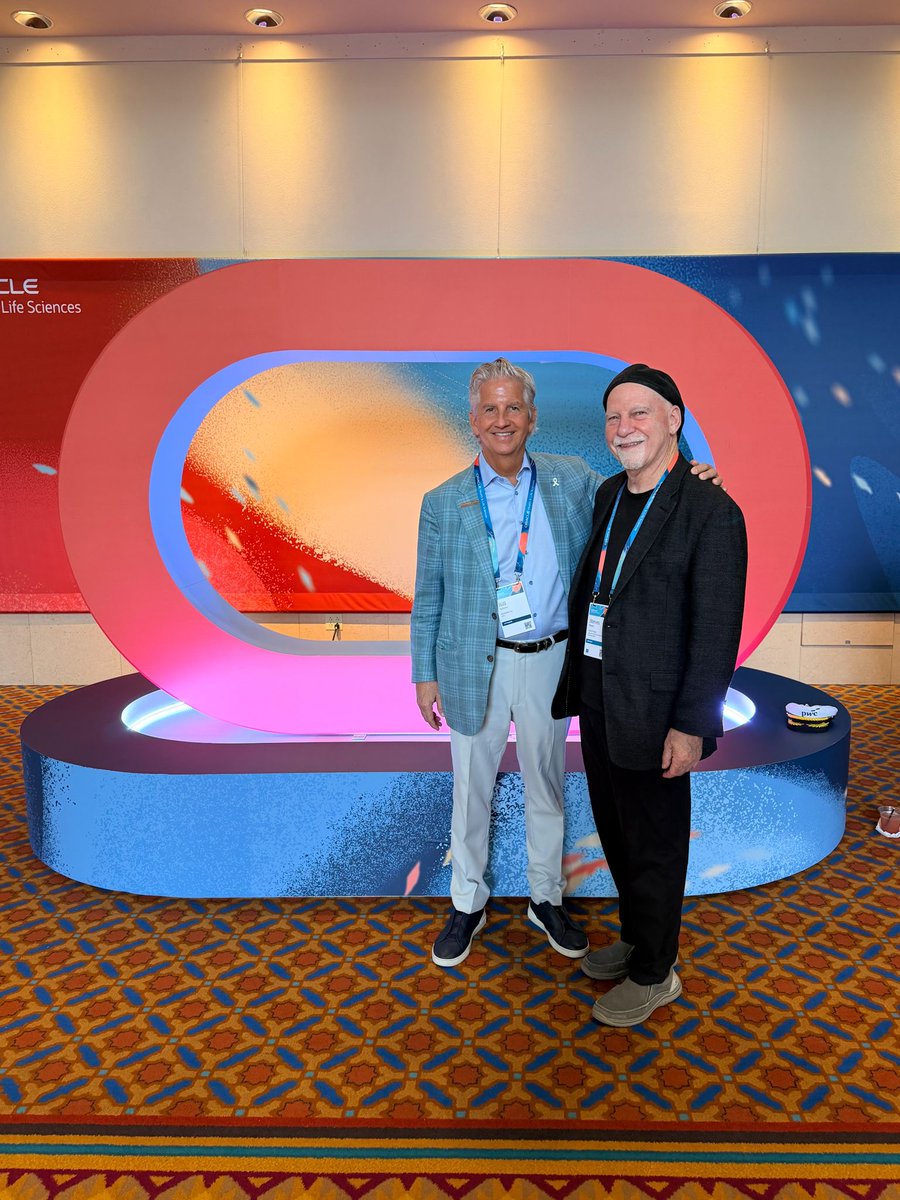
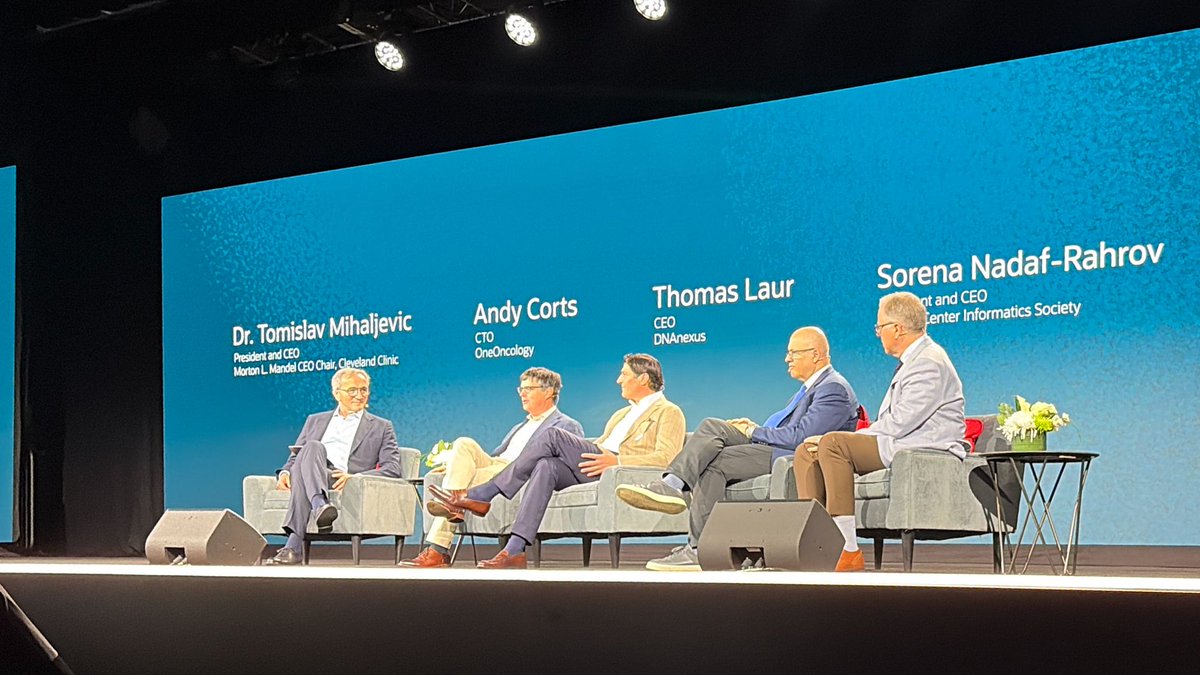
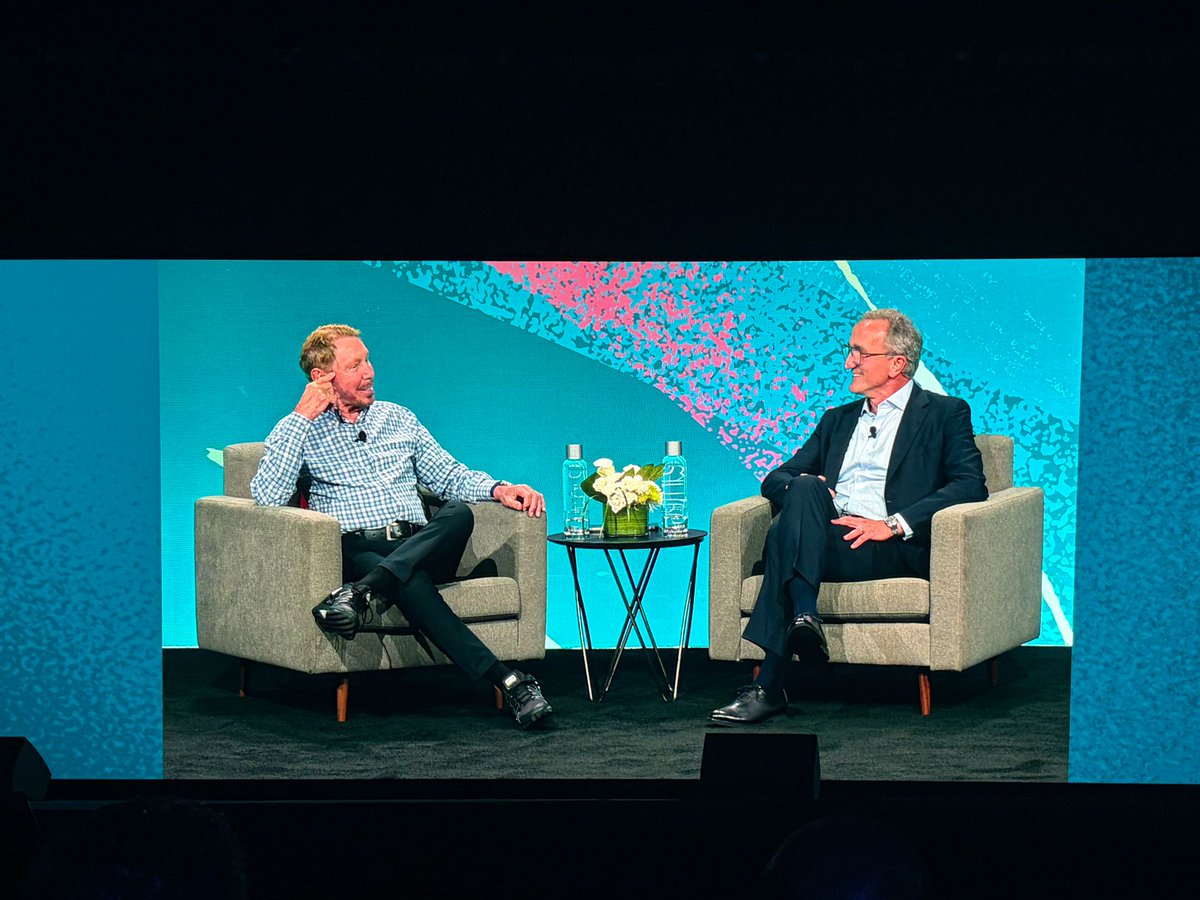
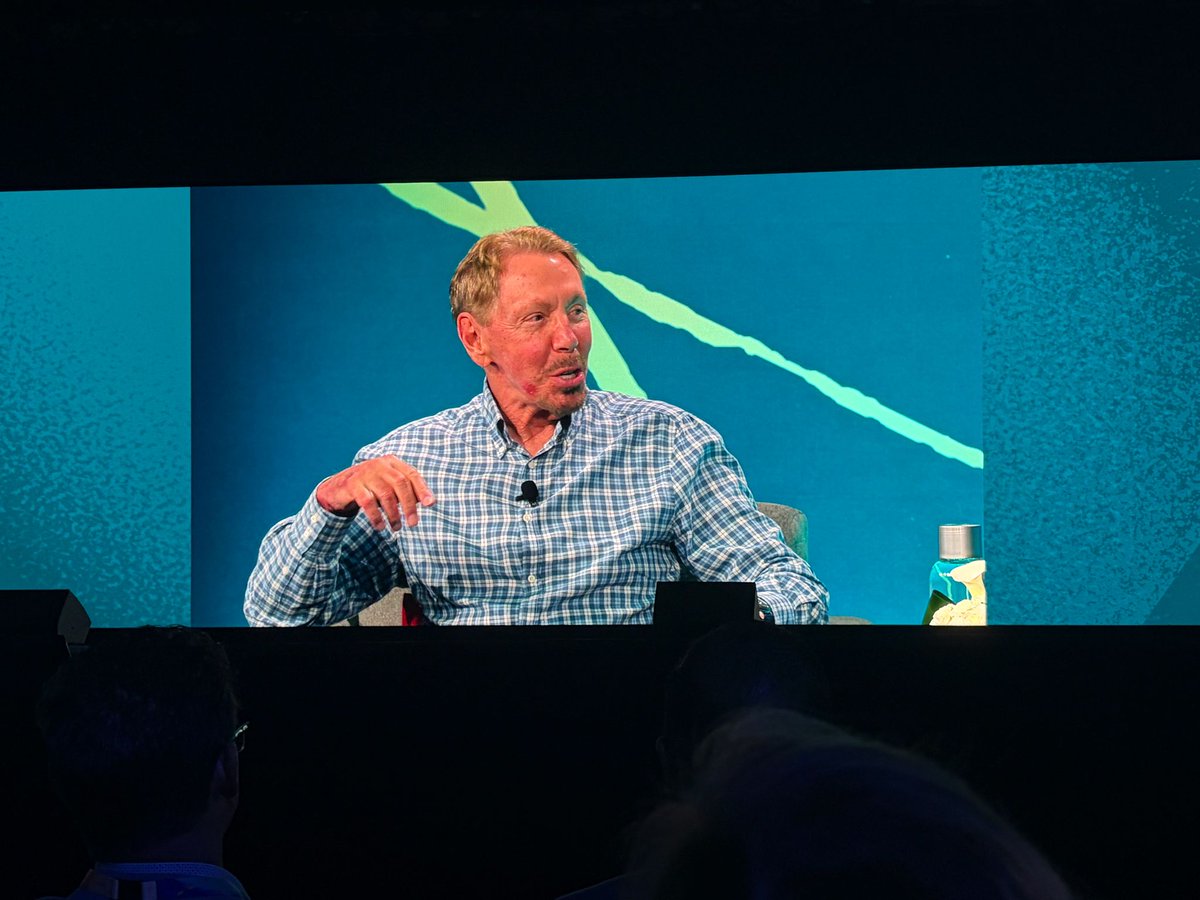
Cizzle Bio CEO Bill Behnke joined advisors Dr. Steven T. Rosen and Sorena Nadaf-Rahrov at the @OracleHealth and Life Sciences Summit, alongside Oracle founder Larry Ellison and @ClevelandClinic President and CEO Dr. Tomislav Mihaljevic. #CizzleBio
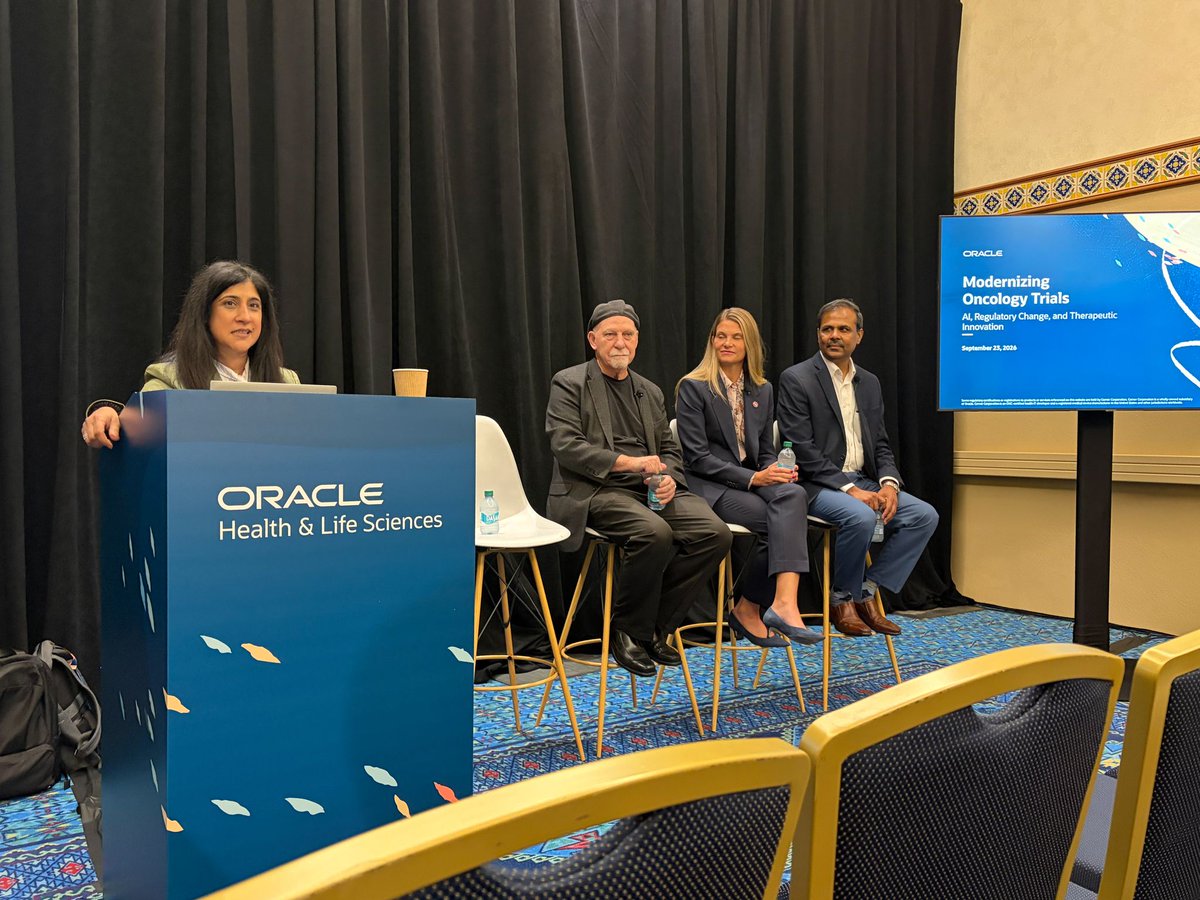
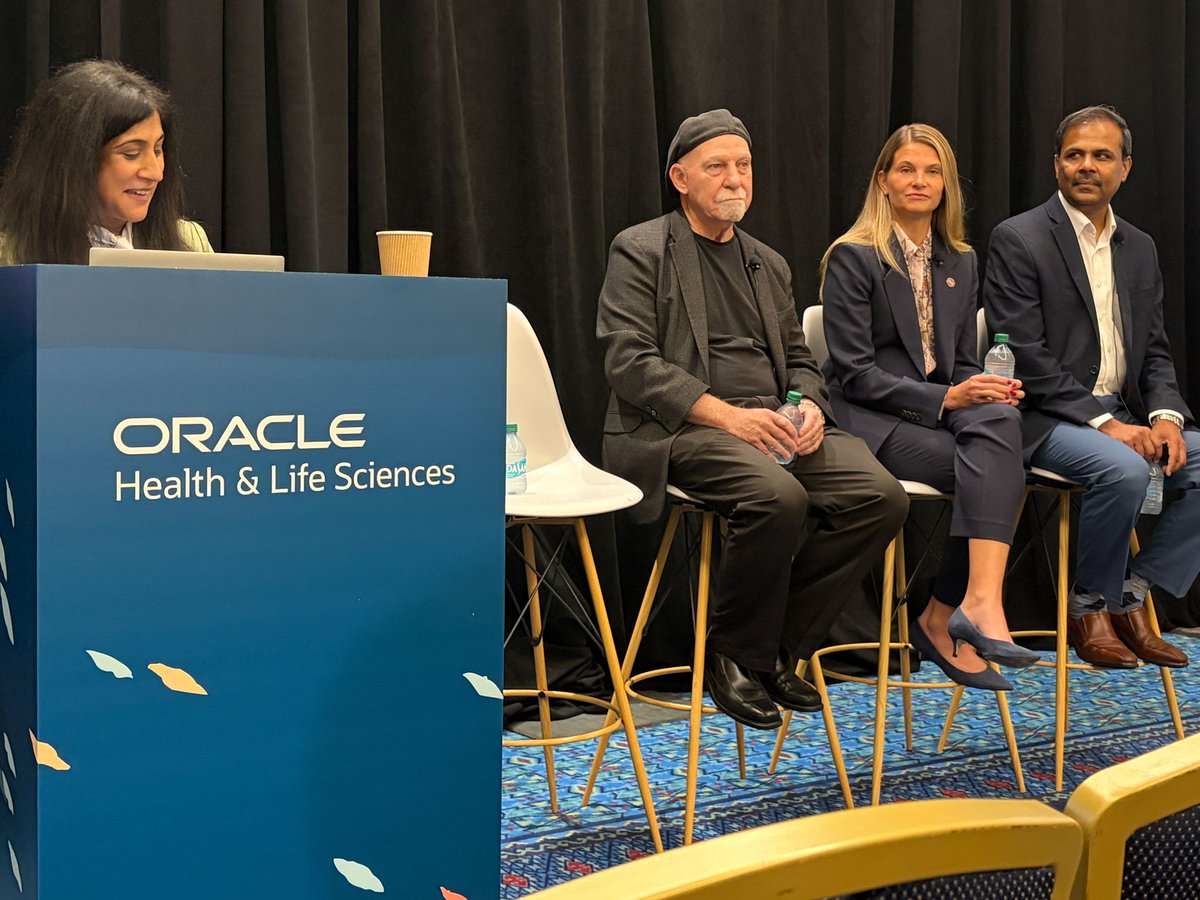
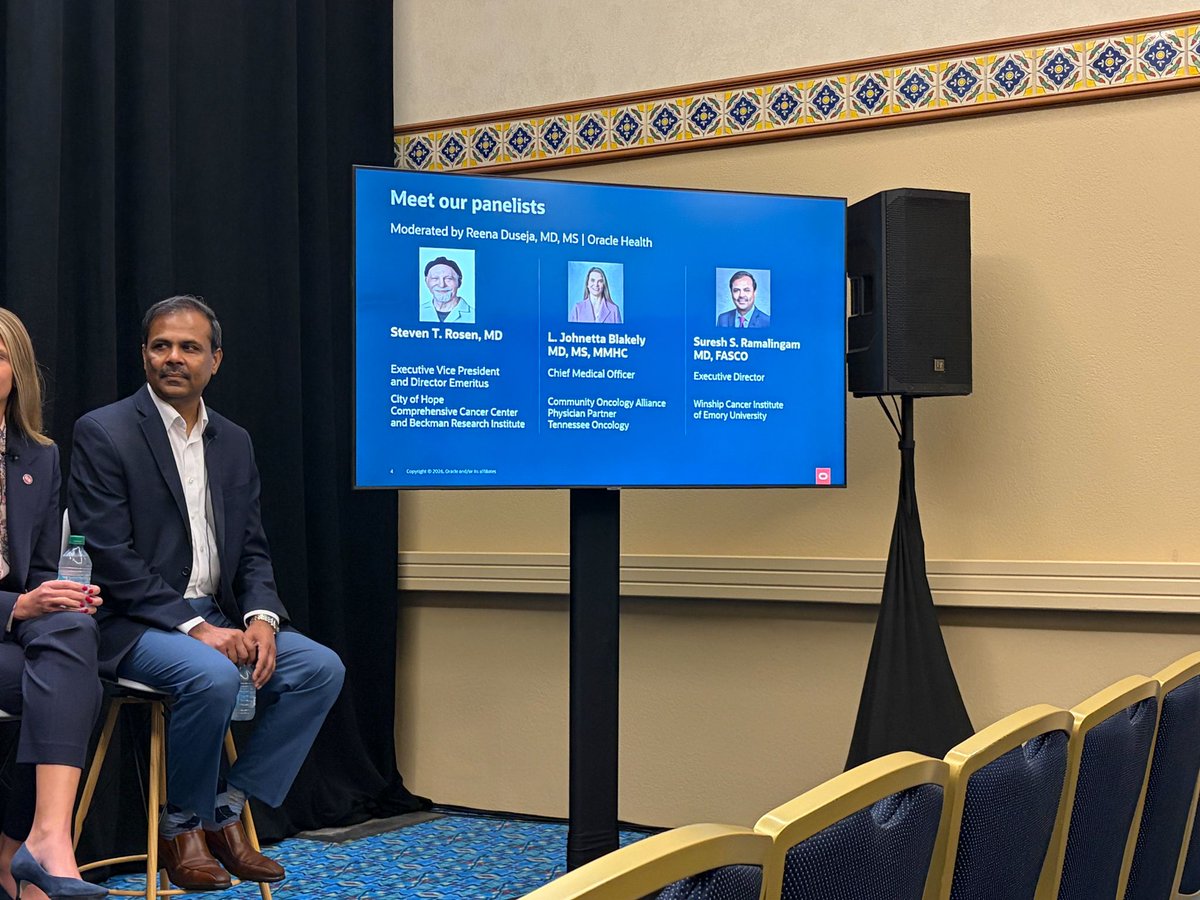
Proud to see Cizzle Bio Advisory Board member Sorena Nadaf-Rahrov take the stage at the @OracleHealth and Life Sciences Summit, sharing his expertise in cancer informatics and real-world oncology collaboration.#CizzleBio#CancerInformatics#OracleHealth
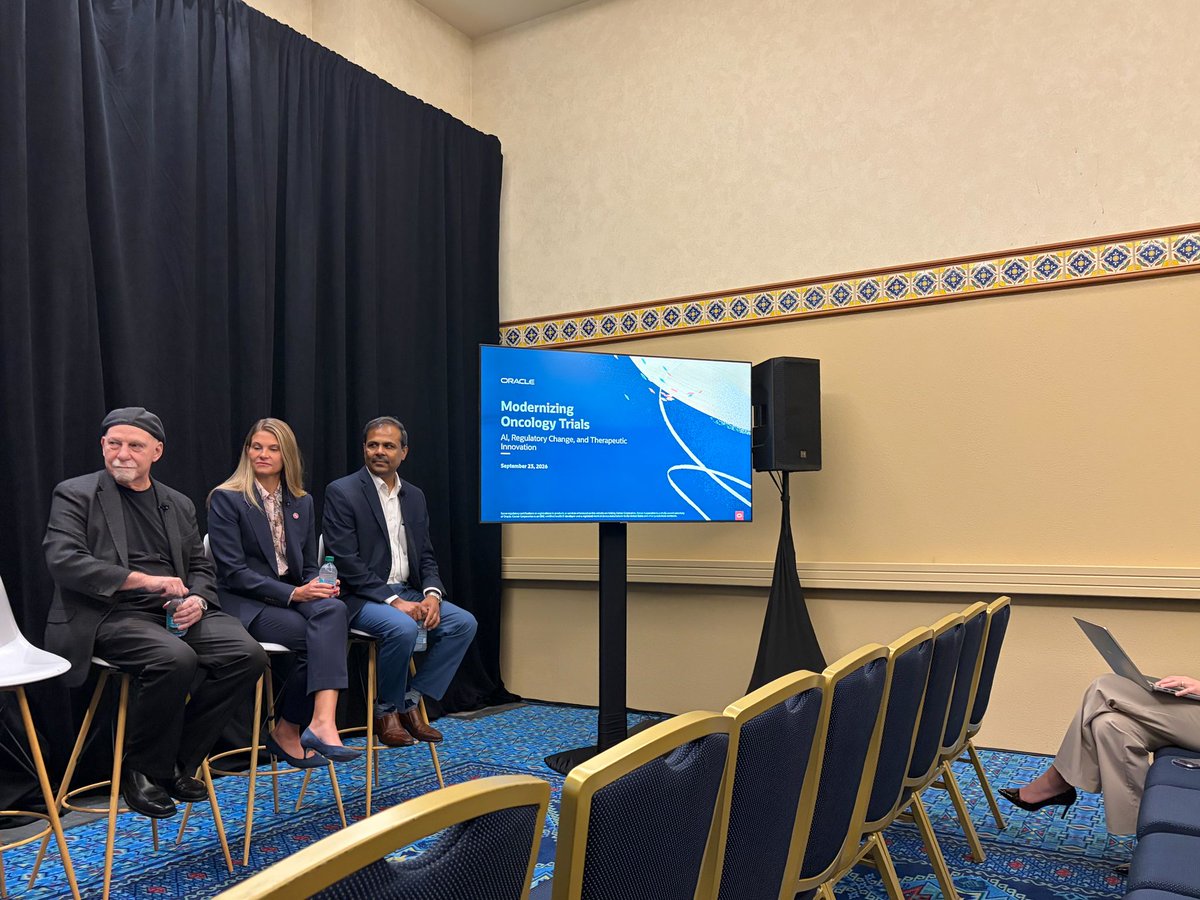
Proud to see Cizzle Bio’s Dr. Steven T. Rosen among leading oncology experts at the @OracleHealth and Life Sciences Summit, discussing AI, regulatory change, and therapeutic innovation in oncology trials.
#CizzleBio#Oncology#CancerResearch#OracleHealth
Early detection shouldn’t depend on a ZIP code. We’re proud to support #LungCancerScreeningDay and the effort to expand awareness and access to LDCT screening. @CizzleBio, we share the goal of helping more people take action earlier. #LungCancer#HealthEquity
Cizzle Bio was proud to sponsor the @preventcancer Foundation® 32nd Annual Gala, where 800+ guests helped raise more than $2M for cancer prevention and early detection. Founder & CEO Bill Behnke also served on the 2026 Gala Committee. https://t.co/WU0kNFN65b #EarlyDetection
Tonight, Cizzle Bio is proud to support the @preventcancer 2026 Annual Gala in Washington, D.C. Founder & CEO Bill Behnke serves on the Gala Committee. @CizzlePlc and CEO Allan Syms will also attend.
https://t.co/koZsVieQuC