ISHWAR SWAROOP SWAMI LAKSHAMAN JOO MAHARAJ
born in Srinagar, Kashmir on May 9, 1907, has been the most recent of the greatest saints and masters of the tradition of Kashmir Shaivism. At his birth his family's Guru, the great Shaiva master Swami Ram literally danced in joy.
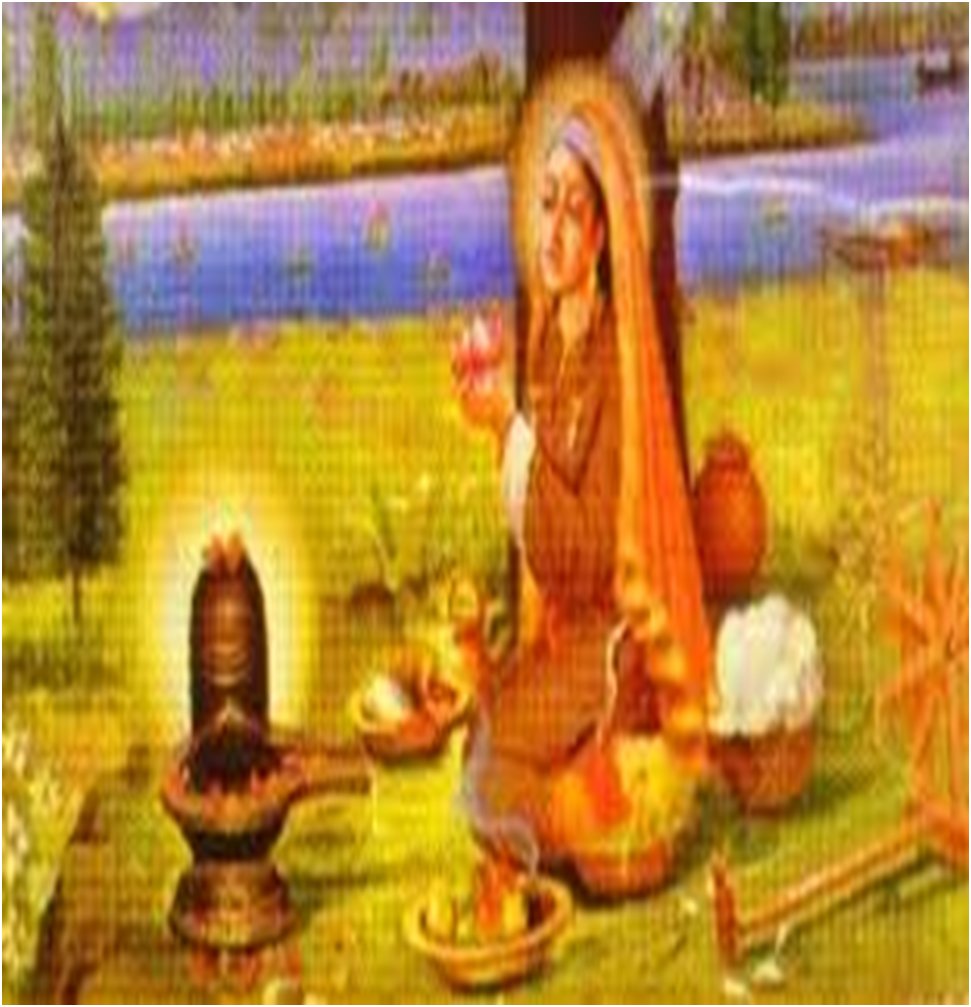
Lalleshwari was a 14th-century Shaivite Saint and great Kashmiri mystic poetess, praised for her Vaaks or verses that are philosophical but actually are spiritual in nature. Her birth name was Lalleshwari but she is more known by various other names, including Lal Ded.
Swami Budha Amarnath Temple in Poonch, Jammu is an ancient Shiva temple located at the Sangam of two gushing streams, the Gagri Nallah and the Pulsta Nallah.The holy Shiva Temple is situated on the foot hill. There is a natural Shivlinga of white stone (Chakmak) inside the temple
MY REMINISCES-4 Continued:
A enjoyable trip to Darjeeling
Tiger hill is the highest point in Darjeeling Hills. It looks delightful during the sunset and sunrise. It is also known for its mesmerizing beauty. During the sunrise, as the first ray of the sun falls peaks illuminate
MY REMINISCES-3, Continued:
VALLEY OF FLOWERS
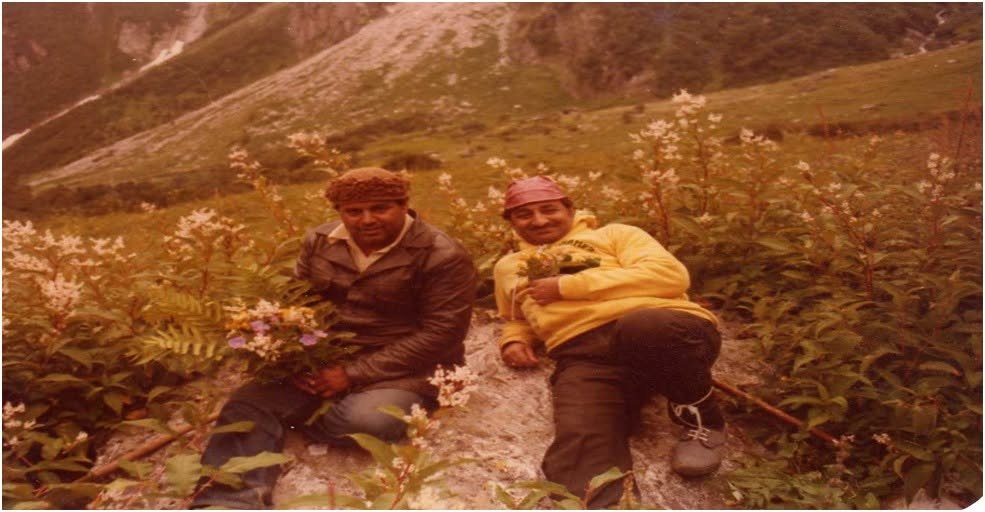
Valley of Flower’s legendary popularity, is one of India’s oldest known treks. In 1980, the Indian government made the Valley of Flowers National Park, in 2002, as a UNESCO World Heritage Site. Valley of Flowers Trek is a real treat!
MY REMINISCES-2, Continued:
Lakshman Mandir Yatra/ Gurdwara Hemkund Sahib
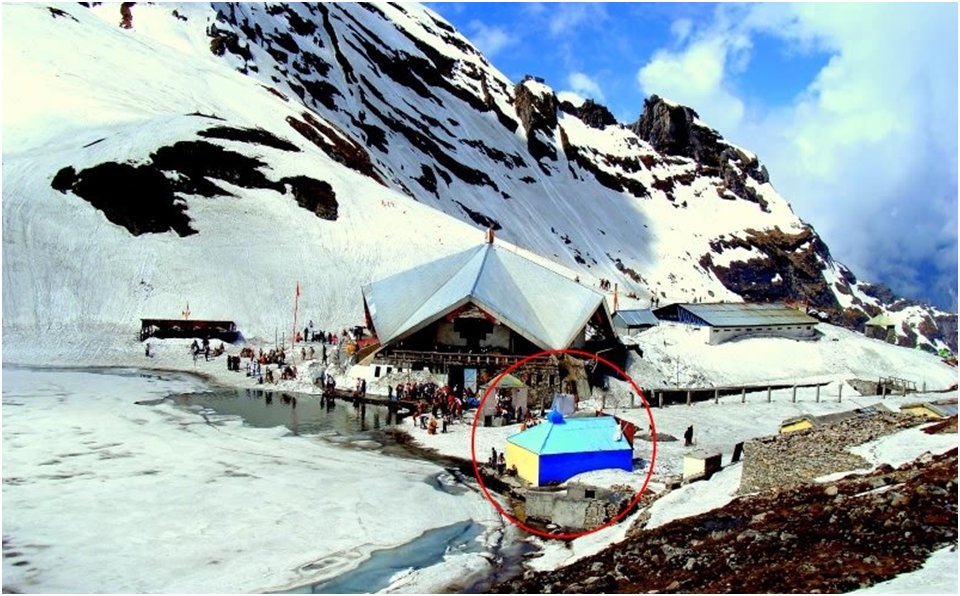
During my Char Dham Yatra of Dev Bhumi, I had a rare chance of visiting lesser known Lakshman Mandir adjacent to Gurdwara Hemkund Sahib.This is an important pilgrimage destination for Hindus and Sikhs..
MY REMINISCES-1
A LONG MARCH TO GAUMUKH!
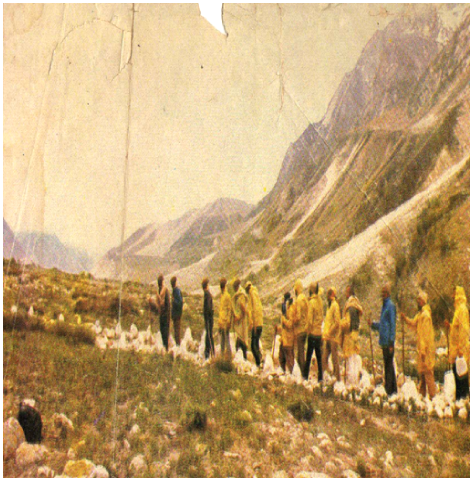
Gaumukh usually stands for cow’s mouth and is the source of the Bhagirathi (Ganga) which at this point is a huge forceful river that rushes out of the snout and has the appearance of the mouth of yawning cow and hence the name Gaumukh
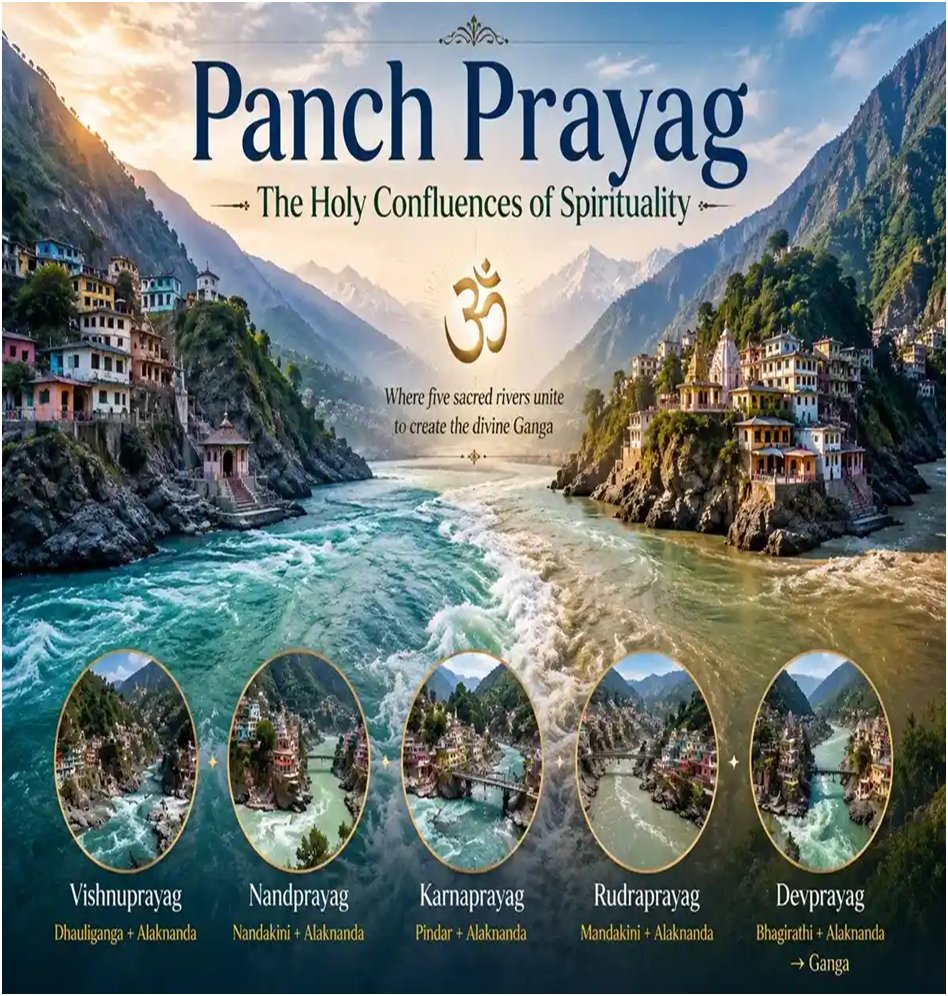
Dev Prayag is famous as the origin point of the river Ganga and the confluence of the Alaknanda and Bhagirathi holy rivers. However, it is the final confluence among the Panch Prayag in Uttarakhand. This Sangam is often famous for the spiritual union of heaven and earth.
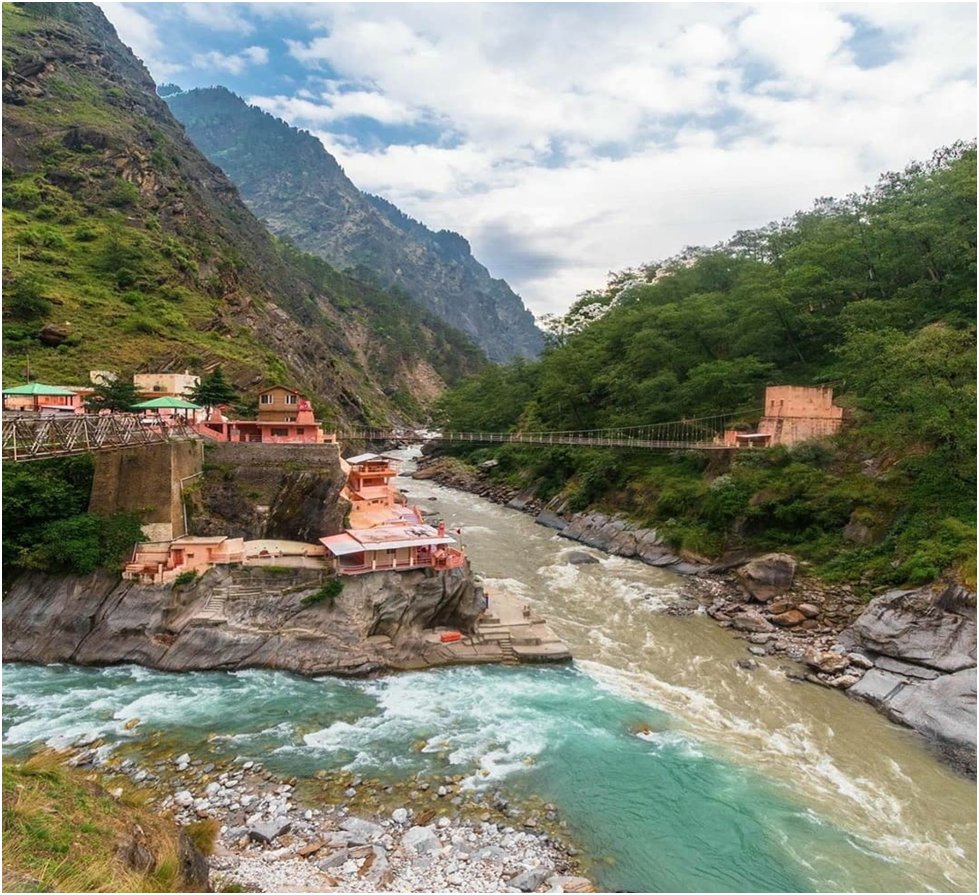
Karana Prayag is located where Alaknanda River is joined by the Pinder River and gets name from Karna of the epic Mahabharata. A legend narrates that Karna did penance here and earned the protective gear of Kavacha and Kundala from the Sun God, which gave him indestructible power
Nand Prayag is the second Prayag in the sequence of the five revered confluences, known as Panch Prayag, where the Nandakini River joins the main Alaknanda River. Hindus believe that taking a dip where the two holy rivers meet can help them achieve Moksha.
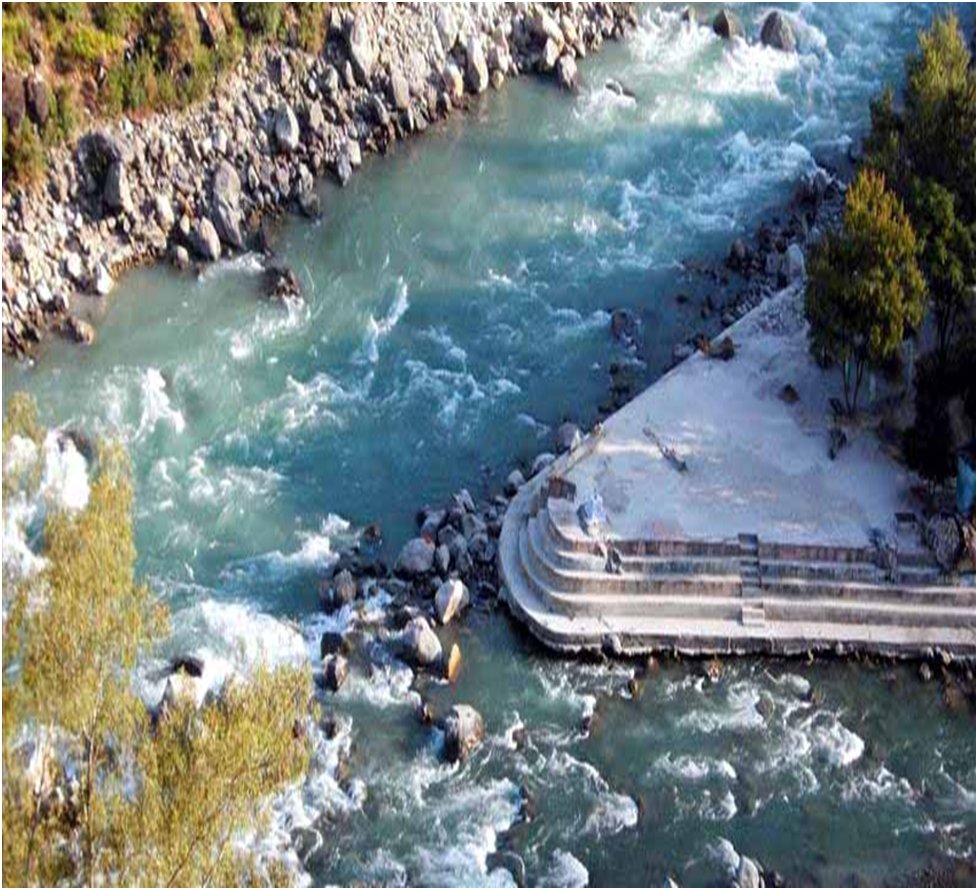
Vishnu Prayag is one of the five sacred confluences (Panch Prayag) of the Alaknanda River in the Deva Bhumi as Uttarakhand is commonly known. The confluence lies on the road between Joshimath and Badrinath marked by an octagonal temple and turbulent green waters below the highway
Panch Prayag (Pancha Prayaga) is an expression in Hindu religious ethos, specifically used to connote the five sacred river confluences in the Garhwal Himalayas of Uttarakhand Dev Bhumi where tributaries merge into the Alaknanda River. Prayag means confluence in Sanskrit language
Shankaracharya Temple is one of the oldest and famous stone temples of Lord Shiva in Kashmir. It is located in the heart of the Srinagar city, on a hilltop about one thousand feet above the ground level, overlooking the Dal Lake. Temple is stone structure about thirty feet high.
Adi Badri temples, also called the Adi Badri Dham, are a group of sixteen stone temples in Chamoli district of Uttarakhand, belonging to the Gupta period, among them is the main temple of Narayan distinguished by a raised platform where a black stone idol of Vishnu is enshrined
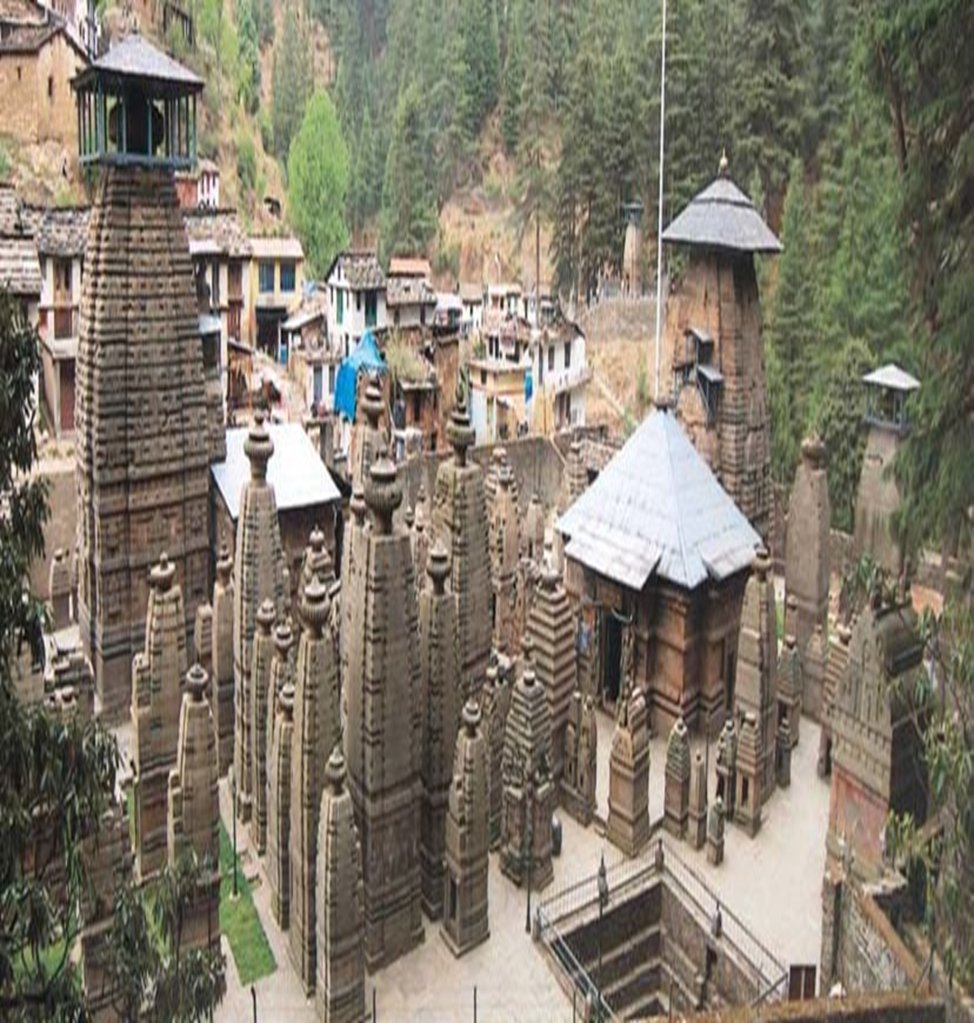
Jageshwar is a Hindu pilgrimage town in Almora district, Uttarakhand, believed to be the Nagesh Jyotirlinga dedicated to Lord Shiva, located 36 km northeast of Almora, in Kumaon region. Jageshwar Dham is a breathtaking complex of over 125 ancient temples dedicated to Lord Shiva.
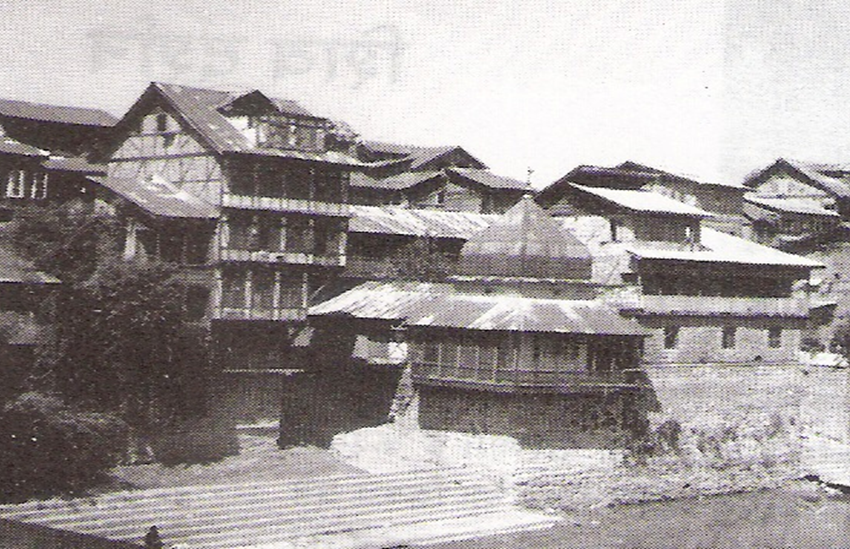
Purshyar or Purashyar temple is an ancient Hindu Shiva temple at Habakadal, Srinagar Kashmir. The name is derived from the Sanskrit Purushahara, meaning a manifestation of Lord Shiva. This temple is situated on the bank, locally known as Purshyar Ghat, of river Vitasta (Jehlum)
EARLY HISTORY OF HINDUISM (Part 2)
“The earliest forms of Hinduism arose from prehistoric faiths. The true beginnings of the faith began around 4000 B.C with the combined practices of several tribal religions, which make it the oldest religion in the world.” Jonathan H. Kantor,
EARLY HISTORY OF HINDUISM (Part 1)
“Who knows whence this creation had its origin?
He, whether He fashioned it or whether He did not,
He, who surveys it all from the highest heaven,
He knows—or maybe even He does not know.” — Rig Veda, X.129 1
The Sapta Rishis are the most enlightened beings and are considered to be greater than even Devas. Their knowledge has been passed on through generations and all Vedic and post-Vedic scriptures can be attributed to them . It is from these Rishis that Gotras are derived.