Co-Founder & Chief Brand Officer, Serotonin | Business Woman of The Year #WOTY23 | Top 10 Female Entrepreneurs To Watch - Telegraph & Natwest | Ultra runner ⛰️
Most consumers won’t have noticed this, but I bet marketers have.
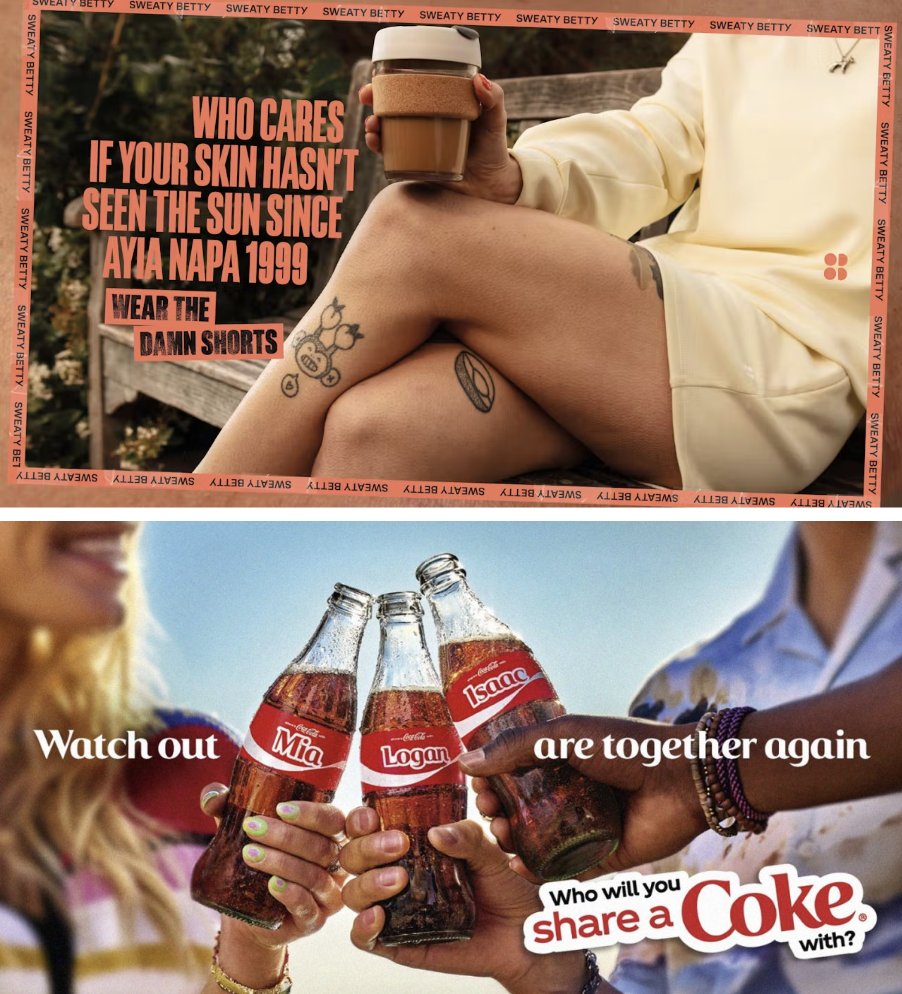
More and more brands are repurposing old campaigns, and it's made me realise that somewhere along the way, we've confused consistency with complacency.
Each year, the creative changes with new statistics and evolved stories, but the overarching theme continues the conversation until the gap actually closes.
It’s never easy, but it’s the role of brand to bridge those perspectives and still land with consistency.
Because ultimately, brand is about building belief in every group that matters to your business.
People forget that brand is a powerful tool for every stakeholder.
For investors, brand is a predictor of resilience.
For acquirers, it’s a prediction on valuation.
For senior hires, it’s proof you’re a business worth betting their career on.
Brand is capital, but it can’t be measured on a spreadsheet or P&L.
That’s something we see often at Serotonin.
When a brand has to work across multiple stakeholders, each with competing priorities.
It compounds over time, and it’s the thing that makes every click, every conversion, every campaign more effective in the long run.
You have to play the short term and the long term at once. But if you are stuck in a compromise, always pick long-term.
Right now, businesses are pouring huge amounts into performance marketing.
Conversion rates, click-through rates, time-on-site… every metric, scrutinised.
But here’s the problem: if you only focus on what you can measure, you risk losing sight of the bigger picture.
Performance keeps the engine running. But brand is what makes people care in the first place.
You need both. The challenge is that you can’t always measure brand in neat, short-term metrics.
Because if the story you’re telling doesn’t match the story people are living, you’re not building equity. You’re burning it. And that’s why agencies matter.
Not for the shiny campaigns, but for the uncomfortable perspective you can’t always find from the inside.
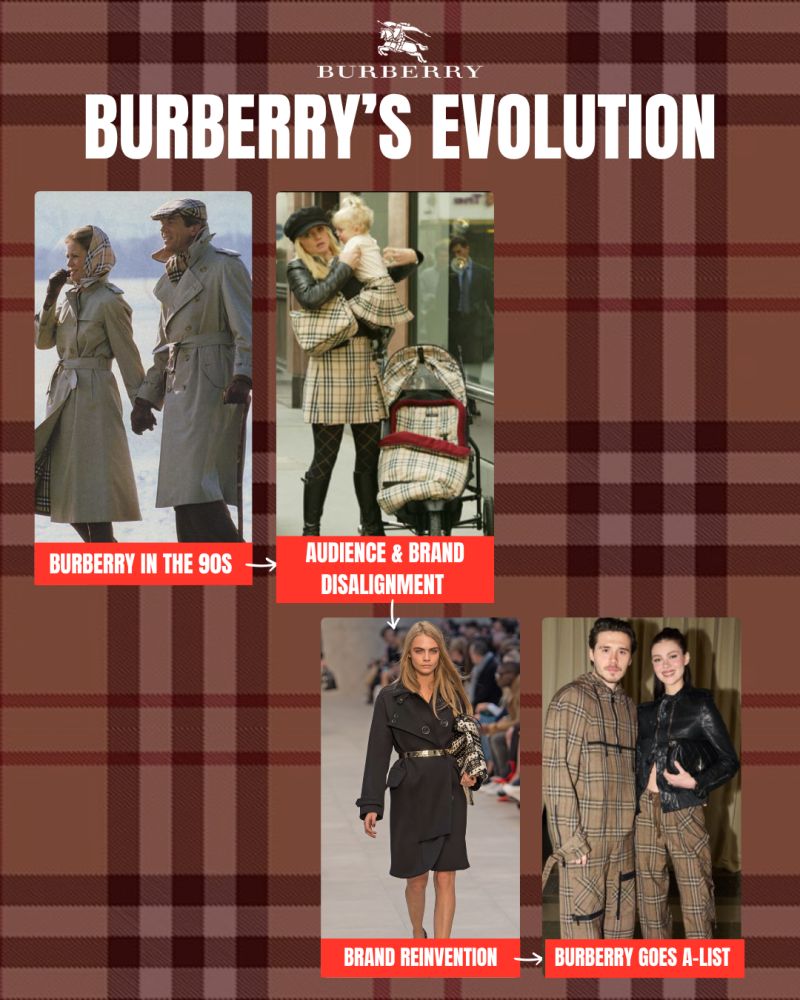
The biggest risk for legacy brands isn’t irrelevance.
It’s dissonance.
When the story you’ve been telling for decades no longer matches the reality people experience, trust erodes fast. And the longer the brand history, the harder it is to spot that drift.
Bringing story and reality back into alignment, rather than simply defaulting to nostalgia.
That’s what strong brand work does. It doesn’t polish, it recalibrates.