Hiring Tony Robbins today costs 1 million dollars for just one day.
This is a 21-minute tape recorded in his own home more than 30 years ago.
There, he explains exactly how to get anyone to say yes.
The same material for which they now charge a fortune... completely free.
It's a rare, unfiltered recording from the time when he still didn't charge millionaires just for being in the same room.
When someone says no, they give two excuses:
“I don’t have time” or “I don’t have money”
Neither is true.
The real reason is that they still don’t believe it’s worth it.
It’s not a money problem. It’s a state problem.
Tony teaches something he calls “attack and confess”
Instead of arguing the objection, you confess your own:
“I had the chance to go six months ago and I didn’t until two months ago.
I can’t even imagine the time I wasted”
The room goes silent. No one argues.
Then he gets the person on the “yes train”
Each little yes adds to the next.
Until saying no at the end feels harder than saying yes.
When it’s time to sign, the person has already said yes five times without realizing it.
Just 21 minutes.
There you learn the two only moves that people pay 1 million a day for:
how to read anyone’s state… and how to shift it.
Most people spend years guessing in sales.
He wrote it on a flipchart in his living room in less than half an hour.
A seat in that room cost $125 dollars.
Today it costs $1 million dollars a day to sit in front of him.
The tape is free right now.
And the answer is in this video.
Everyone thought Bryan Johnson was insane...
When they heard he spends $2,000,000 a year to live to 200.
But the details of his protocol reveal 8 life-changing habits anyone can follow at home for free.
Here's his evidence-based longevity blueprint: 🧵
New description of the Human Ageing Genomic Resources (HAGR)
Since its inception 20 years ago, HAGR has become the leading online platform in ageing research.
A brief thread on HAGR's databases 🧵
https://t.co/rmC7eHrpso
Community Health Centers can't access the HHS Payment Management System today.
Section 330 grant funding is a significant portion of how FQHC/ RHC keep their doors open
I suspect (hope) that the freeze will be lifted soon for them, given their strong bipartisan support
It's only been 1 day of CES 2025, and the announcements have already been incredible.
The 10 most impressive reveals of CES 2025 so far:
1. A 360° AI-powered body scanning health mirror that can scan your heart, weight, and metabolic health
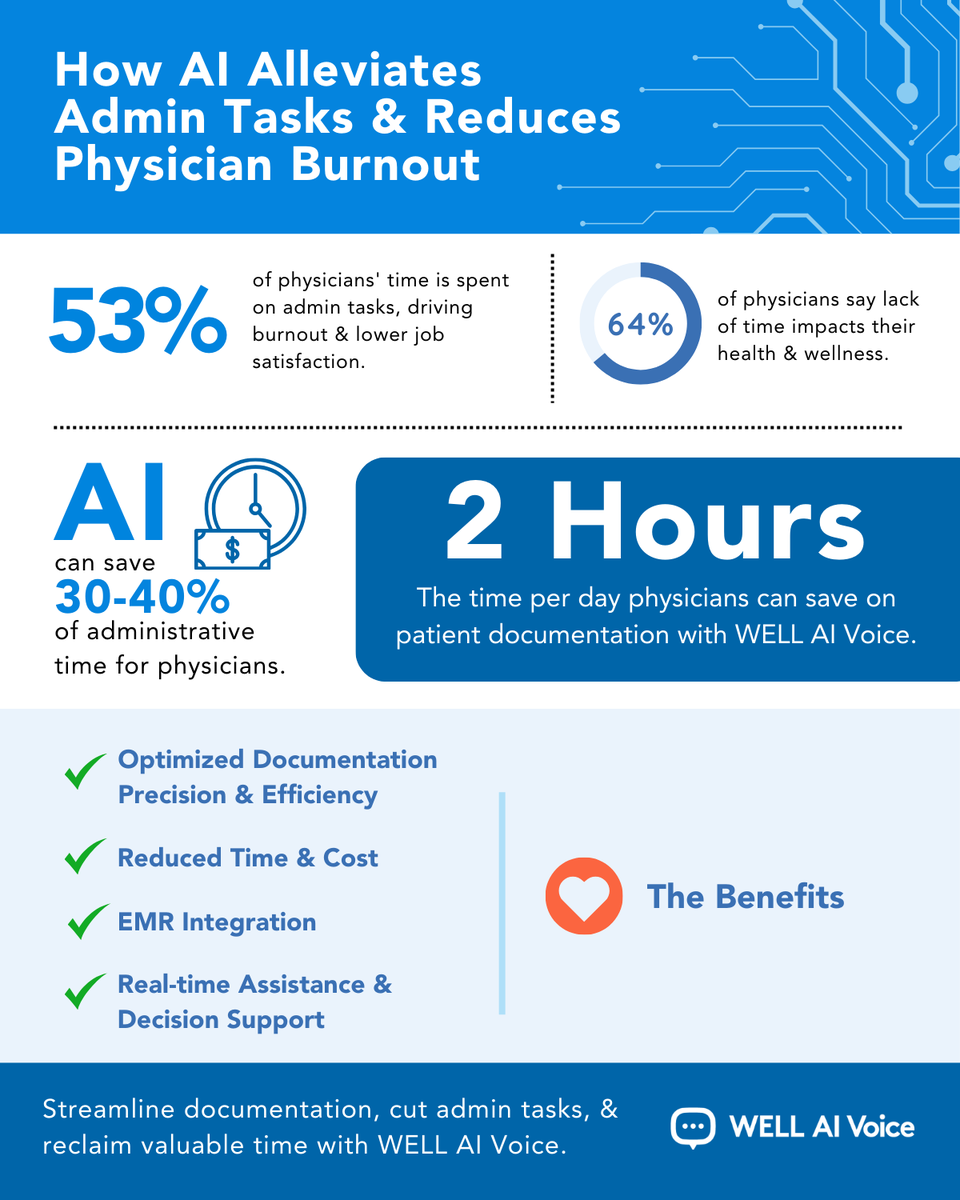
Physicians are spending too much time on admin tasks, leading to burnout — but it doesn’t have to be this way. Learn how WELL AI Voice lightens admin workloads, helping providers focus on what matters most: patient care.
📘 Download the whitepaper: https://t.co/HwJry60eZk
This guy spent 50 years studying the habits of people who lived past 100.
And not a single one of them were on a diet or went to the gym.
Yet these people were 10 times more likely to reach 100 than the average American.
Here are the 8 surprising habits they all followed:
In a recent Q&A feature with @femtechinsider, CEO Monica Cepak shares how Wisp’s efficient growth model & patient-first approach drive the company's success in the competitive #telehealth market. 🚀
Read Femtech Insiders full Q&A here: https://t.co/J5FSzh4mgm
Hamed Shahbazi, founder & CEO of WELL, joined @BNNBloomberg to discuss @DTSupercluster's investment in the Health Compass II project. In this exclusive interview, Hamed discusses the power of #AI to help providers reduce their administrative burdens.
📹 https://t.co/k78YwjiHFf
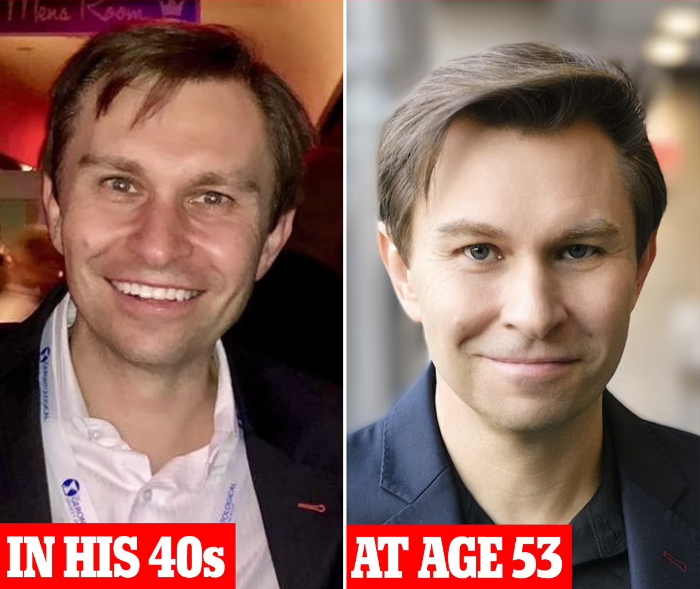
This is Professor David Sinclair
He is 53 years old but looks like he's in his 20s
He is a Harvard Genetics Professor and this are his secrets to reverse ageing:
1. Exercise to the point of losing your breath
Time for an update of Aubrey de Grey’s great longevity study (RMR 1). The main goal with the RMR study design is to speed up the discovery of interventions that increase both median and maximum lifespan with at least 40% in middle-aged mice.
The below toplist is sorted by what works best in both genders and I will update the list as new data is presented. Here are my two takeaways on the latest data that was recently published.
1⃣ Most likely the discovery that will have the best lifespan effect will be a combination of different interventions. Even if a future RMR iteration will discover a single intervention which shows really good lifespan effects I think there will be a potential to improve that effect with a combinational approach in some way. My guess is that Aubrey has similar thoughts because of how the RMR studies are designed.
2⃣ The current RMR data point towards that Rapamycin is currently an interesting intervention for male mice to enhance efficiency when it is combined with other interventions. When it comes to female mice then Rapamycin as a single intervention works as good as the top two combinations.
One interesting side note is that when I was at the Longevity Fellowship Biotech (LBF) camp no in May I listened to a great talk by Caitlin Lewis about the RMR study and her work with it. She showed some very interesting pictures of both mice with and without interventions. The control mice looked really old. One interesting thing was that the Rapamycin mice were obese. She also mentioned that the male mice also had higher glucose levels. But despite these conditions the mice lived longer. In the next RMR iteration they will see if they can minimize these conditions.
PS. Visit the LEVF website for more information on how to support the upcoming RMR 2 study.
WELL announces a $44M project, receiving $15.3M from @DTSupercluster for the Health Compass II project. This project will introduce an innovative suite of four AI-driven modules integrated through an EMR-agnostic mobile app, reducing provider burdens.
https://t.co/45TKbcj65T
Connecting healthcare providers with leading medical innovations has never been easier.
Featuring more than 100 speakers and over 70 startups, MaRS Impact Health is the can’t-miss health innovation conference of the year.
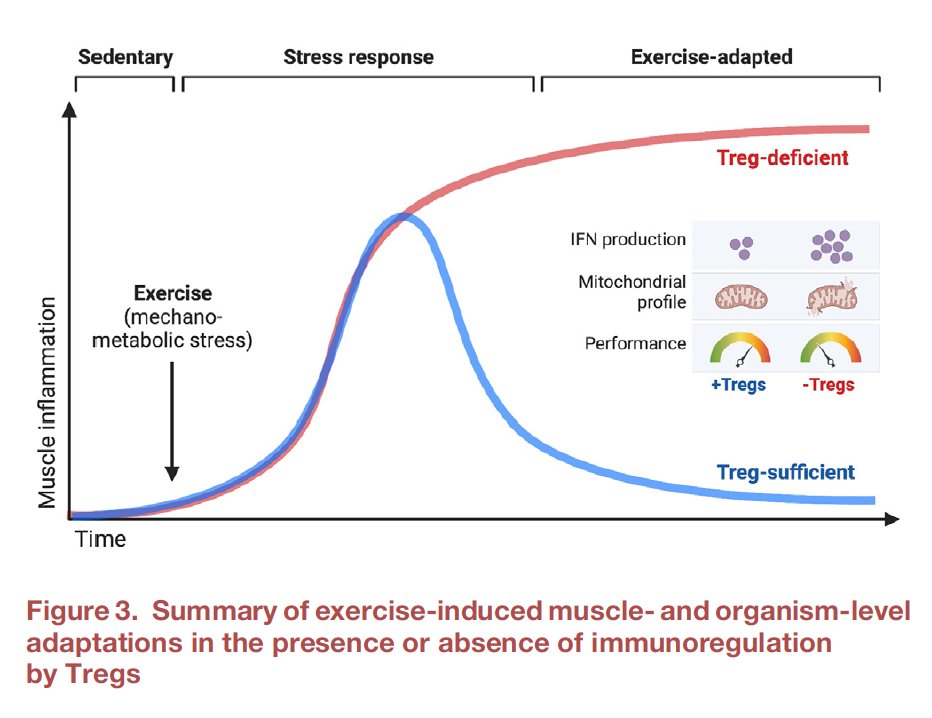
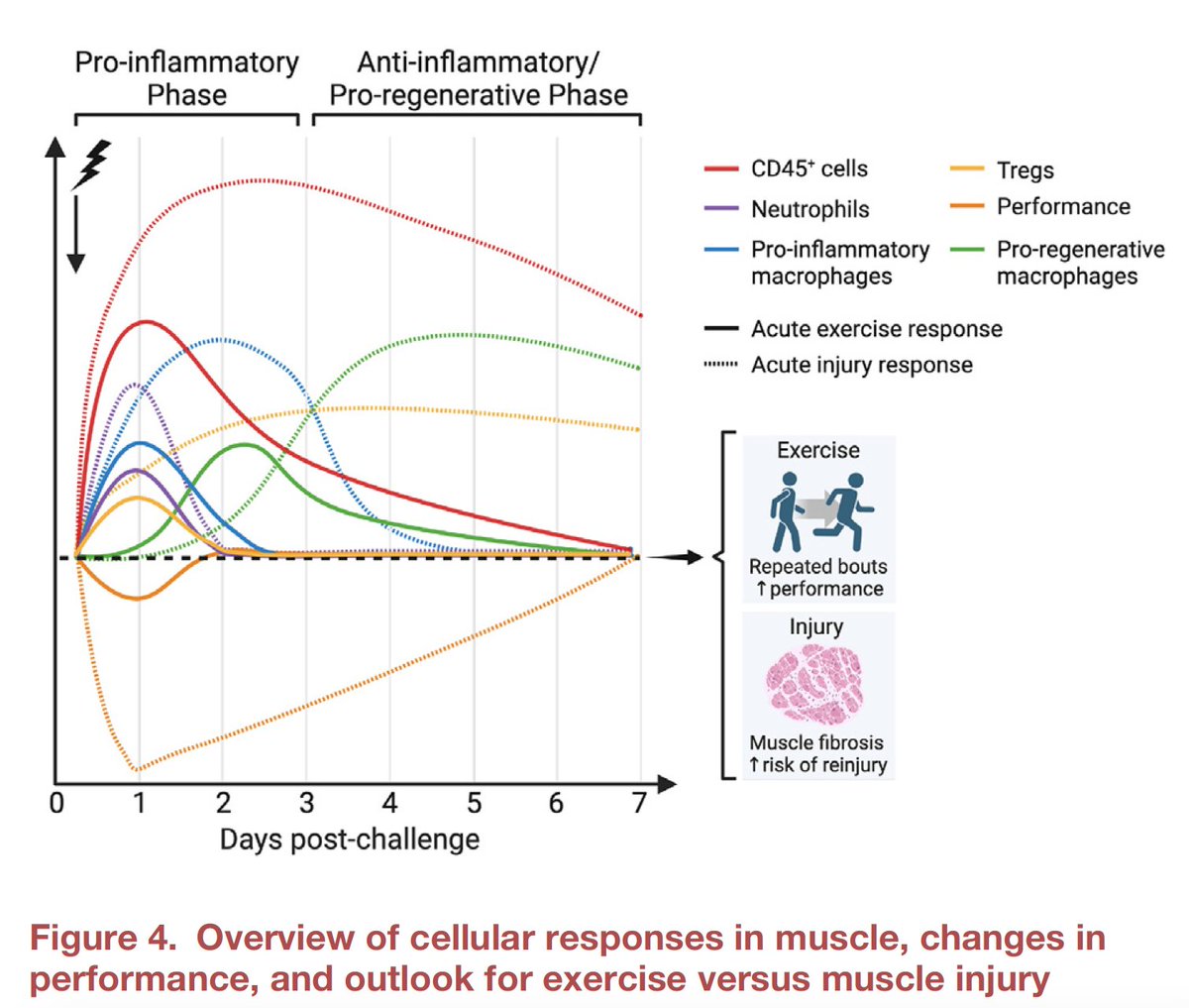
How exercise promotes a healthy immune response, reduces inflammation, and may slow the aging process
https://t.co/5Cx9vPhLJD @Cell_Metabolism @KentLangston
Fourteen years ago today, I signed the Affordable Care Act into law.
Afterwards, one Republican member of the House called the ACA the “most dangerous piece of legislation ever passed in Congress.” Another predicted the country would “never recover from it.”
But then something else happened: it actually worked.