More than 53 million U.S. adults are caring for someone with dementia—a role that can drive a caregiver either to exasperation or to the cross.
https://t.co/KLcavccGdP
I’m over at TGC talking about dementia, some of its challenges and misconceptions and two of my favorite resources on the subject.
https://t.co/Z6ffvr9O8a
For those of you in despair- here’s a dose of hope for today:
When we’ve lost so much that we fear we’re stuck now with a Plan B existence—that scenario is where God dwells. https://t.co/pEsYwB46Pa
God be praised!
#Russia freed wrongly convicted WSJ reporter Evan Gershkovich as part of the largest and most complex East-West prisoner swap since the Cold War https://t.co/owtcHrxG4B
"The moment we communicate that you need Jesus plus something else to have access to the father is the moment we become the thieves and robbers."
—Vanessa Hawkins
Missed Vanessa's talk? Catch a replay and watch the rest of TGCW24 live as it happens for free by joining the livestream now: https://t.co/lecv5QiYk2
𝐖𝐡𝐞𝐧 𝐘𝐨𝐮𝐫 𝐂𝐨𝐥𝐥𝐞𝐠𝐞 𝐆𝐫𝐚𝐝 𝐌𝐨𝐯𝐞𝐬 𝐇𝐨𝐦𝐞
By Gaye Clark
Hollywood created a stereotype of a graduate who moved back home and instead of lining up appointments with prospective employers, spends his days floating around in the pool. His parents look up from the tuition bills, tell him to “get a job,” and wonder why they bothered investing in his education and what’s next for their son.
Their son is wondering the same thing.
But I don’t think most graduates return home to avoid responsibility. Instead, they see their return as temporary, and an excellent opportunity for them “to get on a firm financial footing.” Yet, without a specific plan and some honest conversations with Mom and Dad, it can be easy for these young adults to lose their way.
𝗢𝘃𝗲𝗿𝗹𝗼𝗼𝗸𝗲𝗱 𝗧𝗿𝗮𝗻𝘀𝗶𝘁𝗶𝗼𝗻
More college grads are heading home after finishing their studies. Recent Pew Research polls found that “the share of 18- to 29-year-olds living with their parents has become a majority since U.S. coronavirus cases began spreading early this year, surpassing the previous peak during the Great Depression era.”
Having a graduate return home can be one of the most overlooked and difficult transitions a parent faces. It shouldn’t surprise us when conflict rears its ugly head. Parents are in a quandary: they still have expectations of their kids, but their parental role has changed.
Their child has been living on his own, navigating roommate challenges, laundry, meals, and his schedule. He’s not the same kid who left for college. He’s not a kid at all. But he may not be viewed by his parents as an adult. Parents might think it wise for their kids to follow their instructions, but as far as adult children are concerned, it’s now an option as to whether or not they will.
𝗔𝗿𝗿𝗼𝘄𝘀 𝗔𝗿𝗲 𝘁𝗼 𝗕𝗲 𝗦𝗲𝗻𝘁 𝗢𝘂𝘁
The Bible doesn’t specify what’s required of an adult child living at home. But Psalm 127 is a helpful reminder: “Unless the LORD builds the house, those who build it labor in vain. Unless the LORD watches over the city, the watchman stays awake in vain” (v. 1). Parents labor to raise godly children, watch over them, and protect them. It can be hard to know when to switch gears and let them go.
As parents enter a season where they must quell the instinct to rush in, rescue, and control, it’s good to remember the Lord reigns over our kids’ lives. Later in that psalm, children are described as “arrows in the hand of a warrior” (v. 4). It speaks to purpose: arrows aren’t meant to be kept close to one’s chest—they’re to be sent on their mission. We need to see this time as temporary and look toward the day they go out on their own.
Here are five things I learned to do when my kids came home.
𝟭. 𝘾𝙤𝙢𝙢𝙪𝙣𝙞𝙘𝙖𝙩𝙚 𝙚𝙖𝙧𝙡𝙮 𝙖𝙣𝙙 𝙤𝙛𝙩𝙚𝙣.
While an adult child may no longer need to obey her parents in the strictest sense, she’s required to honor them. This means respecting the rules that everyone living in the home must abide by. But to do that, rules need to be clarified, especially since circumstances have changed. Parents would be wise to take the initiative and plan a meeting with their adult child not to command her obedience but to collaborate with her on a healthy transition.
𝟮. 𝘾𝙤𝙢𝙢𝙪𝙣𝙞𝙘𝙖𝙩𝙚 𝙨𝙥𝙚𝙘𝙞𝙛𝙞𝙘𝙨.
Will you require your adult child to pay rent? Contribute to utilities? Pay for meals? What chores will he be doing and how often? Can he invite guests over, and when? By what date do you expect him to move out? It might be helpful to agree to meet periodically to review his progress.
𝟯. 𝙃𝙚𝙡𝙥 𝙬𝙞𝙩𝙝 ‘𝙖𝙙𝙪𝙡𝙩𝙞𝙣𝙜.’
In many homes, basic life skills such as maintaining a car or creating a budget are never discussed or demonstrated until a college student calls home with a flat tire on I-85 or asks for more money because her debit card was declined. Ideally, these conversations should happen in high school. But late is better than never.
Additionally, you might offer to pay for one visit with a financial counselor to help your child create a budget and a long-term financial goal. This will give her the opportunity to obtain sound financial advice apart from you. Remember, the goal is independence.
𝟰. 𝙂𝙚𝙩 𝙤𝙣 𝙮𝙤𝙪𝙧 𝙘𝙝𝙞𝙡𝙙’𝙨 𝙜𝙖𝙢𝙚 𝙥𝙡𝙖𝙣.
Too many parents feel like all they can do is stand beside the pool and deliver a “get moving” sermon to a disinterested adult child. Here’s a better option: make a date with your child to discuss her career goals. Ask her what she sees herself doing in five years. If she says, “Being a project manager at an engineering firm,” the next question is “What are some things you can do now to help you move toward that goal?” It’s important these goals be hers, not yours.
𝟱. 𝙏𝙖𝙡𝙠 𝙖𝙗𝙤𝙪𝙩 𝙘𝙝𝙪𝙧𝙘𝙝.
Don’t assume your adult child will be going with you to church on Sunday. Ask. Extend the invitation, knowing he’s at a point in his life where he must own the faith you endeavored to teach him. Over his years at college, your child may have come to theological convictions that draw him to a different church than the one where he grew up. He may also struggle with how to reenter a church where he was previously known only as a kid.
Communicate your love for your child and your belief that church is the best thing for his soul, but don’t lord over him with commands like this: “As long as you live in this house, you will go to our church!”
Thankfully, most adult children are self-motivated enough not to just drift around in a pool. Parents who still feel their adult child “needs some work” would do well to remember they too are a work in progress. We need change as much as our adult children do.
Outward change is a good thing, but it’s the inward change of a never-dying soul that matters most. In all our efforts to successfully launch our adult children, we need to remember God alone changes hearts—including ours. When hearts change, behavior is sure to follow.
(𝐖𝐡𝐞𝐧 𝐘𝐨𝐮𝐫 𝐂𝐨𝐥𝐥𝐞𝐠𝐞 𝐆𝐫𝐚𝐝 𝐌𝐨𝐯𝐞𝐬 𝐇𝐨𝐦𝐞 by Gaye Clark. Original article: https://t.co/H2s58Xw3Yw)
𝐇𝐞𝐥𝐩! 𝐌𝐲 𝐂𝐡𝐢𝐥𝐝’𝐬 𝐒𝐩𝐨𝐮𝐬𝐞 𝐓𝐮𝐫𝐧𝐞𝐝 𝐇𝐢𝐦 𝐀𝐠𝐚𝐢𝐧𝐬𝐭 𝐌𝐞.
By Gaye Clark
I learned my parents had feet of clay in my early 20s. My husband, Jim, pointed out that they weren’t good listeners and constantly interrupted me when I was speaking. I opted to confront them in hopes of improving the relationship. Neither parent came clean. My folks, hurt by my accusation, believed 𝘑𝘪𝘮 was the problem.
My husband wasn’t against my parents. He just wanted my relationship with them to be better. I’m sure they perceived it as an attack, however, and spouses do sometimes attack their in-laws, setting up a difficult dynamic for even the best of parents to navigate.
In a culture quick to label relationships “toxic,” it’s common to hear of adult children severing ties with their parents over disagreements like the one I had with mine. According to a national survey on estrangement, 27 percent of American adults reported cutting off contact with a family member—in many cases, a parent. There isn’t enough data to confidently determine if more people are estranged from their parents than in past generations. But it seems more people are willing to talk about it.
Of course, some relationships are harmful, and we shouldn’t dismiss the level of heartache a truly toxic person can bring. In rare circumstances, it might be necessary to sever a relationship. But often, strained relationships between adult parents and children can be repaired. So how can you pursue a better relationship with your adult child and his or her spouse?
𝟭. 𝙋𝙧𝙖𝙮 𝙬𝙞𝙩𝙝𝙤𝙪𝙩 𝙘𝙚𝙖𝙨𝙞𝙣𝙜.
Never stop praying for your kids and for God to help you love them well. Daniel’s prayer for wisdom in Daniel 2:20–23 may be helpful. We need to remember God is our source of peace, wisdom, and power. He “knows what is in the darkness” (v. 22). He can give you wisdom when you don’t know what to do and power when doing the right thing is difficult. Let your mind stay on him (Isa. 26:3) and not on your current circumstances.
𝟮. 𝘾𝙤𝙣𝙨𝙞𝙙𝙚𝙧 𝙮𝙤𝙪𝙧 𝙥𝙖𝙧𝙩 𝙞𝙣 𝙩𝙝𝙚 𝙘𝙤𝙣𝙛𝙡𝙞𝙘𝙩.
Adding an adult to the family will bring joy as well as risk. Spouses may see things you’ve been previously blind to. Perhaps you don’t feel you’ve wronged your adult kids, and not all their assessments will be accurate (Prov. 18:17). Still, there’s much to be gained by prayerful contemplation: Do I have a blind spot that has hurt my kids? Is there some truth in their perspective? Meditate on Romans 12:18. Be just as skeptical about your own opinions and actions as you are about your adult child and her spouse.
𝟯. 𝘽𝙚 𝙬𝙞𝙡𝙡𝙞𝙣𝙜 𝙩𝙤 𝙖𝙥𝙤𝙡𝙤𝙜𝙞𝙯𝙚 𝙨𝙥𝙚𝙘𝙞𝙛𝙞𝙘𝙖𝙡𝙡𝙮.
While a strained relationship isn’t automatically the parent’s fault, rarely is someone completely blameless in a relationship. Consider how you’ve contributed to the conflict. Apologizing without making excuses may open a door in the future (Matt. 18:22; Rom. 12:18). Meeting with a trained pastor or family therapist who can serve as an objective third party can be extremely helpful in discerning what sort of apology is appropriate in your situation and in facilitating conversations with your child and his spouse.
𝟰. 𝘽𝙚 𝙥𝙖𝙩𝙞𝙚𝙣𝙩.
Though difficulties may seem to have come out of nowhere or have felt nonexistent until a child’s spouse came into the picture, they most likely took years to develop. And they won’t be resolved overnight. Moving toward a healthy relationship will likely take much longer than you think, requiring more forbearance and patience than you realize. When there’s animosity between adult children and parents, acting impulsively with demands and ultimatums will only escalate the argument.
𝟱. 𝘿𝙤𝙣’𝙩 𝙢𝙖𝙠𝙚 𝙮𝙤𝙪𝙧 𝙘𝙝𝙞𝙡𝙙’𝙨 𝙨𝙥𝙤𝙪𝙨𝙚 𝙩𝙝𝙚 𝙚𝙣𝙚𝙢𝙮.
The person your adult child married is an image-bearer of God. He is more than his behavior. Even if you believe your child’s spouse is in the wrong, seek to show her honor in how you speak to and about her. Realize that anything negative you say about your child’s spouse may be hurtful to your child and will likely be repeated to that spouse.
Instead of engaging in a tug of war (“I know she’s your wife, but I am your mother”), pray for their marriage to flourish. Instead of driving a wedge between your child and his spouse, pray for them to have unity in the Lord. Don’t be surprised if your relationship with them also improves.
𝟲. 𝘿𝙤𝙣’𝙩 𝙛𝙚𝙖𝙧.
We don’t make great decisions when we operate out of fear and anxiety. Give your worries to God through prayer as Paul instructs in Philippians 4:6–7. Look for any opportunity to give God thanks, and let his peace “guard your hearts and your minds in Christ Jesus” (v. 7).
𝟳. 𝘿𝙤𝙣’𝙩 𝙨𝙪𝙛𝙛𝙚𝙧 𝙖𝙡𝙤𝙣𝙚.
The body of Christ is called to bear one another’s burdens (Gal. 6:2–5). Give your brothers and sisters the opportunity to support you by sharing your concerns. Find a prayer partner, and meet with an elder or pastor for prayer and counsel.
𝗧𝗮𝗸𝗲 𝗛𝗲𝗮𝗿𝘁
In Home Alone, 11-year-old Kevin McCallister gives his neighbor, “Old Man” Marley, some advice: call your estranged son even though he might not talk to you. “At least you’ll know,” Kevin says. “I don’t care how mad I was, I’d talk to my dad, especially around the holidays.” The movie closes a day later with Kevin looking out the window to see Marley with his arms around his granddaughter, her parents warmly touching his shoulder. Cue the tissues.
In this life, we have no guarantees of a happily-ever-after Hollywood ending. But we do have the promises of God: “I have said these things to you, that in me you may have peace. In the world you will have tribulation. But take heart; I have overcome the world” (John 16:33).
It’s true my parents are quick to speak and slow to listen. But they became much better listeners as grandparents. Despite their earlier refusal to see their behavior for what it was, I have no regrets about maintaining the relationship. No human relationship, be it with a parent, a spouse, or a child—no matter how wonderful—can fully fill us as Christ can. When Christ is ultimate in our lives, he can empower us to be life-givers in difficult relationships.
(“Help! My Child’s Spouse Turned Him Against Me.” by Gaye Clark. Original article: https://t.co/YazZbc8Cwg)
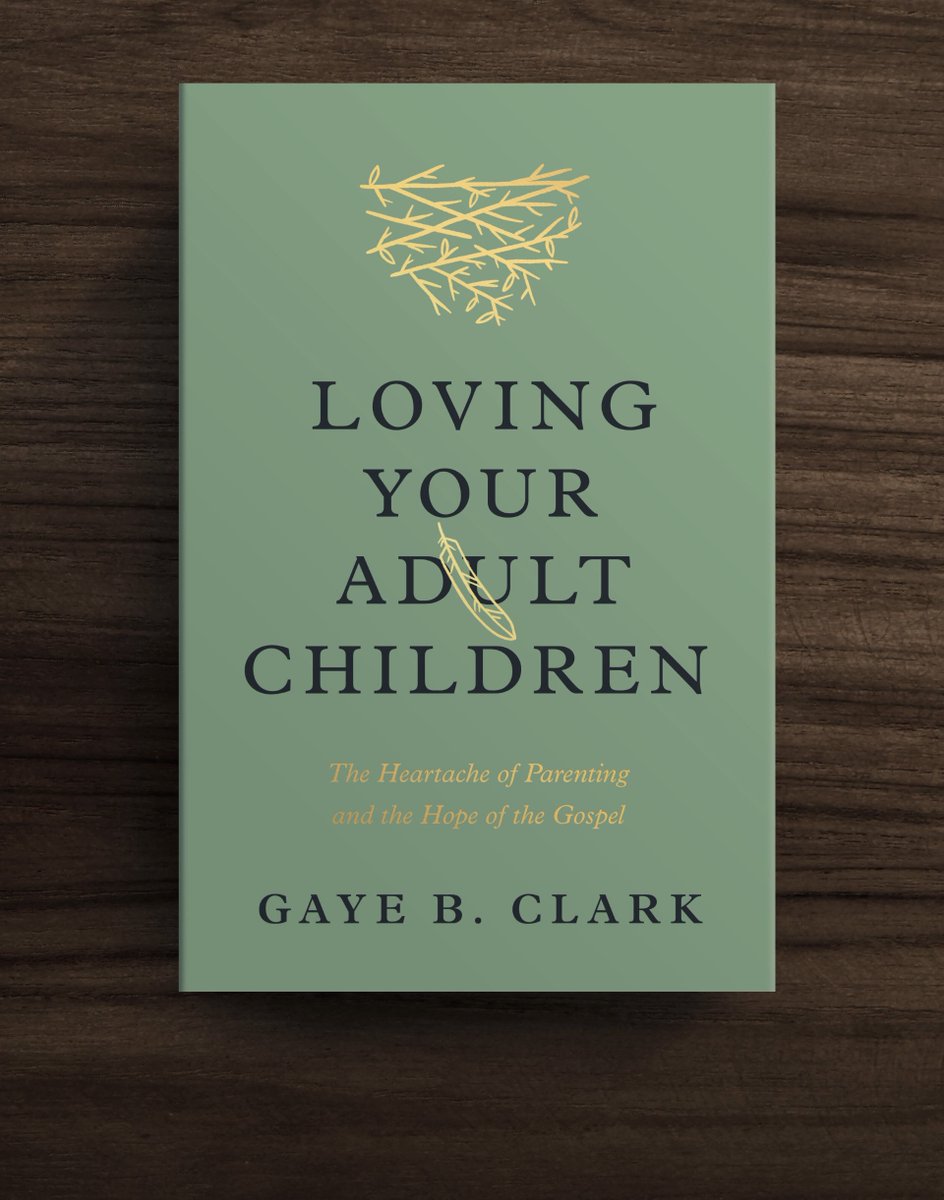
This book is less about what to do as a parent, and more about who you are as a parent. If you know or love a parent of a child of any age, this book is for you.
This is Corion Evans.
While he was driving in Mississippi, he saw a car swerve and crash into a river. Without hesitating, he ran out, jumped into the water, and rescued three girls inside.
He was 16 at the time.
The driver of the vehicle stated she was following her GPS and did not realize she was going into the water.
Corion Evans said he immediately ran over, took off his shoes and shirt and went into the water when he saw the car sinking and heard the three occupants shouting for help.
When Police Officer Gary Mercer responded to the scene, he attempted to bring one person to shore who began panicking and caused him to struggle under water.
Evans then helped rescue the officer, too.
Officials presented Evans with a certificate of commendation for his heroism in rescuing the four people. They also recognized Mercer for his "bravery in the rescue."
“It's not often enough that you see people put others above themselves."
@TeresaCollages TeresaCollages, I’m so sorry to read of your loss. You ask how you get through? One day at a time, with honest tears and prayers you pray out loud because it’s hard to think right now. I’m praying the Lord will draw near to you as he did to me.