In response to Johnson et al. (2025), I argue that any attempt to justify a public health policy is void if the underlying intervention has not been shown, beyond reasonable doubt, to be effective, necessary, proportionate, and safe.
New publication - a comment titled “Ethical justification of coercive public health policies must be premised upon their safety and efficacy” in @SpringerEthics Monash Bioethics Review, https://t.co/77zb0ZpWmb
Conway's Game of Life in ArcGIS Pro ModelBuilder. I found this surprisingly difficult to build, incl. issue with layer file overwrites, variables/parameters, and the feedback loop. Next on the menu for GEO441 GIScience students @TMUGeo is a wildfire model using cellular automata.
@DonationDude Hi there, just wanted to point out that we have now also written about the reprehensible "no jab, no job" policies, https://t.co/kBsIZQKSKd
Just published @IJERPH_MDPI : “Scope and Spatio-Temporal Patterns of Workplace Vaccination Mandates During the COVID-19 Pandemic”, https://t.co/kBsIZQKSKd. Yet another incoherent government response policy that lacked justification and was harmful rather than effective.
Just published @COVIDMDPI : "The Class Gap in Pandemic Attitudes and Experiences", https://t.co/F2Z02zfrE6. An exploration and interpretation of crosstab data from the COVID-19 Trends & Impact Survey (CTIS) by education level and time.
Learning by teaching: For final lab demo in @TMUGeo GIS & Decision Support course, I willed @tableaupublic into displaying my data on a (Mollweide-)projected world map following 8-year old instructions by @mapsOverlord, https://t.co/7SCu4bLvOO; maps at https://t.co/7UJ2u81tso
@denisrancourt To several other comments: Different rules in subnational jurisdictions (e.g. Victoria in AUS, Quebec in CAN) should be captured in the OxCGRT data (strictest policies represented, with an adjustment) and thus in our index (if differential), but gaps and errors are possible.
@denisrancourt It appears that China is saying that by locking down hard they were able to avoid vaccination mandates altogether, see this article, https://t.co/uXSunvo9vm (and check out my public review of it while you're there!)
Published today @IJERPH_MDPI: "A Global Index to Quantify Discrimination Resulting from COVID-19 Pandemic Response Policies", https://t.co/pE26b7s3RT (open access)
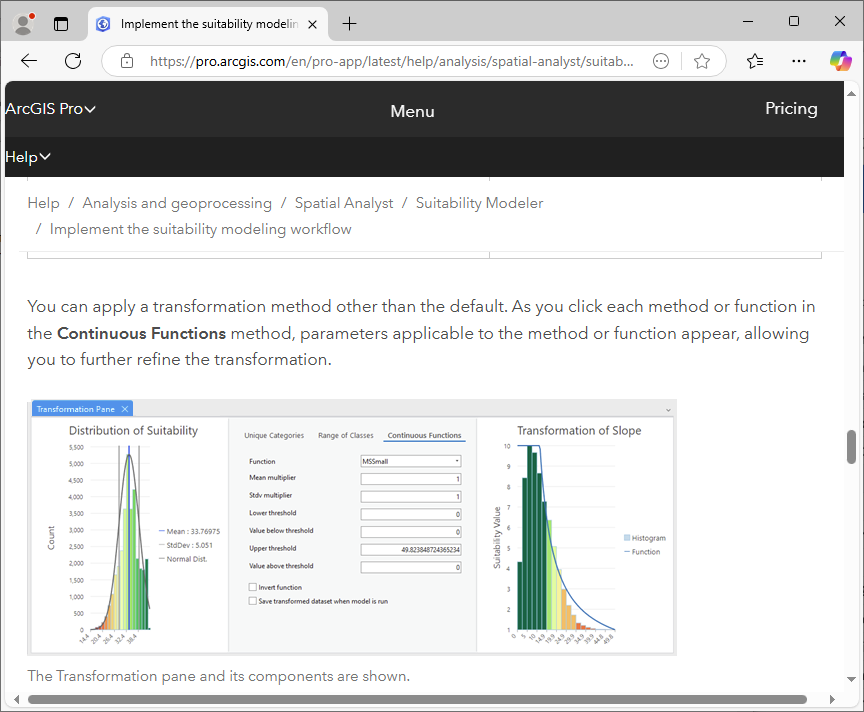
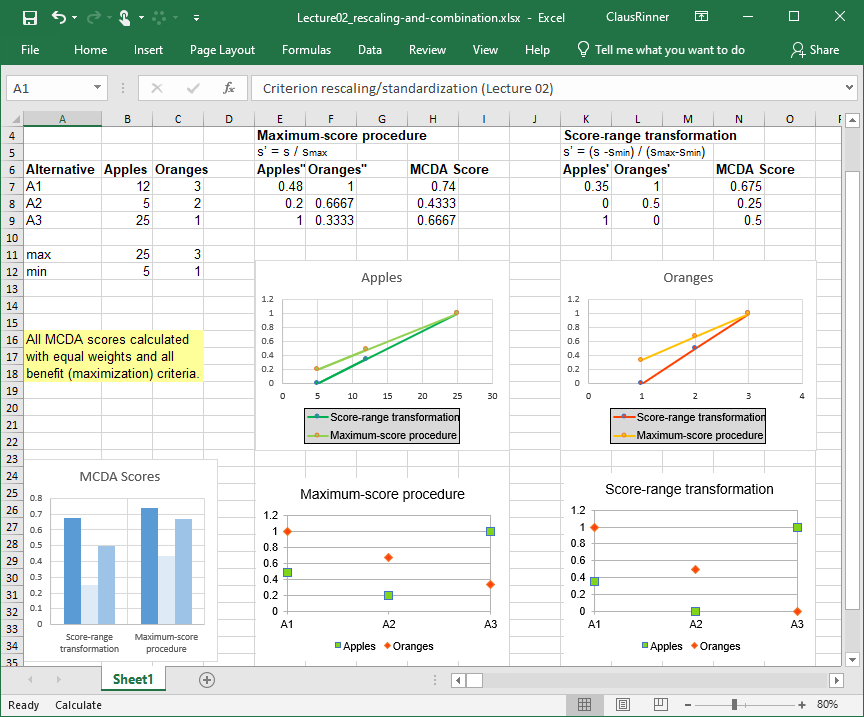
Happy #LoveDataWeek! In @ChooseTMU's GEO641 "GIS and Decision Support" this term we watched @thenfb's 1968 "Data for Decision", made apples & oranges comparable, used @Esri's Suitability Modeler, and had guests speak about geospatial data in waste mgmt and univ planning #careers!
First written in Dec 2020, cancelled by a "critical geographies" journal, published Jan 2023, now #2 most cited in the respected Geografiska Annaler B -- "The academic left, human geography, and the rise of authoritarianism during the COVID-19 pandemic", https://t.co/orzwjdaDnr
@Raine446655 It’s hard to choose from all things that went wrong. I blogged about campus policies in June 2021, https://t.co/jJBQszbBZS, later helped “non-compliant” students until I almost lost my job. Focusing on academic writing now, e.g. https://t.co/Nu7eYQ1nss. More active @ClausR2020
Happy Intl. Open Access Week #OAWeek24!
The open-access @URISA Journal's final issue, https://t.co/MztYWfEcHB, includes Baculi et al. (2017), in which we indirectly confirmed the widely held estimate that 80% of all #data are #geospatial. Citations welcome!
#GIS#GIScience