The Clear Choices, Clean Water Program increases awareness about the choices everyone makes and the impacts those choices have on local streams and lakes #CCCW
🚨 Important Update: Our organization has chosen to step away from Twitter/X, so this account will be monitored less frequently. We invite you to stay connected with us on Facebook, Instagram, LinkedIn, and Threads! Thank you for your support! 📷🌟
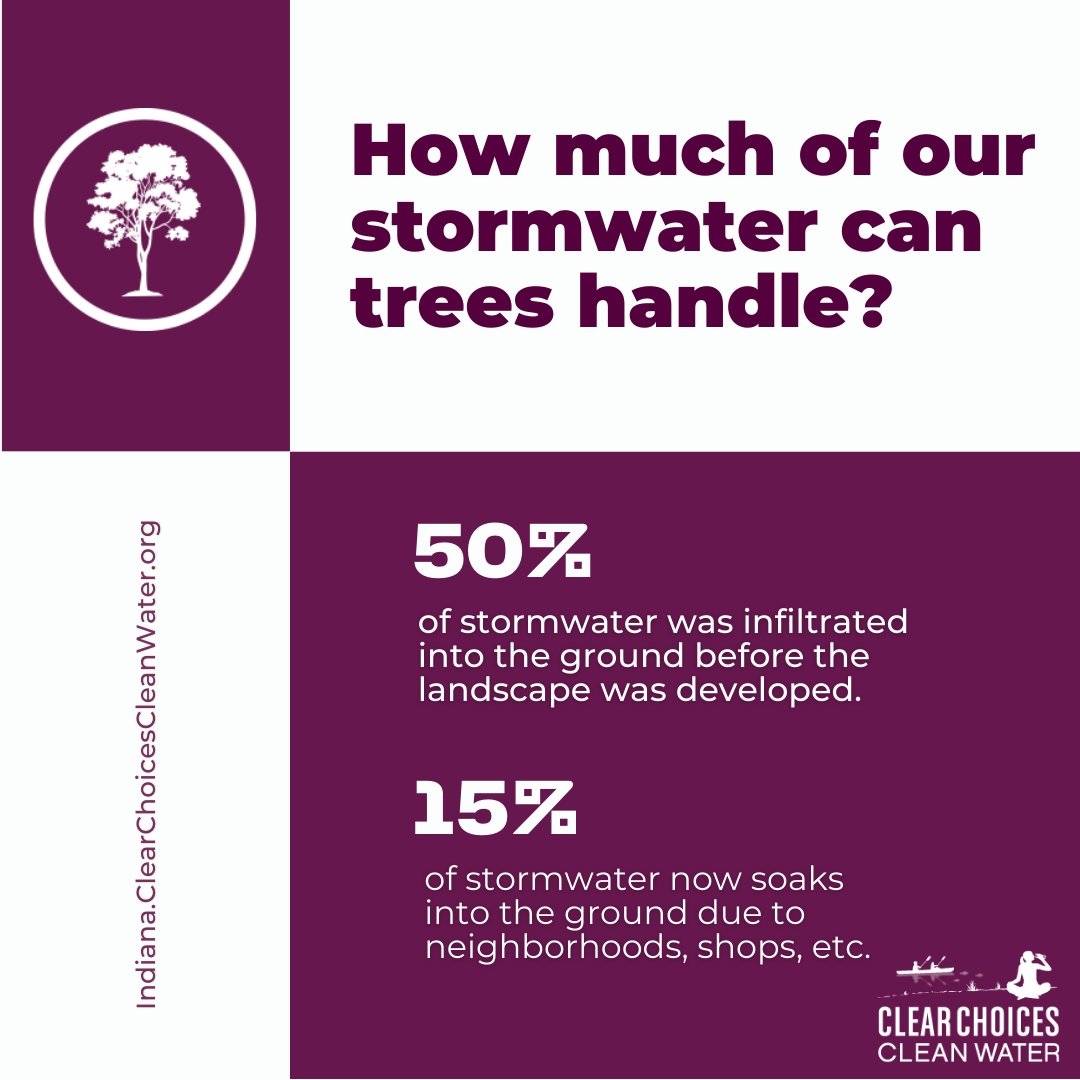
Trees are great at intercepting stormwater!
Did you know that tree roots and root decomposition increase the capacity for soil to soak up rainwater. This reduces how much stormwater runs off.
Take the pledge to plant a tree or shrub at https://t.co/1nhHZUkuOl.
The message is clear: more trees, leaves, and roots equals less runoff (and more well water)! Thank you for following along this month! Don't forget to visit https://t.co/zOcA7LQkAc and take the pledge to plant a tree or a shrub!
Leaves and bark hold onto a great deal of stormwater, slowly releasing it into the air through evaporation or allowing it to descend to the ground and into the tree’s root zone. Take the pledge to plant a tree or shrub at https://t.co/zOcA7LQkAc
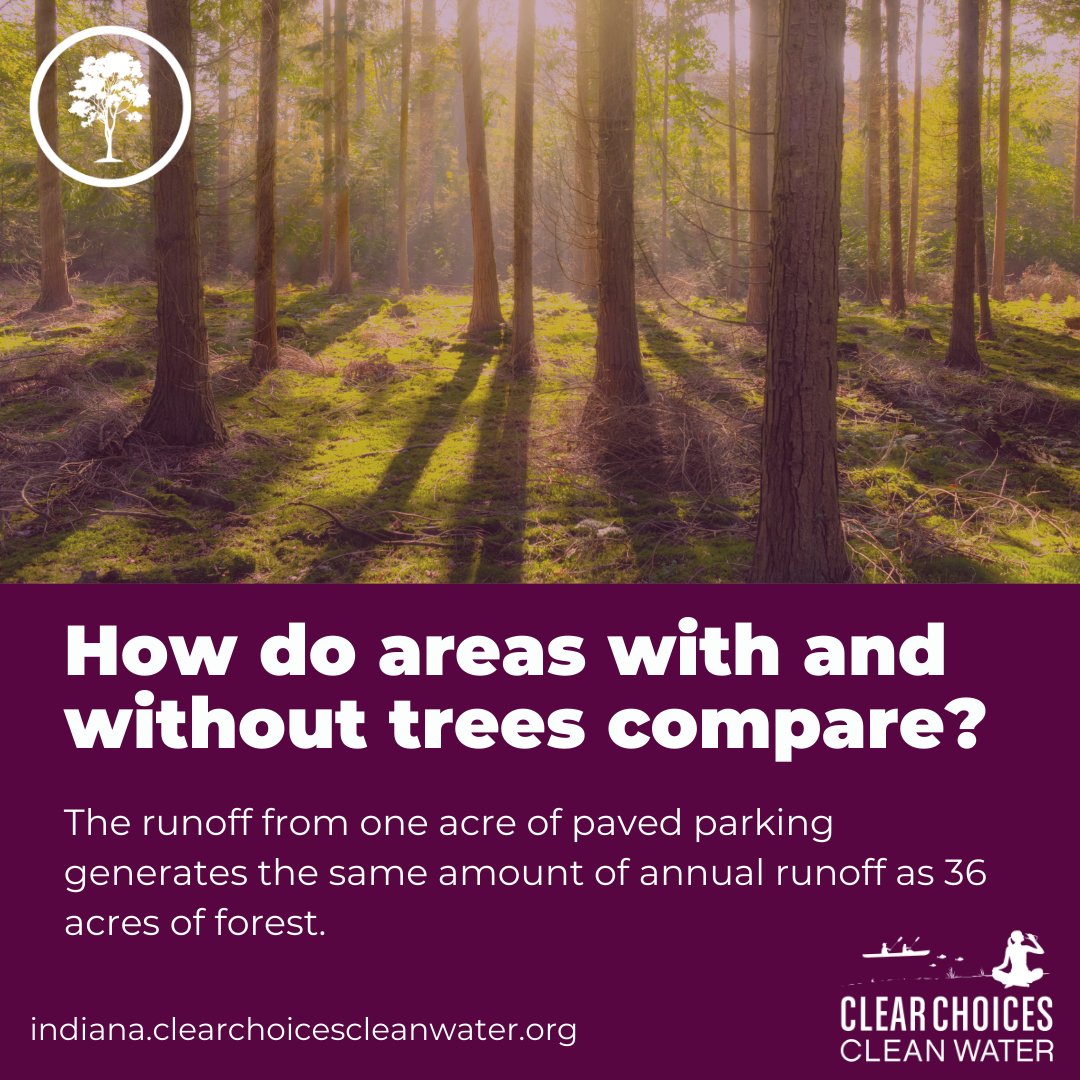
One inch of rainfall on a one-acre parking lot produces 27,000 gallons of stormwater. (Water Quality Information Center, USDA, 2008) One study showed that a 40-yr Japanese zelkova tree can intercept 85% of rainfall in an average storm(Xiao, 2016).
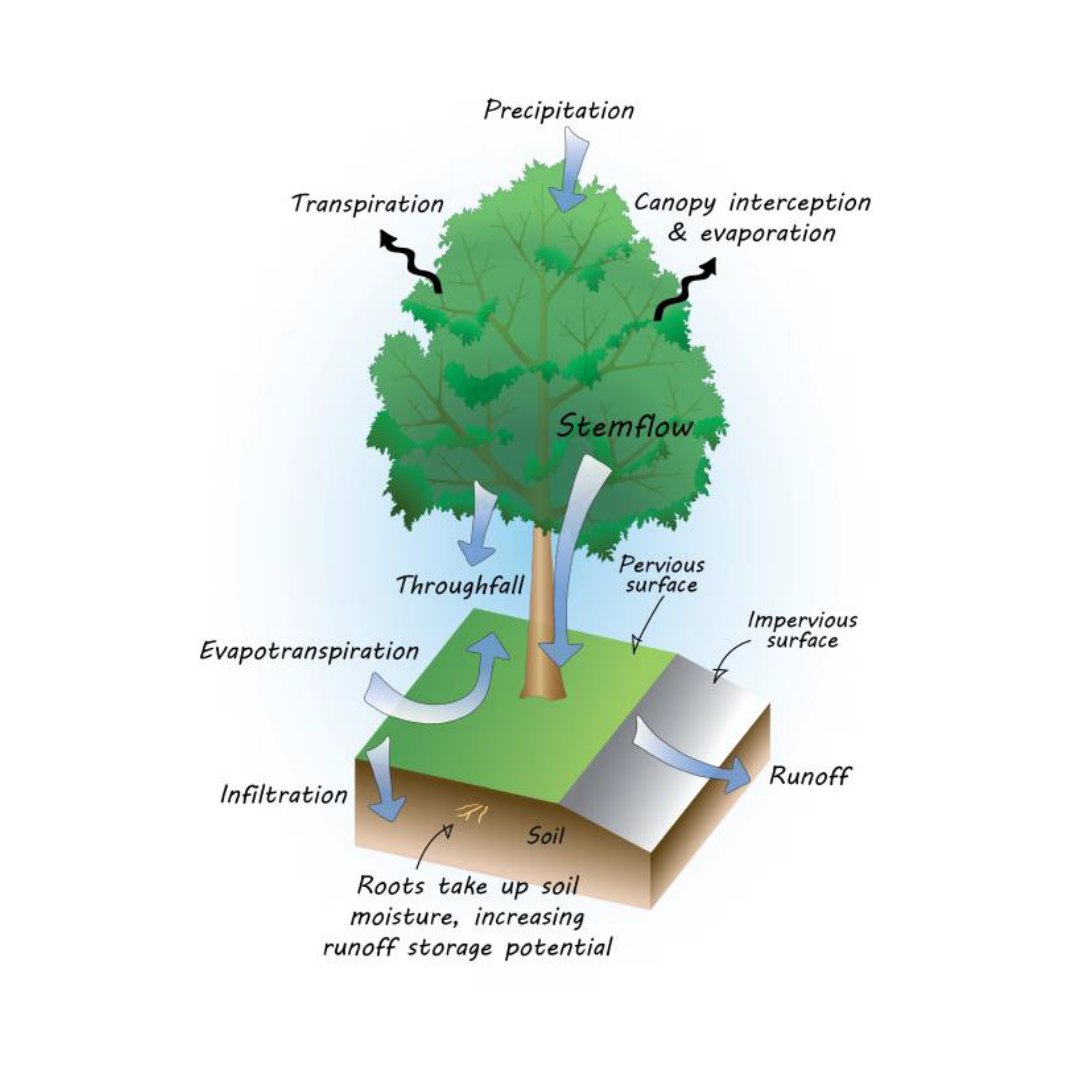
Transpiration occurs when a tree pulls water from the soil and releases it as a vapor during photosynthesis. Evapotranspiration occurs when water intercepted by a tree’s limbs and leaves becomes vapor. The second image illustrates how water cycles through a tree.
More trees, leaves, and roots mean less stormwater runoff! They play a huge role in how clean our waterways are, and the cleaner the water is, the more we can recreate in and enjoy them. Take the pledge to plant a tree or shrub at https://t.co/zOcA7LQkAc
You may be surprised by how much of an impact trees have on our water supply. This month, we will be covering the ways water and trees interact, as well as how you can get involved with a few simple shifts in your daily life.
@GalavitzRowena Apologies for any delay. The person who manages these accounts was out of the office. We are sending you a DM to learn more! Thank you for letting us know.
Happy National Water Quality Month! Founded in 2005 by the EPA, and backed by the United Nations, this month aims to encourage conversation about how we can protect the small amount of fresh water we have.
There are lots of ways to celebrate! Visit @clearchoices to learn more.
Regularly check your toilet, faucets, and pipes for leaks. A good way to do this is to check your water meter before and after a two-hour period when no water is being used. If the meter changes at all, you probably have a leak somewhere. https://t.co/xk1hHZFc4C
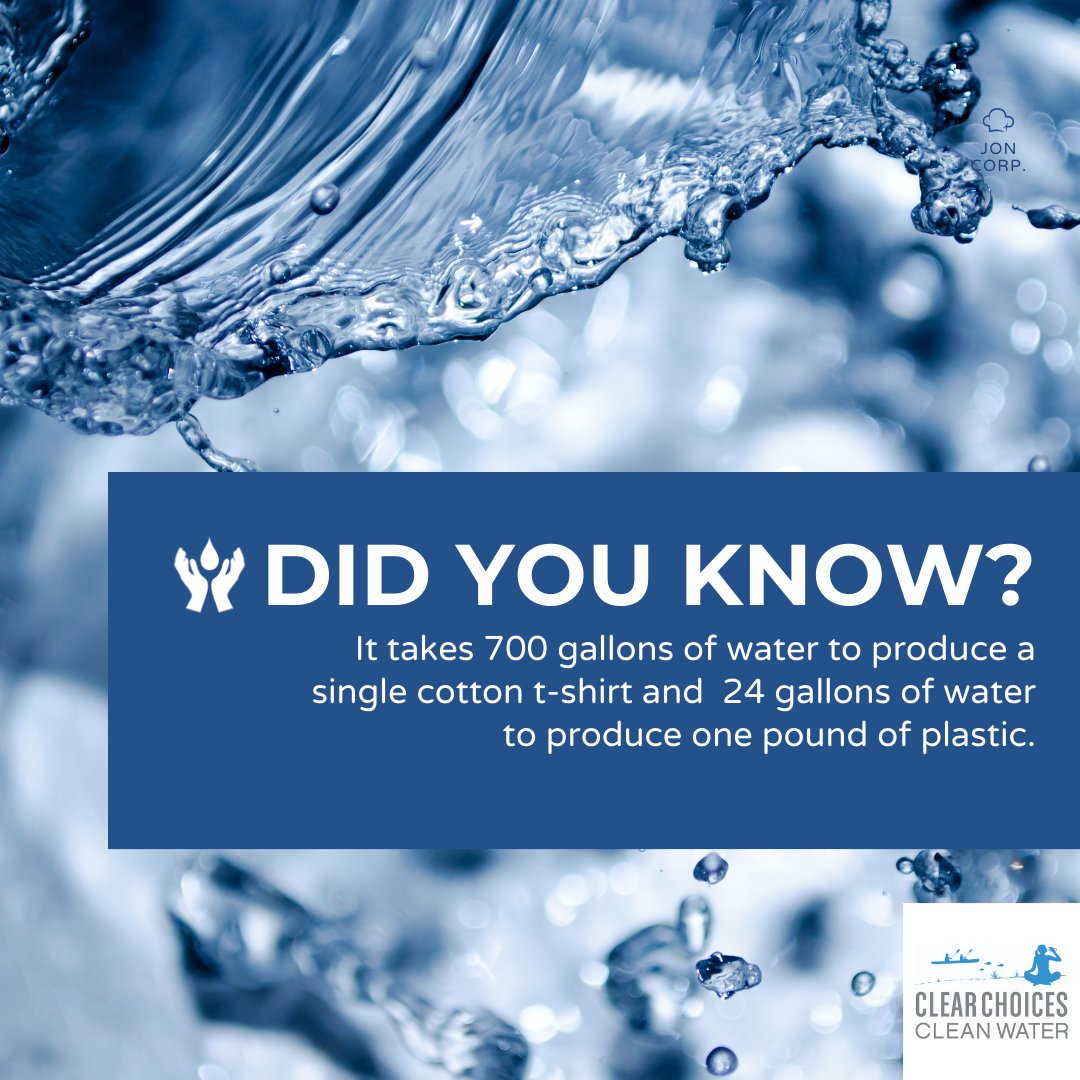
Our indirect use is the water that is used to produce the goods and services we consume. Everything we buy or eat has a water cost. By reducing our consumption, we can save water everywhere things are manufactured. https://t.co/GkrEIINBq3
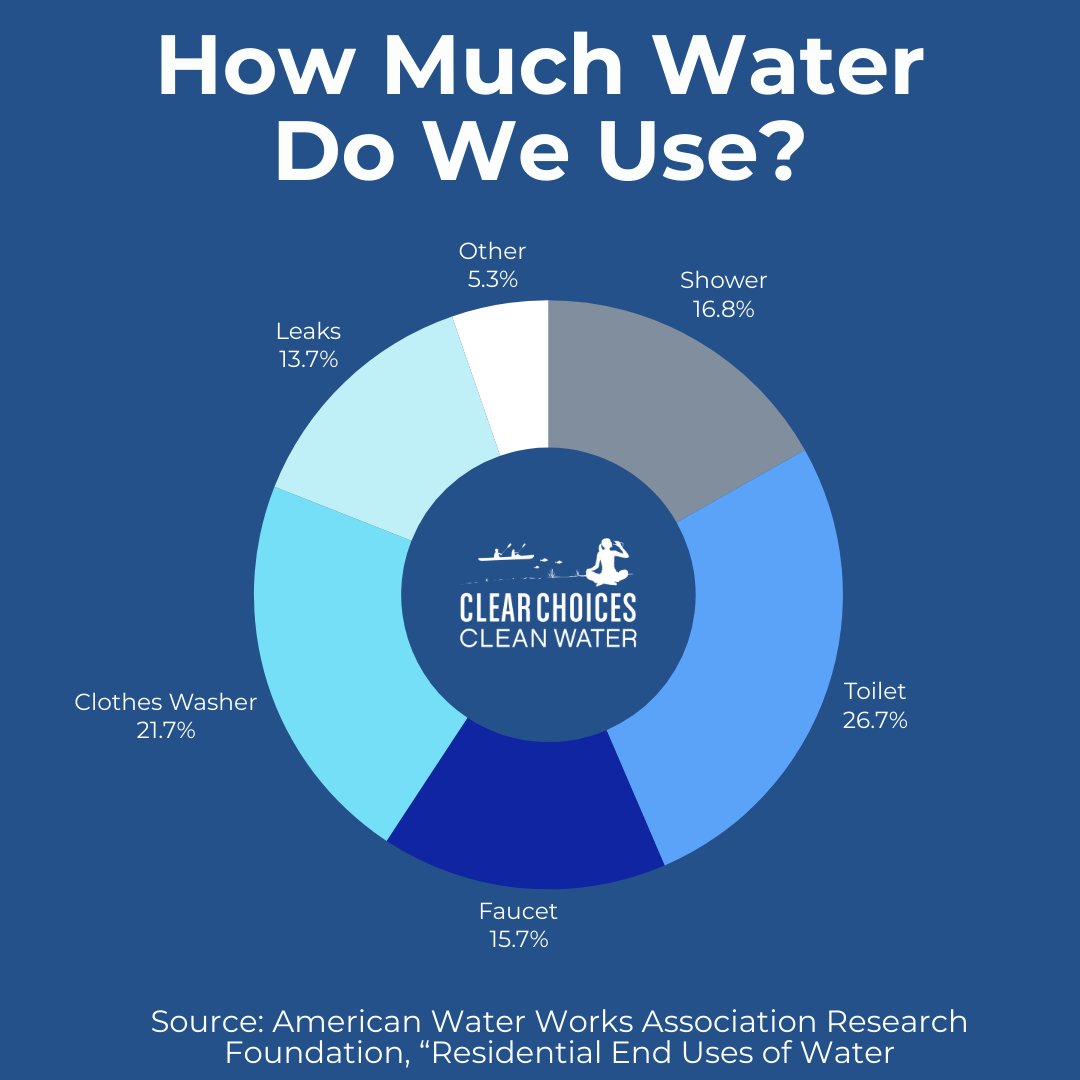
Our direct water use is what we drink, bathe in, and use from our sinks and faucets to wash our vegetables and our clothes and to water our plants and lawns. This chart shows our direct water use at home. The other kind of water use is indirect use, which we will cover next.
According to the @epa, just by turning off the tap while you brush your teeth in the morning and before bedtime, you can save up to 8 gallons of water! That adds up to more than 200 gallons a month, enough to fill a huge fish tank! https://t.co/BRMSilL2Ts
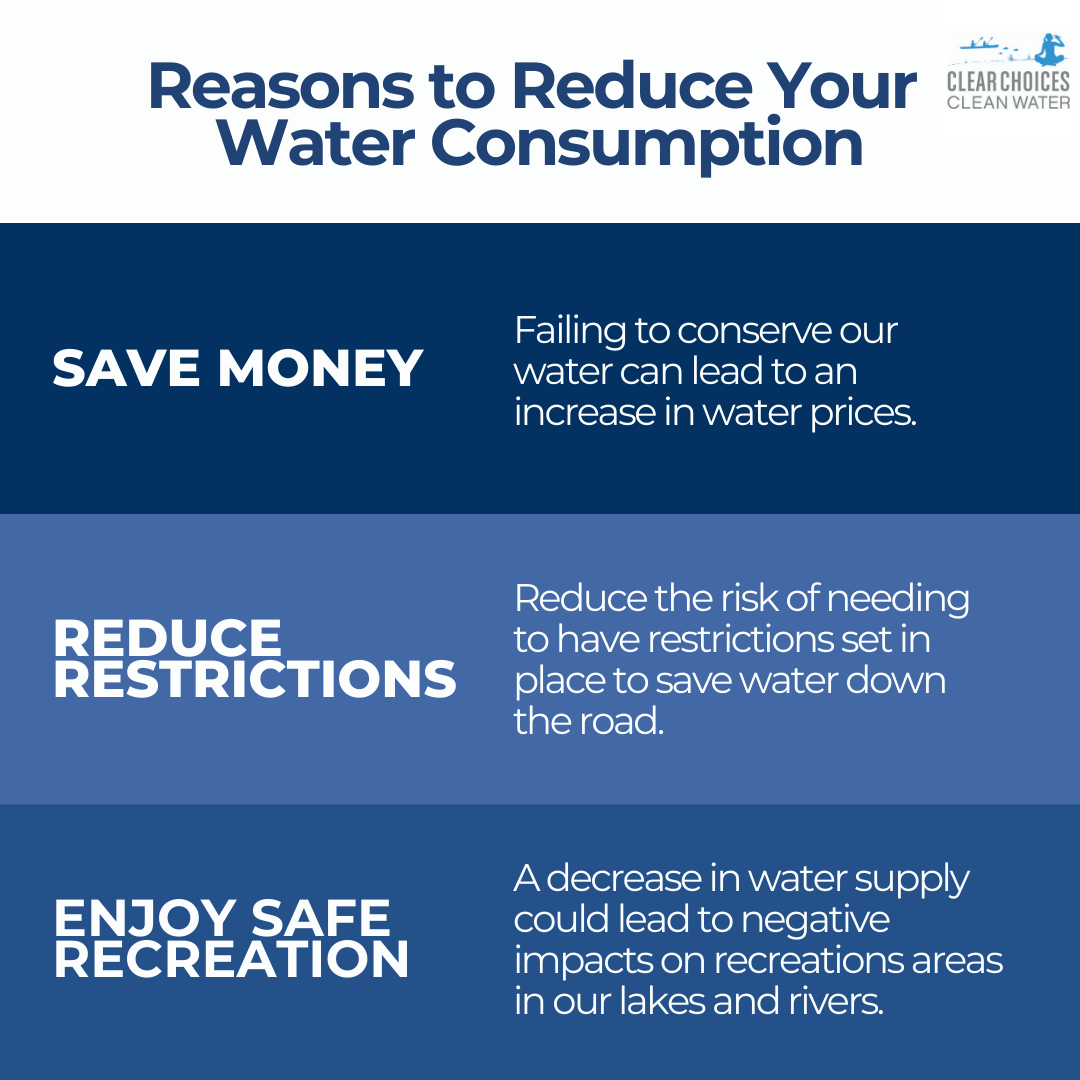
Failure to protect and conserve our water resources can potentially lead to a variety of negative impacts on all of us. Visit https://t.co/BRMSilL2Ts to take the pledge.
Water conservation is the practice of using water efficiently to reduce unnecessary water usage, protecting this limited and costly resource. Follow along this month or visit https://t.co/GkrEIINBq3 to learn more.
To deter geese gathering in large numbers near our waterways, install a buffer of native plants along the shoreline. Geese prefer grazing on lush, green turf grasses.
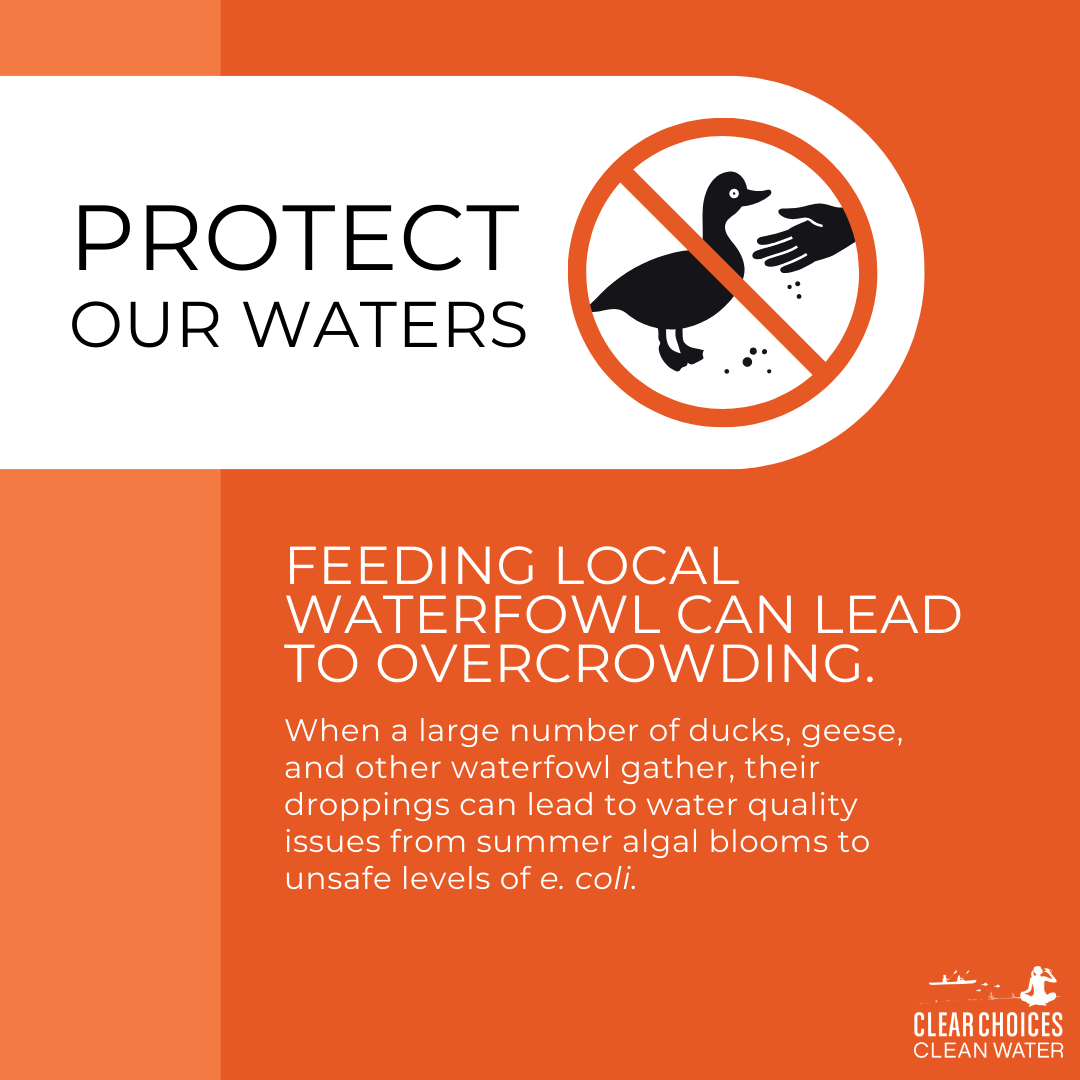
One of the main reasons to not feed ducks and geese is because their waste has a negative impact on the water quality of our waterways and is dangerous for the health of humans and their pets who live and recreate nearby.
🌱 Protect native plants and wildlife! The overpopulation of waterfowl poses a threat to our ecosystems and can lead to overgrazing of your lawns. Take action and pledge today to do what you can to reduce their impact on our environment.
🦆🚫 Don’t feed ducks and geese! Doing so can harm our waterways. Their waste contributes to dangerous bacteria in our waters and algal blooms. Take the pledge to stop feeding waterfowl today.