Our Ob/Gyn shares safe ways to address groin and vaginal odor at home — and when it’s time to bring your concerns to a healthcare provider. https://t.co/DI8x3WFQJ1
Losing weight or maintaining your weight can be harder during perimenopause, but that doesn’t mean it’s entirely out of your hands. These strategies can help you manage your weight. https://t.co/2Mmboryafv
October is Breast Cancer Awareness Month. 💗
Triple-negative breast cancer (TNBC) is one of the most aggressive forms of breast cancer, and patients urgently need better treatment options.
Thanks to support from VeloSano, researcher Ruth Keri, PhD is exploring a new target for breast cancer therapies that help stop tumor growth and improve outcomes for patients of all backgrounds with TNBC. 🔬
Innovation starts with research. Hope starts with discovery.
Learn more: https://t.co/ulkqXbTg7N
Fibromyalgia trigger points and tender points are largely interchangeable terms used to describe exact spots on your body that physicians once understood to be associated with fibromyalgia. https://t.co/kta1jOfg6S
After being diagnosed with breast cancer, you’re probably feeling scared and more than a little bit overwhelmed. But don’t be afraid to ask questions about your diagnosis and treatment options.
Both are stimulants that increase certain brain chemicals to improve attention and focus. But while the two medications achieve similar results, they work in slightly different ways to get there. https://t.co/x1hlQ77eVE
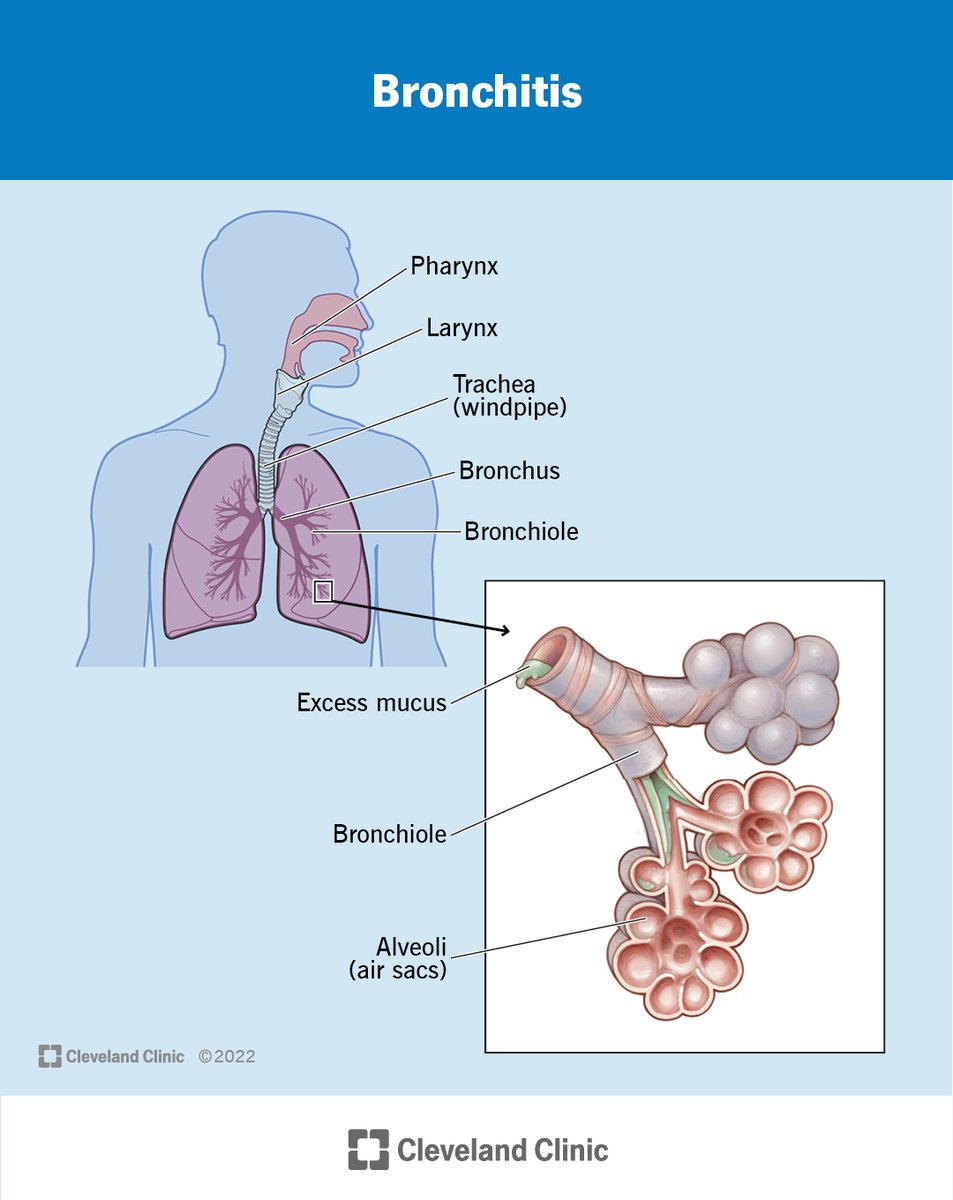
Bronchitis is when the airways leading to your lungs (trachea and bronchi) get inflamed and fill with mucus. You get a nagging cough as your body tries to get rid of the mucus. Your cough can last two or more weeks. Acute bronchitis is usually caused by a virus and goes away on its own. Chronic bronchitis never really goes away but can be managed.
Acute bronchitis is usually not treated with medications. If you have the flu and your symptoms started within the past two days, your provider may prescribe antivirals to help it go away faster.
Since bronchitis is almost never caused by bacteria, antibiotics won’t help you get better and might even make you feel worse. You can manage the symptoms of bronchitis at home with over-the-counter medicines and rest. Running a humidifier or taking warm showers can help loosen mucus and make breathing easier.
It’s tough to know whether you have bronchitis or something more serious. See your healthcare provider if you have:
A cough that lasts more than three weeks.
A fever greater than 102° F.
A fever that lasts more than five days.
A cough that produces blood.
Shortness of breath or wheezing.
This South Pacific plant is often promoted for stress relief and relaxation, but there are a few things you should know before trying it. https://t.co/peVo0vOBOA
More hours. More options for care from home.
Need care for a common health concern? Connect virtually with a Cleveland Clinic provider.
Learn more at https://t.co/w4ZO4TrJBN
Our intensive care unit pharmacist explains the difference between delirium and dementia and how knowing the difference can help you get the right care at the right time. https://t.co/EOXhaQtBli
ADHD doesn’t look the same in every child – and symptoms are often vastly different between boys and girls. In this podcast, pediatric developmental behavior specialist Dr. Carrie Cuffman breaks down the wide range of signs that may point to ADHD.
https://t.co/j8PEHPWcWM
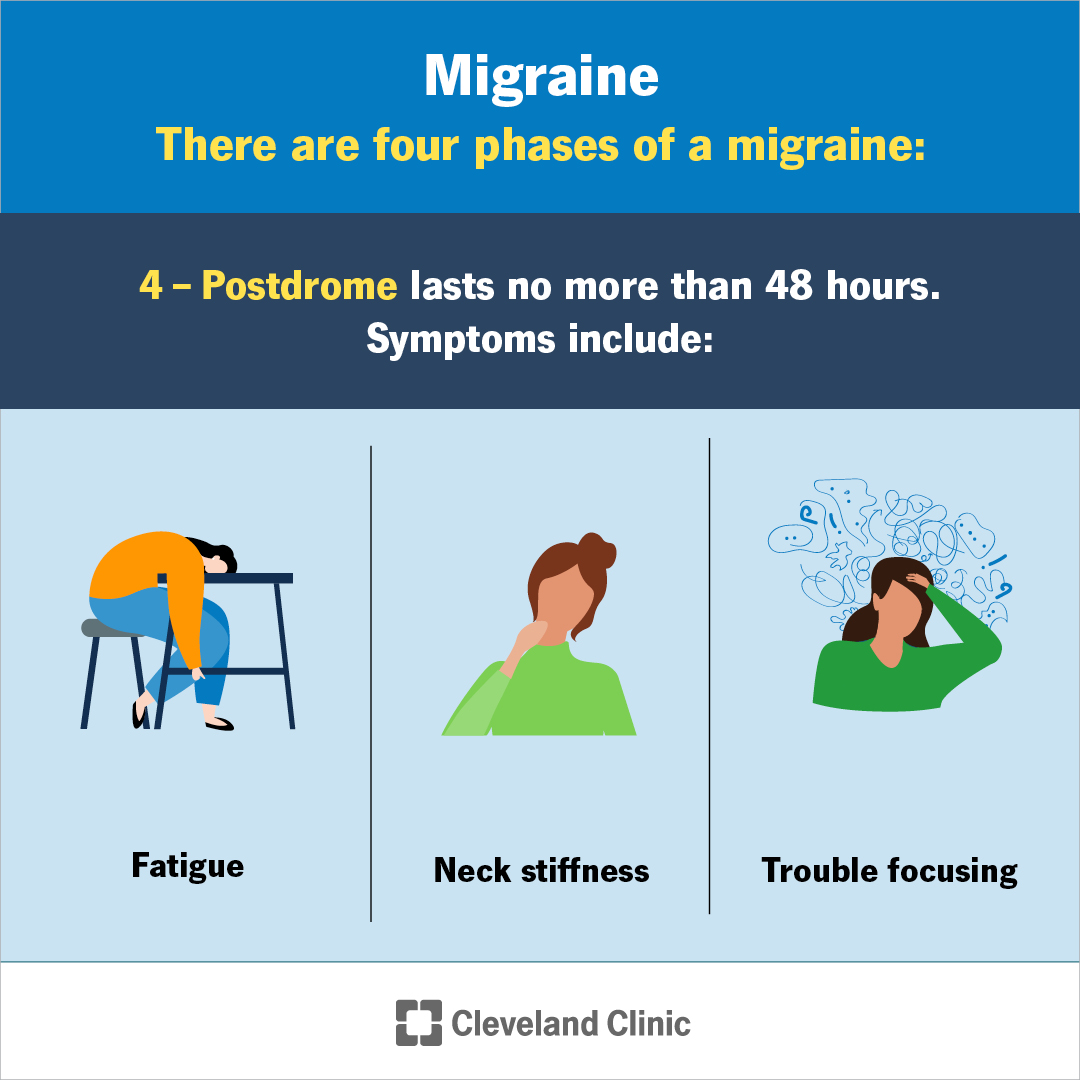
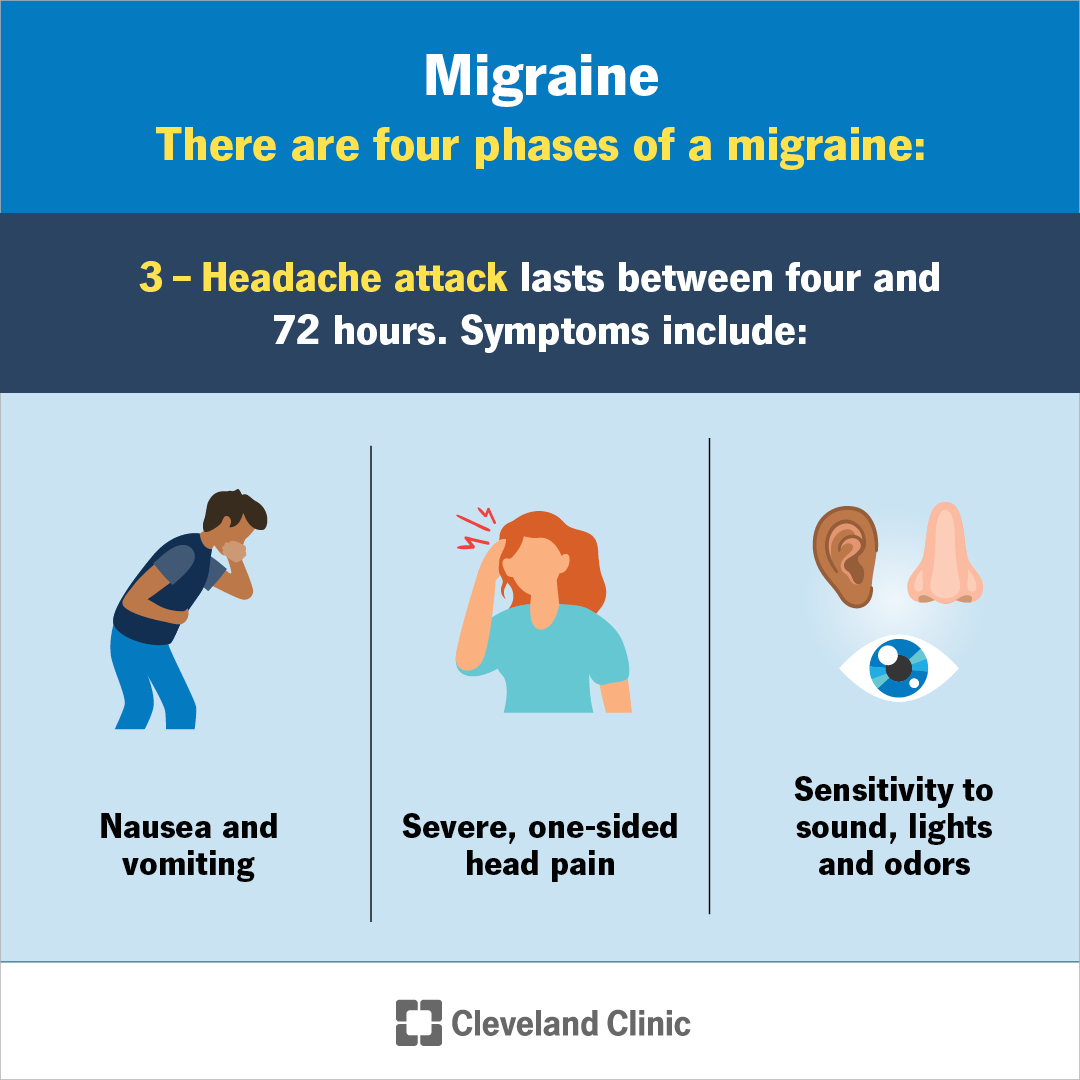
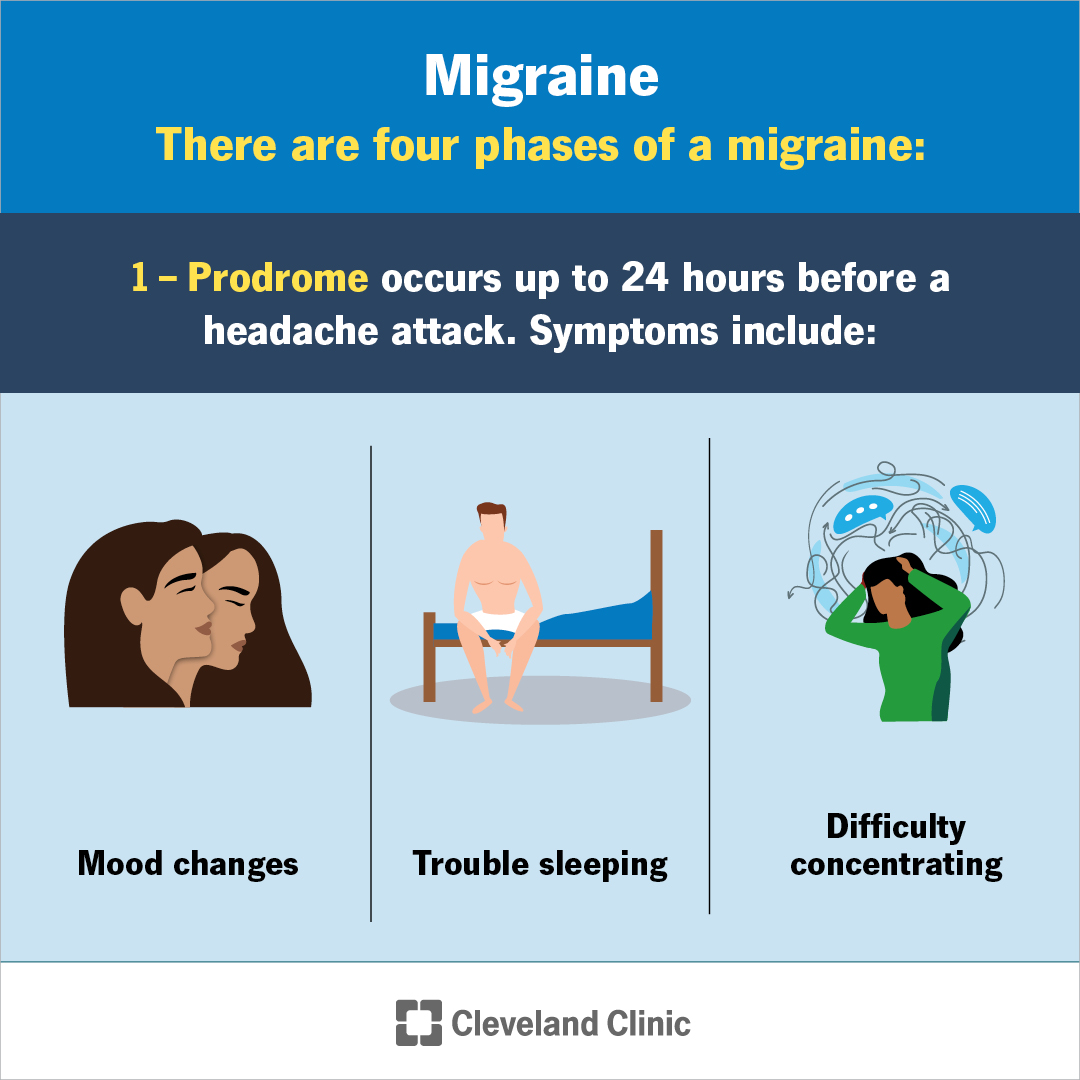
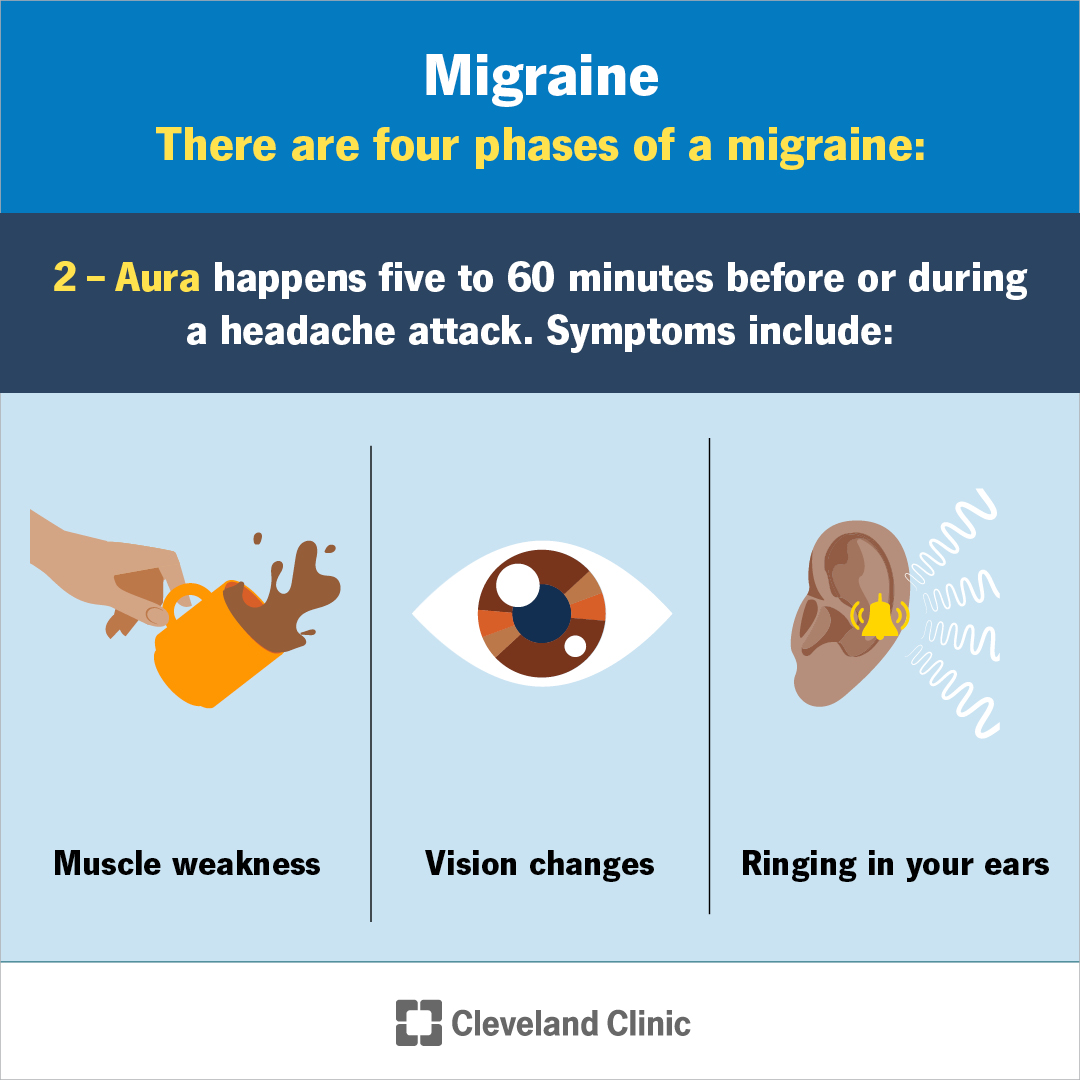
A migraine is much more than a bad headache. It can cause debilitating, throbbing, one-sided head pain that can leave you in bed for days. Movement, lights, sounds and other triggers may cause symptoms like fatigue, nausea, vision changes, irritability and more. A healthcare provider can help you manage symptoms so migraines don’t take over your life.
Alcohol consumption, in any amount, isn’t doing your heart any favors. In fact, it may even harm your heart. It creates just the right conditions for abnormal rhythms, especially AFib, to develop or get worse. https://t.co/SqSH6Cm13n