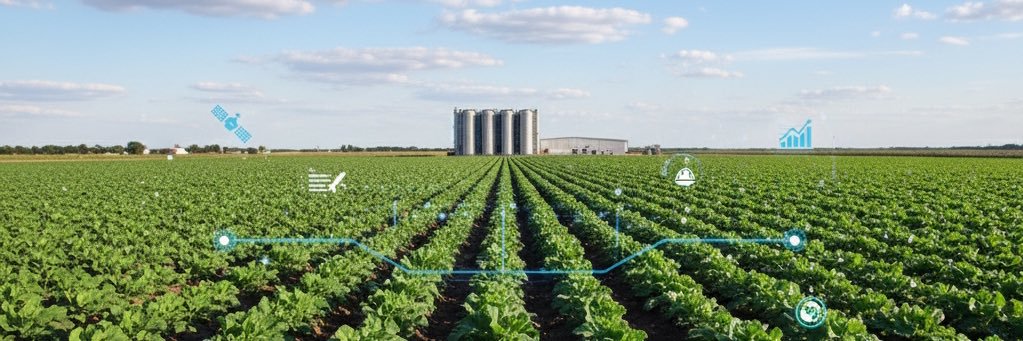
The brutal truth about Zimbabwean agriculture?
We’re not losing because of droughts.
We’re not losing because of expensive fertilizer.
We’re losing because we’re playing blind.
Let’s talk about what the sector is actually failing to do:
Delta HY26 results for the period endeed 30 September 2025 (US$)
Revenue was up 32% to $514.21m
Operating income rose by 54% to $99.61m
EBIDTA rose by 51% to $112.42m
PBT rose by 88% to $104.76m
Profit for the period rose by 82% to $75.06m
Declared a dividend of $0.02
Zimbabwe is another country altogether when it comes to doing business.
First, registering a company isn’t straightforward. You often have to pay agents up to $150 just to navigate the bureaucracy. But once you finally register, you then need a ZIMRA bank clearance letter to open a business bank account. That process is notorious for corruption — many people end up bribing ZIMRA officials just to get permission to pay taxes. Think about how absurd that is: you are literally bribing someone so you can be allowed to pay tax!
As if that isn’t enough, once you have your tax clearance, some banks will still block you. They “vet” you and refuse to open your account if they don’t understand where your startup funds come from. To them, it seems impossible for anyone to start a business with zero capital, to sell goods on commission, or to offer consulting services.
And even if you get through all that, bank charges are outrageous — up to 3.5% per transfer or cash withdrawal, eating away at any profit before you even grow.
Then there’s the problem of premises. Landlords want a three-month bank statement and surety. Think about that: they basically want to run a business with no risk, while you shoulder all of it.
These are exactly the reasons why so many Zimbabweans choose to operate informally. In fact, it is easier for a Zimbabwean without papers to open a business and a bank account in South Africa than in their own country. That is a devastating indictment of our system.
I don’t care who your driver is, or what you think about F1, but:
If after this season you don’t understand and acknowledge that cars win championships, not drivers, you’re unable to actually engage in authentic and grounded conversations about the sport.
It’s always been this way, and it always will be this way. In modern F1, a championship has never been won without the best (or equal best) car over a season, and likewise the championship has never been lost by a driver in one of the best cars. It’s come close a time or two, but it’s never actually happened. Does that not tell you all you need to know?
And in no way whatsoever does this belittle drivers or their accomplishments, they have to do the job of beating their teammate and rivals when they’re given the opportunity.
You must understand that F1 is an engineering competition with drivers, not the other way around. 🏆
Thanks for coming to my TED talk. 🤝
@tmukogo This feels like private equity logic in a fintech wrapper. The goal isn’t product or user scale it’s infrastructure consolidation. They’re not chasing market share but sector dominance. Or maybe it’s just scale through acquisition?
But that would only work if they weren’t all profiting from the rot.
Until we get real transparency, let’s do what governments can’t: innovate.
They weren’t built for it. It’s time for:
Open systems. Public ledgers. Radical accountability.
Tenders should be one of the most powerful tools for nation-building:
- Fuel SME growth
- Drive local innovation
- Create jobs
- Build trust in institutions
But in our system, they’ve become pipelines of elite theft.
If our government was truly interested in transparency…
We could move all public tenders to a decentralized procurement system:
- Every tender logged on blockchain
- Transparent vendor selection
- AI to flag price inflation & cartel behaviour
-Public audit trails in real time
Crops are the surface layer.
Infrastructure. Intelligence. Independence. That’s the stack.
From Earth to Enterprise.
🌐 https://t.co/9m07ffuMBD
#VerdantIQ#ZimAgTech#DigitalAfrica
The brutal truth about Zimbabwean agriculture?
We’re not losing because of droughts.
We’re not losing because of expensive fertilizer.
We’re losing because we’re playing blind.
Let’s talk about what the sector is actually failing to do:
So what are we doing at Zyterra?
We’re trying to rewire the entire system.
-Real-time intelligence from the soil up
-Data pipelines that don’t just serve us; they serve the sector
-AI agronomists that don’t sleep
-Publicly available datasets that remove the gatekeepers