New Lancet data on GLP-1 agonists 👇
A new paper in The Lancet eClinicalMedicine shows that when GLP-1 therapy is stopped, most people regain the lost weight and lose metabolic benefits. In practice, this means GLP-1s function as chronic, often lifelong therapy not a temporary fix.
To be clear, GLP-1 agonists are improving the health of many people, especially patients with obesity, type 2 diabetes and high cardiometabolic risk. For these individuals, weight loss can be genuinely life-changing.
The concern is not appropriate medical use but indiscriminate use. With millions already taking these drugs and numbers rising rapidly (specially with the new pill format), many users are not patients in the classical sense, but generally healthy or mildly overweight individuals. In this context, the risk–benefit balance changes. Once started, most users will need to stay on GLP-1s indefinitely or face significant rebound effects, often returning to baseline or worse.
As an important caveat: GLP-1s improve metabolic control, but they do not rebuild metabolic capacity. Without resistance training, meaningful metabolic work (Zone 2 and above), and adequate protein intake, long-term use may promote lean mass loss, low energy flux and increased frailty risk with aging.
In addition, we still lack long-term data on potential pancreatic, thyroid, and central neurotransmitter effects.
GLP-1s are powerful tools, but not a standalone solution. Long-term success requires pairing pharmacology with training and metabolic resilience.
IMHO: based on current clinical and research evidence, it is now urgent that clinicians clearly inform users that starting GLP-1 therapy likely means committing to long-term or lifelong use, with all the consequences that may entail.
https://t.co/uMTQKs13wH
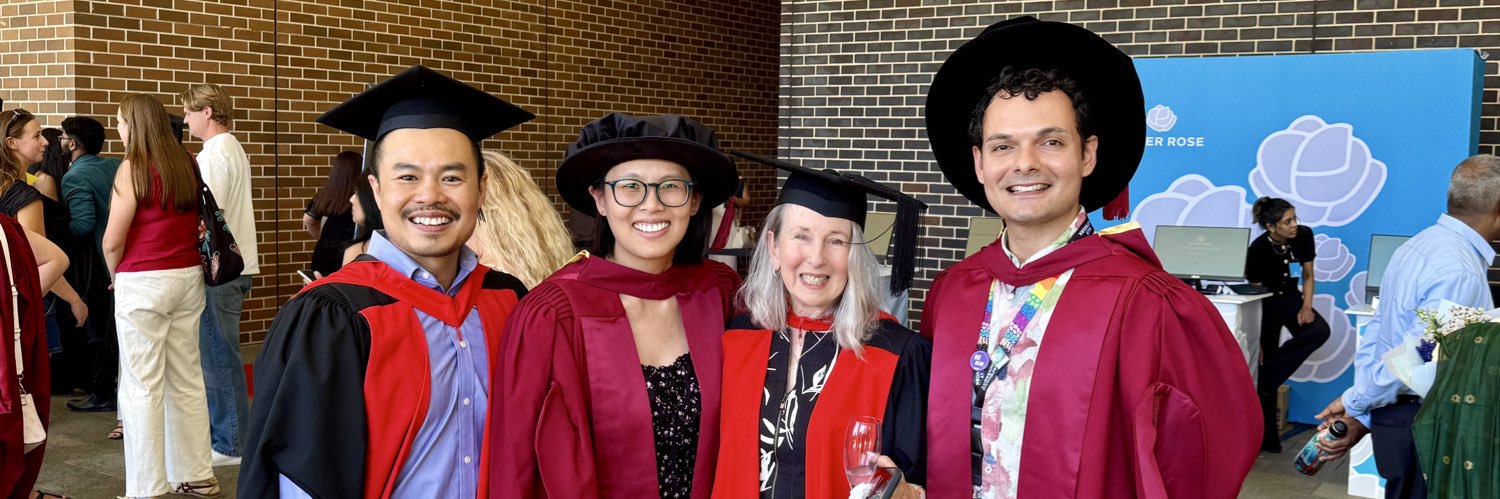
@evpappas@RMIT Congratulations on the new role @evpappas! Exciting times, looking forward to your work in medtech space, and no doubt you’ll be a phenomenal asset at RMIT
Well done Raewyn Campbell for getting this Herculean #systematicreview completed, which I hope will be the beginning of some much needed change for #surgeonhealth and wellbeing.
@evpappas@zadro_josh @martinmackey @AndrewGam GabrielOsie RichardDouglas LuHuiPng
Endoscopic and skull based surgeons have a 82% 12-month work-related musculoskeletal disorder prevalence. Cervical, thoracic, and lumbar spines were most commonly involved areas. Posture was found to be a significant risk factor for WRMDs in this cohort. https://t.co/AsxxJ66p9R
@AnninaBSchmid@La_Vavva@NeuPsig@IASPpain Your presentation was brilliant. I enjoyed the journey you took us on and insights that neuropathic pain involvement can be beyond traditionally accepted “neuropathic” conditions. I will be sharing your video with my students immediately! Thank you and to your team’s great work
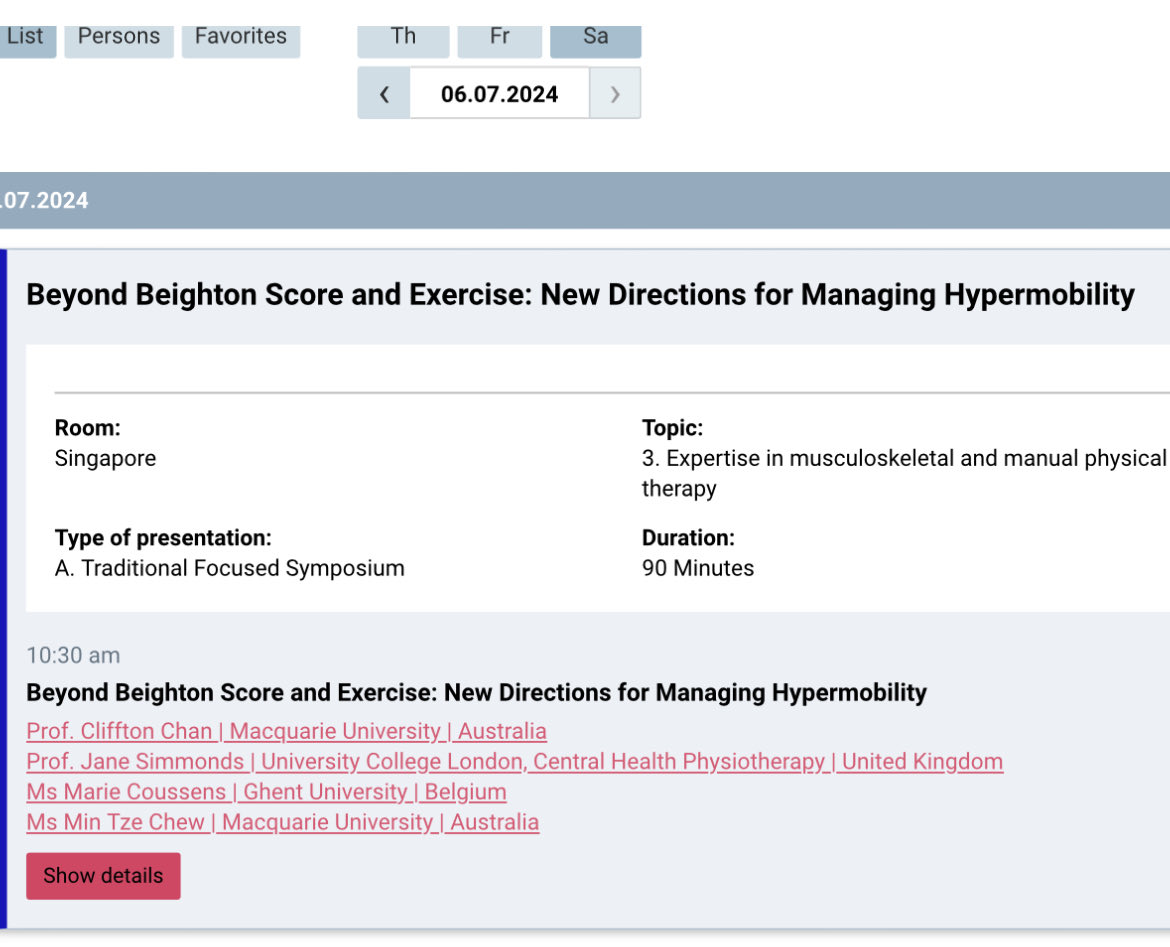
@jvsimmonds01@IFOMPT Very excited to be presenting with you @jvsimmonds01. Looking forward to some vigorous and fruitful discussions with everyone too!
What a huge and important learning journey our team of researchers @Macquarie_Uni and collaborators have finished developing a foundational online pain program for people who experience #EDS#hypermobility. Thank you @Ehlersdanlos and your followers & everyone who supported us
Find out more about this important hypermobility research for 13-18 year olds with symptomatic hypermobility. Contact [email protected] https://t.co/4R20KFKAxL