It's time to turn climate awareness 🌍🔥into actionable change. Don't just talk about climate change, be the change. Follow us for practical solutions #ActNow ⏰
Our actions, or lack thereof, will shape the future. Every action counts in the fight against climate change, and our actions matter now more than ever. Follow @climatergency for awareness, practical strategies, and inspiration. #ActNow
🇮🇩🚨 Major flash flooding has hit Didingga Village in Gorontalo, Indonesia after intense rainfall caused rivers to rapidly overflow into residential areas.
The ground was already saturated, making the flooding worse and increasing the risk of sudden flash floods. Authorities warn conditions remain unstable with more heavy rain possible.
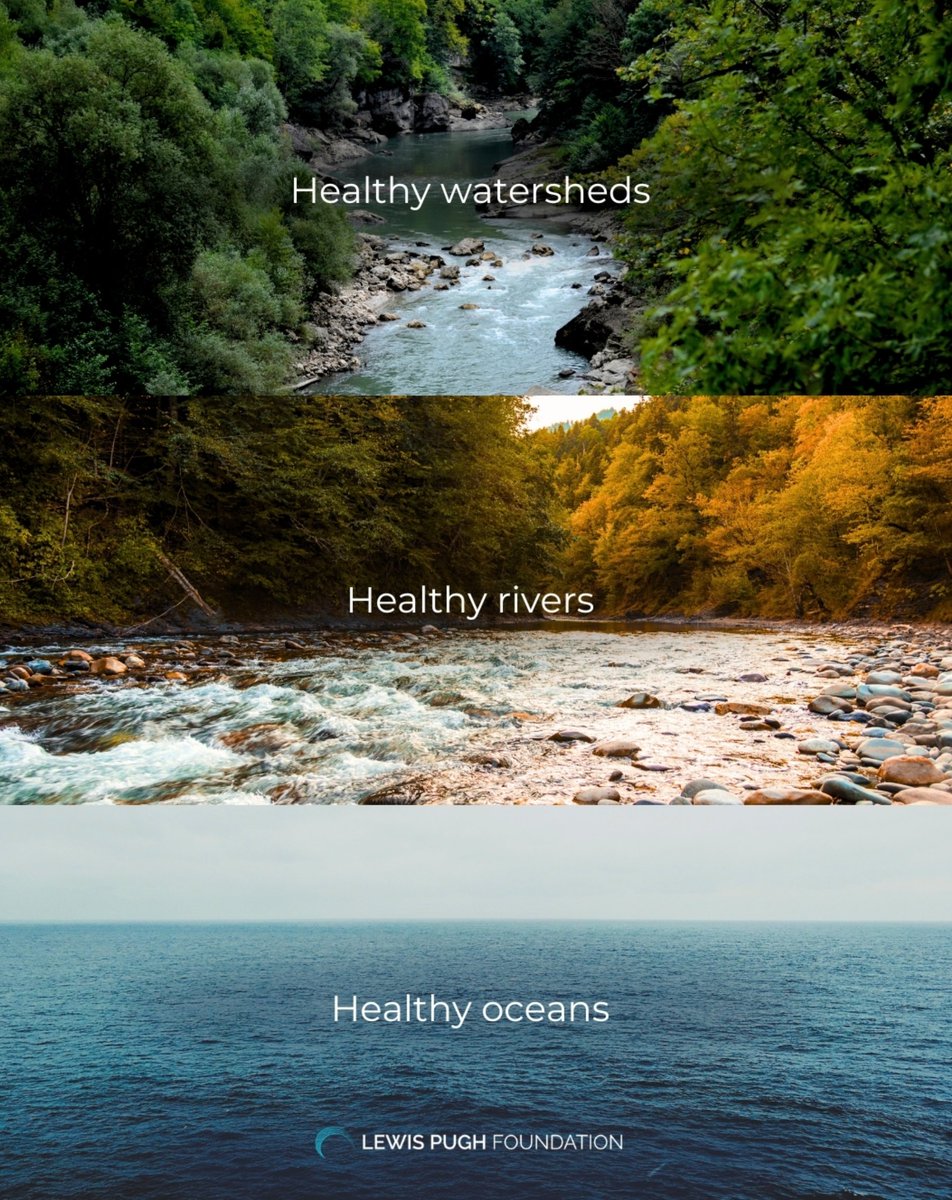
The ocean is connected to everything upstream.
Forests, watersheds, rivers and oceans are part of the same living system. Pressure placed on one eventually affects the others.
#Biodiversity#30x30#Ocean@UNEP@theGEF
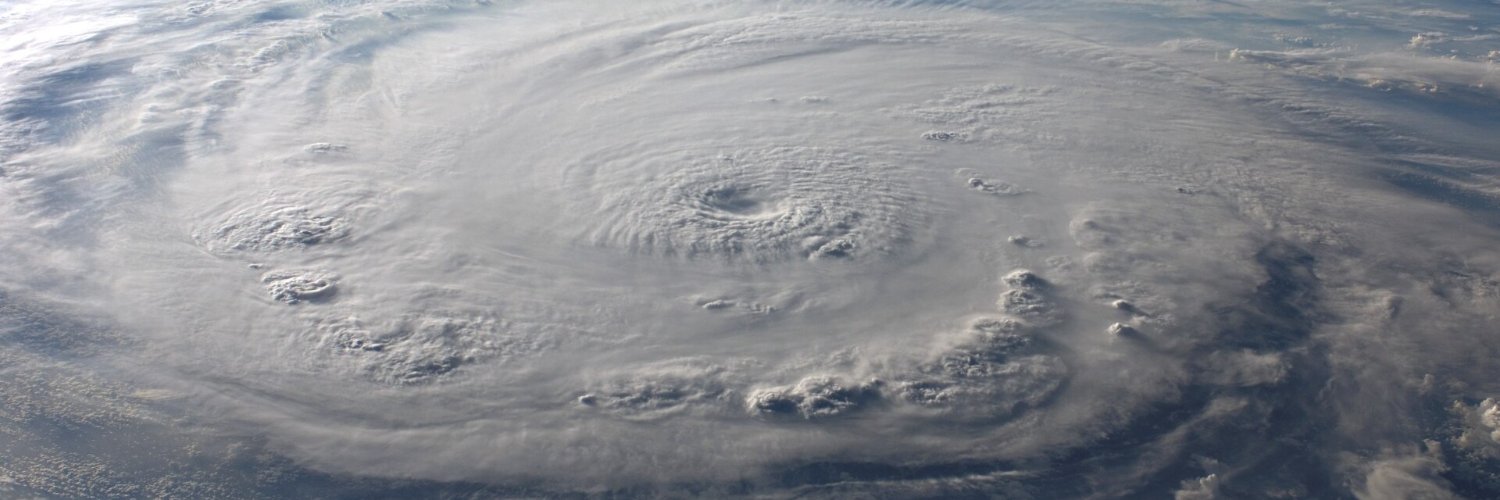
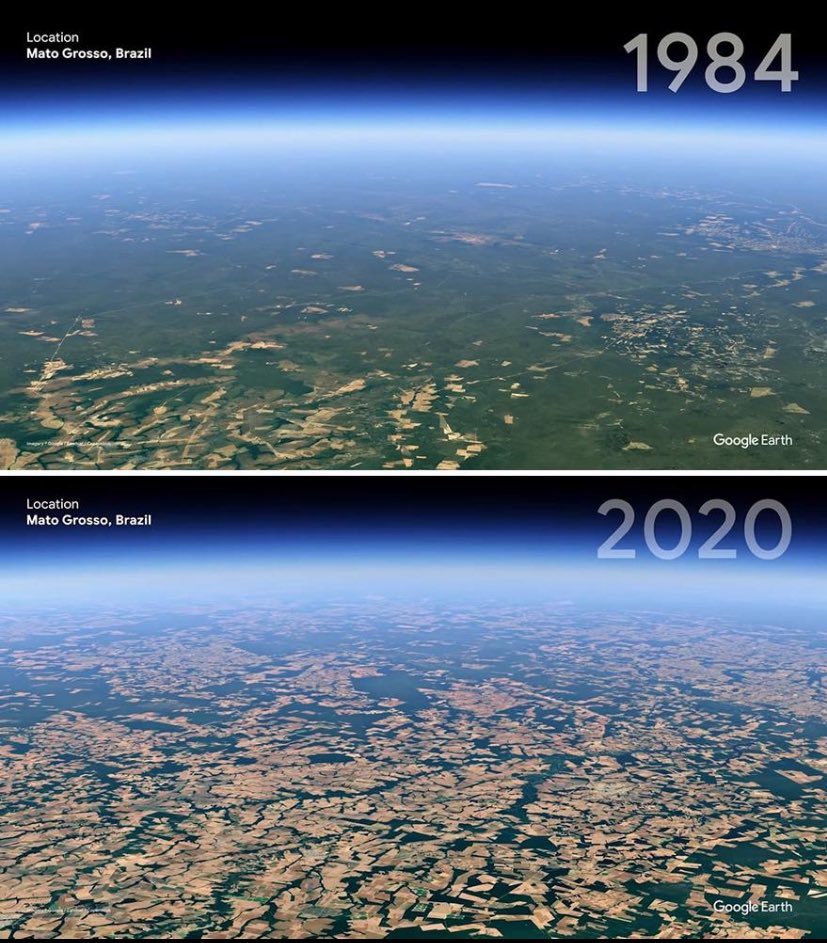
We are the first generation in human history able to watch ecosystems collapse in real time from space.
And possibly the last generation with enough time left to stop it.
Never before have humans had this much knowledge about the damage being done to forests, oceans, wildlife and climate systems.
And never before have we had this many tools to respond.
The future of life on Earth is no longer limited by awareness. It is limited by whether we choose to act on it.
“We often talk of saving the planet. But the truth is, we must do these things to save ourselves. With or without us, the wild will return.”
— David Attenborough
🚨 De nuevo se advierte que la Amazonía podría acercarse a un colapso sistémico mucho antes de lo esperado.
Con un calentamiento global de 1.5–1.9 °C y una deforestación del 22–28%, hasta el 77% del bioma amazónico podría perder su estabilidad. 🌳🌎🔥
Freshwater fish populations have collapsed by a staggering 81%.
This dramatic decline is emerging as one of the most severe, yet often overlooked, wildlife crises on Earth, with serious consequences for both river ecosystems and global food security.
According to a major 2024 global assessment, migratory freshwater fish populations plummeted by an average of 81% between 1970 and 2020. This collapse is happening far faster than declines in terrestrial or marine wildlife. The main culprits are human-made barriers such as dams and weirs that block ancient migration routes, combined with pollution, habitat destruction, and climate change.
These fish play a critical role in maintaining the health of rivers and wetlands. Their disappearance disrupts entire ecosystems, affecting everything from nutrient cycling to the survival of other species. For millions of people in Asia, Africa, and Latin America, migratory fish are also a vital source of nutrition and livelihood. Their decline directly threatens food security and local economies.
The good news? Recovery is still possible. Successful conservation efforts (including the removal of obsolete dams, the creation of effective fish passages, and the protection of free-flowing rivers) have already shown promising results in restoring fish populations and river health.
The challenge now is to act quickly and at scale before these vital freshwater systems cross a point of no return.
[World Wildlife Fund. (2025). Living Planet Report 2025: A System in Peril. World Wildlife Fund]






![Rainmaker1973's tweet photo. Freshwater fish populations have collapsed by a staggering 81%.
This dramatic decline is emerging as one of the most severe, yet often overlooked, wildlife crises on Earth, with serious consequences for both river ecosystems and global food security.
According to a major 2024 global assessment, migratory freshwater fish populations plummeted by an average of 81% between 1970 and 2020. This collapse is happening far faster than declines in terrestrial or marine wildlife. The main culprits are human-made barriers such as dams and weirs that block ancient migration routes, combined with pollution, habitat destruction, and climate change.
These fish play a critical role in maintaining the health of rivers and wetlands. Their disappearance disrupts entire ecosystems, affecting everything from nutrient cycling to the survival of other species. For millions of people in Asia, Africa, and Latin America, migratory fish are also a vital source of nutrition and livelihood. Their decline directly threatens food security and local economies.
The good news? Recovery is still possible. Successful conservation efforts (including the removal of obsolete dams, the creation of effective fish passages, and the protection of free-flowing rivers) have already shown promising results in restoring fish populations and river health.
The challenge now is to act quickly and at scale before these vital freshwater systems cross a point of no return.
[World Wildlife Fund. (2025). Living Planet Report 2025: A System in Peril. World Wildlife Fund]](https://pbs.twimg.com/media/HHpnqmfWwAEvK4H.jpg)