Sara Wyen is a writer sharing about recovery from #DVT and #PE#bloodclots. Living with #APS. There is hope for healing and you are not alone. #AwarenessMatters
Get safe travel tips to help reduce your risk for blood clots just in time for Memorial Day weekend. ❤️🤍💙 Thanks to the @alexrowanfound for sharing. Have a happy and healthy holiday!
Whether you’re driving to the beach, flying to visit family, or heading out for a long Memorial Day weekend getaway, remember: Travel that limits your mobility can increase your risk for blood clots.
Take breaks to stretch, stay hydrated, and move your legs regularly along the way.
Learn more about blood clots and travel from the American Society of Hematology: https://t.co/2e6nRP6Es7
I’m honored to be an inaugural member of the Alex Rowan Foundation Patient and Community Advisory Group (PCAG). Thank you to the @alexrowanfound for this opportunity to support such meaningful work while advocating for those impacted by blood clots every day.
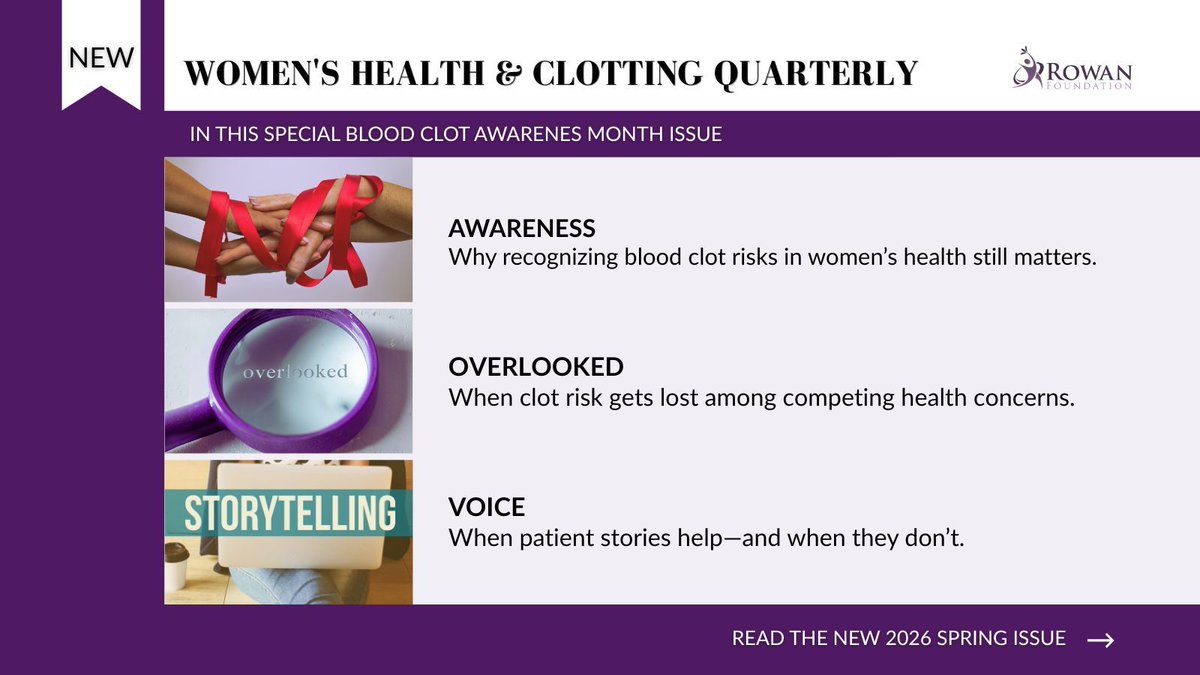
The May issue of Women’s Health & Clotting Quarterly is here.
Published during National Women’s Health Week, this issue highlights informed women’s health conversations, patient voice, and the importance of recognizing blood clot risk across key health decisions.
Read the May issue: https://t.co/CLS3LxpuF3
The Rowan Foundation is proud to announce its 2026 scholarship recipients during National Women’s Health Week.
Selected from 248 applicants nationwide, four undergraduate women were recognized for excellence in creative writing, including a first-of-its-kind national scholarship honoring resilience following a blood clot or clotting disorder diagnosis.
Created in memory of Alexandra Rowan, the program honors her love of writing while supporting young women as they develop their voices and share meaningful stories.
Read the full announcement: https://t.co/3ukWdyUBKX
Learn more: https://t.co/DGmC6R4QDs
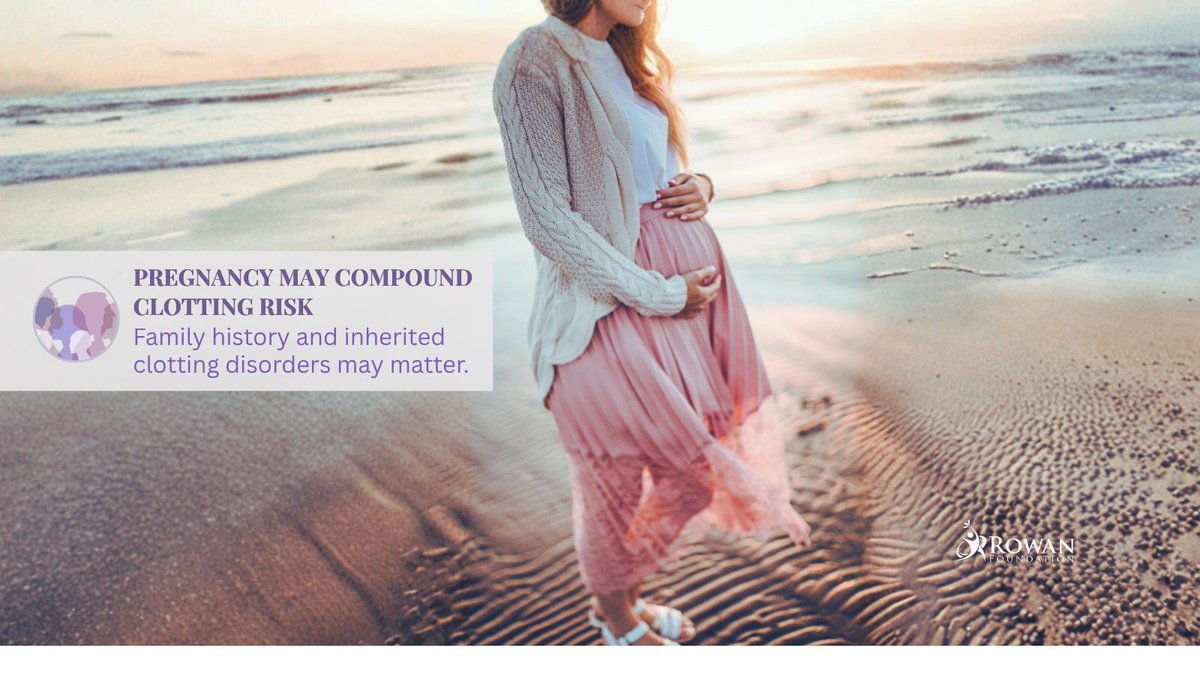
Pregnancy and the postpartum period naturally increase the risk for blood clots. For some women, inherited clotting disorders, also known as thrombophilia, may further compound that risk.
Many women may be unaware of a genetic predisposition for clotting, particularly if they have never personally experienced a blood clot. Family history, prior clotting events, pregnancy complications, and other health factors may all be important to discuss with a healthcare provider.
As part of National Women’s Health Month, and during National Women's Health Week, the Rowan Foundation is continuing to share educational resources focused on pregnancy, postpartum recovery, thrombophilia, and informed women’s health conversations.
Understanding thrombophilia:
https://t.co/ppyI5jYsAT
Learn more:
https://t.co/M9qTj3S3O6
✈️ Take care of your health while you’re on the go. Check out this helpful guide from @Verywell Health on simple in-flight habits to stay well, like staying hydrated, moving regularly, and reducing your risk of blood clots during long flights :
https://t.co/6rtSgTakUn
Blood clot symptoms can vary, and some people may experience few symptoms or none at all. The signs listed here are among the more common symptoms that may occur depending on where a clot is located.
Knowing possible warning signs may help people seek timely medical attention.
Swipe through to learn more.
Visit https://t.co/fo3wcdmvK0 for educational resources.
National Women’s Health Month is here, and all May long the Rowan Foundation is spotlighting women’s health and clotting risk across a lifetime.
From contraception and family planning, to pregnancy and postpartum, to menopause and midlife health, informed choices matter at every stage.
We’re sharing new resources, stories, and women-centered health education throughout the month, with continued focus on awareness of blood clot risks that can affect women at key points across life.
Strong women deserve clear information, thoughtful care, and the power to make informed decisions.
Follow along all month.
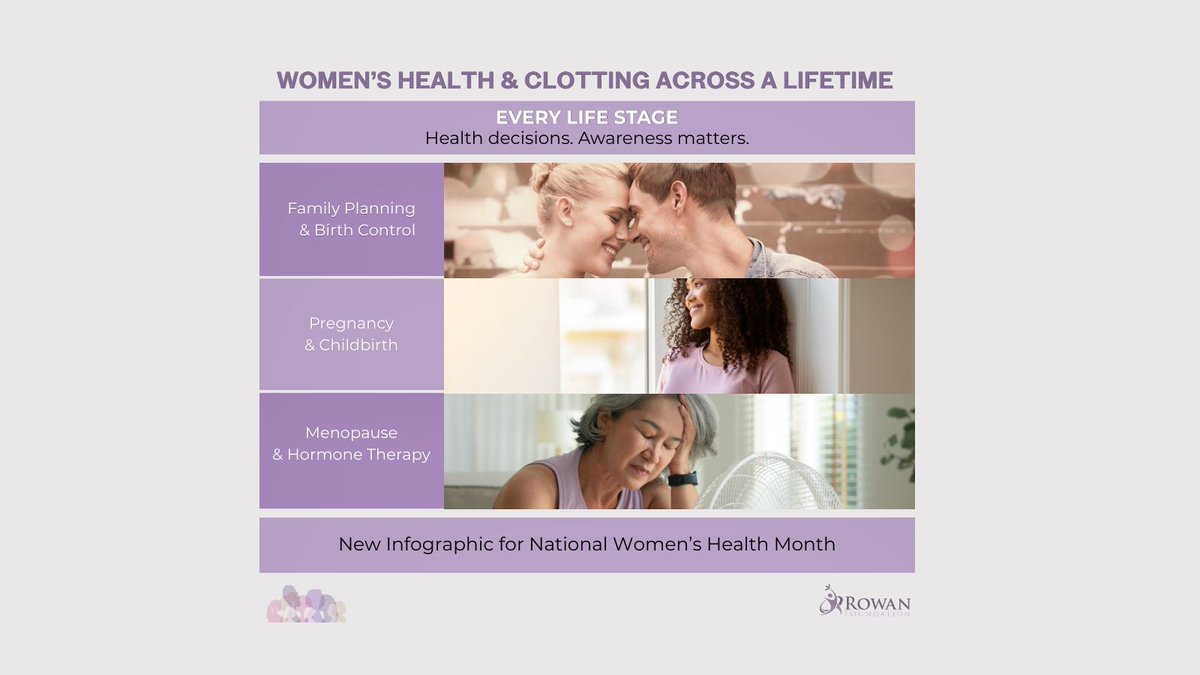
Women’s health and clotting awareness can intersect across many stages of life, from family planning and birth control, to pregnancy and childbirth, to menopause and some forms of hormone therapy.
This month, the Rowan Foundation is sharing new information and resources to help women better understand clotting risks, recognize symptoms, and have more informed conversations about their health.
Today, we’re introducing our new infographic on women’s health and clotting across a lifetime: https://t.co/tnvstRInbq
Later this week, we’ll begin a focused look at contraception and clotting, with additional resources to support safer, more informed decision-making.
Blood Clot Awareness Month may be coming to an end, but that doesn’t mean we stop raising awareness. Every conversation, every shared fact, and every story helps. Resources, support, or ways to keep making an impact at https://t.co/23j6ied4ms
#BCAM#AwarenessMatters
Thank you @alexrowanfound for including me in Part 2 of the “In Her Words” video series. I am truly honored to be part of this and to stand alongside such strong women who are sharing their stories and advocating for their health and the health of others. 🎥 Watch it!
Part 2 of the Rowan Foundation's "In Her Words" video series continues these important personal stories, with an emphasis on how blood clot risk intersects with women’s health across life stages.
These stories reflect the importance of understanding risk, recognizing symptoms, and having the information you need to know to be your own best advocate.
When experience is paired with education and understanding, it leads to empowerment, advocacy, and better care.
Experiencing a DVT or PE can be isolating and leave you wondering what comes next. It can be even harder to explain those feelings of uncertainty to people who have never been through it. What is one thing you wish people understood about blood clots? Share in the comments! #BCAM
When I was diagnosed with a DVT and a life-threatening PE, I was so overwhelmed. There was so much information, so many unknowns, and questions I didn’t even realize I should be asking. Having this @alexrowanfound checklist would have made a difference: https://t.co/DsNEQ6S0V7
Checklists play a powerful role in public health, helping people better understand risk, ask informed questions, and take a more active role in their care. They’re not just tools for clinicians. They’re tools for individuals, supporting awareness, guiding conversations, and strengthening self-advocacy in healthcare settings.
The Rowan Foundation’s Women’s Health & Blood Clot Risk Checklist was created with this in mind. It brings together key questions around personal risk, symptoms, prevention, pregnancy, and birth control, so women feel more prepared, more confident, and more empowered to speak up.
Advocacy starts with information, and knowing what to ask can make all the difference.
View and download the checklist, and get the conversation started: https://t.co/DPzXdn9DRI
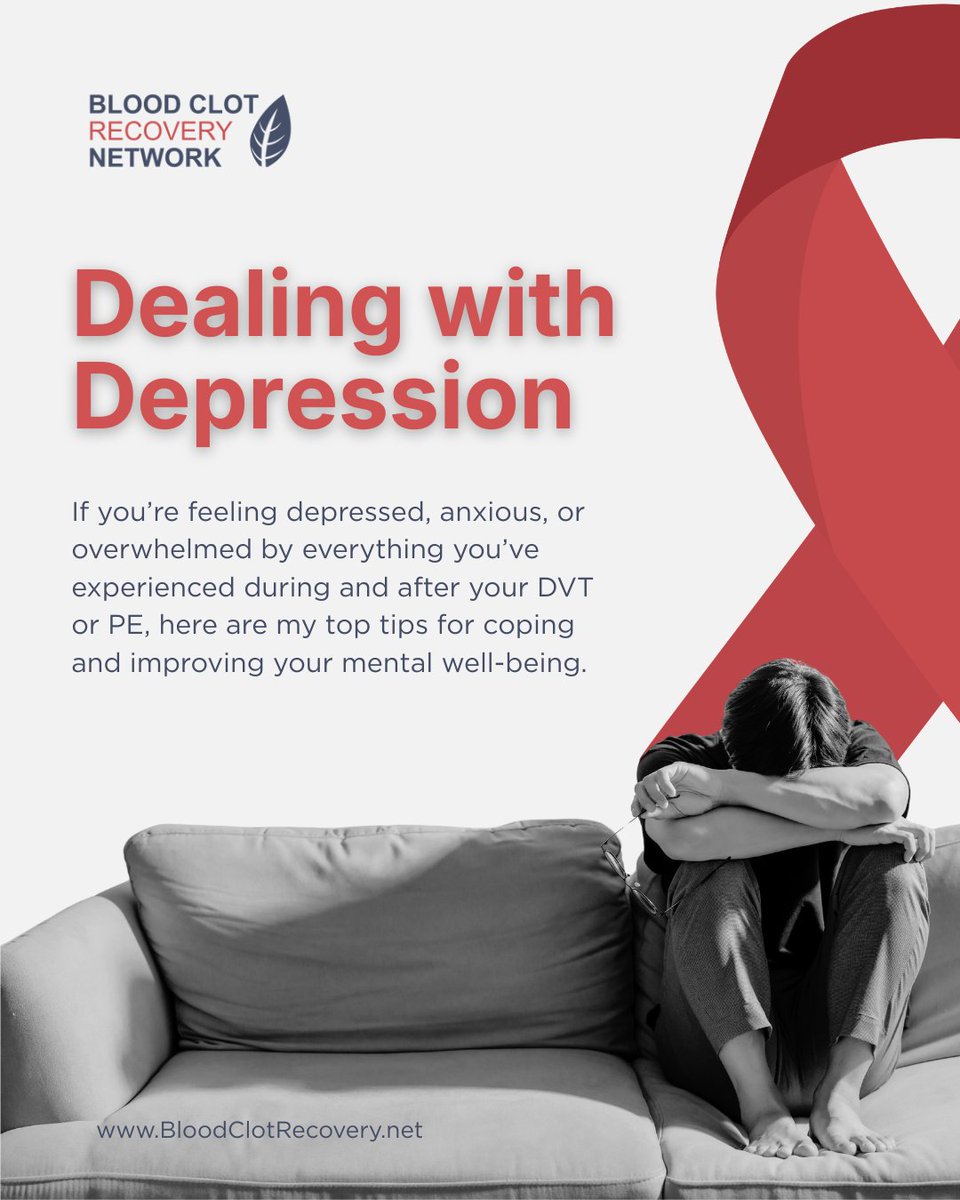
Recovering from a blood clot is not only about physical healing. It can affect your mental health in a big way too. If you are feeling anxious, depressed, or scared, you are not alone. ❤ Here are my experiences and resources: https://t.co/IYePuu5ps4
#BCAM#notalone
If you’re recovering from a blood clot, chances are you feel overwhelmed and may have a lot of questions about what comes next. There is hope for healing, and you are not alone. Join the BCRN Facebook Group here: https://t.co/io82qYokfJ #BCAM
@alexrowanfound This is such a thoughtful and informative edition! I’m so grateful that, for many years, the Alex Rowan Foundation has made women’s health a priority, ensuring our voices are heard. I’m honored and grateful to share my experiences with blood clot recovery. Thank you. 💜
Check out the latest @alexrowanfound “Women’s Health & Clotting Quarterly.” I’m honored to share my experience navigating the “long middle” of recovery after a blood clot. It’s the part we don’t always talk about, but it matters so much. Don’t miss it: https://t.co/vnQEQ68l6i
In recognition of Blood Clot Awareness Month, the latest issue of the Rowan Foundation’s "Women’s Health & Clotting Quarterly" examines how blood clots intersect with women’s health through five key lenses: Awareness, overlooked risks and symptoms, patient voice, the “long middle” after diagnosis, and the future of awareness in this clinical space.
Read the special Blood Clot Awareness Month issue here: https://t.co/796t2cMMxg
The physical effects of #bloodclots are clear, but the emotional impact can run just as deep. It’s common to face anxiety, depression, or even severe stress after an experience like this. Read more on my blog: https://t.co/rE4yir9dMg
#BCAM#hopeforhealing#notalone
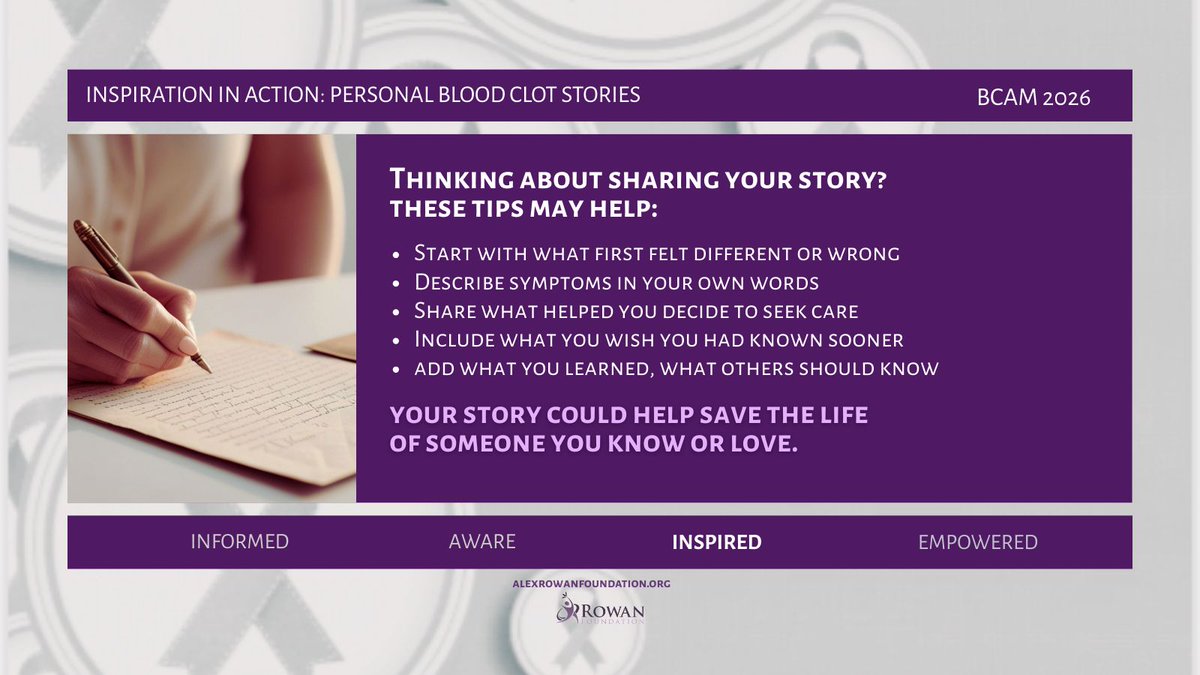
Sharing your story can raise awareness, inspire understanding, and help save lives. It’s also a way to honor your own experiences, creating space for healing, connection, and community. The @alexrowanfound offers a platform to help amplify your voice: https://t.co/tgK6Rh7gy8
This week, during Blood Clot Awareness Month, we’re focusing on inspiration. Personal stories inspire others and help people understand risk, recognize symptoms, and feel less alone.
Through our "In Her Words" initiative, the Rowan Foundation invites women to share their experiences with blood clots and related women’s health issues. Share your story here: https://t.co/TGUBV56Cij
Later this week, in the March issue of our "Women’s Health & Clotting Quarterly," we’ll take a closer look at the role of patient stories in health communication, with a commentary exploring when and how they can be most helpful.
It seems fitting that March 13 marks 13 years since I started Blood Clot Recovery Network. From the beginning, my purpose here has been to offer hope for healing and to remind people that they are not alone: https://t.co/axdXQtA3Mc
#BCAM#hopeforhealing#notalone