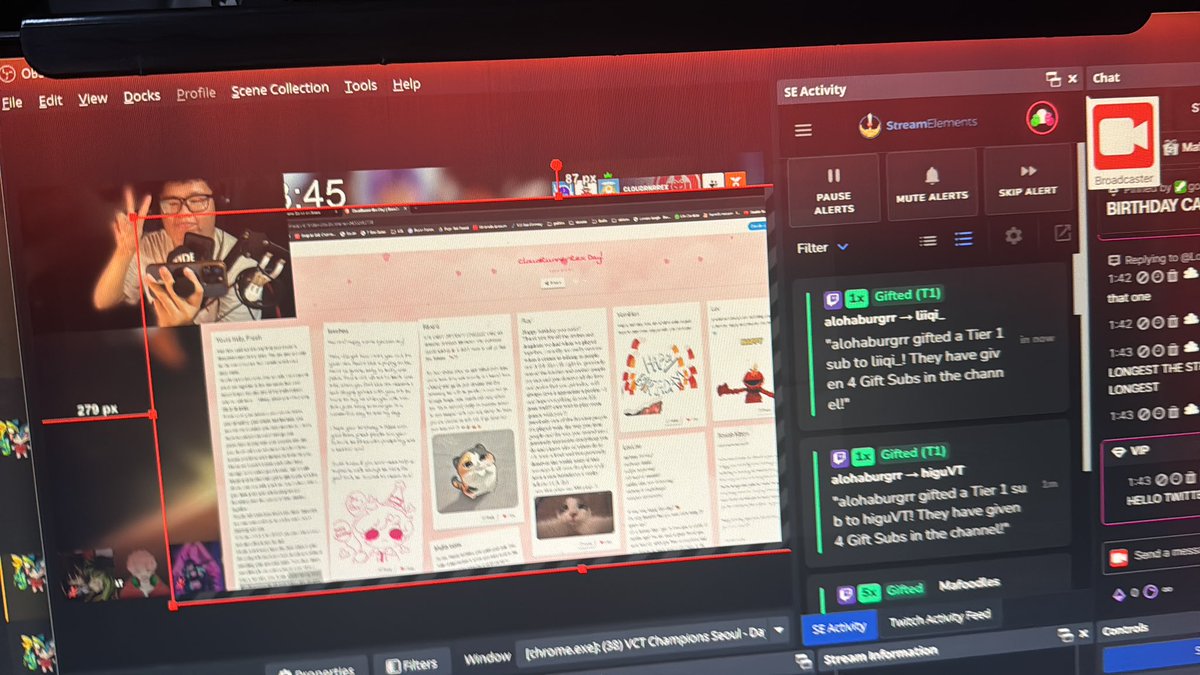
Just read my birthday cards on stream with the first facecam I’ve had in years. If you wanna read the cards or submit one too, here’s the link:
I love you guys.
https://t.co/A2ixGjxx6j
It’s sorta crazy how different online discourse over new Overwatch hero’s is now vs say 3+ years ago
Before it was all about how are they going to play? Do they look fun? Hitscan or projectile? Do they have CC? Etc
Now it’s just argue about the looks or skins
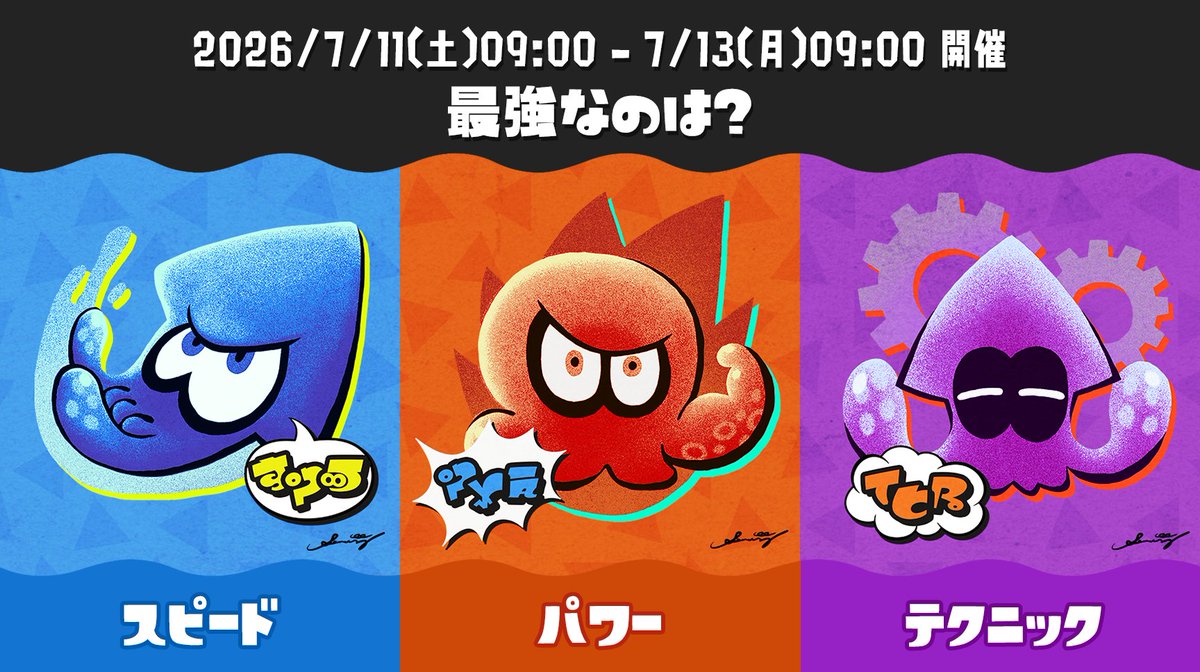
An emergency notice from Grizzco:
"We're observing some signs indicating an upcoming Big Big Run. Hordes of Salmonids are expected to come ashore on June 19. We appreciate your cooperation to overcome this impending threat."
Uh-oh, time to assemble some friends!
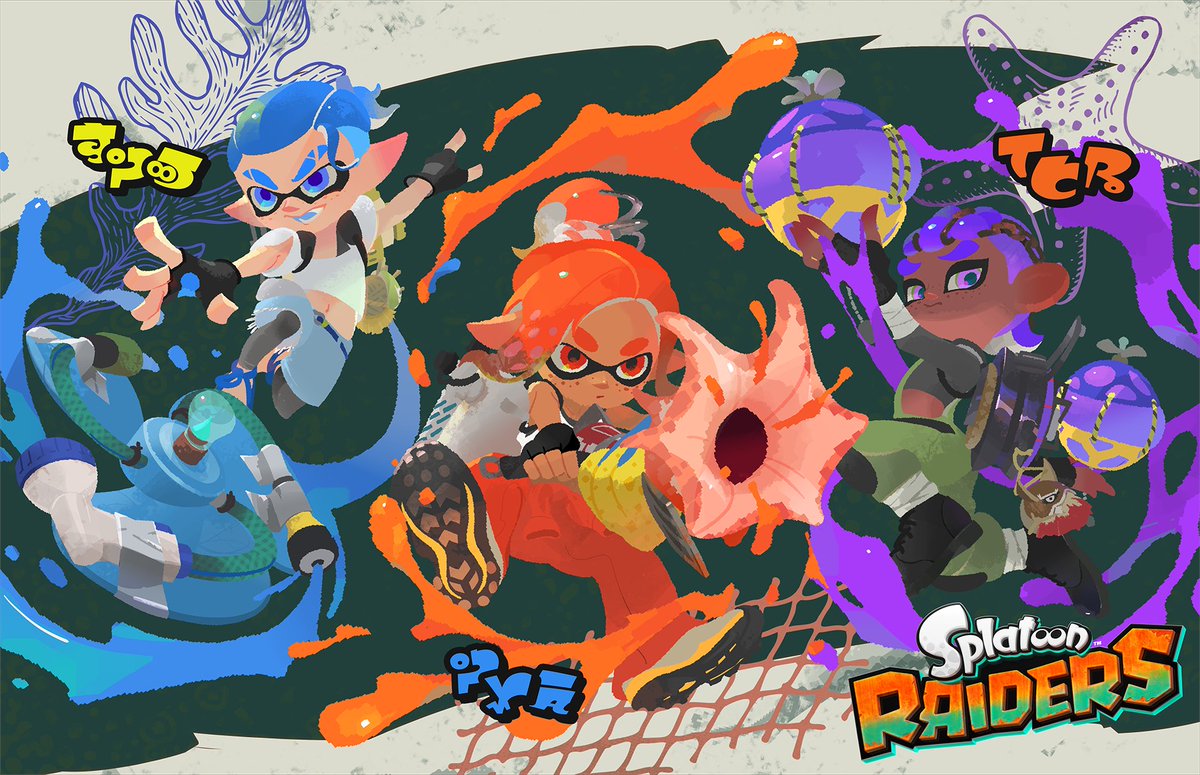
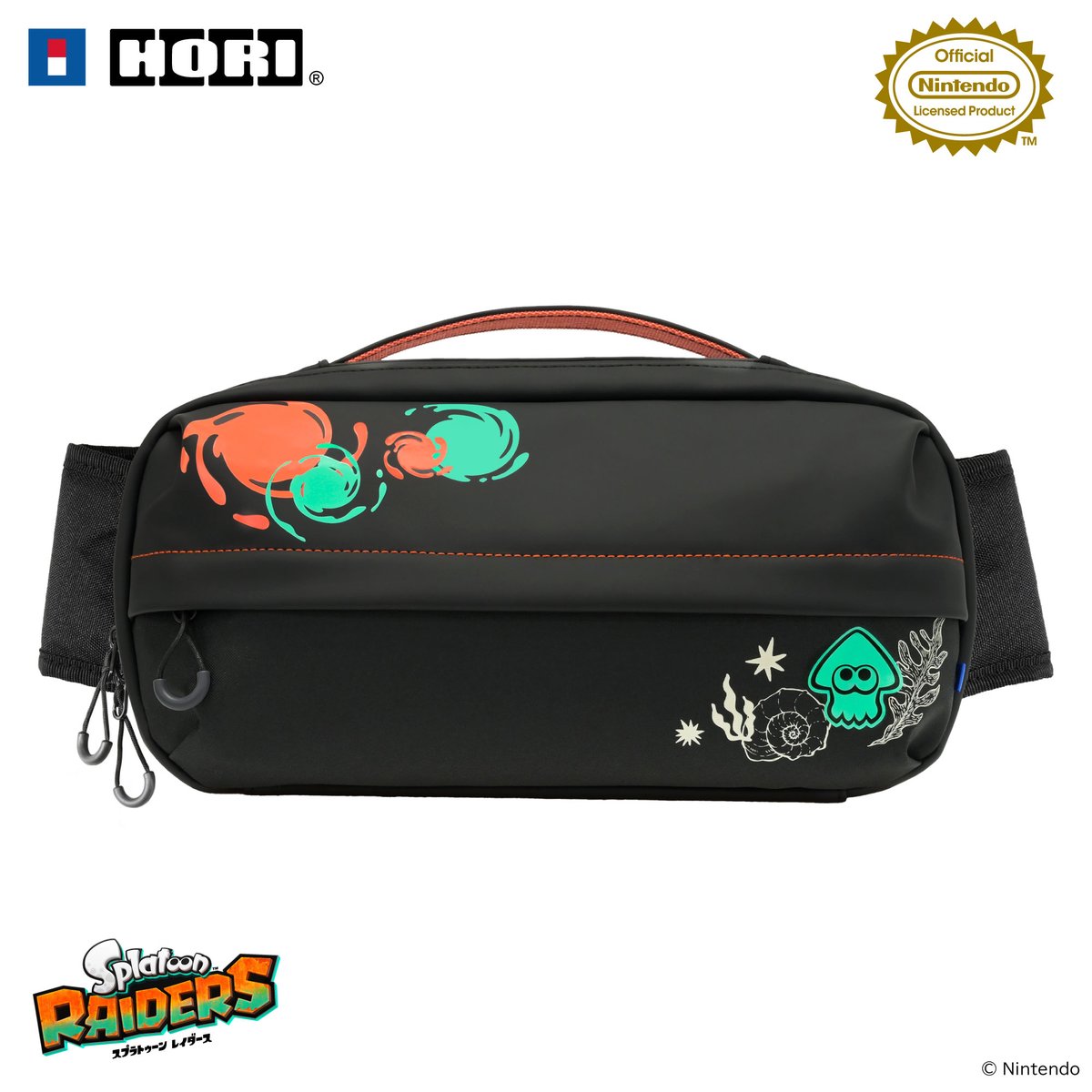
SPLATOON RAIDERS GETTINGS ITS OWN DIRECT
COMICS THAT SHOWS US EVENTS LEADING UP TO RAIDERS ( readily available !! )
A COLLABORATION SPLATFEST
ITS ALL IVE EVER ASKED FOR 😭😭😭
new 2XKO pve mode: the climb, available june 9.
2v2 tag fighter gameplay, now with unique powers that change the way you play on every run. ascend to the top on your own or with a duo.
At 2am, a stressed office worker in Seoul opens a fake food app, loads a cart he'll never pay for, and tracks a delivery driver who doesn't exist. It calms him down. Dopamine spikes while you chase a reward, then goes quiet the moment you get it.
For most of the last century, scientists called dopamine the brain's pleasure chemical. Then Wolfram Schultz, now at Cambridge, recorded the dopamine cells in monkeys and watched them fire. The cells stayed dark while the monkey ate. They lit up when the food box clicked open. And once the monkey learned the food always came, they went quiet at the meal itself. The buzz was in the wait, gone the moment the treat was certain.
A team led by Kent Berridge at the University of Michigan showed why. The brain runs two separate systems. One is wanting, the restless pull to chase something, and it runs on dopamine. The other is liking, the plain pleasure of the food itself, and it runs on different chemistry. People deep in addiction show it plainly: flooded with dopamine while craving a drug, but feeling less and less pleasure when they take it.
A fake delivery app feeds the wanting and nothing else. Scrolling the menu, picking a dish, dropping it in the cart, watching the driver inch toward your door, that is pure chase. The paying and the eating belong to the other system, the one with a price tag. A slot machine works the same way: the pull of the handle and the few seconds of hope hook you far more than the coins. These sites kept the hope and threw out the bill.
Why Korea, and why now, is the harder part. Close to half a million young Koreans have quit working and job hunting, a group the country now calls resting. The official jobless rate looks low, but only because these people aren't counted at all. About 3 in every 100 Koreans aged 19 to 39 have pulled so far from the world that the government pays withdrawn young people around $500 a month just to leave the house. A generation that can't afford the meal found the one part of it that was always free.
If you've ever piled things into an online cart at midnight and closed the tab without buying, you've already done this. Your version just had a checkout button you decided not to press.
‘Dopamine sites’ have surged in popularity in South Korea
At no cost at all, users can relieve stress by:
• Browsing fake menus
• Filling shopping carts
• Taking virtual smoke breaks
• Tracking ‘couriers’