What happens when you add different crystals to mercury?
Why are/were there brass balls filled with Mercury on Tartarian building antennas? What is it about this miraculous element?
Watch.
Meet Sheku Sumah–a #climateadvocate whose resilience shines at MEER. Overcoming poverty & disability, he mastered fabrication for building a MEER prototype. From losing his father at 2 to excelling in WASSCE for university, Sheku’s journey inspires.
#ClimateAction
It might look like a light source, but the radiant white spot in the photo is actually MEER surface reflectors.
The reflection from MEER’s installation saturated the image since sensors could not fully capture its brightness.
https://t.co/vqcin1ZiDM
#ClimateAction#Science
Bamboo grows significantly faster than trees, sequestering up to 275 tons of CO2 per hectare per year in certain regions, compared to 7-8 tons for mixed forests. MEER is developing climate-adapted infrastructure using carbon-negative materials.
New study: Reflective & emissive Radiative Cooling materials cool significantly & reduce RF when used widely. Findings highlight their role in fighting global warming & lessening the environmental impact of buildings. - https://t.co/7ieX9eaD0Y
"Sunlight heats the Earth, but not all of it sticks around—some gets reflected back to space. What stays, though, gets absorbed, and that’s where the real story begins." — Carl Sagan
As we enter 2025, MEER remains at the forefront of sustainable engineering, transforming upcycled materials into innovative solutions. Explore our progress in our latest video. We are committed to advancing scientific research for climate adaptation and mitigation. #MEER2025
Last week, Prof. Eliot Jacobson delivered a very insightful MEERTalk on "How Hot Is It? How Hot Will It Get?" Missed it? Click on the link to view. Stay informed, stay engaged! 🔍🌍
🔗 https://t.co/KMy2iZ0xle #ClimateAction#MEERTalks https://t.co/rpNQIIgTIR
The #MEER Team is gearing up for the #Aberdeen Park canopy project! 🛠️ They're crafting tripod stools to dry bamboo, pre-treated in salt water for protection against termites and bacteria. Elevated storage keeps the bamboo dry, even in the rain. #Sustainability#ClimateAction
🌾#MEER's innovative technology aims to optimize agricultural yields by reducing water loss from fields. Reflecting excess sunlight helps maintain leaf temps to ~30°C, which is essential for optimal photosynthesis. This method conserves water by minimizing transpiration.
🎬 Reminder: Tomorrow, Sept 22 - the world premiere of "#Freetown: Cooling a City" at the #NYC Climate Film Festival, followed by a Q&A with the MEER community. You're welcome to join if you're in the area! 📍 Venue: #FirehouseCinema, 87 Lafayette St, NYC.
Check out this innovative MEER prototype. A park bench Ultracool adaptation using natural bamboo, upcycled plastic cord and MEER reflective sheeting. Makes for a much cooler place to rest. #sustainabledesign#innovation#coolseat#MEER
While the full scope of Beryl’s damage hasn’t been assessed, it’s the latest natural disaster to cause more than $1 billion in damage. Amid the rising costs, authorities are looking to improve their response. @BojorquezCBS has a look at what's new in disaster planning.
High winds often result in a 'Red Flag Warning.' Be extra cautious on RFW days, as strong winds can turn a spark into a wildfire. It's crucial to avoid any activities that could ignite a fire, such as dragging chains or using powered equipment. Here's what you need to know about this hazardous weather condition to stay safe and help prevent wildfires. #RedFlagWarning #CAwx
Join @_ppmv this Sunday, June 2, on #MEERtalk to hear about how bamboo can revolutionise viewpoints and actions on climate change and climate mitigation.
2 pm ET / 7 pm BST
Join here: PMhttps://us06web.zoom.us/j/83708894361?pwd=ikCO40610kcESfwXgrkPvyFabLtkKm.1#success
Prof. Guangming Tao from the Wuhan National Laboratory of Optoelectronics and the School of Materials Science and Engineering highlighted #MEER at the 2024 Annual Meeting of the International Union of Materials Research Societies (IUMRS) at the City University of Hong Kong.
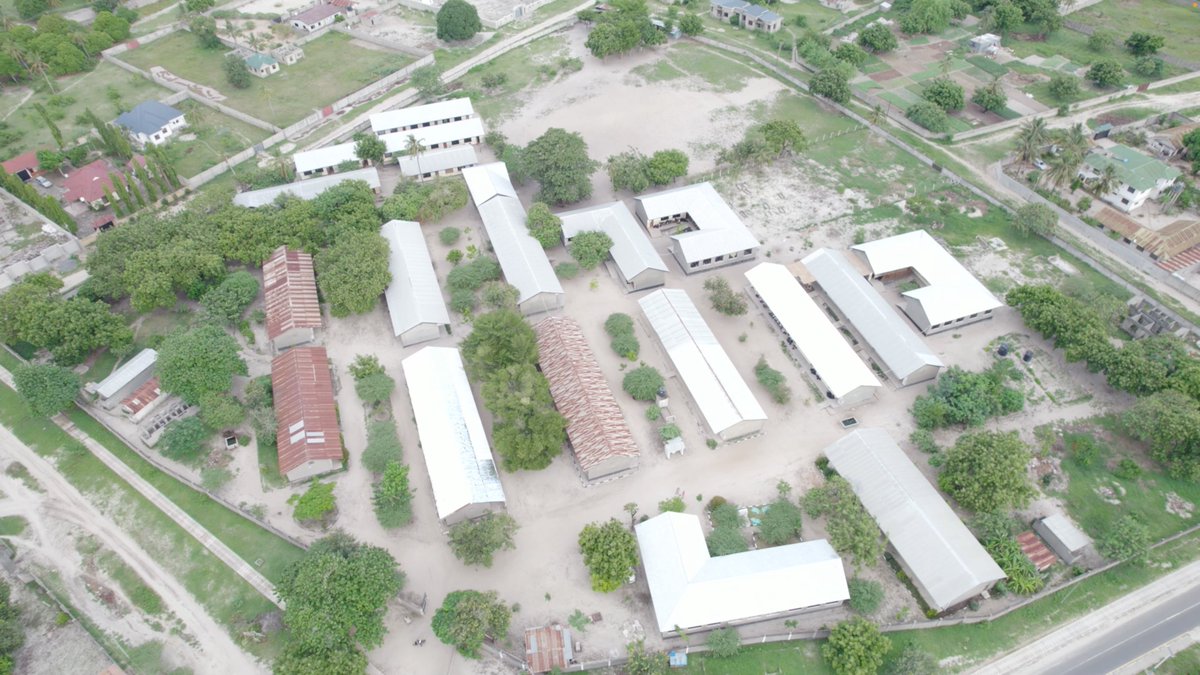
The picture below shows our project in Tanzania which has been yielding great results to date. The latest analysis shows that the inside roof cavity is up to 12°C cooler with the MEER sheeting installed. The site is also a comparison test site in partnership with @opendeved