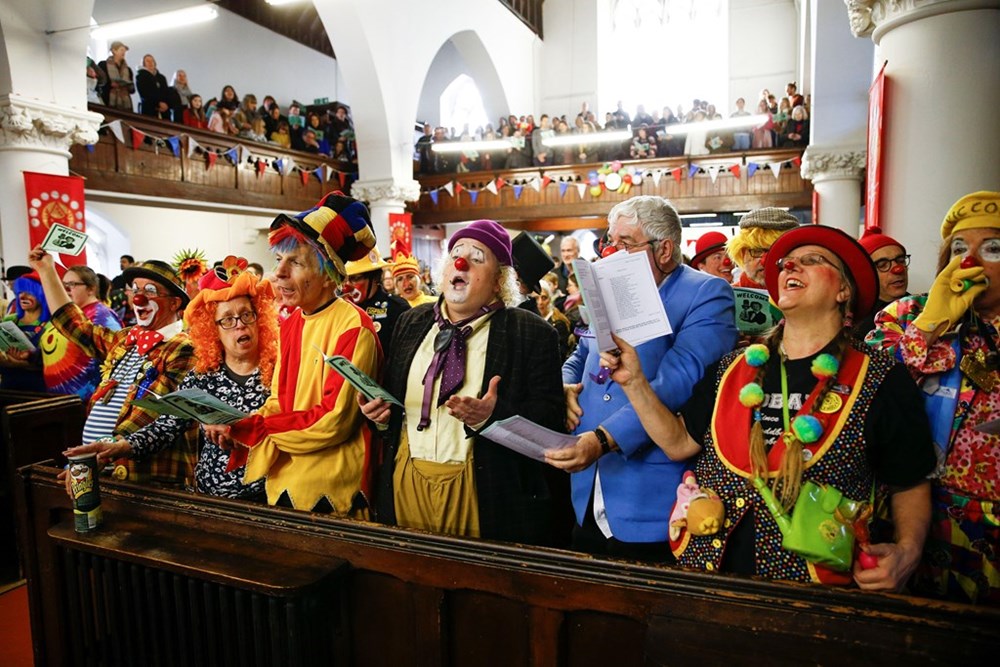
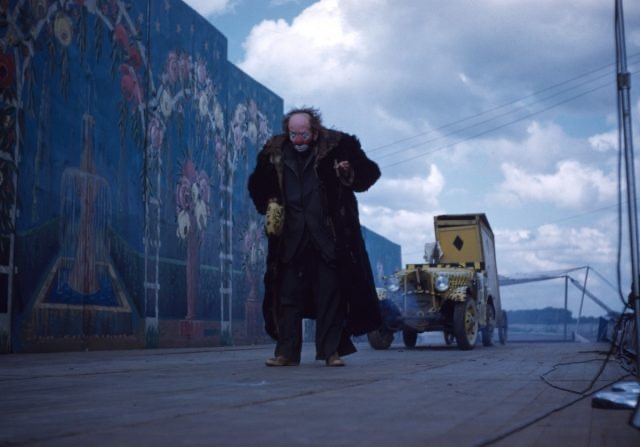
The Annual Grimaldi Clowns Service is on, 3pm at All Saints Haggerston this Sunday. Cakes, coffee and custard pies launching from 2pm (when doors open).
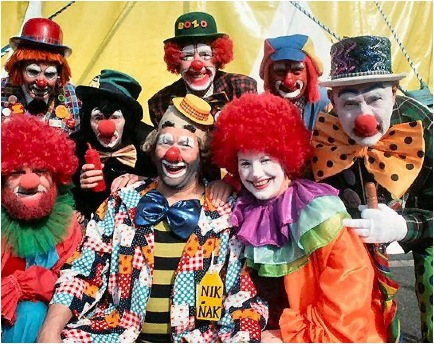
Fellow Clowns & friends of clowns
We hope that you will be able to join us for our 78th Annual Grimaldi Service on Sunday, 4th of Feb at 3pm (clowns arrive from 12pm) at All Saints Church, Haggerston, E8 4EZ the service will be streamed online here https://t.co/otBb3eiQF9
The origin of the word clown is uncertain. The first English record of "clowne" was in 1560, to mean "rustic". But though the etymology is unclear, the Commedia makes it clear those traits are inextricably tied to the history and role of the clown we know today!
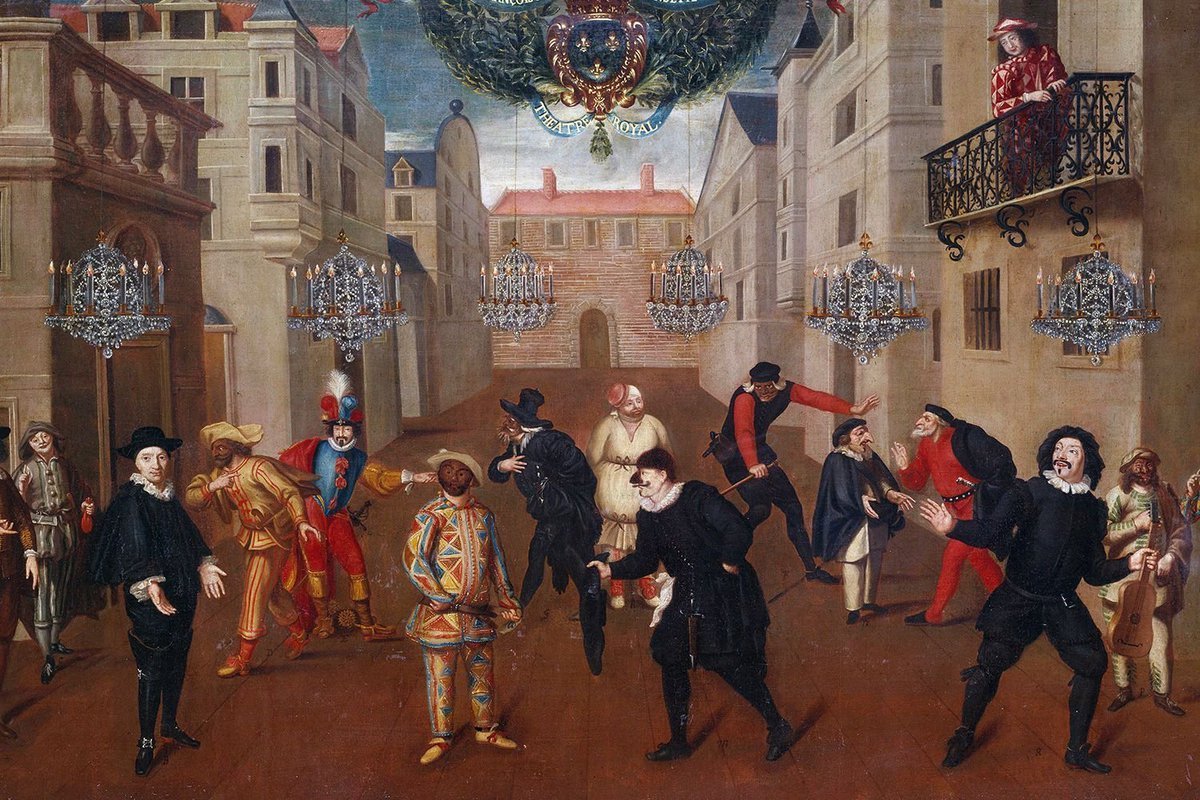
The Commedia Dell'arte enjoyed a long 200 year or so period of success because it was a highly accessible form of entertainment. Troupes could be made of elite professional actors or random comedic schmucks who wanted a nomadic life, traveling town to town for their performances.
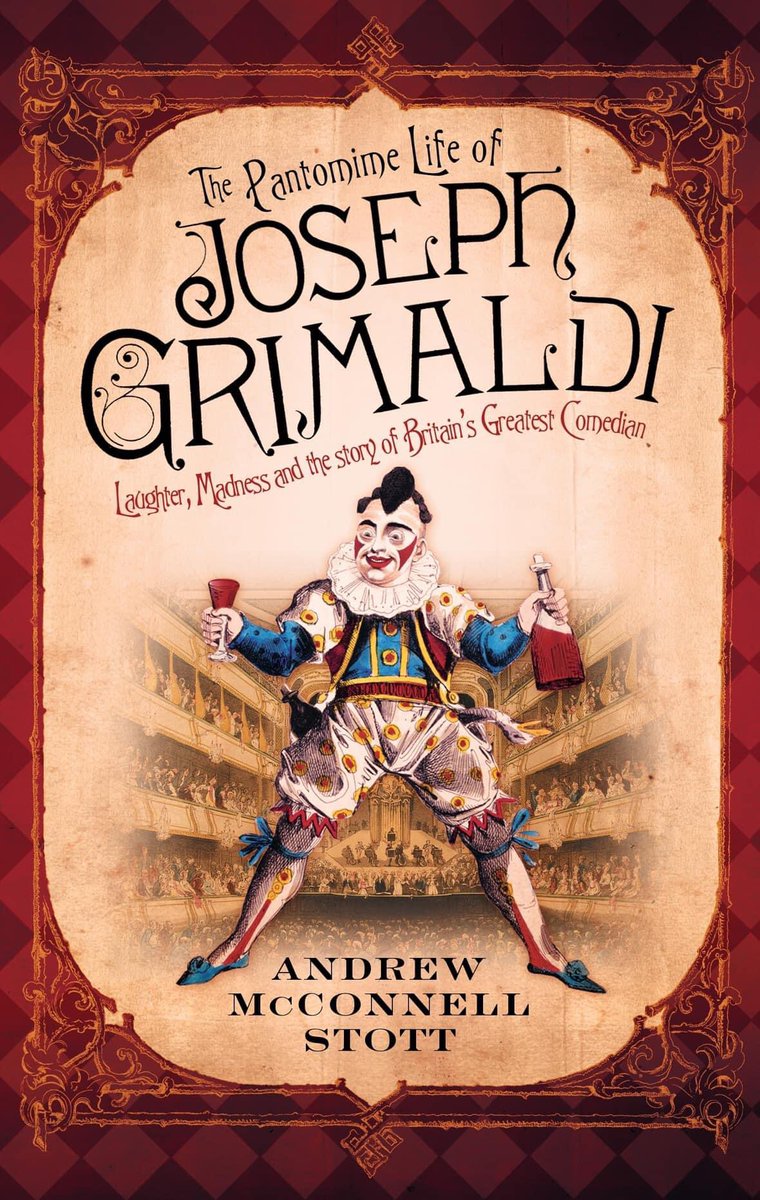
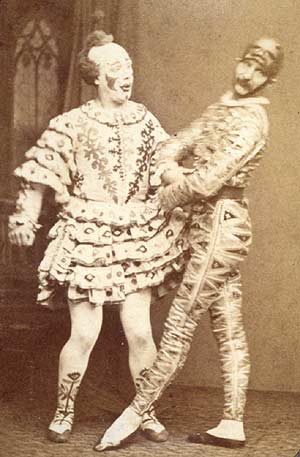
Giant colorful ruffled and patterned clothing, colored hair, and white and red face paint were all Joseph's contributions to the Clown. His clown became so popular his work inspired others to adopt and adapt similar traits in their own performances, both on and off the stage!
The rural and immigrant folks of the time were also often employed as servants to the ruling classes, and that's what Zanni characters are most often portrayed as. They are the main drivers of conflict and comedy in the commedia, through spoken jokes and physical comedy.
The Commedia Dell'arte enjoyed a long 200 year or so period of success because it was a highly accessible form of entertainment. Troupes could be made of elite professional actors or random comedic schmucks who wanted a nomadic life, traveling town to town for their performances.
Happy History Monday everyone! Today we're going to start a long story going way, way back, to the very origin of clowns themselves: The Commedia Dell'arte! To start, we're going to 16th century Italy.
The rural and immigrant folks of the time were also often employed as servants to the ruling classes, and that's what Zanni characters are most often portrayed as. They are the main drivers of conflict and comedy in the commedia, through spoken jokes and physical comedy.