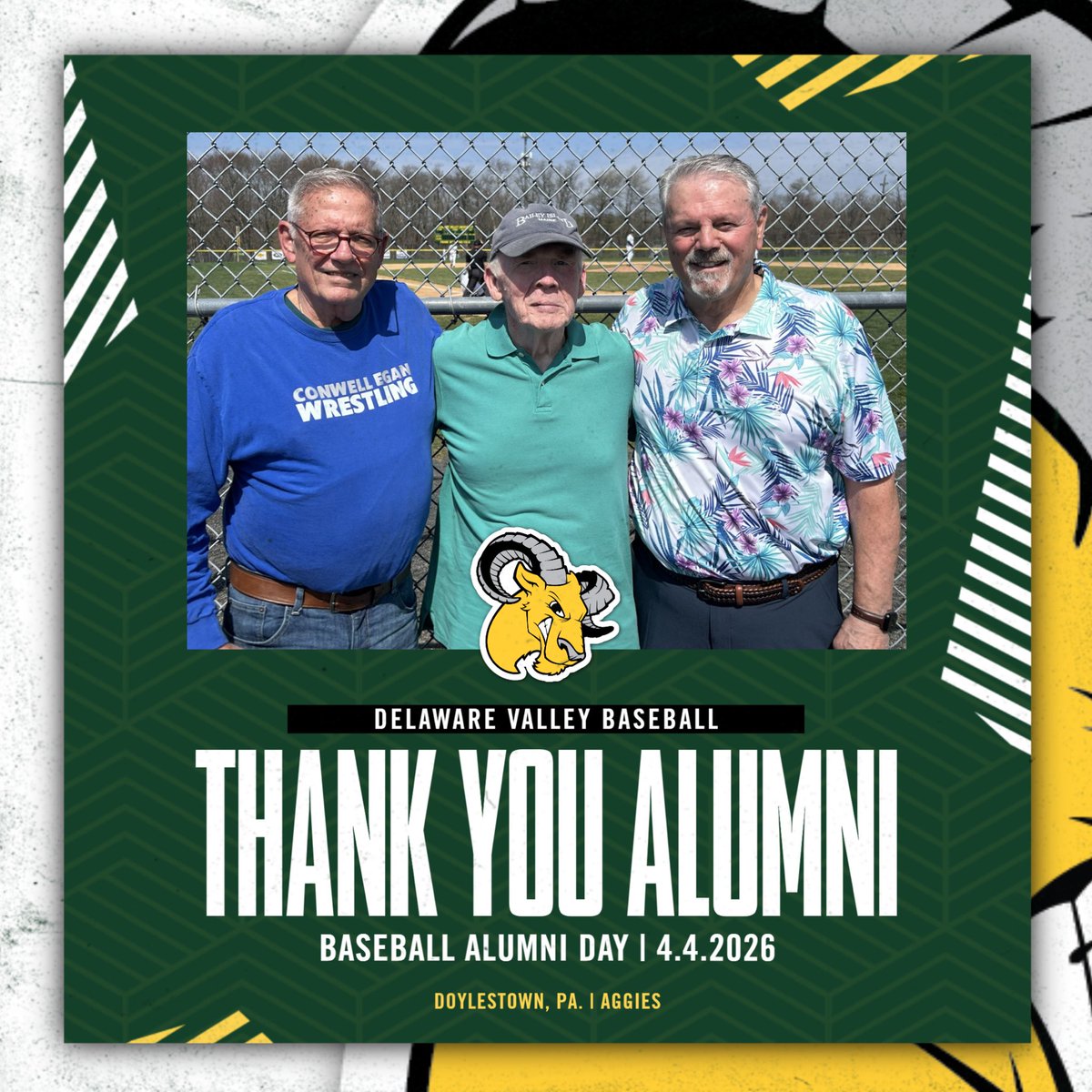
Thank you to all our alumni who came back this weekend — you made Alumni Weekend special 🔥
Your support, energy, and pride continue to build Delaware Valley Baseball.
Once an Aggie, always an Aggie.
#RollAggies
Alumni Weekend ⚔️
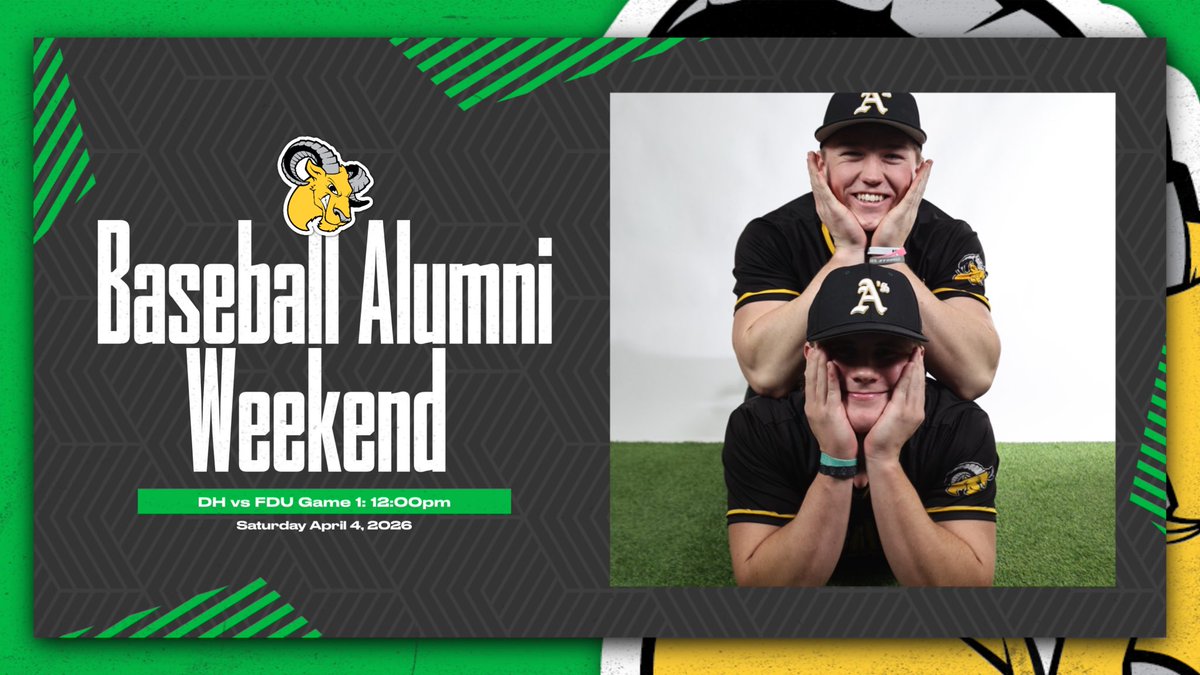
Delaware Valley Baseball welcomes back our former players for a special Alumni Weekend on Saturday, April 4 🔥
Doubleheader vs FDU — come out, reconnect, and celebrate the tradition of Aggies Baseball.
Once an Aggie, always an Aggie.
#UFam#RollAggies
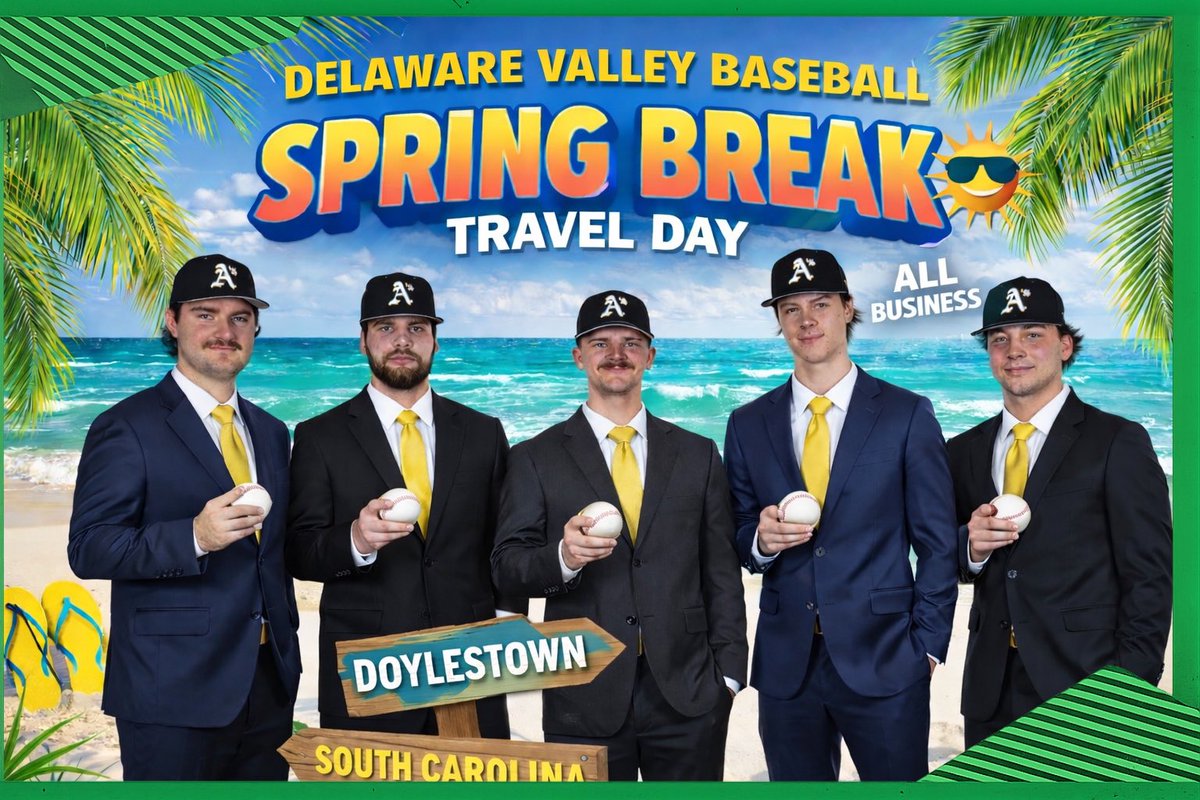
✈️⚾️ TRAVEL DAY
Delaware Valley Baseball is headed south to Myrtle Beach, South Carolina for Spring Break. 🌴☀️
The Aggies are on the move and ready to compete.
New week. New opportunity. First pitch tomorrow. 🔥
Let’s get to work. 💼
#DelValBaseball#Aggies#SpringBreakBall
Yesterday, a milestone was reached
Liam Martin collected his 100th career hit — a testament to his hard work
Congratulations, Liam. Many more to come. 🔥⚾️
SCHEDULE UPDATE
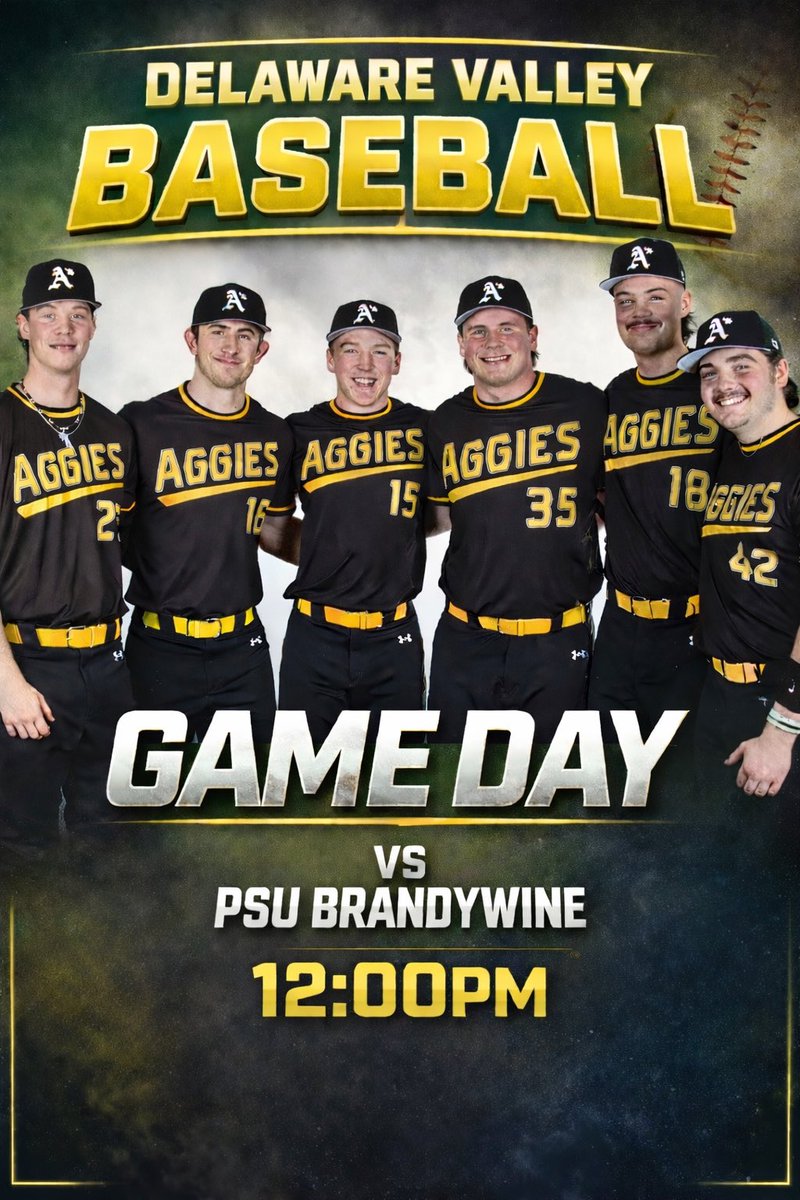
3/1: Baseball's postponed DH at PSU-Brandywine has been rescheduled and is now a single game starting at 12:00 p.m. on Sunday
#TogetherWeDoMore
Delaware Valley Baseball Team Store is LIVE 24/7/365 🔥
No more limited windows. No more waiting.
Hit the school website, gear up, and rep Delaware Valley Baseball all year long.
#RollAggies
LINK https://t.co/OFrH7vOv4W
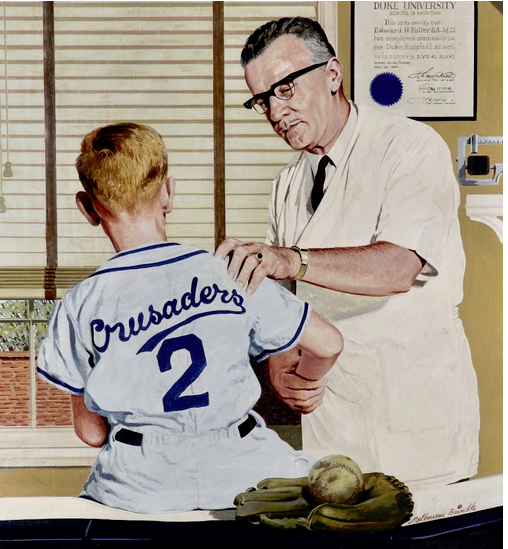
Parents of young ball players, please read this and understand how taxing throwing a baseball is on the body. Keep them healthy so they can enjoy playing the game with their friends and make memories.
"It used to be that we didn’t see these UCL injuries until they got into high-level professional baseball.
But now, the majority of the injuries are either freshmen in college or some young kid even in the 9th, 10th, 11th, 12th grade in high school.
So, these young kids are now maturing their bodies so quickly, their ligament is developmental, and it’s not strong enough to keep up with their bodies.
So, they’re tearing it in the high-velocity throwers at a young age.
These kids are not just throwing year-round, they’re competing year-round, and they don’t have any time for recovery.
And that’s really the big problem.
The ones that throw beyond 80 to 85 miles per hour, are going beyond the development properties of their normal ligament, and they’re getting hurt.
You can usually go back and see a minor injury when they were a young kid throwing youth baseball that was not recognized, and yet it set them up for a major injury down the road.
If we could keep these kids clean through high school, then we’re gonna see a lot less number of them getting hurt as they become mature college players and professional players.
If pitching coaches know more than the doctors who study this, then God bless them.
That’s why you’ve got a tenfold increase in injuries to the throwing arm and elbow in the last 15-20 years.
Tenfold now, that’s not some little minor increase.
If I was biased, I would be telling you, ‘Let them throw year-round,’ and that would get me more people to operate on.
But that’s just not how handle something when you’re trying to take care of people.
You’re trying to keep them off of the operating table and on the playing field.”
Dr. James Andrews.
Birmingham, Alabama.
Andrews Institute
Andrews Research & Education Foundation
Andrews Sports Medicine & Orthopaedic Center
American Sports Medicine Institute
Surgeon for Drew Brees, Bo Jackson, Michael Jordan, Jack Nicklaus, John Smoltz, Triple H, Brett Favre, Payton Manning, Eli Manning, Jerry Pate, Roger Clemens, Emmett Smith, Troy Aikman.
"Sore Arm, 20th Century"
Ewart Melbourne Brindle.