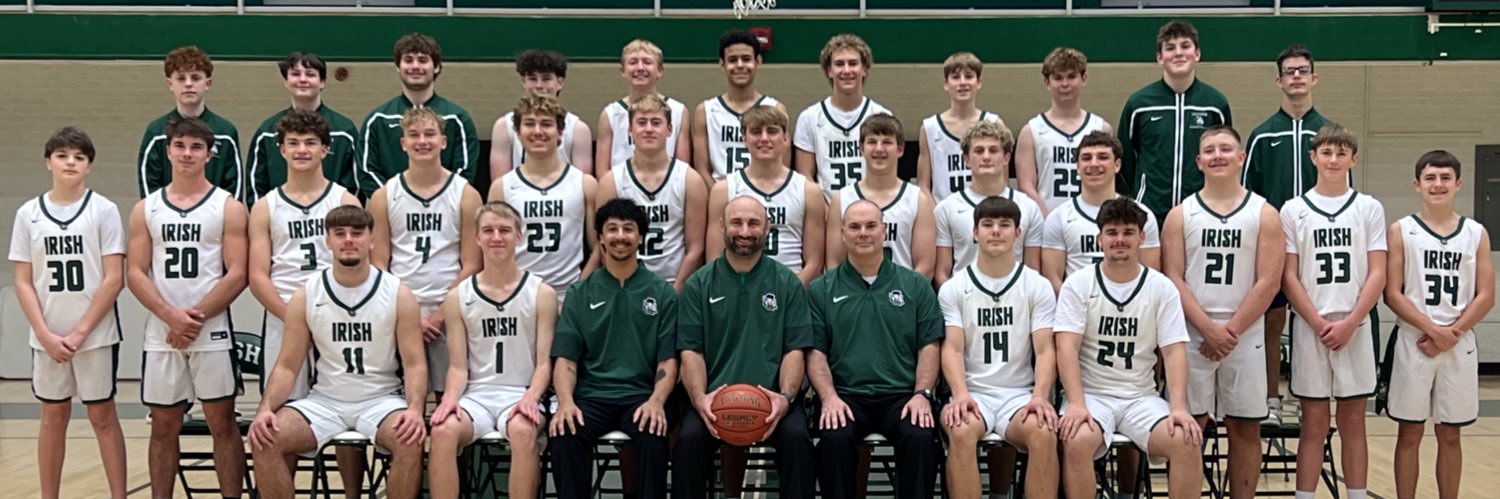
🏀 Youth Coaches Night
📅 June 24
⏰ 6:00-7:30 PM
📍 Indian Hills Clubhouse
Learn about Chapman Basketball’s philosophy, player development model, and concepts.
Current coaches, future coaches, and interested parents are all welcome!
#NextPlayMentality#ChapmanBasketball
One of the biggest misconceptions in high school sports is that coaching is primarily about practices, games, and wins.
The reality is that coaching has become one of the most challenging roles in education because coaches are expected to wear dozens of hats while being evaluated from every direction.
Every parent, player, administrator, and community member often has a different expectation of success.
One family wants college recruiting to be the priority.
Another wants playing time.
Another wants winning.
Another wants player development.
Another wants discipline.
Another simply wants their child to enjoy the experience.
The challenge is that those goals frequently conflict, and coaches are often expected to satisfy all of them simultaneously.
Most coaches are balancing far more than what happens between the lines. They manage team culture, player conflicts, parent concerns, academics, transportation, fundraising, budgets, equipment, scheduling, eligibility, social media issues, and the emotional needs of teenagers.
At the same time, every roster includes athletes with different abilities, goals, motivations, and commitment levels. Some dream of college athletics. Some are trying to make varsity. Some simply want to belong. Building one program that serves all of them is incredibly difficult.
Perhaps the greatest challenge is decision-making.
Who starts?
Who plays?
Who sits?
Who travels?
Who gets moved up?
Who gets cut?
Every decision creates opportunity for one athlete and disappointment for another. Even well-intentioned decisions can be viewed as favoritism or politics when seen through the lens of an individual family.
Recruiting adds another layer of complexity. Coaches are expected to help athletes pursue college opportunities while also managing the needs of an entire team. Supporting one athlete can sometimes raise questions from another family about their child’s opportunities.
Social media has amplified many of these challenges. One lineup decision, one difficult conversation, or one emotional moment can quickly become public discussion, often without the full context.
There are also pressures many people never see.
Pressure from administrators to represent the school well.
Pressure from parents to provide opportunities.
Pressure from athletes to help them achieve their goals.
Pressure from communities that often measure success by wins and losses.
Pressure to retain athletes in an era of increasing transfers and movement.
And all of this occurs while coaches are trying to develop young people, not just athletes.
What makes coaching difficult is not that people don’t care.
It’s that everyone cares deeply, but often about different things.
Parents focus on their child.
Players focus on their opportunities.
Administrators focus on the school.
Communities focus on results.
Coaches must somehow balance all of those interests while making decisions they believe are best for the team.
As a former college coach, athletic director, and high school administrator, I’ve learned that most coaches are not trying to hold athletes back, play favorites, or make life difficult for families. Most are simply navigating competing priorities, limited resources, and difficult decisions while trying to do what’s best for kids.
Because at its core, coaching has never really been about managing games.
It’s about managing people.
And that’s what makes it both incredibly challenging and incredibly important
@SportPsychTips Dan Campbell said, " You can’t just say we’re going to believe and not put the work in."
"I think the belief comes from the work you put in and doing all the little things right."
Your self-belief comes from action.
It comes from doing the work.
Every great high school team I’ve coached had this in common:
- They mastered the details that didn’t show up in the box score.
- They trusted the process, even when it was difficult.
- They genuinely liked seeing THEIR teammates succeed more than themselves.
Winning is a good feeling, but it passes, and what lasts is what you’ve learned.
Winning is not the point.
Wanting to win is the point.
Not giving up is the point.
Never letting up is the point.
Never being satisfied with what you’ve done is the point.
– Pat Summitt
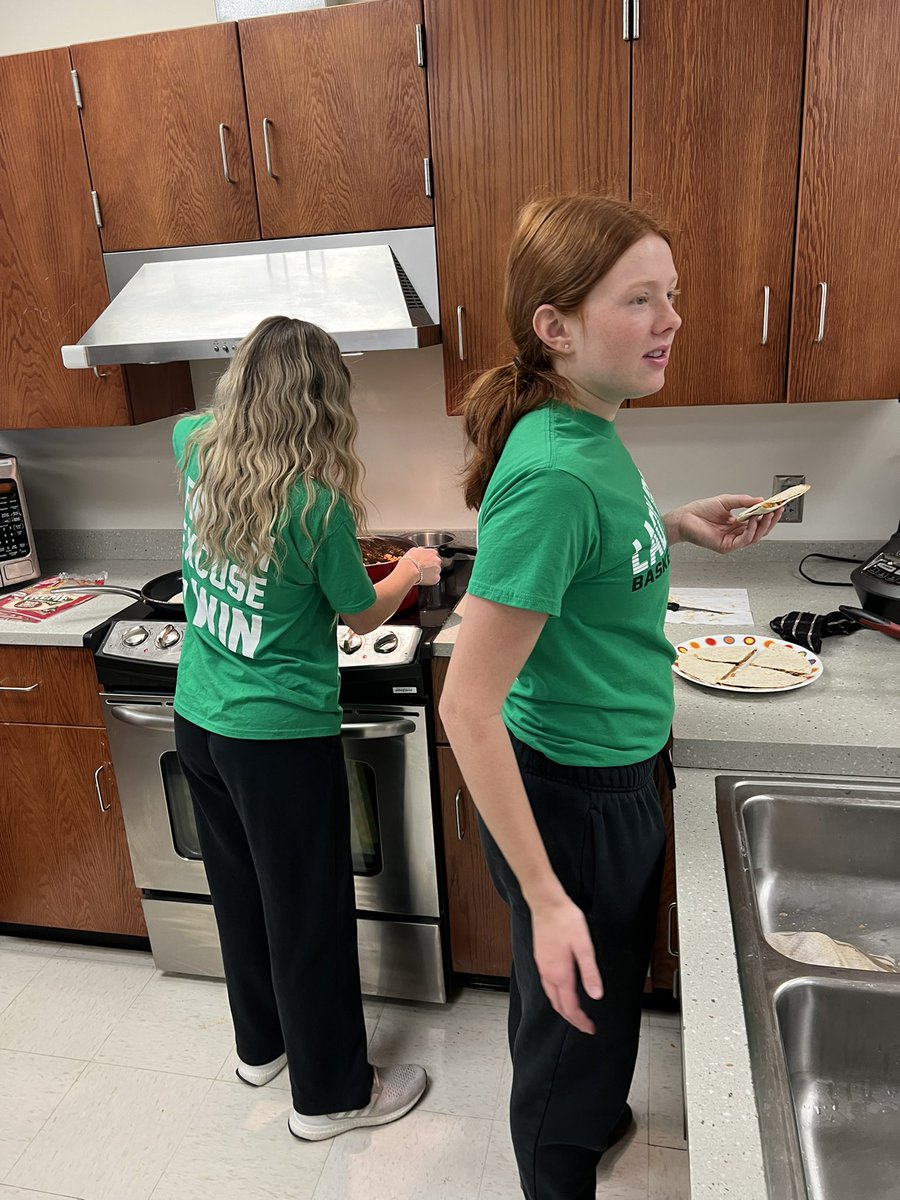
My Care of Athletes class is currently in our unit for Nutrition. Part of this unit we watched ‘The Game Changers’ and are trying out some of the recipes from the website. Always a fun unit to do with the kids, and they seem to be enjoying the food they’re making!
@readswithravi Dan Campbell said, " You can’t just say we’re going to believe and not put the work in."
"I think the belief comes from the work you put in and doing all the little things right."
Your self-belief comes from action.
It comes from doing the work.
High school basketball isn’t complicated.
Sprint back on defense.
Play harder than the other team every possession.
Celebrate every success like it’s a championship win.
The team that masters effort and energy beats talent nine times out of ten.
Thanks to @TylerHenryPxP, tonight’s games will be broadcast for free https://t.co/A4ITE18yjG
Could also be found on HUDL Fan, with the broadcast done by CHS Senior Isaac Van Meter!
Grinders WIN.
Who are your Grinders?
- They say “I’ll do it”
- They solve problems
- They get things done
- They weed the garden
- They don’t ever give up
- They do what others can’t do
- They do what others won’t do
Be a Grinder for your TEAM.