Super proud of @BeauBrannon99 . Had a great two days at the Sizzlin’ Summer Shootout and finished strong with 24pts, 11 rebounds, 1 block, and 2 steals in the last game! He was 8 for 8 from the Free Throw line!
https://t.co/H3gxRRpURp
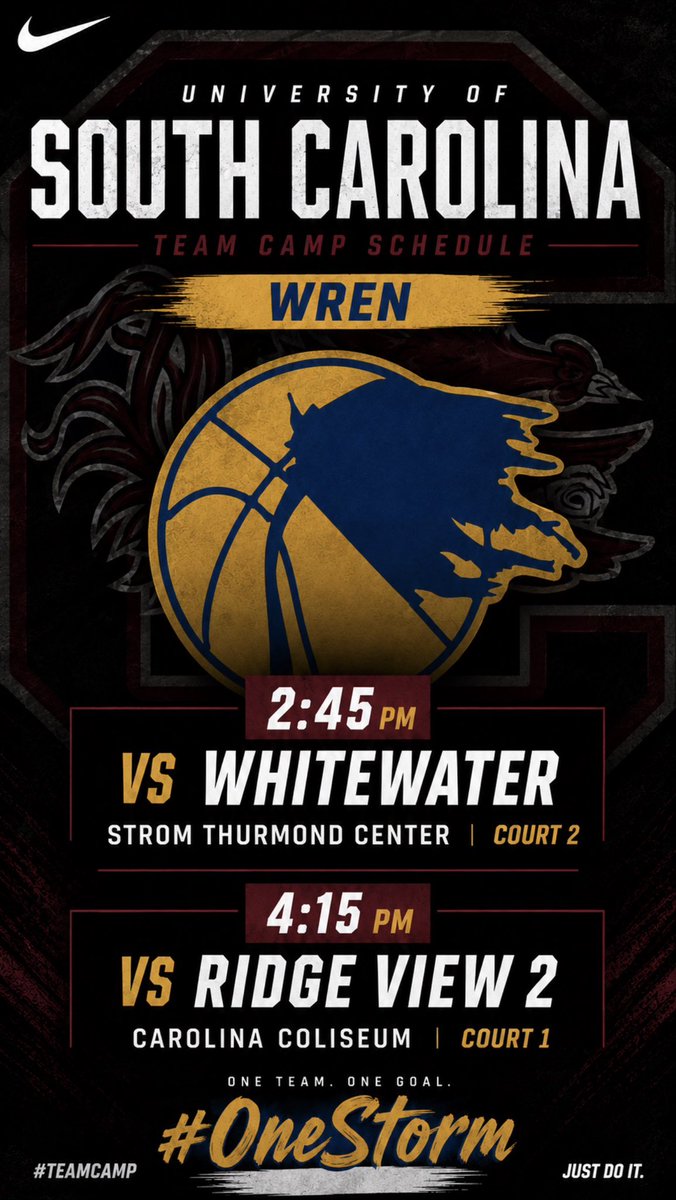
#SCLive Team Camp - UNDER 6’0 Senior Guards.
Click up ⬆️ and SUBSCRIBE.
9 players on this list. Who made the list
Read more inside - SUBSCRIBE today and Follow along.
@DreyJackson_@WrenBball
Gerry McNamara told Syracuse on day one of summer practice that championships are built on what you do every single day.
Not one great performance, not one great season, but every day consistently & repetitively.
And when your coach pushes you harder than you think you can handle, that’s not them working against you….
That’s them telling you they already believe you can do it. The pressure is the compliment.
One of the biggest misconceptions about college recruiting is that there is a simple formula for success.
Families often believe that if an athlete works hard, performs well, gets good grades, and attends the right events, recruiting will take care of itself. The reality is far more complicated.
Every family enters the process with different goals. Some are chasing Division I opportunities. Others prioritize academics, scholarship money, playing time, proximity to home, or simply the chance to continue competing. The challenge is that those goals often conflict, forcing families to make difficult decisions with no clear right answer.
Adding to the confusion are the countless voices involved. High school coaches, travel coaches, trainers, recruiting services, college coaches, social media influencers, and other parents all offer advice. Most mean well, but they are speaking from different experiences and perspectives, which often leads to conflicting recommendations.
Social media has made recruiting both easier and harder. Athletes have unprecedented access to coaches and opportunities, but they are also constantly comparing themselves to commitment graphics, scholarship announcements, and highlight reels. What they rarely see are the thousands of athletes still searching for opportunities or the setbacks behind those success stories.
Another challenge is that college coaches evaluate far more than athletic ability. They are assessing academics, character, coachability, leadership, maturity, roster fit, and long-term potential. Recruiting decisions are often based on factors families never see.
Perhaps the most difficult reality is that there is no universal roadmap. One athlete may need more exposure. Another may need more development. One may find the perfect fit close to home, while another may need to look across the country. What works for one athlete may not work for another.
As a former college coach and athletic director, I’ve learned that recruiting shouldn’t be viewed as a competition to win. The goal isn’t the biggest logo, the highest level, or the most impressive commitment graphic.
The goal is finding the right fit academically, athletically, financially, and personally.
Because long after the signing day photos are taken, success isn’t determined by where an athlete committed.
It’s determined by whether they found a place where they can thrive.
Beau Brannon is on loan with Atlanta Timberwolves this weekend, but he has the type of skillset that fits in well no matter the situation. He used his size and athleticism to shoot over defenders, finish off assists at the rim, and block at least 3 shots. Brannon is definitely a wing worth a watch in the upcoming live periods.