Nutrition expert (RD BSN) w/ an athlete background. I help individuals feel empowered with their food decisions while fueling their body for peak performance👊
Exercise is one of the most powerful ways to raise NAD levels.
A single 40-minute bout of aerobic exercise increases the expression of enzymes involved in NAD synthesis and elevates NAD levels in human blood.
When NAD declines (as it does with aging and in certain diseases), metabolic efficiency and muscle performance decline alongside it. In other words NAD supports exercise capacity… and exercise supports healthy NAD bioenergetics.
So what about supplementing with NAD precursors like nicotinamide riboside (NR) or NMN to enhance performance or recovery?
Mechanistically, it’s plausible. But in controlled human trials, we don’t yet have strong evidence.
That hasn’t stopped interest. @CharlesMBrenner notes that professional sports organizations, including teams like the New England Patriots, have reportedly experimented with NR for performance and recovery. But at this point, that’s anecdotal.
Could exercise-induced NAD turnover mean that certain individuals or athletes will benefit from precursor supplementation? It's a fascinating hypothesis, but one that still needs rigorous testing.
For now, exercise remains a proven way to support your NAD system, as does supplementation for those who wish to explore that route.
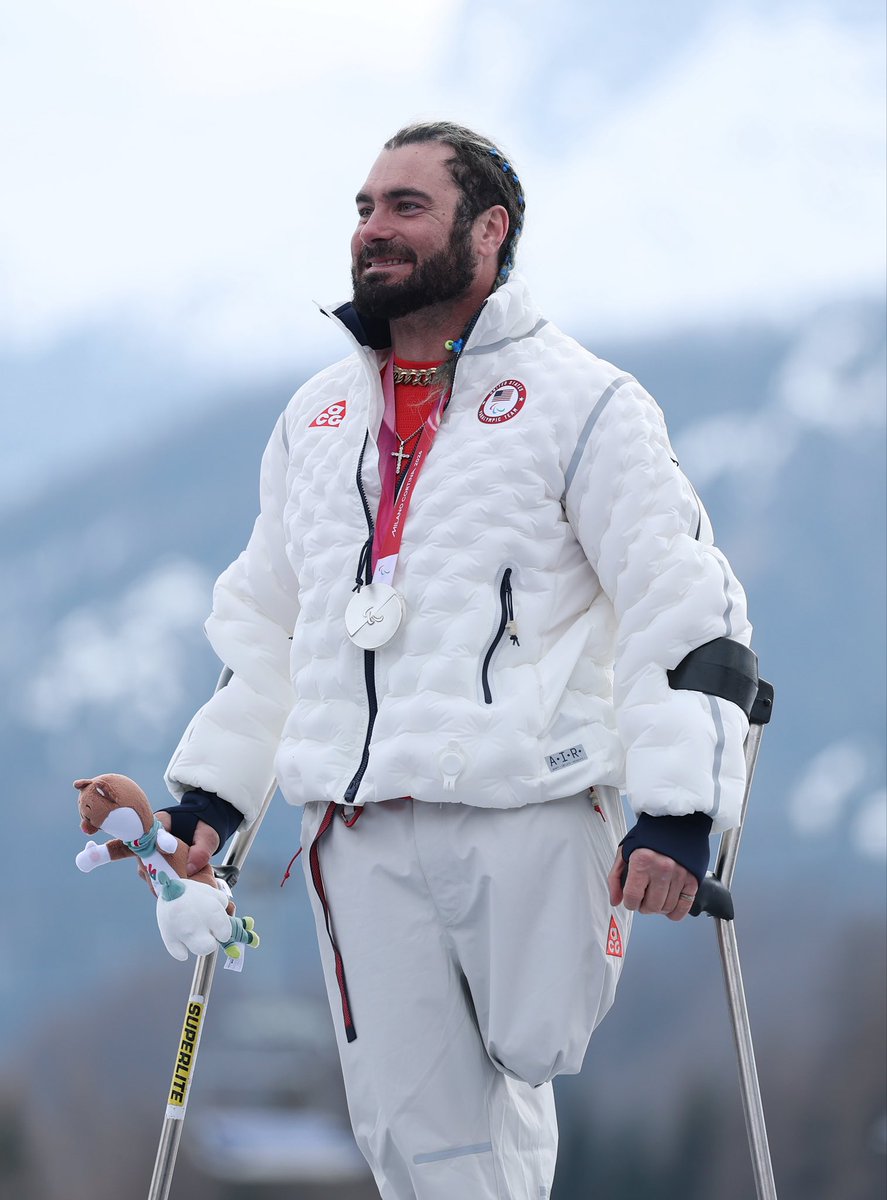
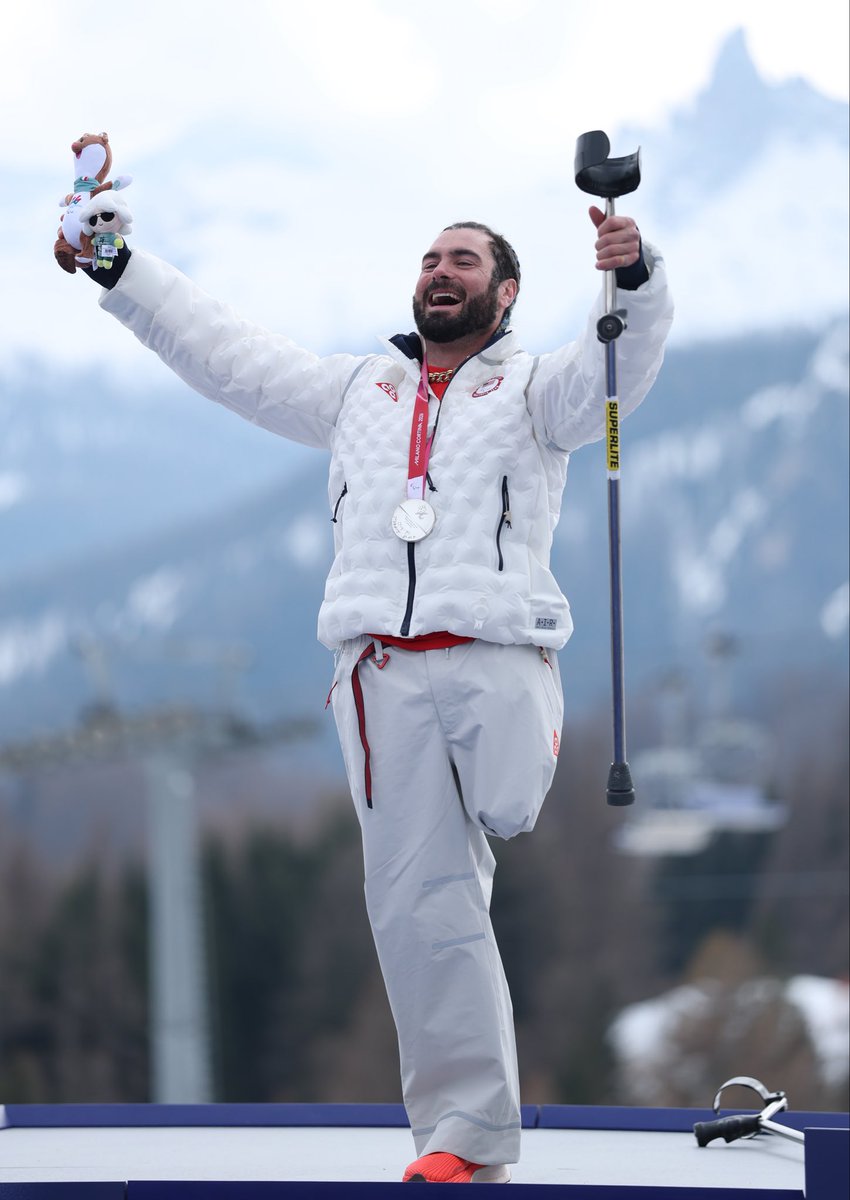
Olympians and Paralympians don’t just appear on the world stage.
They’re built on college campuses.
Our new PSA highlights the NCAA’s role in developing the world’s best athletes.
Because Olympians and Paralympians and aren’t born, they’re made here.
#OlympiansMadeHere |🔗 https://t.co/ejaX4TYxEe
Let the Games begin!
The Winter Olympics kick off tonight with the Opening Ceremony at 8/7c on @NBC and @Peacock. Join us for every breathtaking, awe-inspiring, and edge-of-your-seat moment.
The current physical activity guidelines undervalue vigorous activity.
Vigorous activity may be 4–9× more potent than moderate activity for reducing all-cause mortality, cardiovascular disease, diabetes, and cancer risk.
The exercise guidelines assume a 2:1 ratio between moderate- and vigorous-intensity activity: two minutes of moderate activity equals one minute of vigorous. That's why the recommendations are 150–300 minutes of moderate or 75–150 minutes of vigorous activity each week.
But new data suggest that ratio is wrong.
In this brand-new journal-club episode, Brady Holmer (@Brady_H) and I unpack a groundbreaking study that should change how we think about activity for disease prevention.
The research identified that 1 minute of vigorous activity is roughly equivalent to 4–9 minutes of moderate activity, and 53–94 minutes of light activity, for disease risk reduction. It also shows a clear dose-response for vigorous activity that’s much weaker for moderate activity and barely detectable for light activity.
We also do a deep dive into why vigorous activity is so powerful, the underlying mechanisms, and discuss practical takeaways, including how even very brief bouts of vigorous movement (think “exercise snacks”) can produce meaningful health benefits.
Timestamps are below. You can find links to the episode on YouTube, Apple Podcasts, and Spotify in the next post.
Enjoy!
Timestamps:
0:00 - Introduction
2:14 - The 1:2 rule for exercise
6:28 - What counts as vigorous?
8:48 - Where exercise guidelines fail
9:32 - Inside the wearable-based study design
15:24 - Vigorous activity—easier than you think?
18:01 - Avoiding healthy user bias
19:12 - A better way to measure exercise
20:58 - Is vigorous 4–10x better?
25:08 - One vigorous min vs. one-hour walk
27:15 - Are light activity's benefits capped?
29:03 - Is vigorous 5x better for your heart?
30:12 - Does zone 2 count as vigorous?
31:24 - Dose-response comparison
32:35 - Vigorous exercise & younger arteries
38:29 - Why aging hearts need intensity
41:22 - Can intensity preserve VO₂ max?
42:40 - Moderate exercise & VO₂ max limits
44:34 - Is vigorous 10x better for diabetes?
51:01 - Why intensity boosts mitochondria
56:11 - Does intense exercise kill tumor cells?
1:02:28 - Hormonal benefits
1:03:19 - Preventing falls with intensity
1:07:49 - Fighting inflammation
1:09:42 - High-intensity training & brain aging
1:11:14 - The 2:1 ratio is out the door
1:13:03 - Could vigorous exercise become a pill?
1:14:21 - Short bursts for longer life
1:18:28 - Can short bouts match full workouts?
1:22:39 - Do wearables undervalue vigorous bursts?
1:25:19 - Can micro-workouts replace the gym?
1:30:23 - Updating exercise guidelines
1:41:48 - Is light activity useless?
1:44:17 - Is vigorous exercise safe for seniors?
1:48:41 - Is HIIT harmful to female hormones?
1:54:18 - Balancing intensity & recovery (80/20 rule)
1:56:43 - Brady’s exercise routine
2:00:30 - Vigorous activity & kids’ brainpower
2:03:27 - Are we undervaluing vigorous exercise?
2:05:16 - Why chasing steps doesn't work
Women with higher urinary BPA are ~6× more likely to have a child later diagnosed with autism.
This is just one statistic among a growing body of evidence that in utero exposure to endocrine disruptors can meaningfully influence fetal neurodevelopment, during a window when the brain is exceptionally sensitive.
BPA and many phthalates can mimic or block hormones like estrogen and testosterone, disrupting signaling that guides brain and sexual development, with multiple associations reported for altered male reproductive development and primary sex characteristics.
We need a serious public-health conversation here about the concerning observational data. Because this isn’t limited to neurodevelopment—we’re also seeing broad shifts in male and female reproductive health that may be tied, at least in part, to ubiquitous chemical and plastic exposure.
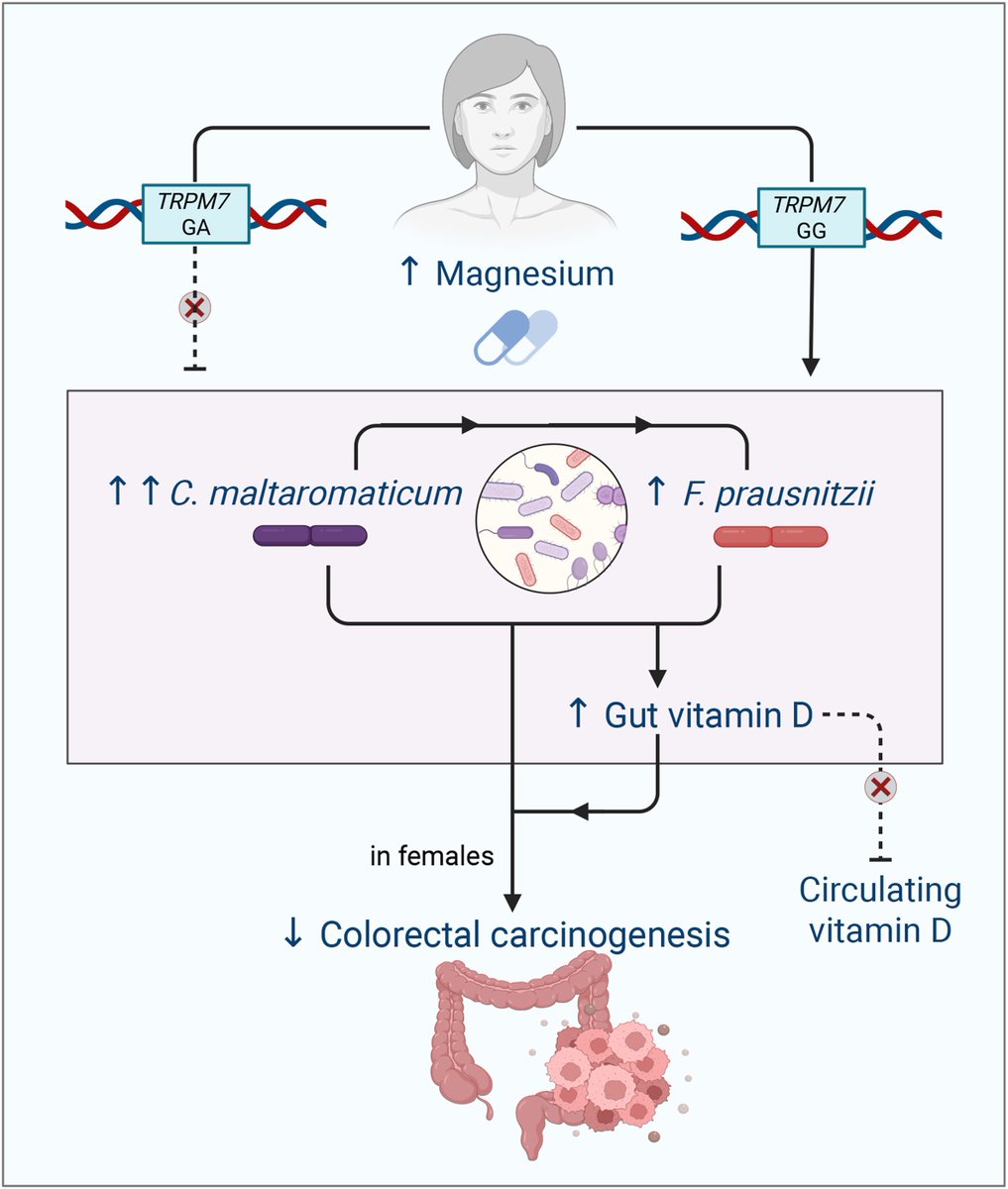
Magnesium may help make vitamin D adequate.
Personalized magnesium glycinate supplementation (12 weeks) increased levels of two vitamin-D-producing microbes in the gut: C. maltaromaticum (by 23%) and F. prausnitzii (by 2%).
Magnesium supplementation also raised 25(OH)D3 levels in the gut, but changes in these microbes did not explain that vitamin-D increase, suggesting that magnesium likely helps vitamin D both as an enzymatic cofactor and, plausibly, by supporting local gut vitamin-D-producing microbes.
Taking a single high dose (25–30g) of creatine not only reverses the cognitive impairment caused by 21 hours of sleep deprivation—it actually boosts brain function beyond rested levels
The mechanism?
High-dose creatine quickly raises brain energy stores, powering neurons under extreme stress
This rapid brain-energizing effect makes creatine promising for combating fatigue, jet lag, or even cognitive decline