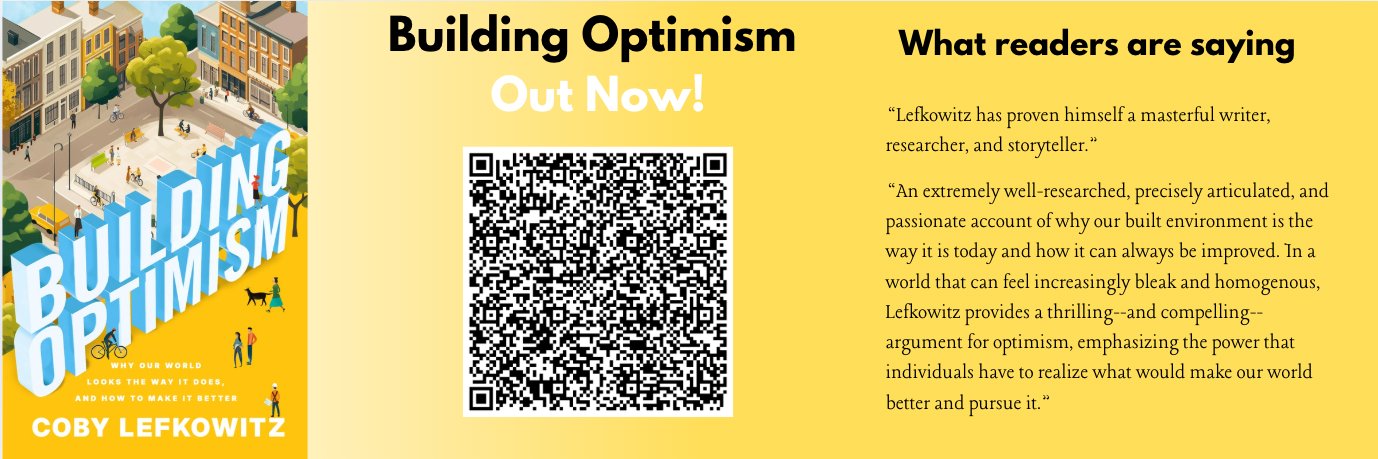
It's a hopeful work about our ability to create places today that are as good as have ever existed. Our best days are not behind us. All it takes is a little bit of Optimism to get started!
Check out the link on Amazon below!!
https://t.co/janlM4lIBC
I feel incredibly lucky to get to build a village in such a beautiful place
Grateful to everyone who supported Esmeralda these past few years to make last week's final approvals (!!!) possible https://t.co/am3rdXsC0B
A glimpse of @esmeralda_inst's land – Sonoma County, CA:
It feels demeaning to even have to explain this, but:
Amazon is *valued by investors* at about $2.8 trillion, which means they’re willing to buy, say, a 1% ownership share for $28 billion. It does not mean they have a $2.8 trillion pile of gold coins. It’s based on the value of expected future profits. It’s a prediction, not a tangible thing.
Amazon’s *profit margins* are extremely low. The consumer marketplace (how most people interact with amazon) has margins around 4%. (Amazon Web Services has a much higher margin, but almost all their customers are other giant corporations that Mamdani also hates). Furthermore, much of that marketplace revenue is advertising. Stripping this out, direct, conventional margins on Amazon sold products are essentially zero. Think about what that means: Amazon found a way to run a business delivering goods to consumer’s doors at cost. They’ve already achieved the communist dream for regular consumers: giving you what you want, overnight, at cost. And they make a profit at the same time!
How can they be worth so much on margins that thin? Scale! They serve hundreds of millions of consumers, so making even small amounts per consumer translates into a giant total figure.
But that also means that any reduction in their tiny margins tanks the entire business overnight. If government regulation turns the tiny fraction of profit they skim off their huge gross revenue from positive to negative (which, again, would require only a couple-percent tax) then suddenly that entire fraction of their business becomes worthless overnight. Investors leave, amazon shrinks to being just a cloud services provider, and Americans can no longer get overnight delivery of literally anything on Earth - AT COST - overnight. The reason for the investor valuations -expected future profits - collapses, and their is no dragon hoard of gold coins to loot anymore. Poof. You won’t have redistributed trillions. You’ll have deleted it from existence.
It’s not that Mamdani doesn’t understand this, or that he does. He doesn’t have a worldview at all. He is a rhetoric machine designed to optimize his personal power. He doesn’t know or care about the concepts of “outcomes” or “consequences”. The final form of a politician in a mass democracy.
So Flagstar bank, formerly known as New York's top Rent Stabilized apartment house lender New York Community Bank, has closed its window. The inaccessibility of normal debt financing for this kind of workforce housing represents another twist of the vise into which its providers were placed by the radical ideologues on New York State Senate's Housing Committee.
For my readers who know nothing about this, a primer. In 1974, as a reaction to the trifecta of hyperinflation caused by the Vietnam War, LBJ's Great Society overspending and OPEC's retaliatory Oil Shocks, New York State enacted the ETPA, known colloquially as Rent Stabilization, which limited rent increases (including upon vacancy) on all market rate rental buildings to an annual percentage established by a politically motivated board. By 1977, persistent inflation and inadequate legal rent increases caused the decimation of the housing stock with 200,000 units destroyed by flood and fire and 500,000 displaced residents. Tragi-poetically, the Bronx was shown engulfed in flames in the background of a nationally televised Yankees World Series game. Finally in 1994, with many neighborhoods like the South Bronx and Bushwick almost totally reduced to rubble, New York's political leadership confessed the need for reforms and offered the remaining beleaguered Rent Stabilized housing providers a path to reinvestment and restoration via "Luxury Decontrol" which enabled units renting above $2,000/mo which equated to about 250% x 1/3 of the then current median income. Manhattan landlords rejoiced as they performed thousands of vacated apartment improvements to raise legal rents (using the ETPAs formulae) and gradually decontrolled the fancy parts of the City. The reforms also offered a modest, but better-than-nothing vacancy bonus of 20% on any unit that had been occupied for a long time. Throughout the city, housing providers could at least breath again. The era of The Warriors and Death Wish was over. The residential real estate taxes on the improved buildings grew and the City's distressed financial status was also resolved.
Unfortunately in 2018, a large number of emboldened ideologues were elected to the State Senate, bent on revenge against the unseated moderate "independent" Democrats who they felt had stymied their dogmatic leftist agenda. Part of this agenda is the so-called "decommodification" of housing and conversion to public ownership for reallocation, subsequent to bankruptcy and tax foreclosure. So in 2019, they enacted the HSTPA, a series of 9 laws, proudly signed by Governor Andyboy Cuomo, among which the worst features were the imposition of a NEGATIVE rate of return on apartment and building-wide capital reinvestments. For 8 years, the old buildings were then subjected to 34% inflation while the politically determined legal rent increases were only 12%. By 2025, 15% of the buildings, mostly in the Bronx and Upper Manhattan, representing around 150,000 apartments were losing money on operations before debt service. And then came the famous "freeze the rent".
The exuberant radicals who now run the City and the State's Legislatures fantasize that persistent imposition of revenue starvation will result in hundreds of tidy buildings being delivered for free to preferred NGOs (Copa/Topa) and new Public Agencies (NYSHDA). They also imagine that there are no implications to the NGOs who rely on the same redlined mortgage financing. And here is the very worst part, they are too busy spiking the football and doing touchdown dances over their radical victory to listen to any constructive suggestions or offer beleaguered owners a dignified offramp.
1/2
https://t.co/k97Zth3Tsa
Without minimum lot width reductions / maximum lot width restrictions, I don'r know how much impact this will have. Capital is going to follow the path of least resistance which are block-through five over ones with double loaded corridors, which get build b/c they're efficient!
Single stair reform is the way. It allows us to build more homes at lower cost. Building more homes lowers people’s cost of living and makes us more prosperous. Democrats should go to the mat for more homes.
Absolutely, though I still think institutional developers aren't structured to build these sorts of products, and they build most of the housing. These are incremental forms, where infill / sub-institutional builders play, but they've been blocked out from the market for reasons beyond land use
Very fair! Though I do think institutional developers are capitalized in such a way that smaller single stair buildings won't make sense for them to build, this is more the purview of infill / sub-institutional builders, who have been blocked out from the market for myriad reasons beyond land use
I agree with you theoretically that the designs would be great as I admire many of the precedents floating about, but I don’t think it’s true the worst case is getting built, they’re the most efficient in the current land use / financing environment, which optimizes for different outcomes than a lot of the single stair movement seems to acknowledge, which means there won’t be a movement of these structures because there’s a disconnect on how buildings get financed
I’d love to see that data! It seems a theoretical right now about what ought to pencil, but unfortunately that’s very different than how market participants respond (at least today!)
The European financing system is so vastly different and more co op based, it seems to me, whereas the typology for this would be rentals, which I don’t see discussed as often
I’d add that parking demands (not requirements necessarily) in sunbelt & mountainbelt metros (where most new apartments are constructed) force the Texas doughnut form factor. Combined with institutional imperatives and cultural variances, I don’t see this being an area of focus that will lead to a lot of new homes.
With high construction costs you may get some single stair condos, but they’d have to be in an amenity rich enough area to take market share away from detached SFH, and these areas have the highest labor / land prices, so to the extent many are built, they’ll be more expensive condos.
Though each book diminishes returns, trodding on proven ground, I'd still recommend remaining a voracious reader of whatever discipline as the reinforcement of these concepts is invaluable, so that esoteric knowledge comes to feel like common sense, and will allow one to make connections within / without the discipline more easily
You're never more than 25 books, casual daily news tracking, and a few kindred friendships from becoming an expert in whatever field you want to be in.
Of course this is more difficult in topics like particle physics or econometrics, but it's basically true.
With how little people read today, and how accessible information is, one may need only read 10-15 key books.
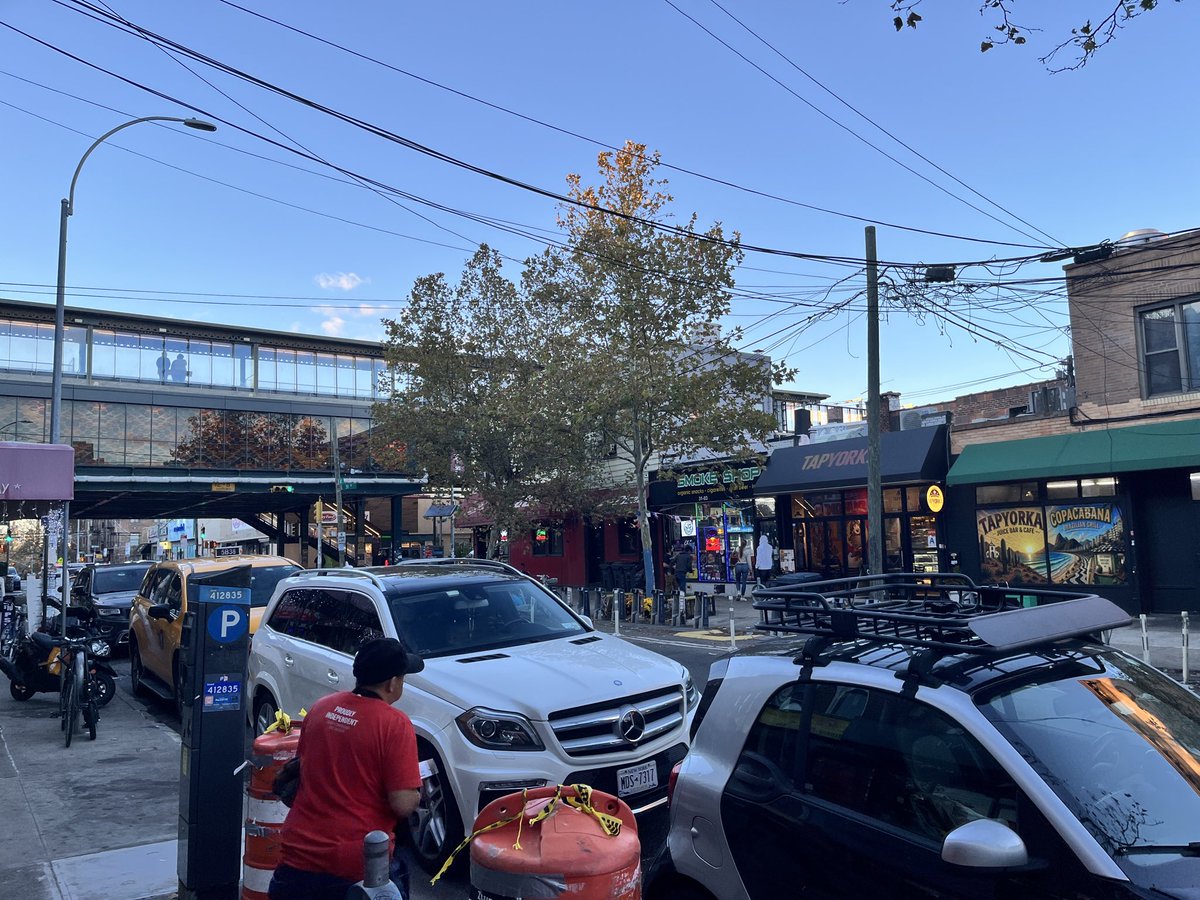
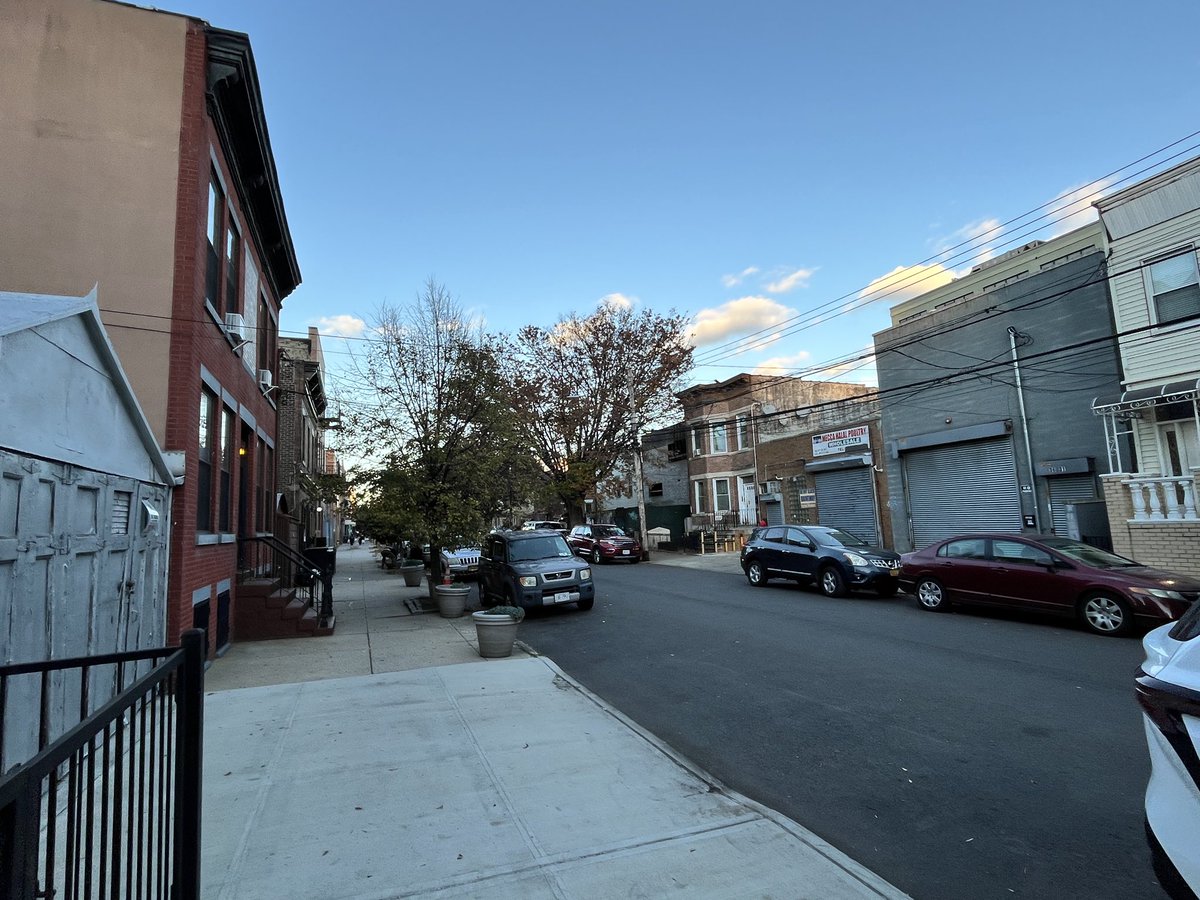
Queens remains the most fascinating part of New York, partly because of its absolutely incoherent zoning.
In pockets north of the Queensboro bridge new multifamily isn’t allowed, despite 65 story residential towers next door, so you get wild hotels and one story homes
One would have a strong case arguing 1961’s rezoning of the city is among the worst-if not the worst-policy decisions of the 20th century. Yes, the city was competing with the suburbs, but trying to become the suburbs doomed it.
How much productivity, prosperity, did we forego?