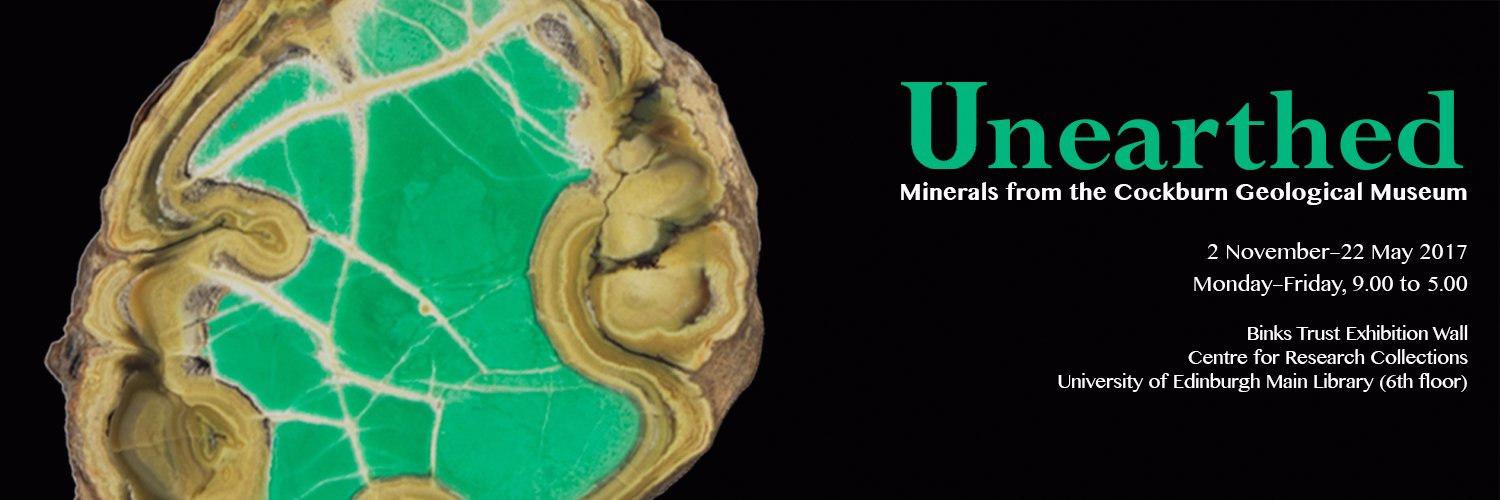
A collection of #Rocks, #Fossils, #Minerals & other things Earth Science held by the University of Edinburgh. We love Science in the news and all things Rock!
Great new blog out today 'Addressing biodiversity loss and climate change together: a great opportunity for museums with natural history collections' https://t.co/tJhAQRVe7K
You never lose that magical feeling of being the first person to find a piece of deep time.
A 180 million year old Jurassic ammonite from a quarry in Holzmaden, southern Germany.
⚒️ Happy #FossilFriday
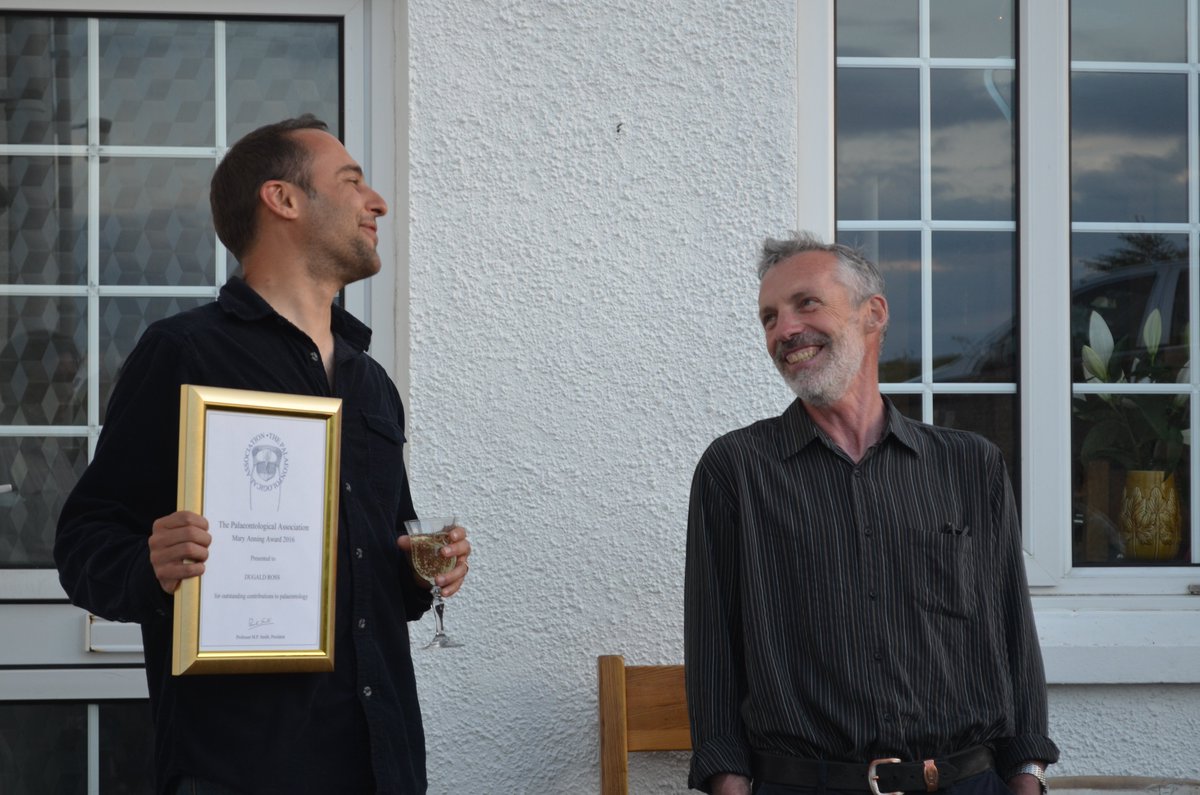
Truly one of the greatest honors of my life to today present Dugie Ross an honorary Doctor of Science at @EdinburghUni.
Dr Ross left school young, built his own museum, discovered some of the first Scottish dinosaurs & made Skye into Scotland's Dinosaur Island.
Congrats Dr Dugie!
We are delighted to see the second part of the four part series released today! Great work by @RhianMeara and @timeforgeog! @marcreichow @uniofleicester
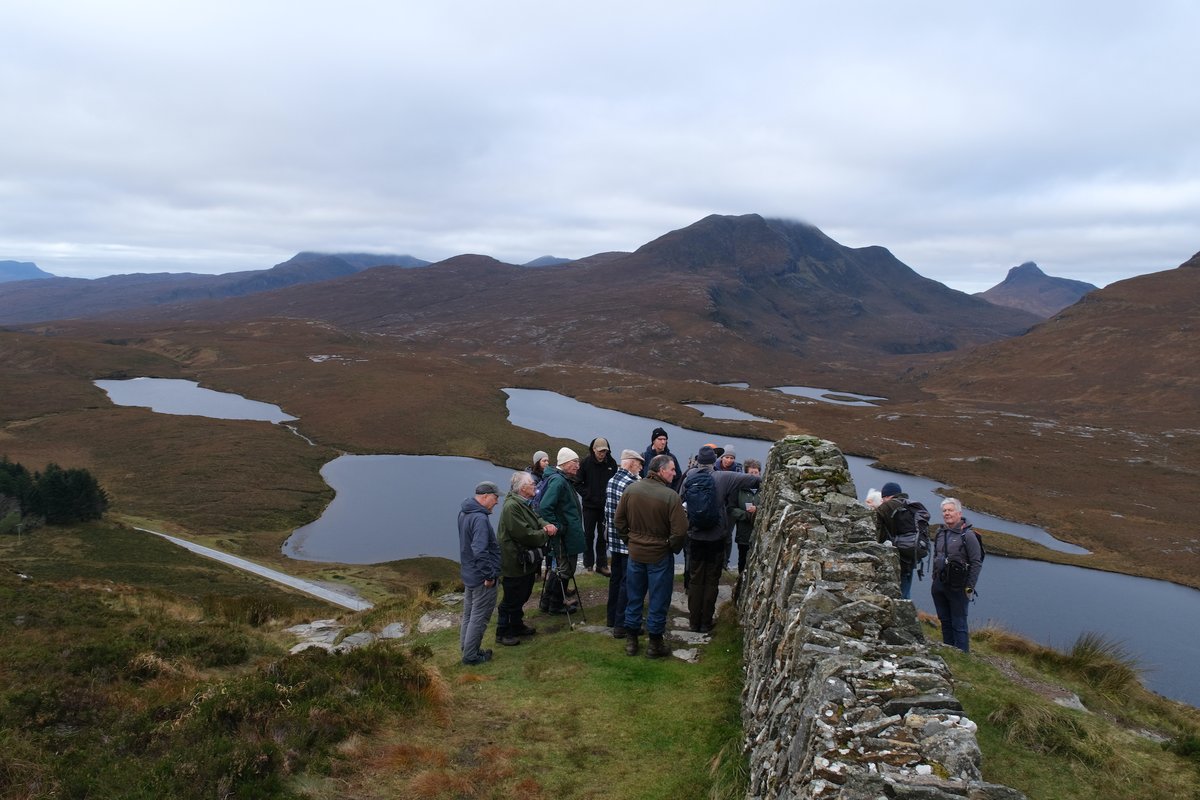
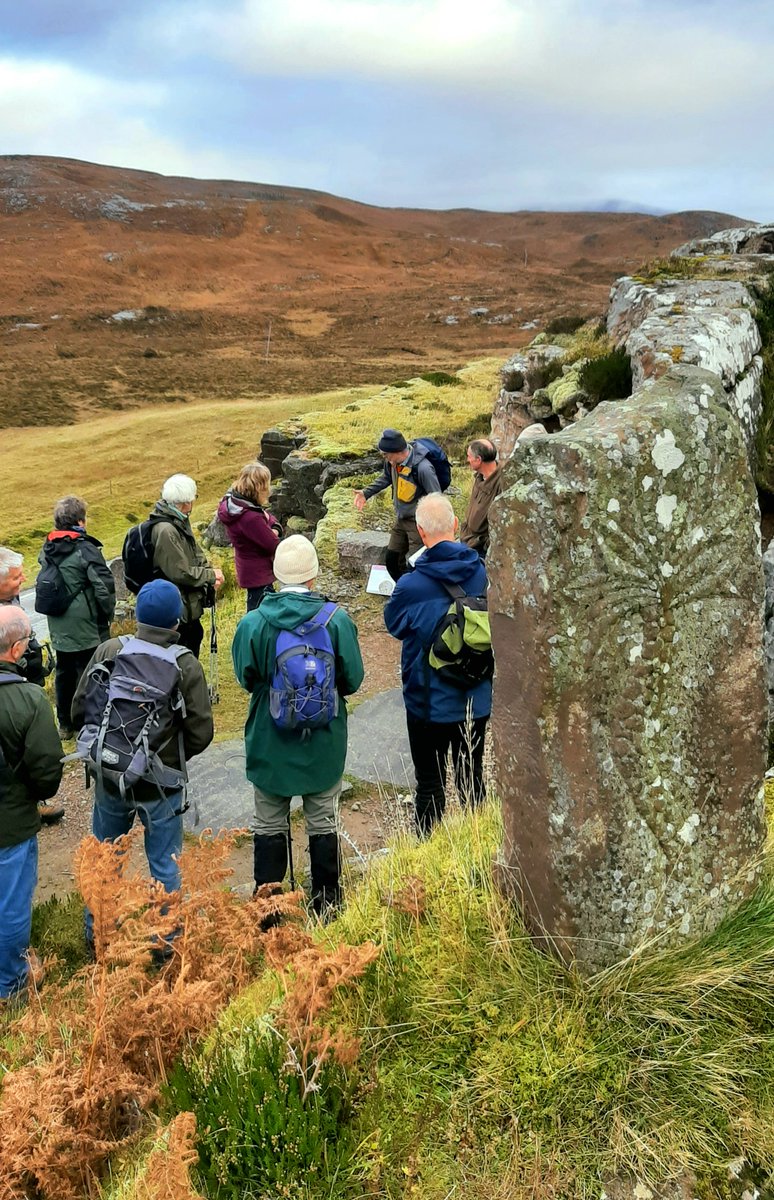
The Sir Archibald Geikie Centennial Celebrations officially commenced last Sunday - and included a field trip to the iconic geosite Knockan Crag, led by Prof Robert Butler from Aberdeen University! ⛰
2 more days of events to go! Find out more & book here https://t.co/8h3Shd8mqH
Day 7 of #30DayMapChallenge. Vintage style. If you’re looking for some inspiration why not take at look at the earliest geological maps of Ireland on https://t.co/GWG4iZeOfR
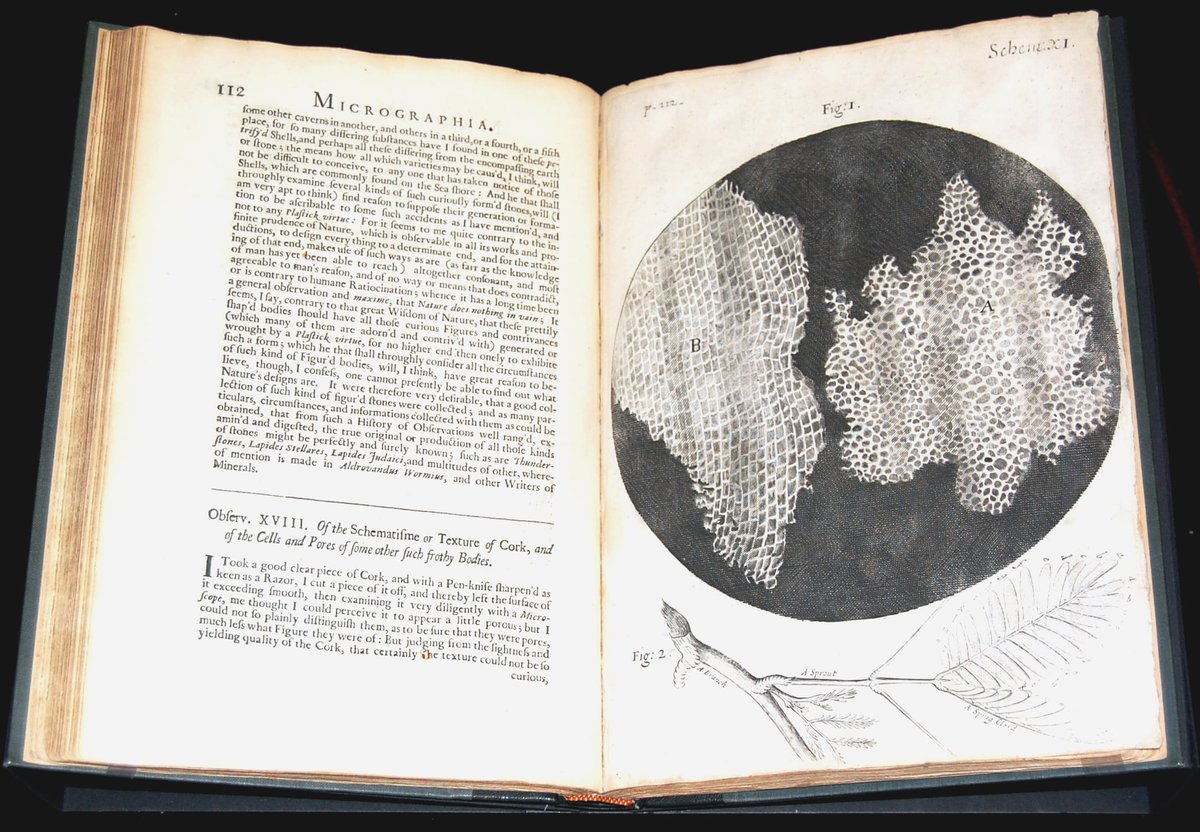
November 3, 1664, British naturalist Robert Hooke shows an advanced copy of his "Micrographia" to the Royal Society in London. The book contains the first figure showing cells in petrified wood 🦠🔬
https://t.co/ZTGiTSJf7E
📢Our new 'Women on the Rocks' display is now open at Kelvin Hall. Delve into lesser-known stories of some of Scotland's pioneering women geologists.
Learn more about the women whose work has helped us to understand the Earth, including Elizabeth Gray – Scotland's Mary Anning!
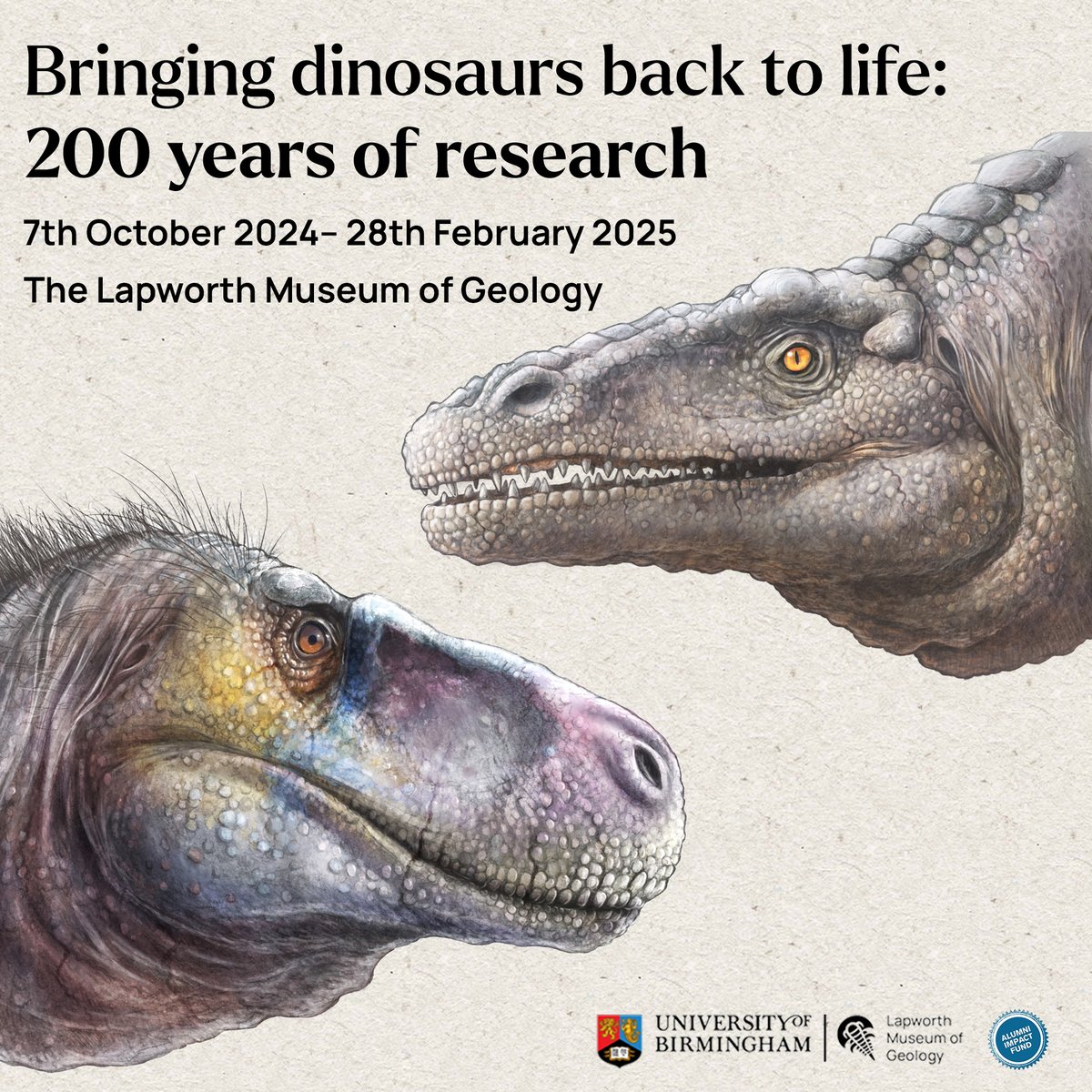
Our new temporary #exhibition “Bringing #dinosaurs back to life: 200 years of research” opens on Mon 7th Oct.
Explore how #science has changed our understanding of dinosaurs, how they looked like and how they may have lived.
Read more: https://t.co/gL1cZt6Q2d
@unibirmingham
If you ever wanted to see some of my specimens in 3D from the comfort o your own home... thanks to the amazing work of our Digital Imaging Unit - you now can! And here is a blog to let you know how they did it:
https://t.co/u3h0HOlE3Q
#3D#Lyell#FlintTools#Archaeology
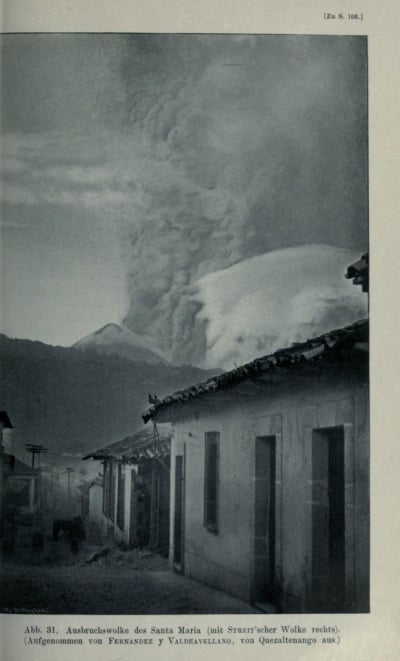
October 24, 1902, Santa Maria volcano in Guatemala erupts killing 6.000 people and becoming one of the three largest eruptions (VEI 6) of the 20th century
https://t.co/pNruj3gC8S
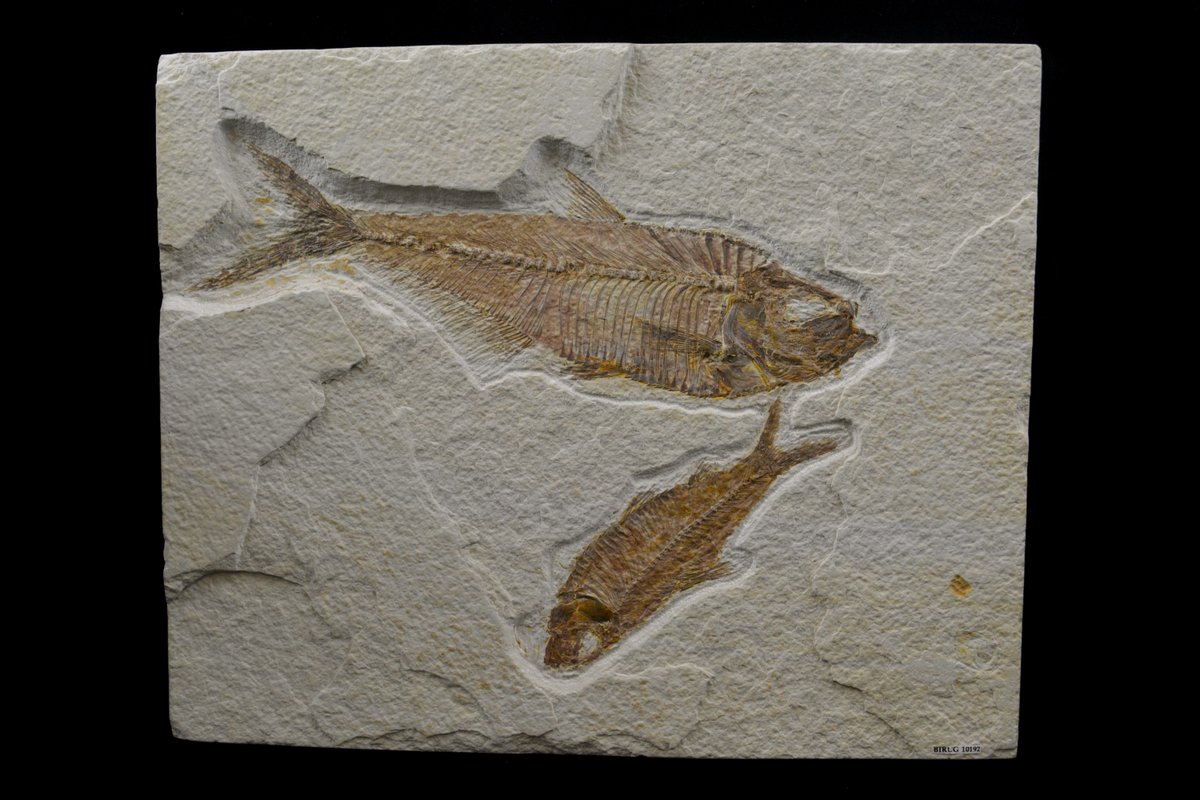
These ancestors of sardines are commonly found together in the creatively named “Fossil Lake” of Wyoming. Knightia eocaena (the smaller one) is one of the most commonly found complete vertebrate #fossils anywhere in the world!
Post by Adam Abrahams.
#FossilFriday#palaeontology
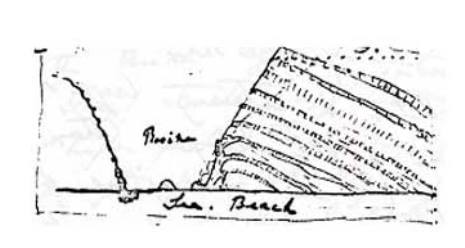
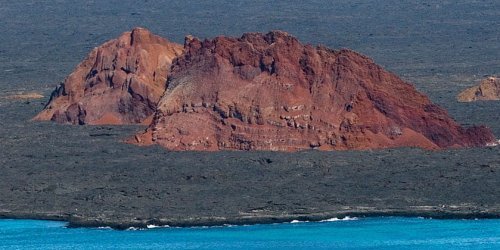
October 18, 1835, naturalist Charles Darwin takes his last steps on the lava of the Galápagos islands 🌋
Sketch by Darwin himself of superimposed lava-flows as seen along the coast of the island of Santiago
https://t.co/csizZFnWqU
Just two women, Elizabeth Philpot and Mary Buckland, writing to each other on December of 1833, at the eve of palaeontology, exchanging pictures of Ichthyosaur skulls drawn with ink from fossilised squids. Life was good.
[Buckland archive, Oxford Museum of Natural History]








![Pteroterror's tweet photo. Just two women, Elizabeth Philpot and Mary Buckland, writing to each other on December of 1833, at the eve of palaeontology, exchanging pictures of Ichthyosaur skulls drawn with ink from fossilised squids. Life was good.
[Buckland archive, Oxford Museum of Natural History] https://t.co/ybuX3uGzXC](https://pbs.twimg.com/media/GZo0nyFWcBMaJd8.jpg)


