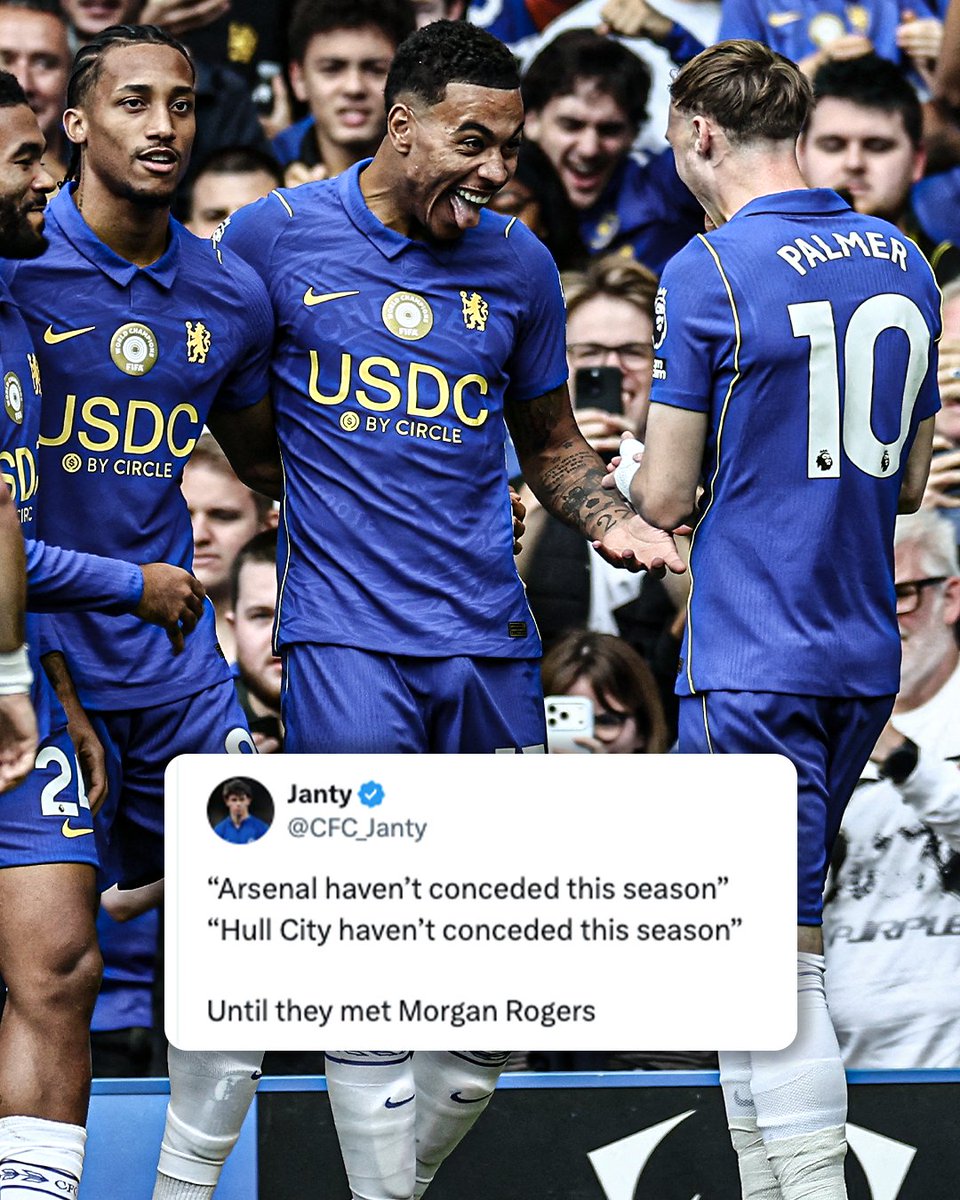
Anytime I start feeling sorry for Manchester United, I remember Evra and think to myself that people like him probably deserve every bit of what they must be going through right now. 🤷🏾♂️
A night at Korle-Bu in April 1985. A young doctor dies in her bed with a knife wound to the chest. Her husband is the only other person in the room, and he says she did it herself. Nobody saw it. The knife was never found.
Agnes Yeboah and Duah met as students in India, where his father was Ghana's High Commissioner. Her father opposed the marriage, so they married quietly without telling her parents. By 1985, she was a 26-year-old doctor at Korle-Bu with a six-month-old daughter. He lived in London.
On 9 April 1985, he flew in, for reasons nobody was ever sure of, and spent three days with her at the doctors' flats. Her brother said she seemed happy throughout.
At about 2:30am on 12 April, a taxi pulled up at his uncle's house at Kuku Hill. Duah handed over a bag, a note and £1,000 for the baby. Walking back to the taxi, the uncle said, he spoke three words in Twi: "Meku Aggie." I have killed Aggie.
Back at Korle-Bu, Agnes lay dead behind a door Duah had locked. The wound went in high on the right side, through her lung, to a rib at the back. The doctor at the post mortem said that took real force. She was a doctor. She knew her heart was on the left.
Duah's story kept moving. To the police, a suicide pact. In court, it was her idea alone. She stabbed herself, he said, and held out the knife, telling him it was his turn. He pressed a towel to her wound. Then he dressed, locked the door and left. The building was full of doctors. He called no one. He said he left the knife behind. Nobody entered until the police forced the door. It was gone.
The jury took under an hour. Murder. Death sentence, 12 September 1985.
On appeal, Dr Ekow Daniels went straight for the three words. The uncle had admitted he might have misheard, and Duah said the words were "Aggie is dead". Counsel also argued they were spoken hours later and miles away, so they could not count as words blurted out as part of the event.
The Court agreed on that second point. It did not help. The words were still a confession, made freely to a relative with no power over him. And the uncle was the man Duah trusted, who had even pleaded with Agnes's father over the marriage. Why would he invent it? The Court said it goes by real evidence, not possible evidence.
Counsel then said the medical evidence was mere opinion and the wound looked suicidal. The Court accepted his law: without an eyewitness, the circumstances must point to guilt and nothing else. Then it laid out the facts. Last person with her. First to announce her death. Every opportunity. And the wound ran upwards at an angle.
The best bit? The Court opened the forensic textbook defence counsel had cited and read out that wounds running from below upwards generally point to homicide.
On the suicide story, the Court asked its own questions. Would a woman who had defied her parents for love kill herself to spite them and leave her baby behind? Would a doctor with every drug within reach choose a knife, and miss her heart by stabbing the wrong side? Its word for it: "a sham".
Three words to an uncle, a wound on the wrong side, and a knife that could not be found. Appeal dismissed.
Duah v The Republic [1987-88] 1 GLR 343, Court of Appeal. Abban, Wuaku and Amua-Sekyi JJA. Judgment by Abban JA, 16 July 1987.
#GhLegalStories
Careless takes such as these ensure that irresponsible refereeing continues. So because he's top of the table, he shouldn't call out a terrible decision?
👀 "I don't know what he's worried about, he's top of the table!"
🔥 "I'd be absolutely buzzing that we've just won at Sunderland!"
Tony Cascarino doesn't get Mikel Arteta's anger in his post-match interview after Arsenal's 2-0 win against Sunderland