Korea’s First Taegeukgi—and an American Navy Book
In an American naval flag book published in 1882, a taegeuk and four trigrams appeared beneath the name “COREA.”
On 22 May that year, Joseon Korea signed a treaty with the United States at Chemulpo, now Incheon.
The ceremony is identified as the first use of the Taegeukgi.
Korea already had royal and military flags.
Dragon banners accompanied the king, and the great gyoryonggi represented his command.
Now the kingdom needed a national flag for its expanding diplomatic relations.
A Joseon official, Yi Eung-jun, is credited with making the flag used for the treaty.
Traces of that early flag survive in American records: a drawing found in the papers of treaty negotiator Robert Wilson Shufeldt, and a design printed in the U.S. Navy’s 1882 Flags of Maritime Nations.
The National Museum of Korean Contemporary History presents them as the earliest surviving Taegeukgi designs, thought to be connected to the treaty ceremony.
The exact appearance of the flag flown that day remains uncertain.
These are surviving designs, not the original cloth flag.
Long before the Republic of Korea existed, the Taegeukgi had entered the record at a meeting between Joseon and the United States.
Why did a kingdom whose royal banners bore dragons choose a taegeuk and four trigrams to represent it abroad?
The German Major Who Fought Beside Americans Against the SS
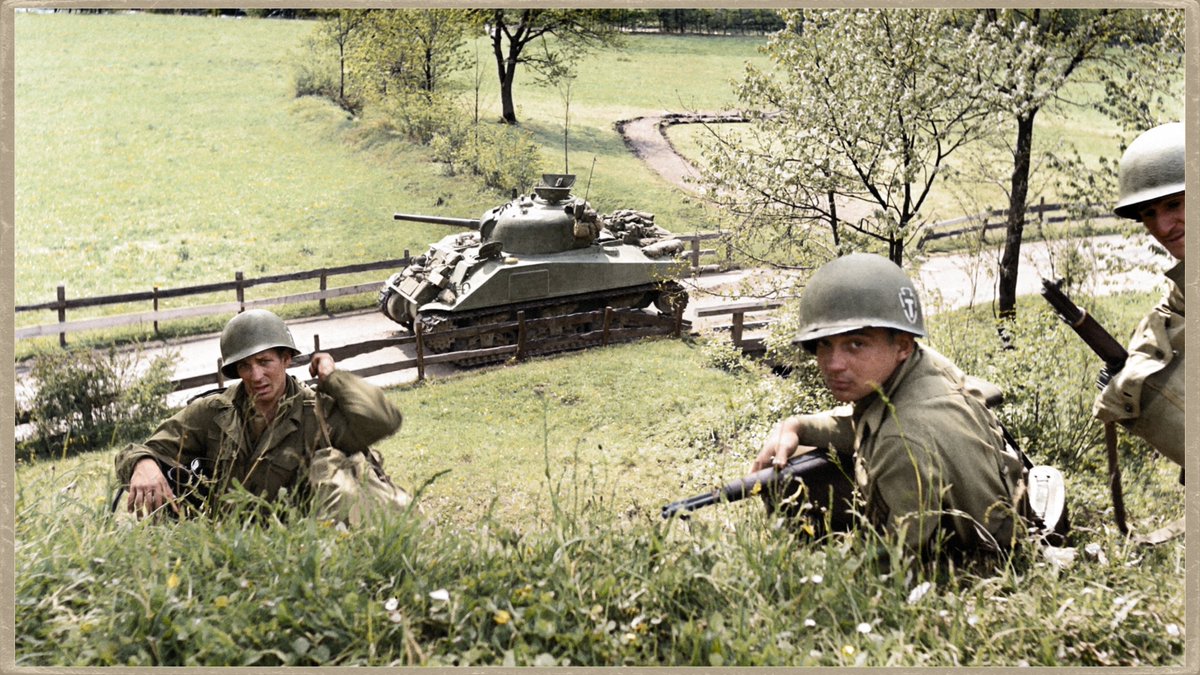
At Castle Itter, a German major helped an American captain organise the defence of French prisoners.
When the attack came, they fought on the same side.
It was 5 May 1945, in Austria.
Among the prisoners were former French prime ministers Paul Reynaud and Édouard Daladier.
Major Josef “Sepp” Gangl had contacted the local resistance in nearby Wörgl and sought American help.
He and Captain Jack Lee brought German and American soldiers into the castle and prepared to hold it until reinforcements arrived.
A Sherman tank guarded the entrance.
Under heavy fire, the defenders used the castle’s walls and commanding position to hold off the attackers.
The tank was knocked out, and Gangl was killed.
American reinforcements reached the castle, and the prisoners survived.
Gangl had helped save people whom the Nazi regime had imprisoned.
He had risked—and lost—his life.
His earlier beliefs complicate the way that final action is remembered.
Historian Horst Schreiber describes Gangl as a long-standing, convinced Nazi.
His cooperation with the resistance came in April 1945, with Germany facing defeat; by 30 April, he had taken its military leadership.
The sequence is documented.
The reasons for his change of allegiance are less certain.
Military historian Leonard Kleiber questions accounts that assume purely selfless motives and turn the episode into a story of a “good Wehrmacht” fighting the SS.
He notes that Wehrmacht personnel also fought among the attackers.
Gangl’s courage at Itter deserves recognition.
It also leaves a harder question about how we remember him.
How should we honour that courage while keeping his years of support for Nazism in the same picture?
USS Tang Was Sunk by Her Own Last Torpedo
The torpedo curved left and came back.
About twenty seconds after launch, it struck the submarine that had fired it.
On the night of 24 October 1944, USS Tang was attacking Japanese shipping off China.
After breaking away from a convoy, Commander Richard O’Kane returned to finish a damaged transport with his last two torpedoes.
The first ran straight.
The second circled back.
Tang tried to evade, but the torpedo hit near her stern.
The submarine sank into 180 feet of water—about 55 metres.
Men trapped inside moved forward as the aft compartments flooded.
Then a Japanese patrol dropped depth charges.
An electrical fire broke out in the forward battery compartment, delaying their escape.
By the time the last man left the forward compartment, heat was scorching and melting the paint on the bulkheads.
According to the U.S. Navy’s loss account, thirteen men escaped from inside the wreck.
Eight reached the surface.
Only five survived until rescue.
Together with four men who escaped from the bridge and conning tower, they made nine survivors, including O’Kane.
A Japanese escort picked them up.
Aboard were survivors of ships Tang had sunk.
Some beat and kicked the Americans they had pulled from the sea.
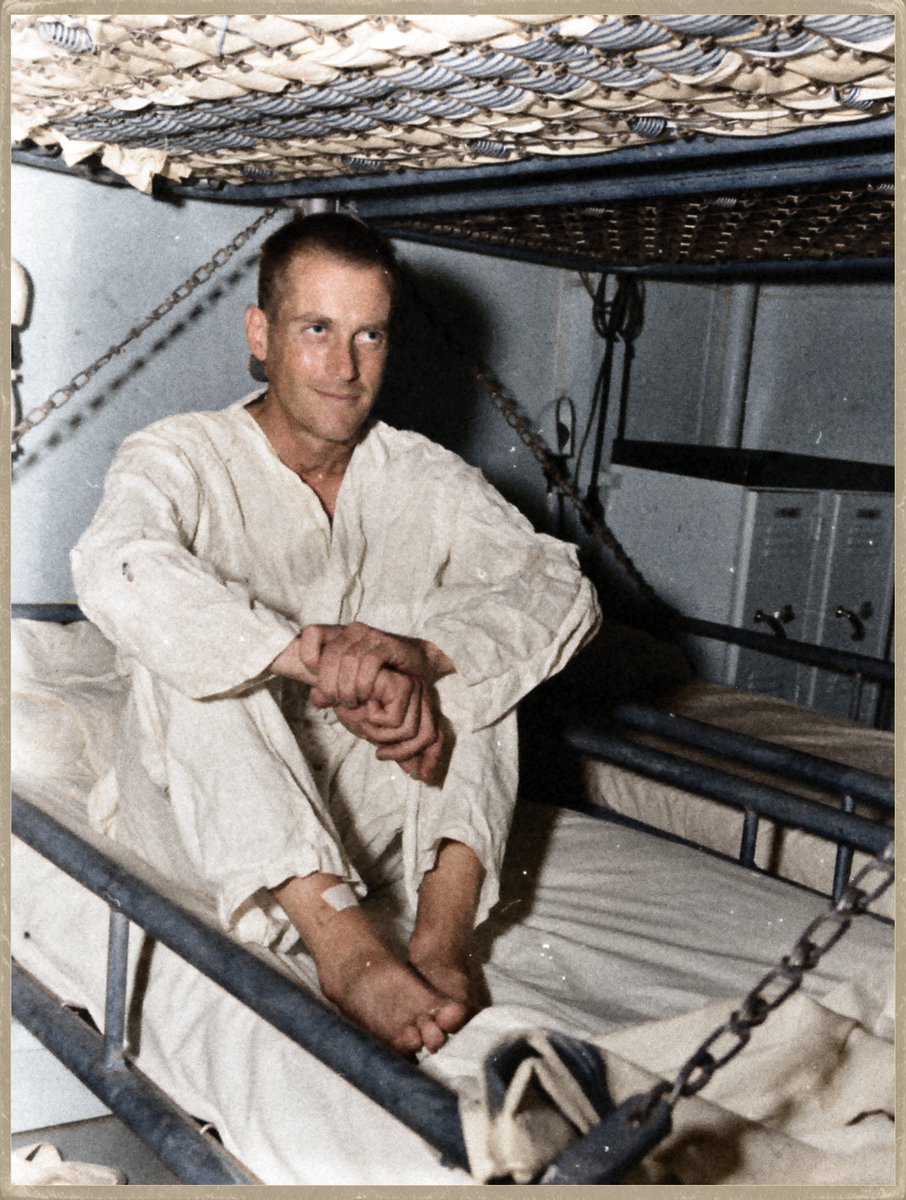
The nine spent the rest of the war in Japanese prison camps.
What should a navy demand of a weapon’s reliability when one malfunction can sink the submarine that fires it?
Korea’s First Taegeukgi—and an American Navy Book
In an American naval flag book published in 1882, a taegeuk and four trigrams appeared beneath the name “COREA.”
On 22 May that year, Joseon Korea signed a treaty with the United States at Chemulpo, now Incheon.
The ceremony is identified as the first use of the Taegeukgi.
Korea already had royal and military flags.
Dragon banners accompanied the king, and the great gyoryonggi represented his command.
Now the kingdom needed a national flag for its expanding diplomatic relations.
A Joseon official, Yi Eung-jun, is credited with making the flag used for the treaty.
Traces of that early flag survive in American records: a drawing found in the papers of treaty negotiator Robert Wilson Shufeldt, and a design printed in the U.S. Navy’s 1882 Flags of Maritime Nations.
The National Museum of Korean Contemporary History presents them as the earliest surviving Taegeukgi designs, thought to be connected to the treaty ceremony.
The exact appearance of the flag flown that day remains uncertain.
These are surviving designs, not the original cloth flag.
Long before the Republic of Korea existed, the Taegeukgi had entered the record at a meeting between Joseon and the United States.
Why did a kingdom whose royal banners bore dragons choose a taegeuk and four trigrams to represent it abroad?
How the Iraq Occupation Helped Open the Way for ISIS
On 23 May 2003, Paul Bremer signed an order dissolving Iraq’s army.
Former soldiers lost their jobs.
Their weapons and military experience remained.
A week earlier, the U.S.-led occupation authority had barred senior Ba’ath Party members from public employment and ordered screening of senior public-sector managers.
The purge reached into the bureaucracy that kept services running.
The army had already scattered during the invasion.
Bremer’s decision closed the door on recalling it as an existing institution.
A new army would be built from scratch.
The effects reached beyond the barracks.
Families depended on those wages, while reconstruction needed experienced personnel.
Mass dismissal deepened resentment and left armed men vulnerable to insurgent recruitment.
For civilians, the crisis reached the dinner table.
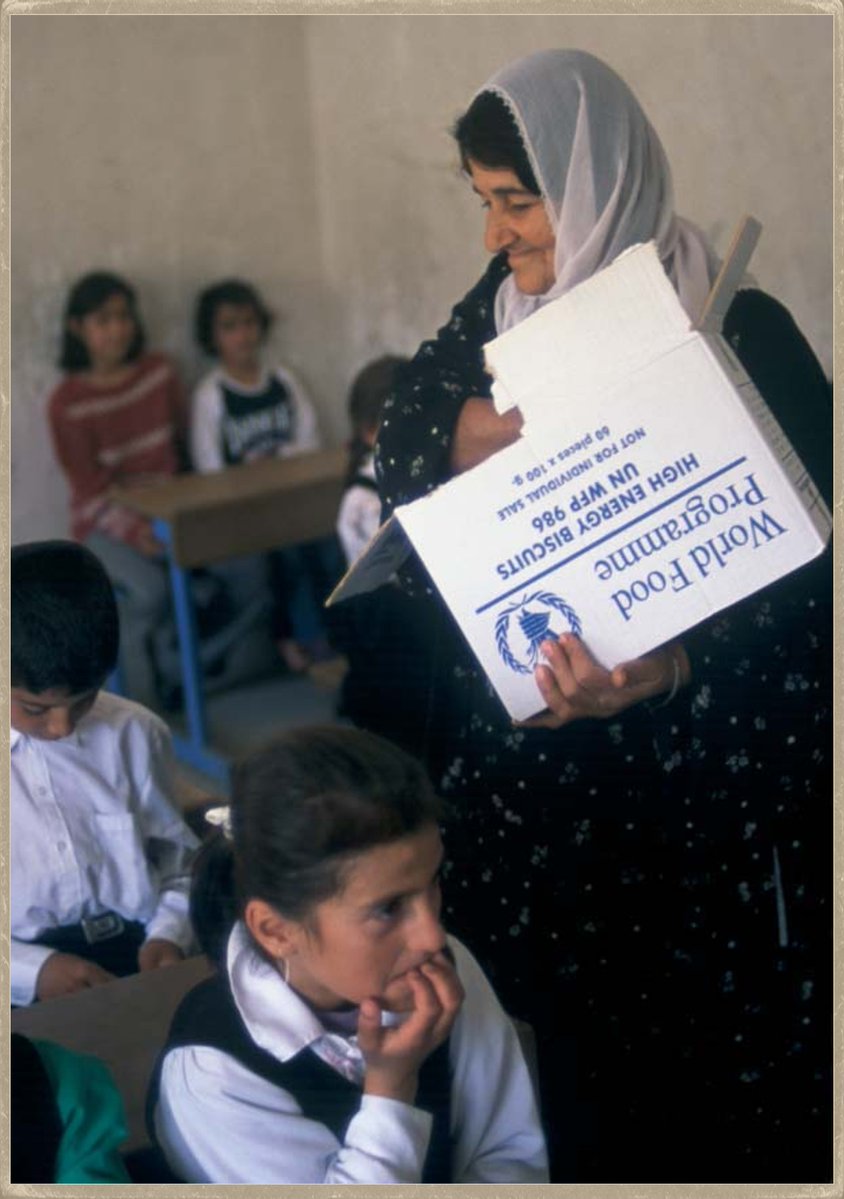
Food rations resumed in June.
But FAO and WFP found no functioning administrative structure able to sustain food procurement and transport without extended assistance.
Warehouses faced looting, supply routes needed protection, and poor families received inadequate rations.
These failures helped fuel instability.
ISIS’s predecessors exploited the turmoil, and some former regime officers joined the movement.
Its rise was not inevitable.
Sunni tribal resistance, U.S. reinforcements and Iraqi operations weakened it after 2007.
It rebuilt amid Sunni political grievances and Syria’s civil war.
In June 2014, it captured Mosul and proclaimed a caliphate.
How could Iraq dismantle Saddam’s machinery of repression while preserving the institutions people needed to live?
고구려(高句麗)의 흥미로운 신앙, '수신(隧神=동굴 신)' 제사를 소개합니다.
여러분도 아시다시피, 고구려에서 주몽(朱蒙)과 그의 어머니는 모자신(母子神)으로서 숭배되었습니다.
(주몽의 어머니 '유화부인(柳花夫人)'이라는 이름은 후대에 등장하므로, 논문에서는 '시조모(始祖母)'라는 용어를 사용하였습니다)
중국의 역사서인 《삼국지(三國志)》의 <동이전>에서는, 고구려에 있던 독특한 제사의례인 동굴 관련 신앙을 명합니다.
"고구려의 수도 동쪽에는 '수혈(隧穴)'이라는 큰 동굴이 있다. 고구려인들은 10월에 이곳에 모여 '수신(隧神)'을 맞이하는 제사를 올린다."
여기서 '수신(隧神)'은, 말 그대로 '동굴(隧)의 신'을 의미합니다.
이 동굴의 신.
고구려인들이 10월에 특별히 맞이하는 의례를 지냈던 신의 정체가 누구일까요.
흥미로운 견해가 있어 소개합니다.
바로 시조모(始祖母)(훗날의 '유화부인')라는 것입니다.
그 근거는, 제사 내용이 '동굴의 신을 맞이한다'는 것입니다.
동굴 안은 어둡습니다. 햇빛이 닿지 않습니다.
그러나 밖에서 사람들이 그들을 맞이할 때는 비로소 햇빛이 비추어 밝아집니다.
이것을, 바로 유화부인이 햇빛을 받고 주몽을 잉태했다는 고구려 건국신화와 연결하는 것입니다.
즉,
동굴의 신을 맞이한다
= 어두운 곳에서 바깥으로 나와 햇빛을 받는다
= 시조모가 시조 주몽을 잉태하는 순간을 재현한다
이렇게 보는 것이죠.
고구려에서 태양은 특별한 의미를 가졌습니다.
《위서》에서 전하는 주몽신화에서는, 주몽이 스스로 '태양의 아들(日子)'라고 밝힙니다.
《구당서》에서는 고구려인들이 태양신을 숭배한다고 하였다는 기록이 있습니다.
《속일본기》 790년조 백제왕씨가 간무천황에게 올린 표문에서는, 주몽을 "태양신의 신내림(日神降靈)"으로 설명합니다.
즉, 태양은 고구려인들에게 있어서 자신들의 시조인 주몽의 아버지 같은 존재였습니다.
《삼국지》 <동이전>에 실린 고구려의 동굴 제사는, 바로 주몽의 아버지인 태양과 어머니가 만나는 신화를 재현하는 것으로 본 것이죠.
정설은 아닙니다.
정확히는 기록의 부족으로 알 수 없는 부분이 많습니다.
그러나 꽤 흥미로운 해석이라 소개해봅니다.🤣
(이미지는 ChatGPT로 제작하였습니다. 고증이 정확하지 않은 상상의 그림입니다😂)
Niech żyje Polska!
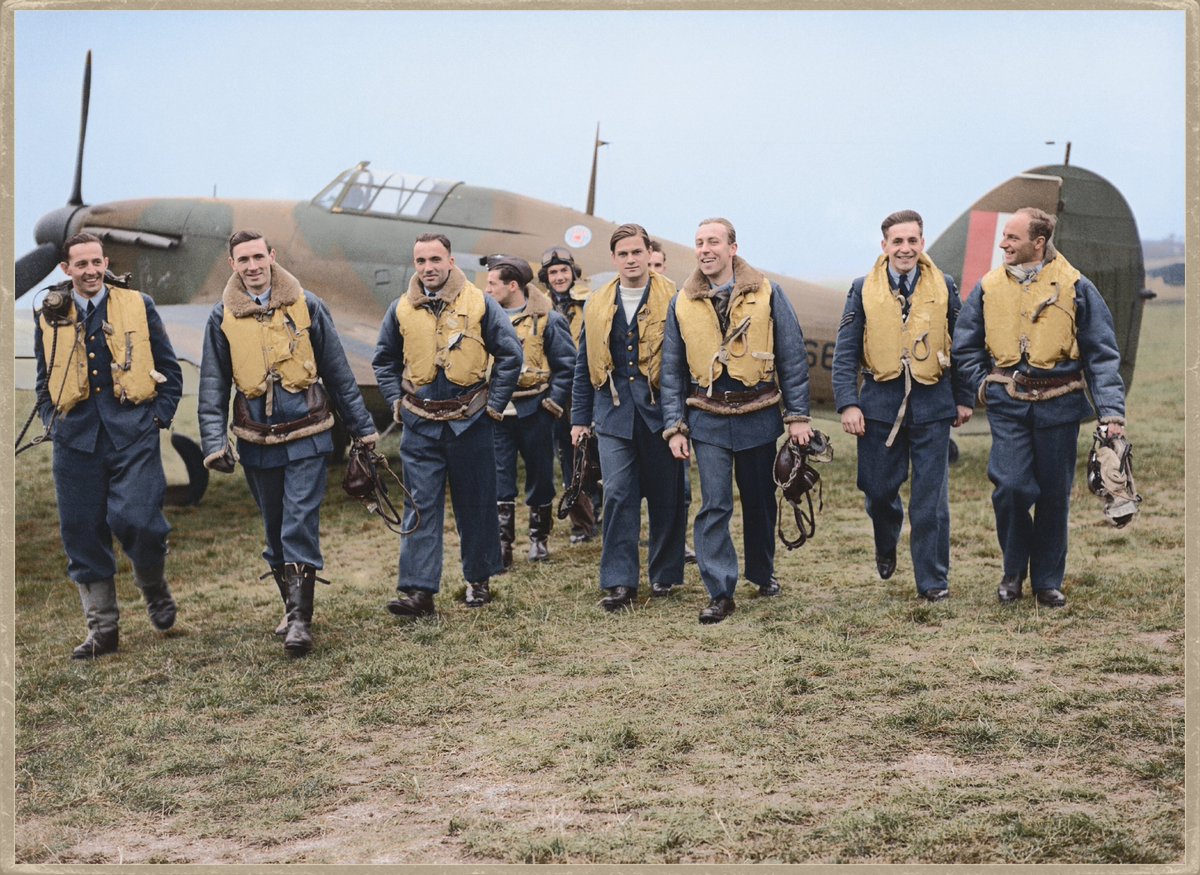
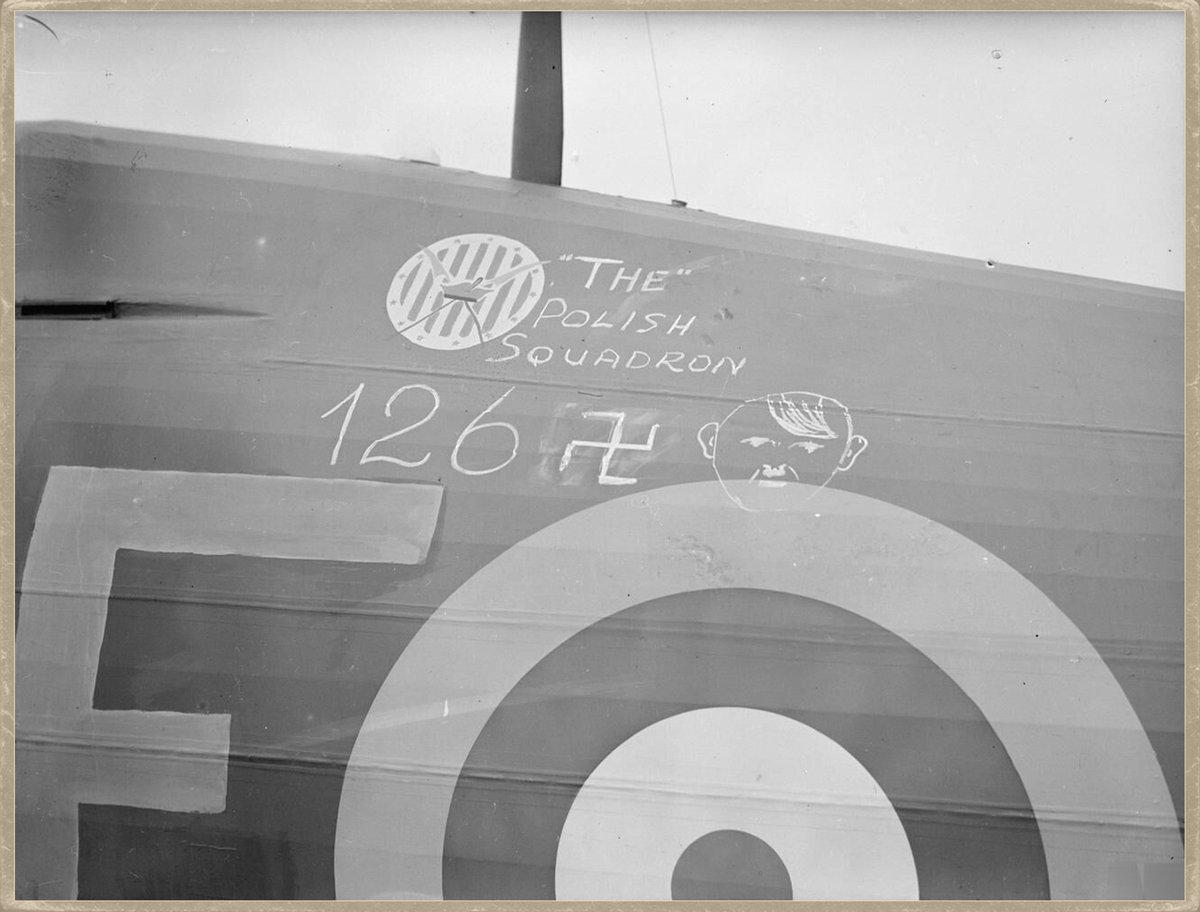
The Polish Squadron That Claimed 126 Kills in 42 Days
He broke formation, attacked a German aircraft and shot it down.
Back on the ground, he was reprimanded—then congratulated.
On 30 August 1940, Ludwik Paszkiewicz had been on a training flight near London.
His unit, No. 303 (Polish) Squadron, was not yet operational.
The next day, it was cleared for combat.
Britain urgently needed fighter pilots, but the Polish exiles had faced doubts about their morale and difficulties with English.
Many had already fought in Poland or France.
Defeat had driven them abroad; it had not erased their combat experience.
They flew Hawker Hurricanes.
Trained to close with the enemy before firing, they set their eight machine guns to concentrate their fire at 200 yards.
Skilled ground crews kept the aircraft ready to fly.
After the fighting on 15 September, one team repaired nine badly damaged Hurricanes overnight for the next day's operations.
Their mounting claims attracted suspicion.
According to an account cited by the RAF Museum, Northolt's station commander, Stanley Vincent, followed them into battle to check.
Over London's docks, he watched them tear into a large German formation.
He returned convinced.
In 42 days, the squadron claimed 126 German aircraft destroyed—the highest tally reported by any RAF squadron in the Battle of Britain.
Eight of its pilots died during the battle.
Later research revised the victory total downwards.
The RAF Museum cites an estimate of about 79 aircraft.
The famous 126 is a wartime claim, rather than a final count established from both sides' records.
Paszkiewicz did not survive that September.
He was killed on the 27th.
The survivors helped win the war, but Poland came under Soviet-backed communist rule.
Many Polish airmen remained abroad.
After fighting for Britain, how were they to choose between returning to that Poland and building a life in exile?
Thirteen Days to Surrender.
“These forces will lay down their arms and surrender…”
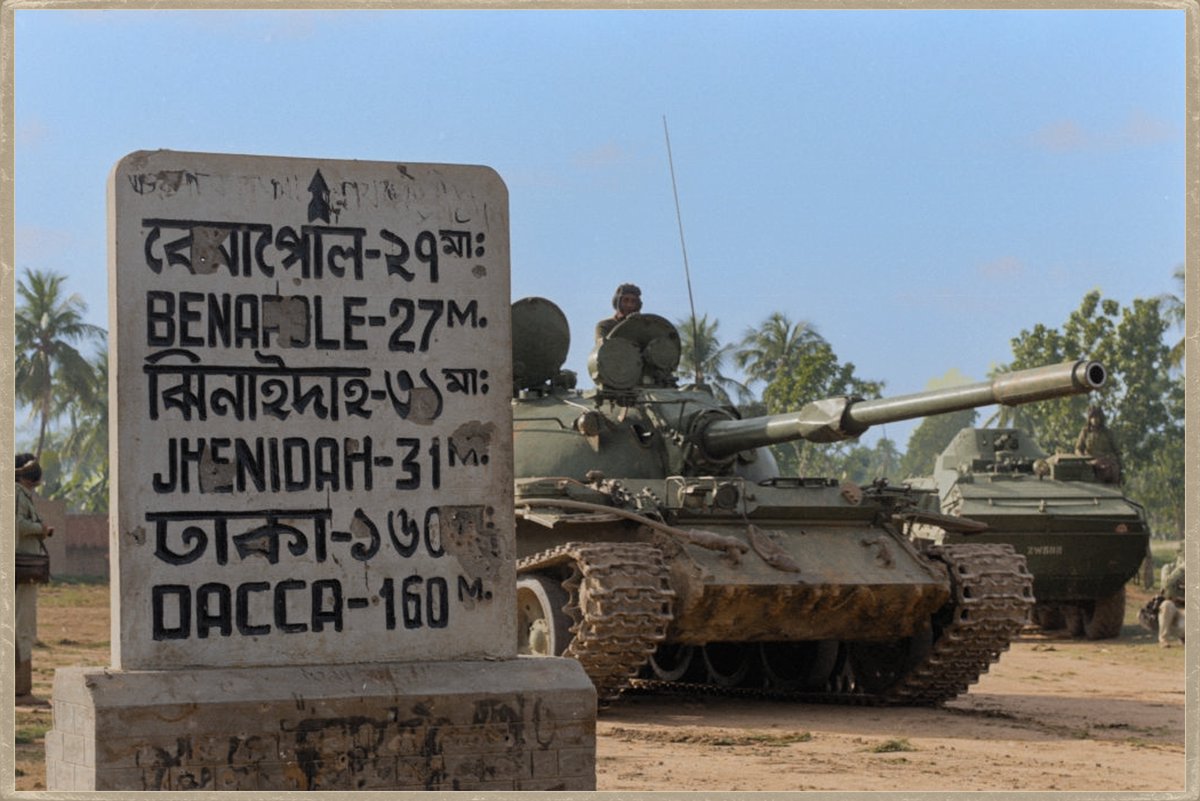
A Pakistani general signed those words in Dhaka on 16 December 1971.
The document covered his command’s land, air and naval forces, paramilitaries and other armed services.
It called the territory “BANGLA DESH.”
The signatory was Lieutenant General A. A. K. Niazi.
Accepting the surrender was Lieutenant General Jagjit Singh Aurora, commanding Indian and Bangladesh forces in the eastern theatre.
Earlier that year, Pakistan’s military had unleashed a brutal crackdown in the east after the Awami League’s election victory failed to bring a transfer of power.
Mass killings followed.
About ten million refugees fled into India.
Bangladeshi resistance fighters—the Mukti Bahini—were already fighting for independence.
On 3 December, Pakistan launched air strikes on Indian airfields.
The conflict became an open war between the two states.
Indian forces advanced into the east from several directions.
Rather than capture every fortified town, they bypassed strongpoints and pushed toward Dhaka.
Mukti Bahini fighters supplied intelligence and fought alongside them.
At the Meghna River, Pakistani forces demolished a bridge.
Indian commanders responded by flying troops across in helicopters.
The river remained, but the advance continued.
Paratroopers also landed near Tangail and seized a bridge on a route toward the capital.
Meanwhile, the war had drawn in the great powers.
The Soviet Union backed India.
Nixon’s administration supported Pakistan, and a U.S. Navy force led by the carrier Enterprise moved toward the Bay of Bengal.
It did not intervene in the fighting.
On 16 December, Niazi signed.
Only thirteen days had passed since Pakistan’s air strikes on India.
For Bangladesh, however, the struggle had lasted months.
Around 93,000 Pakistani military personnel and civilians ended up in Indian custody.
Dhaka was no longer the capital of East Pakistan.
Bangladesh’s independence had been secured.
Pakistan had lost the east.
What would it now have to negotiate to bring its prisoners home?
김정은 사망설, 출처부터 보자.
여러 외신이 주요 출처로 인용한 것은 ‘중국민주당 주석’으로 소개되는 재미 중국 반체제 인사 셰완쥔의 X 게시물이다.
중국 정부의 공식 발표가 아니다.
국내 보도에 따르면 한국 외교·안보 당국자들도 사망설에 “금시초문”이라는 반응을 보였다.
현재 사망을 입증하는 신뢰할 만한 공개 근거는 확인되지 않는다.
북한 매체는 10월 20일, 김정은이 전날 평양의 의류·신발 전시회를 방문했다며 사진을 공개했다.
북한 지도자의 건강 상태를 외부에서 실시간으로 파악하기는 어렵다.
그렇다고 확인되지 않은 사망설을 사실로 받아들일 이유는 없다.
같은 X 게시물을 여러 외신이 인용하면, 그것이 여러 번 검증된 정보가 되는 걸까?