Canada's big banks fail at accessibility. Brick-and-mortar banking is going out of style 🇨🇦 Wealthsimple was the right choice for me, my family, my investments and my business. Sign up and fund $100, and we both get $25:
https://t.co/Fm1AAZeU4N
⚠️ Heads up: if you hold wBTC.OFT on BOB, you need to bridge it to Ethereum before 31 October, 2026.
BitGo is changing the interoperability standard for wBTC from LayerZero to Chainlink CCIP. As part of this transition, the LayerZero endpoint will stop running on 31 October, 2026.
After 31 October, wBTC.OFT cannot leave BOB.
Bridge wBTC.OFT to Ethereum at:
https://t.co/APebW2WNyp
@Cointelegraph@F_Gregaard This is the question boards should ask before any tokenization pilot. If the token doesn't carry voting rights, dividends and a legal claim you can enforce, it's a tracking receipt, not ownership. That disclosure should be standard.
@scribble_dao@TopuWeb3@SeasonsDEFI Six queries from one creator says specific beats loud. Concrete answers like how much you need to start earning yield are exactly what AI tools love to quote. Good lesson for anyone writing bounty content.
@build_on_bob Thanks for the early notice. Eleven days goes fast for holders who aren't watching closely. An in-app banner plus a reminder a few days before the cutoff would save a lot of people a painful support ticket.
@base@TheBlockCo 86% cheaper matters most at the $200 level, because that's where remittance fees hurt families the most. The remaining gap is the last mile: getting from USDC to local cash without giving the savings back at the off-ramp.
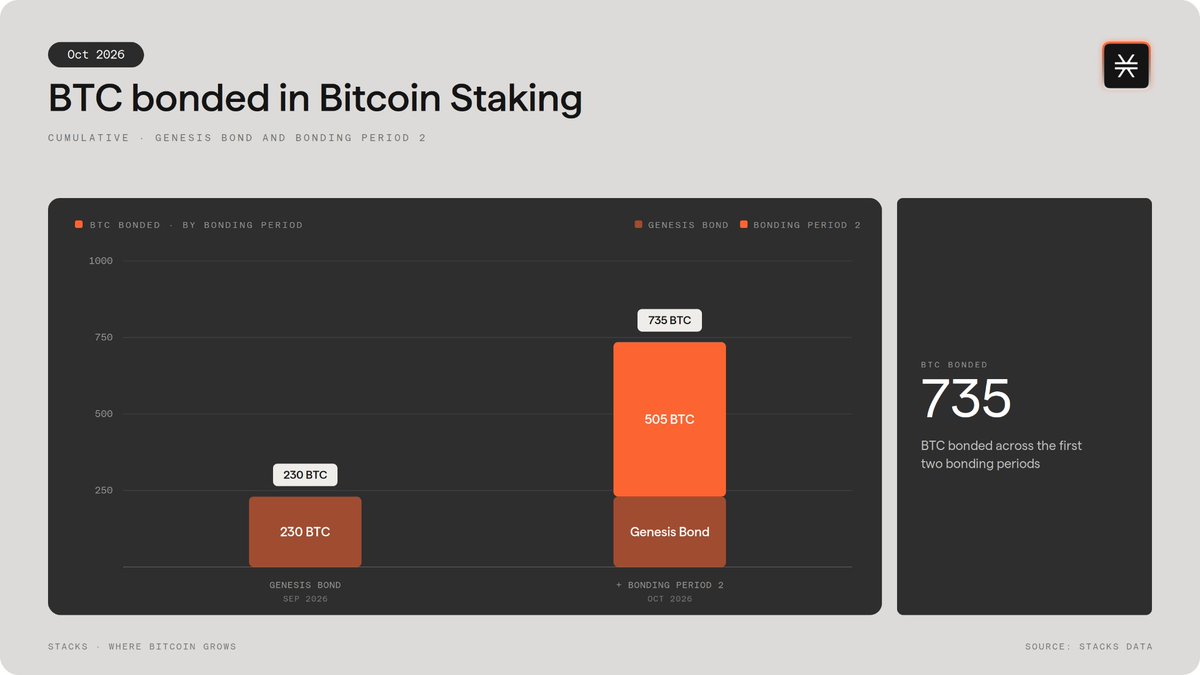
@Stacks 735 BTC bonded in 90 days is a solid start for a product that asks Bitcoiners to do something new with their coins. The number I'd watch next is retention: how much of it stays bonded through a full reward cycle.
@Cointelegraph That's the platform risk every founder learns the hard way. If your agent's memory, strategies and data all live inside one vendor, you don't own a business, you rent one. Portability should be the first question you ask, not the last.
@Cointelegraph More ETH staked while yields fall is what a maturing asset looks like: capital accepting lower returns for lower perceived risk. The number I'd watch is concentration. A third of supply staked is healthy only if a handful of operators don't control most of it.
@brian_armstrong The waiting we accepted was never a technical limit. It was a business model. Float, cut-off times and weekend gaps paid a lot of salaries. The interesting question is which incumbents rebuild around instant settlement and which keep defending the delay.
My take: worth it if your audience includes web3 teams running real Discord, Telegram and X communities. If not, skip it.
Disclosure: this is a Zero Authority DAO bounty entry, paid in $STX. I don't use Vibewatch myself.
Who here runs a community that needs a weekly report?
One team you refer to @vibewatch_io on its Pro plan for a year = $1,494 to you.
The affiliate terms are unusually plain: 50% of every paid invoice, for 12 months, on every plan.
Details: https://t.co/boFkwecRQC
$STX
What you'd earn from one referred team on a yearly subscription:
Lite: $114
Core: $594
Pro: $1,494
The fine print, which I like: paid invoices only, so trials and $0 invoices earn nothing. Each commission waits 30 days to cover refunds. Dub runs it and pays to bank or USDC.
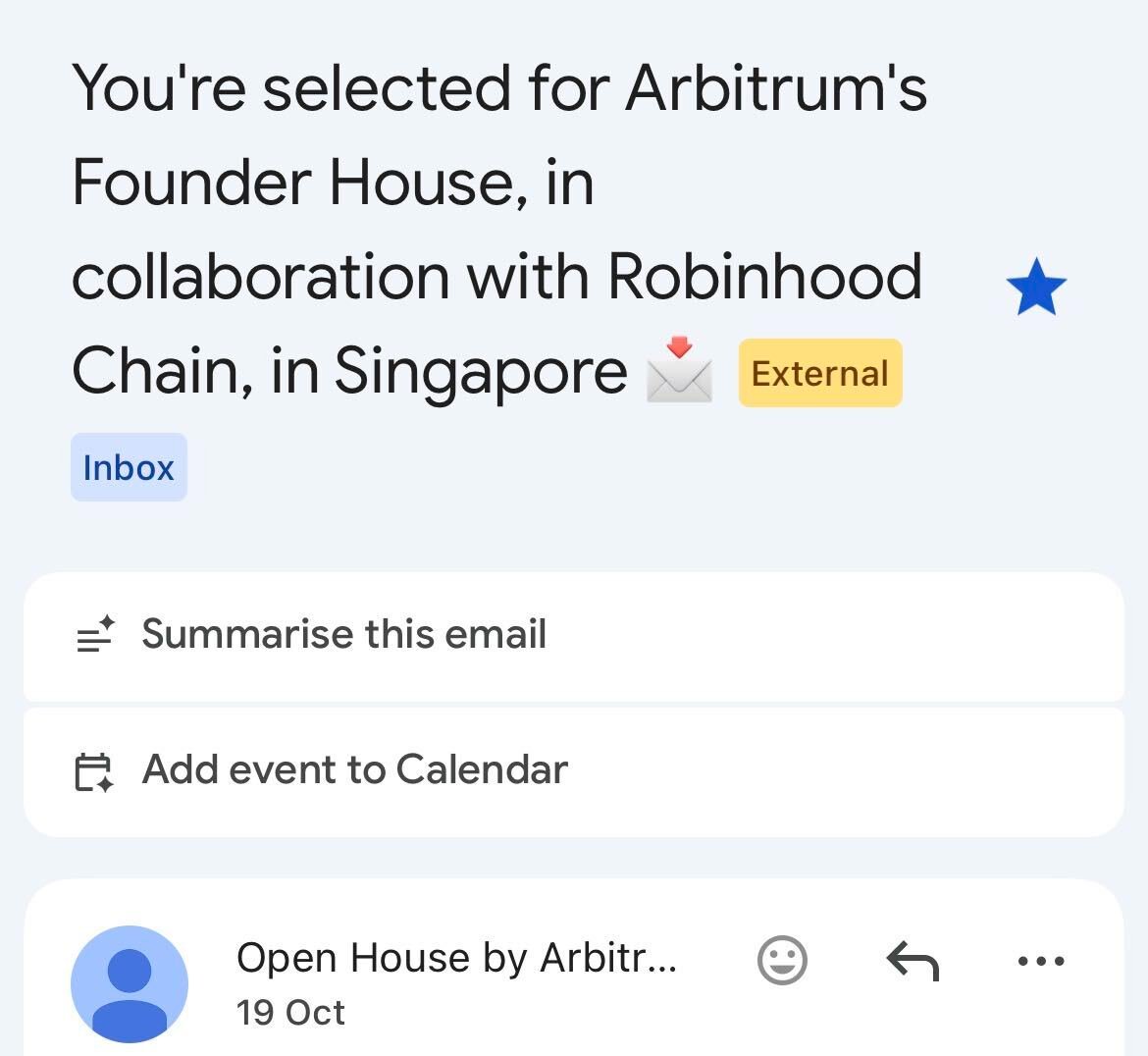
Lighthouse has been selected for @arbitrum Founder House in Singapore, in collaboration with @RobinhoodCrypto
Looking forward to sharing what we’re building with Lighthouse Memory.
Thank you to our community for the support. See you in Singapore.
@scribble_dao@LighthouseWeb3 Getting cited by an AI overview is the new backlink. From what I've seen, clear structure and specific facts get picked up far more than hype. Take the crown, and keep the screenshot.
@LighthouseWeb3@arbitrum@RobinhoodCrypto Congrats. Founder houses pay off in the hallway, not on stage. A week next to other teams solving the same storage and memory problems can save months of guessing. Curious what feedback you're hoping to get on Lighthouse Memory.
@Cointelegraph In any rollout, the last 20% is where the risk sits. Most of those operators will probably upgrade late, but the useful question is what happens if some don't: slower blocks, or a clean fallback? That's the real resilience test.
@solana The secret is turning curious people into contributors with a real deliverable, a deadline and a payout. That's a talent pipeline most ecosystems try to buy with grants and never quite build.
@Cointelegraph The retail part is the real news. Swiss fund rules carry strong investor protections, so cautious savers get a wrapper they already trust. Whether local banks actually distribute it will matter more than the approval itself.