At @SIAS_Ug Sustainable Impact Alliance Solutions, we approach each challenge with a blend of innovation, data-driven insights, and community engagement. Our methodology involves thorough research,
#RewardsForEducation
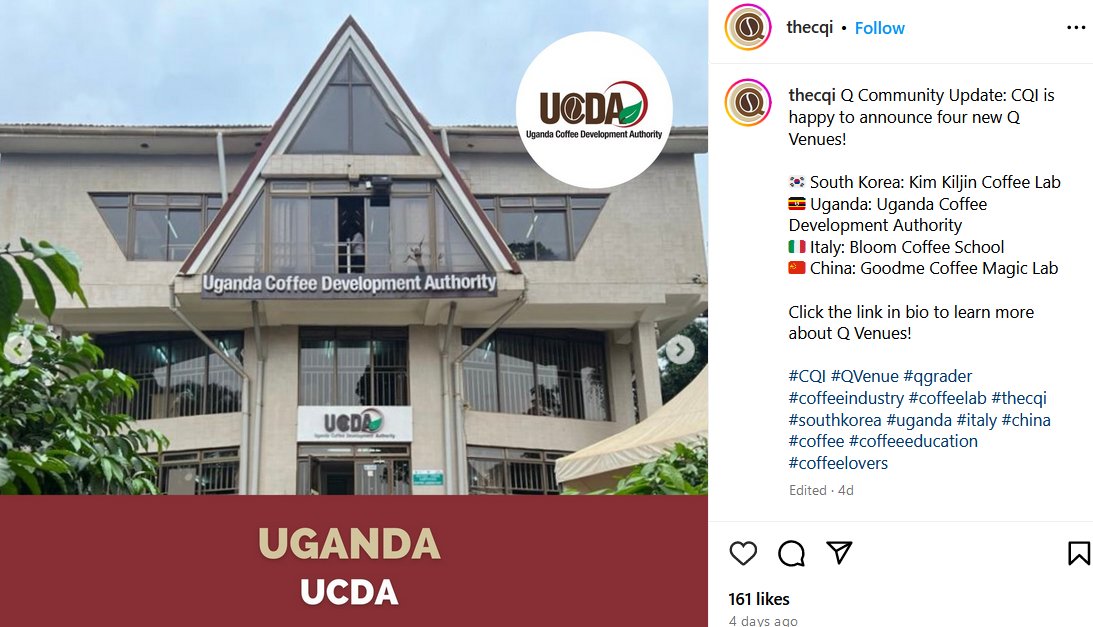
MILESTONE: The UCDA Coffee Lab in Lugogo is one of the four latest venues to get Q Venue recognition from @thecqi.
Our☕️lab is now a verified & internationally recognised facility for cupping, sensory analysis & conducting Q Robusta & Q Arabica courses.
Congratulations👏🇺🇬
Regular pruning helps to maintain the shape of the #coffee plant and encourages new growth. Prune away any dead or diseased branches, as well as any suckers that emerge from the base of the plant. #TipTuesday#CoffeeLover
THE COFFEE STRUGGLE:
1/2
Since Thursday night, I have been asked repeatedly whether #TheCoffeeStruggle is over. The simple answer is NO! If you are not given to lengthy reading, I suggest you stop here. But if you want to understand why, then read on for context.
By 1931, coffee had established itself as the pre-eminent export for Uganda. It was part of a broader process of dismantling the local economy & building a colonial economy. One in which we produced what we don’t consume & were taught to consume what we don’t produce. The problem is that Ugandans were restricted to growing coffee either as landlords or laborers. The processing & trading was reserved for those of European & Indian extraction.
In the 1940s the Ugandans decided this situation had to be addressed. This in part explains the Bataka Riots of that period in Buganda. The more progressive response was the formation of cooperatives pioneered by Bugisu Cooperative Union & replicated across other coffee growing areas. This was so successful that it led to the formation of the first indigenous bank, later known as Uganda Commercial Bank. This cooperative movement is what laid the foundation for the political process that led to the departure of the colonial administration.
The success of this initiative became a problem for the coffee sector in the first independence government. The cooperatives were co-opted by the ruling party to serve a political purpose of mobilization. Aware of the potency of this force, the UPC administration went one step further to nationalize the cooperatives & monopolize the processing & selling of coffee. It this became a government function presided over by political appointees & bureaucrats, an arrangement that would last till 1991.
This facilitated the theft of the money from coffee exports in the name of finding “national priorities” & meeting administrative costs. Farmers went unpaid for years & eventually the cooperatives collapsed.
Farmers responded to this in two major ways. The negative one was either to uproot or neglect the trees. The more innovative ones found alternative markets. This is what was misrepresented as smuggling.
In the early 90s, a new form of coffee wilt disease decimated farms across most of the country. This brought the sector to its knees. The government unable to respond meaningfully to this & the twin problem of low prices for & non payment of farmers, simply bailed out & left coffee people on their own. This would later become a blessing in disguise.
During the same period, Brazil suffered a major frost and prices of coffee went up. Demand for Ugandan coffee increased. This attracted private players to invest in the sector. For the first time, farmers were paid directly & immediately. It was a game changer. Today farmers are paid instantly 2/3 of the world market price for green beans. It is this process that has grown the national income to the $800m we earn today.
The latest phase of the struggle has been about what some of us in the sector see as policy missteps that will leave us holding empty jute bags. These missteps started with bad legislation, exit of International Coffee Organization, attempts to create a monopoly for a private company & now the ill advised funding a bunch of fraudsters & conmen to supposedly drive the value addition agenda. This is part of an ongoing struggle to deliver benefit to the primary producer of the coffee bean. It is a struggle that would best be served by all of us acting together in the national interest. It will not be achieved by the unquestioning acceptance of one person’s view of what this benefit should be. At the very minimum there should be a robust & informed debate. The kind that helped us avert economic catastrophe from the adventurous policy misdirection of the early days of the current government. Coffee is a national treasure & should be treated as such.
Sharing a cup of our #coffee with others can be a social activity that brings people together. Whether it's a quiet morning with family or friends, it can foster connection and conversation. Coffee is the best way to start and end the day/week. #MotivationMonday
Join us today by 5 pm on Twitter Space for a wonderful conversation on “Empowering young people in agriculture, securing 🇺🇬 food security” with @SolomonSerwanjj. Our CEO Meridah will be sharing her thoughts and experience. @NLinUganda@FondazioneAVSI
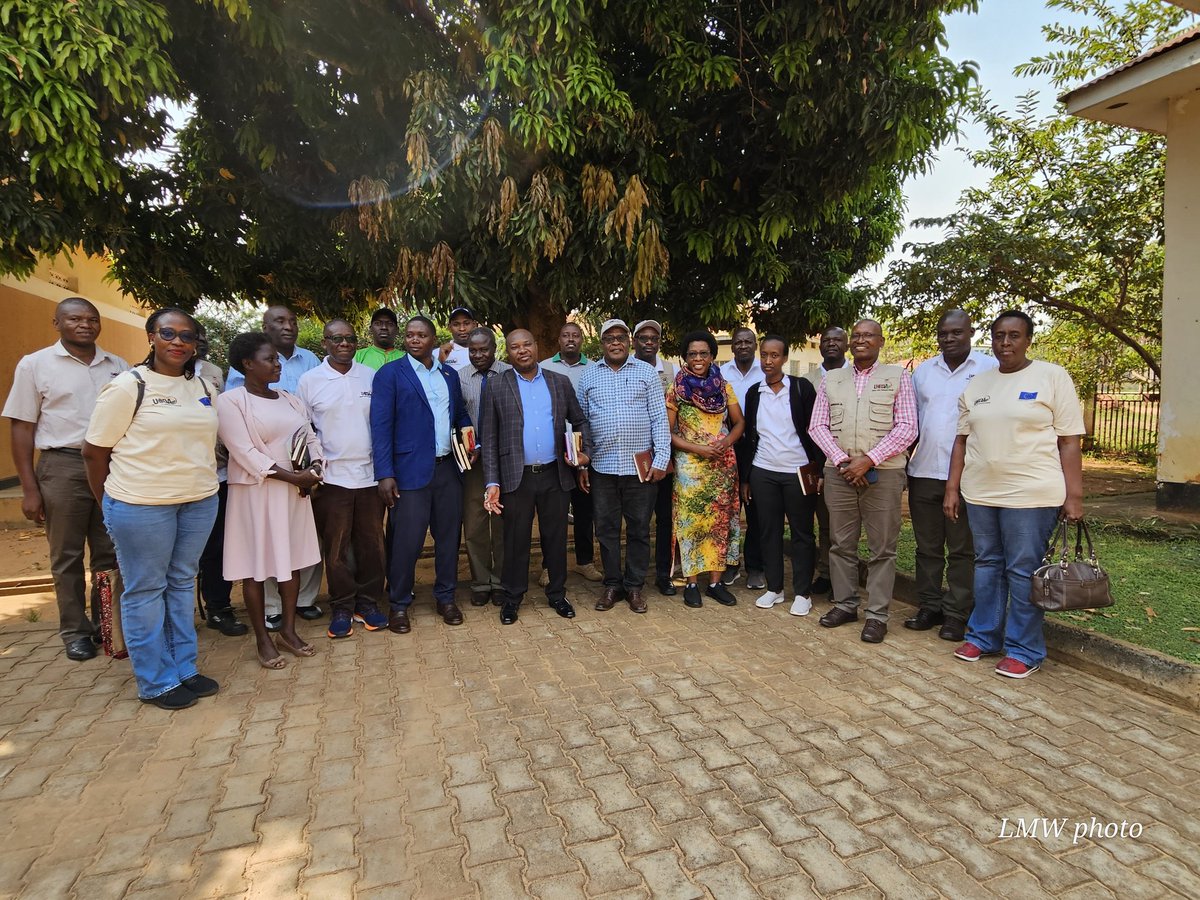
The UCDA Board of Directors led by the Chairman, Dr Charles Mugoya, is undertaking an M&E mission in Northern
Uganda to assess the interventions and activities carried out by UCDA in the region.
The mission began with a courtesy call to the Lira district offices
In our #coffee cup is not one person in the lifecycle of a coffee bean, many more are involved in its value chain working in harmony and maintaining transparency, and respect. By choosing our Bayaaya, you are supporting farmers who are committed to producing high-quality coffee.
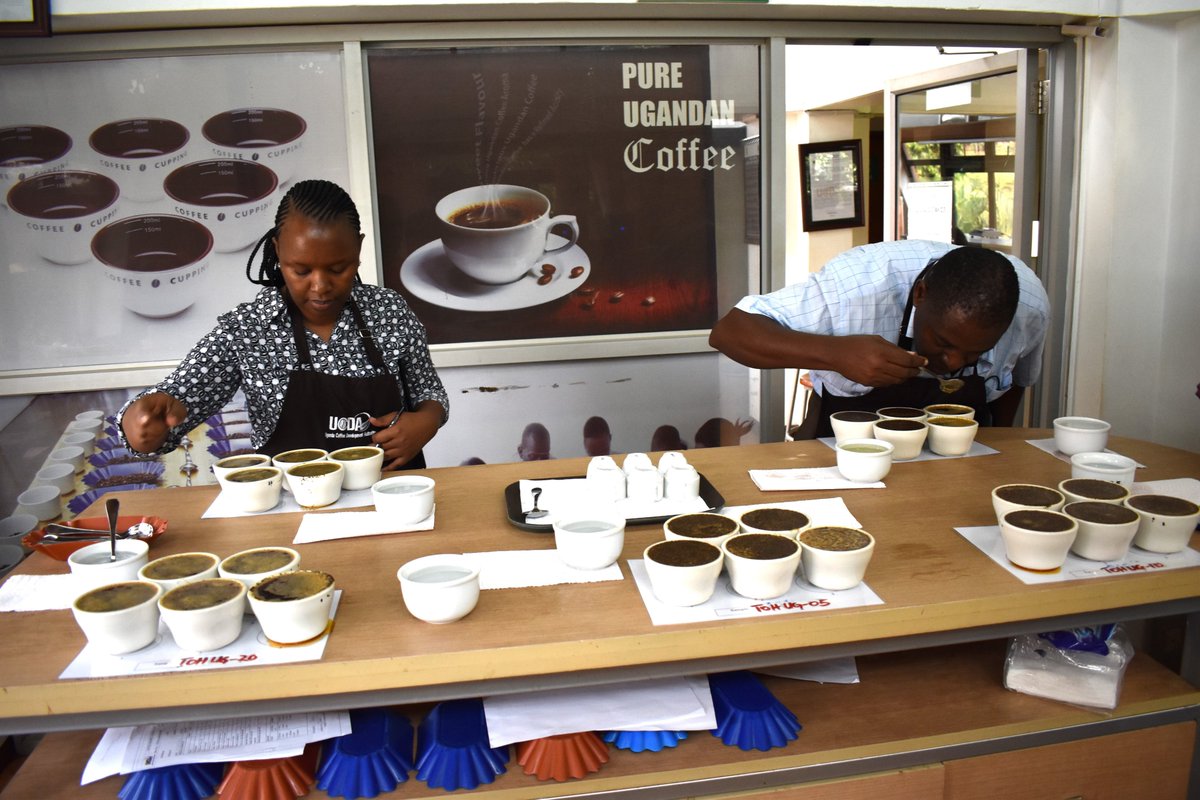
The National Taste of Harvest Coffee Competition is on at the UCDA ☕️ lab in Kampala.
The top Ugandan coffees will compete at the Regional Taste of Harvest Competition during the @fine_coffees Conference & Exhibition scheduled for February 6-10, 2024, in Addis Ababa, Ethiopia.
COFFEE PRICES: Today's farmgate prices in UGX/Kilo
Kiboko 4,000-4,500
FAQ 9,000-9,500
Arabica Parchment 10,00-10,500
Drugar (Clean) 9,500-10,000
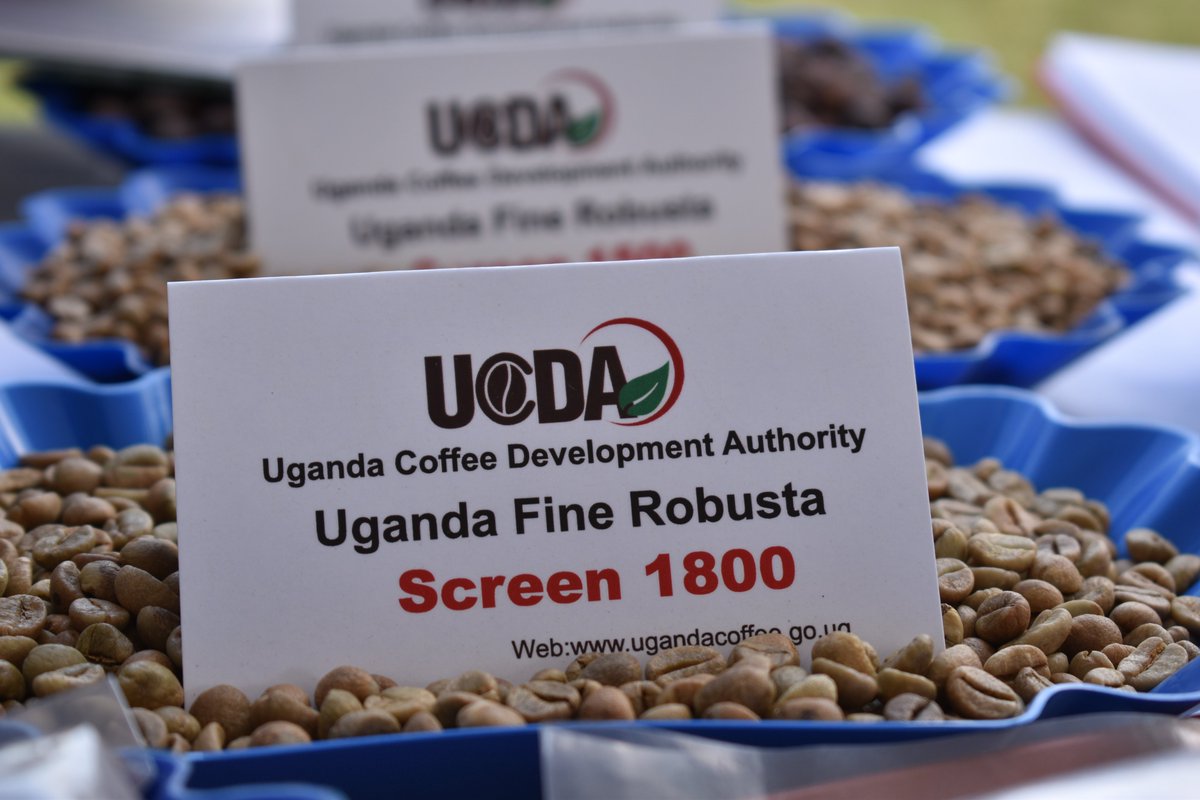
🇺🇬 is a source of high-value arabica & robusta beans with unique flavour profiles. We produce some of the best coffees in the world.
#TheCoffeeRoundTable is back yet with an interesting panel of experts and farmers from the coffee sector.
We're on the farm digging into
1. Coffee farm setup.
2. Farm management.
Let's learn about coffee. Don't miss
@LoneWalker_256@rkabushenga