The award-winning #podcast preserving the stories of the #ColdWar before they are lost... Produced by Ian Sanders, Fellow of @RoyalHistSoc & at @mcrmuseum
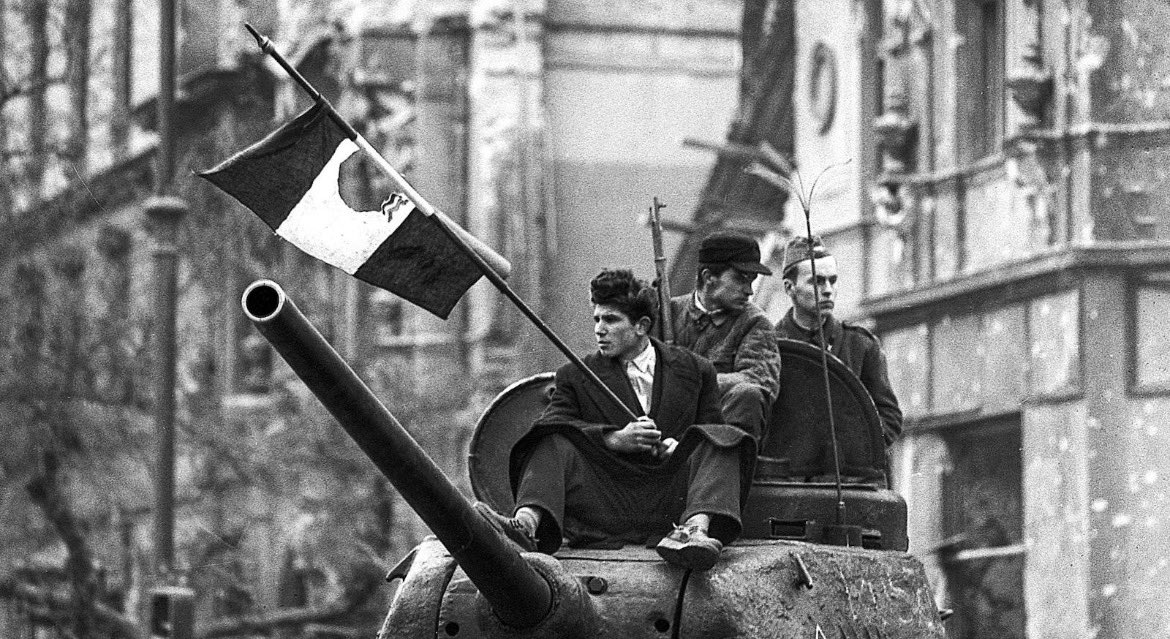
On the morning of 4 November 1956, Soviet forces were attacking #Budapest. Within hours, tanks and artillery would crush one of the most dramatic uprisings of the #ColdWar.
Listen here 🎧🎧https://t.co/uusmQiFYVU
#Hungary56#imrenagy#hungary
Charlie was 17 in 1956. A trip home from work by tram ended up with him being thrust into the heart of the Hungarian Revolution of 1956.
https://t.co/pWPDPo50ne
#otd 1956: Hungary rises against Soviet rule.
Thousands take to Budapest’s streets. Stalin’s statue is toppled. Security forces open fire.
The protests become a revolution.
Within two weeks, Soviet tanks will crush the uprising
Listen to the story in tomorrow’s episode.
This is your periodic reminder that when the Soviets didn't have an aircraft large enough to carry and drop their Buran prototype like NASA had done with Enterprise, they just added turbojets and made OK-GLI take off under its own power.
#otd 1962: JFK tells Americans that Soviet nuclear missiles have been discovered in Cuba.
He announces a naval quarantine and warns Moscow that a nuclear attack from Cuba will trigger US retaliation.
The world is now watching the most dangerous crisis of the Cold War unfold.
#otd 1967: Tens of thousands march against the Vietnam War, confronting armed soldiers at the Pentagon.
Protesters place flowers in rifle barrels. Hundreds are arrested.
The Cold War’s battle over communism is tearing American society apart.
#otd 1962: JFK rejects an immediate air strike on Soviet nuclear missiles in Cuba, choosing a naval blockade instead.
His generals favour military action. The public knows nothing.
The decision buys precious time for diplomacy and may have prevented nuclear war.
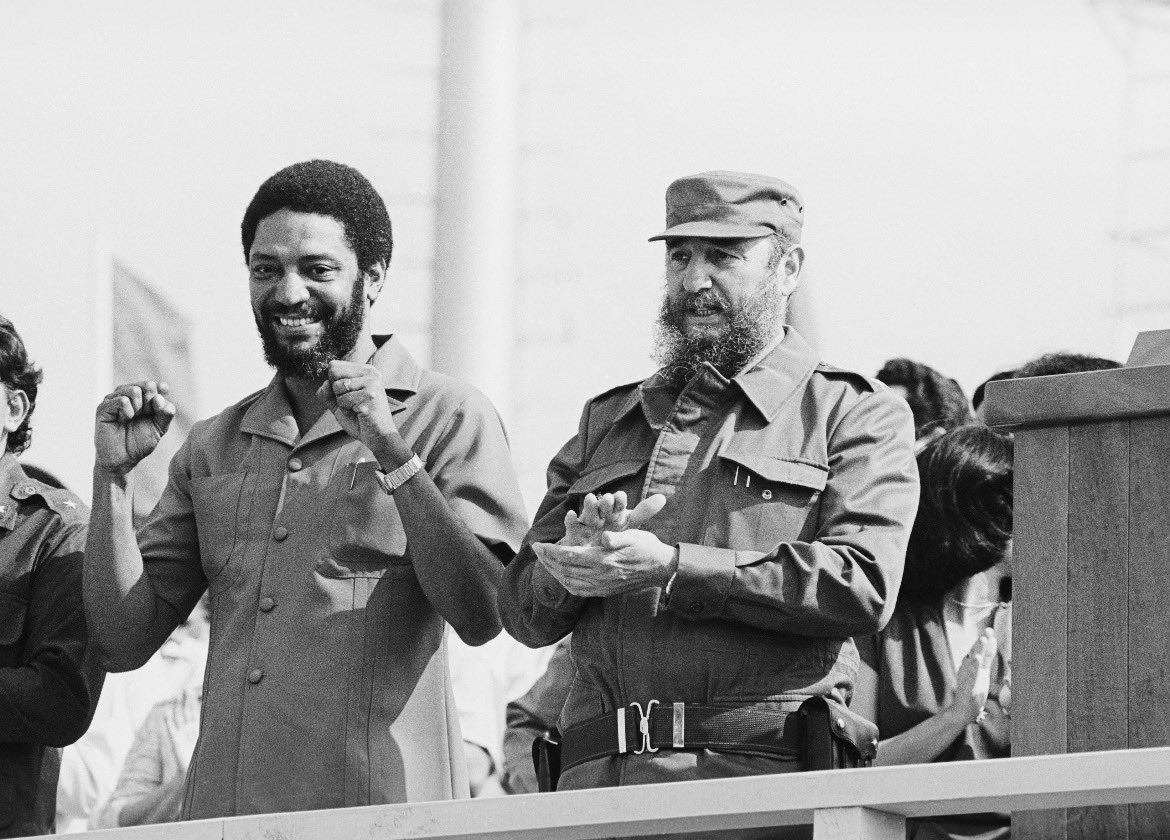
#otd 1983: Grenada's Prime Minister Maurice Bishop is freed from house arrest by supporters then executed by soldiers alongside colleagues.
A military council takes power. Six days later, US troops invade.
Listen to the story here.
https://t.co/rVZMtsS1D9
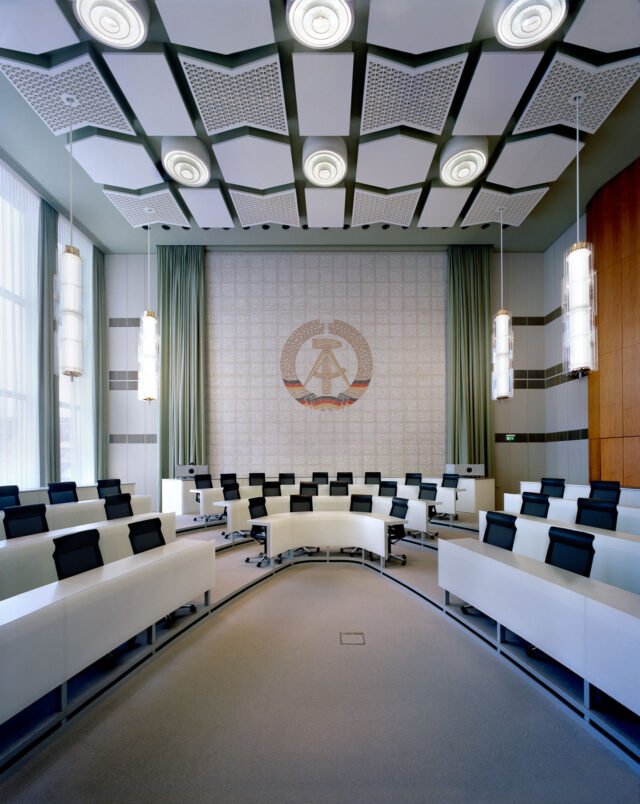
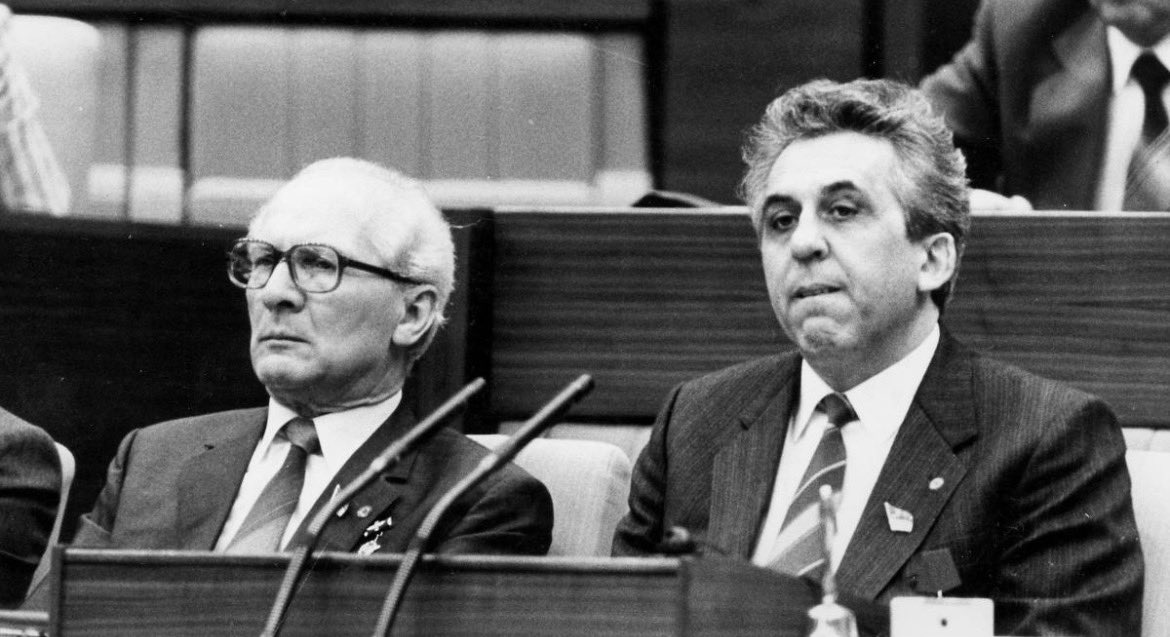
#otd 1989: East Germany’s communist leader Erich Honecker is forced from power after 18 years.
Official reason: ill health.
Real reason: mass protests and a regime losing control.
Egon Krenz, his successor promises change. Just 22 days later, the Berlin Wall
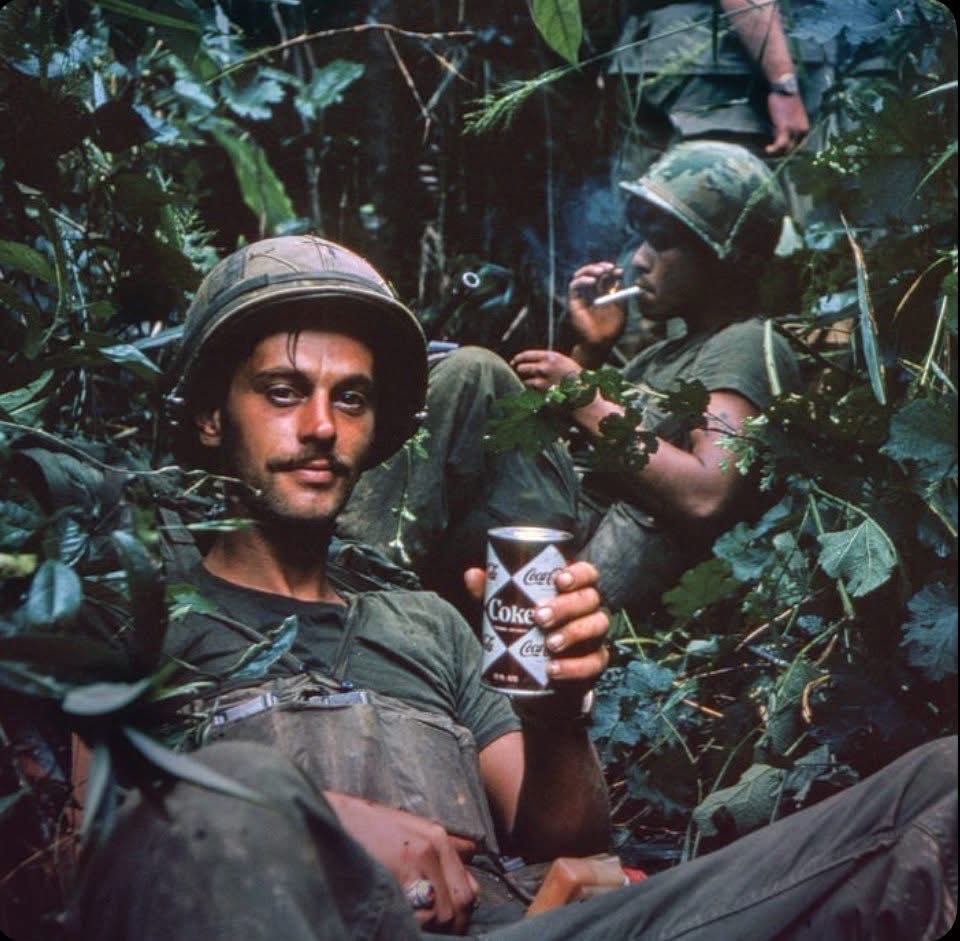
U.S. Army infantrymen taking a much needed break in the jungle following an all night ambush patrol.
The small things can make a difference, especially if you’re in the suck.
South Vietnam 1968.