☕ Even if it’s just a morning coffee, many of us enjoy recreational drugs. In his latest @DalOpenThink blog, Experimental Psychology and Neuroscience PhD student Colin McCormick (@ColinRM_Sci) looks at how alcohol, cannabis and more impact attention: https://t.co/eS2exho6rK
When it’s time to focus, our brain has an internal ticker that springs into action. ⏰ Experimental Psychology and Neuroscience PhD student Colin McCormick (@ColinRM_Sci) details temporal attention in his latest @DalOpenThink blog: https://t.co/4qiuUilxkO
2/ Not long after, PhD student Colin McCormick shared his recent publication on lifestyle factors that affect the three networks of attention – a nice follow up from Sam’s talk to keep people thinking about the attention network test!
In his latest @DalOpenThink blog, Experimental Psychology and Neuroscience PhD student Colin McCormick (@ColinRM_Sci) explains how 🧘meditation, 🏃exercise and 💤sleep can boost our executive functioning and ability to focus: https://t.co/EDlY1NGzYR
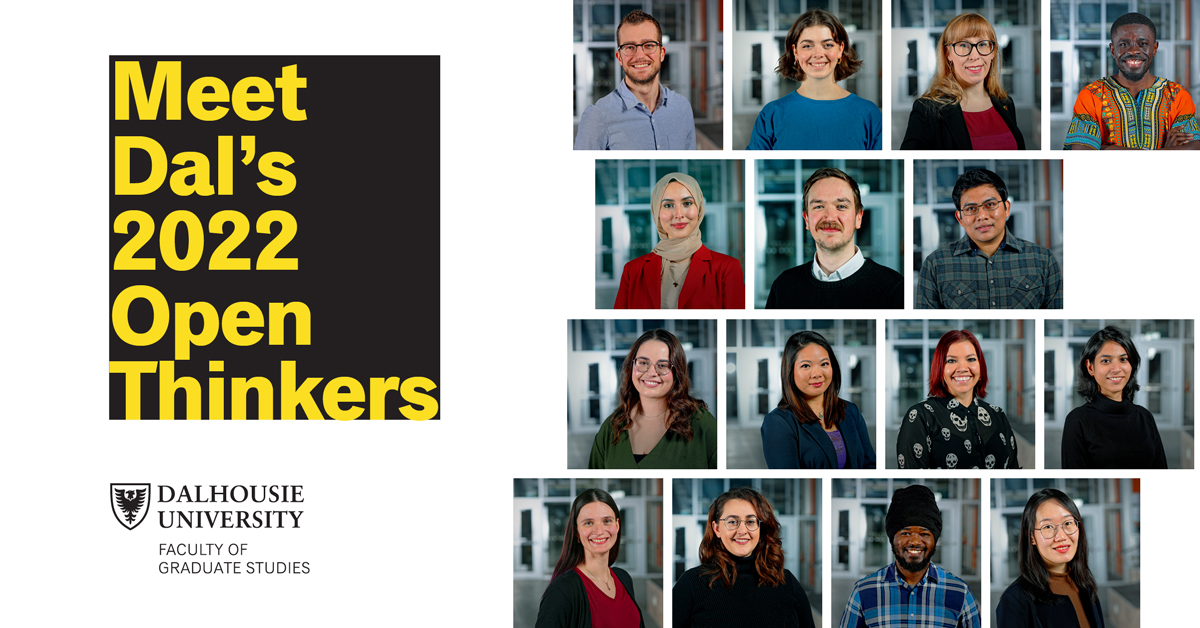
We are delighted to announce our 2022 cohort of OpenThinkers: 15 @DalGradStudies PhD students ready to share their research through public engagement and monthly articles. Meet them now! https://t.co/Hu0TB4QH2n
@ossoff This is incredible @ossoff.
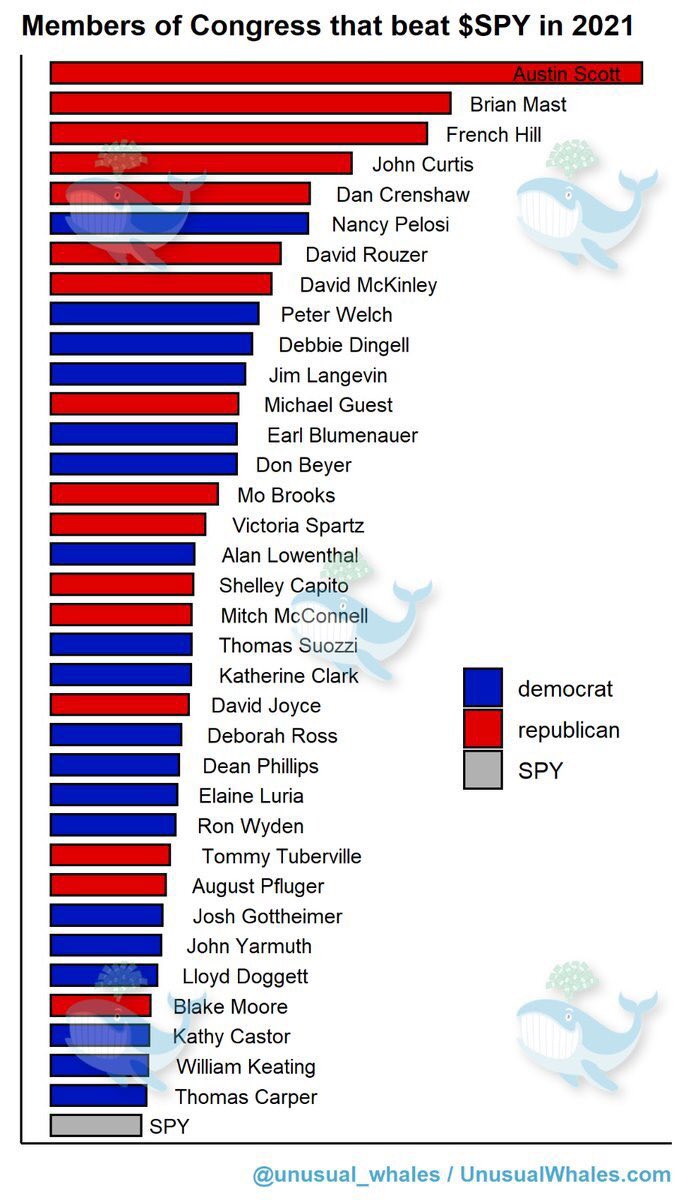
In 2021, many politicians beat the market.
We need more accountability.
See the full report: https://t.co/V5CQZyoAaJ
Despite how I feel about anti-vax folks and limiting their exposure to the public via passport programs, this seems like it sets a bad precedent for limiting certain groups access to healthcare. Idk, just doesn’t sit right.
I wonder if any of them are just experiencing (or are more in touch with) the type of cross-modal correspondences that the average person experiences. Certainly not trying to discredit anyone's reported experiences, just curious based on some of the descriptions I've read (2/2)
Happy to be a co-author on this paper by former @thekleinlab member Dan Gurman on the association between different qualities of timbre and visual shape. Check out the link below for a summary of the project! https://t.co/KWAmdPupkW
A related thought I've had: a number of artists (Kanye West, Lorde) report having synesthesia, or when a sensory/cognitive experience triggers an involuntary experience in a second sense/cog pathway (keyword there being involuntary; 1/2)
Catching up on a couple years of neglected Twitter activity. Giving it a serious go over the next bit while I still have a bit of juice left in the ol' Grad School tank to see if I can make more online pals (COVID experts tell me real-life pals are dangerous).
Just published a review article in Applied Cognitive Psychology on how different aspects of lifestyle impact the networks of attention. Lots of tips on how to improve your attention in there, check it out! @thekleinlab@PsychNeuroDal @WileyPsychology https://t.co/hmXG8kZK16
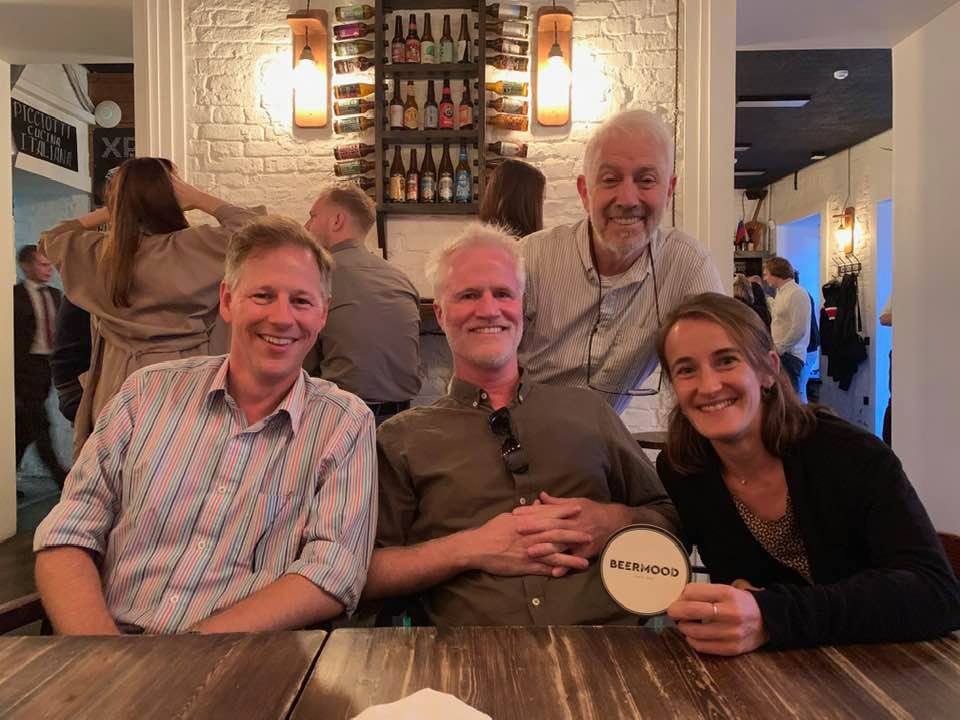
Dr. Klein visited Moscow last week to participate in a symposium (The Cognitive #Neuroscience of Spatial Orienting) at the 16th European Congress of Psychology! Here are Klein and the other symposium participants having beer and pizza a few nights before.
@rj_redden @MikeLwrnc I respect the point but don't think this is exclusive to this poster design. Someone with lots of text on their poster could still strongly emphasize conclusions. The poster-viewer still has the ability to critically engage with the knowledge translator/additional materials.