There are times when cleaning alone won’t fix the problem. Moves, inherited homes, and big life changes come with layers. Cleaning without organizing just shifts things around, and organizing without cleaning leaves work unfinished. Doing both together creates a true fresh start.
If a system suddenly feels hard to maintain, it usually means something shifted. Schedules change, households evolve, and needs grow. Small adjustments like moving a category or simplifying a step often restore balance without starting over. Good systems stay flexible as you do.
All purpose cleaners are convenient, but they don’t always work well. Stone, glass, stainless steel, and wood react differently, and universal products can leave residue, streaks, or damage over time. You don’t need many cleaners, just the right ones for specific surfaces.
If cleaning feels endless, the order may be the issue. Dust falls downward, so cleaning floors first just means redoing them. Start at the top with ceiling fans, shelves, then counters, and finish with floors. One pass instead of two means less effort and better results.
Kid-friendly organizing works best when the system does most of the thinking. What usually sticks:
- Open bins instead of lids
- Fewer categories
- Clear visual cues
- Easy resets
When kids can put things away without help, the system survives longer than the cleanup itself.
Pet supplies don’t feel like clutter until they’re everywhere. Leashes by the door, toys under furniture, food drifting room to room. The fix isn’t more storage, but fewer landing spots: one basket, one hook, one shelf. Defined homes keep pet items from taking over.
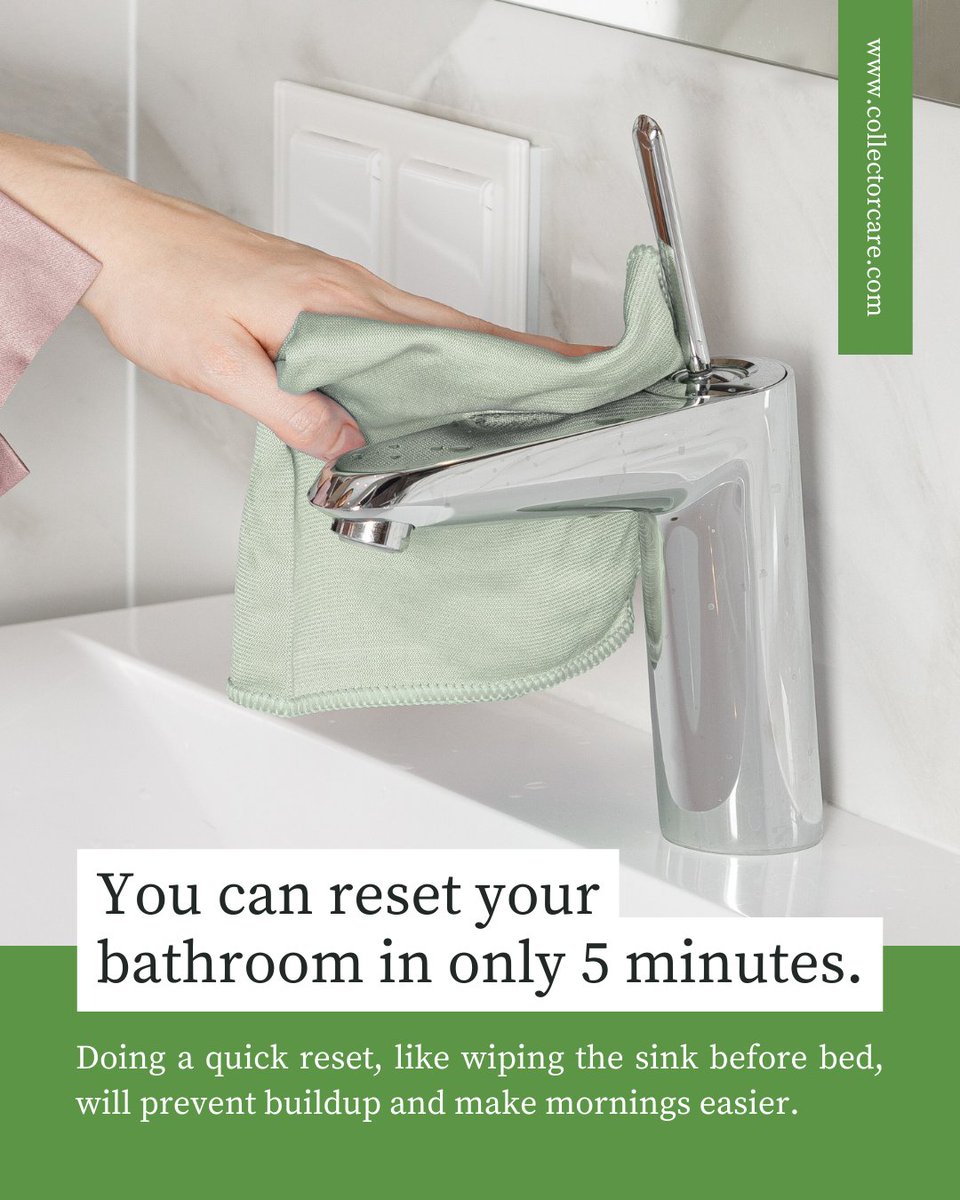
A quick nightly reset keeps bathrooms from turning into weekend projects: wipe the sink and counter, rinse the basin, and put items back where they belong. That’s it. Five minutes now means walking in tomorrow without yesterday staring back at you.
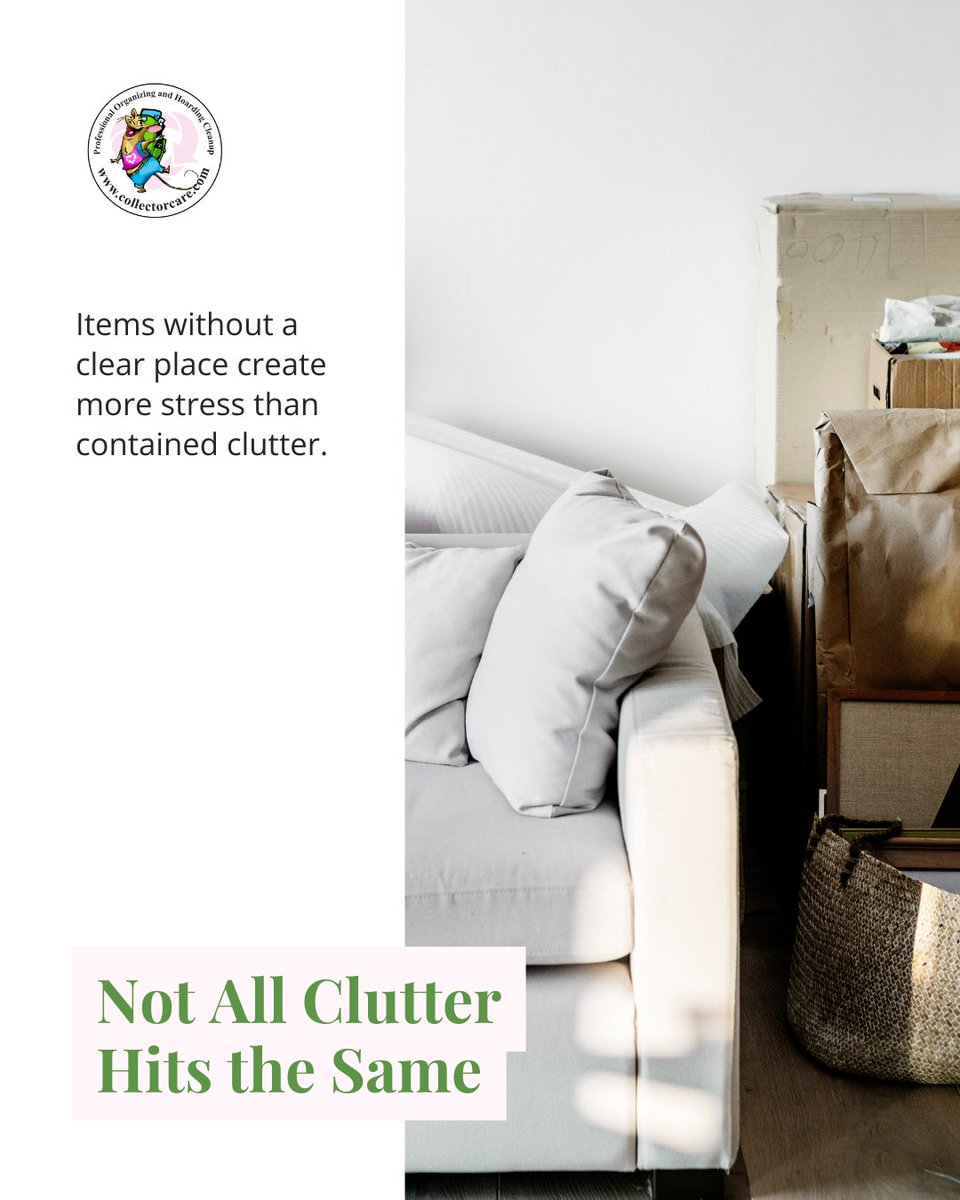
A few items out of place can feel heavier than a full, organized shelf because unfinished decisions demand attention. When things lack a clear home, your brain keeps revisiting them. Giving everyday items a consistent place reduces mental noise more than a big cleanup.
When daily-use items are buried behind backups or seasonal things, routines slow down. Separating everyday essentials from long-term storage makes your space easier to move through without adding more containers.
Accessibility is part of organization, not an afterthought.
A closet tells a story—of past selves, expectations, or attachment. Notice what you wear regularly and ask: does this support my life now, or a version of me I’m no longer living? When ready, call me to create a closet that feels lighter, honest, and usable.
Out-of-state care can feel urgent, but pressure often backfires. Start with curiosity: “I’m worried about safety. How can I help?” Focus on small goals and gradual progress. If you need a clear plan, call me to protect both your relationship and your parents’ dignity.
Sorting can drain you fast. Every item demands a decision, and memories, guilt, or “what if” make it heavier. A slower pace, clear categories, and fewer maybes reduce burnout. If you’re stuck, we’ll simplify the process and move your space forward.
Telling a student to “organize your desk” can feel overwhelming. Simplify instead: one spot for papers, one bin for daily supplies, and a two-minute reset routine. The goal isn’t a perfect desk—it’s a setup that makes starting easier, even on hard days.
After a move, it’s tempting to unpack fast and sort later. But unpacking is a chance to reset. Start with daily-use areas and ask: where does this live, and do I still need it? Thoughtful unpacking now saves frustration later and helps your new home feel like yours.
If your home has become the place where everyone leaves their stuff, it can feel overwhelming. Set simple boundaries: decide what you’ll store, where it goes, and for how long. Clear timelines prevent clutter and resentment. Your space is allowed to have limits.
For many people, the hardest step is the first call. It’s not about judgment or pressure. It’s simply a chance to talk through what feels overwhelming, share your goals, and set a pace that feels right. Nothing moves forward until you’re comfortable.
Clutter builds fast during illness, caregiving, or a mental health crisis. When energy is low, tasks pile up. A restart doesn’t need a deep clean: clear one daily surface, toss obvious trash, and make a simple drop zone. You’re not behind—you’re restarting.
If January feels overwhelming, try a quick reset. Grab two bags: trash and donations. Skip sorting or debating—focus on obvious wins like expired items, duplicates, or things you won’t use. Ten minutes can shift a space. Small resets add up.
January invites you to notice the patterns that shape your days. Observe where things naturally land, which areas stay clear, and which feel crowded. Adjusting your home to support these habits makes life easier and creates momentum for a calmer, steadier year.
This season isn’t always simple. For those holding too much on shelves, in schedules, or in your heart - I see you.
May the end of this year bring steadiness and the start of 2026 bring the support and space you deserve.
Warm wishes from all of us at Collector Care.