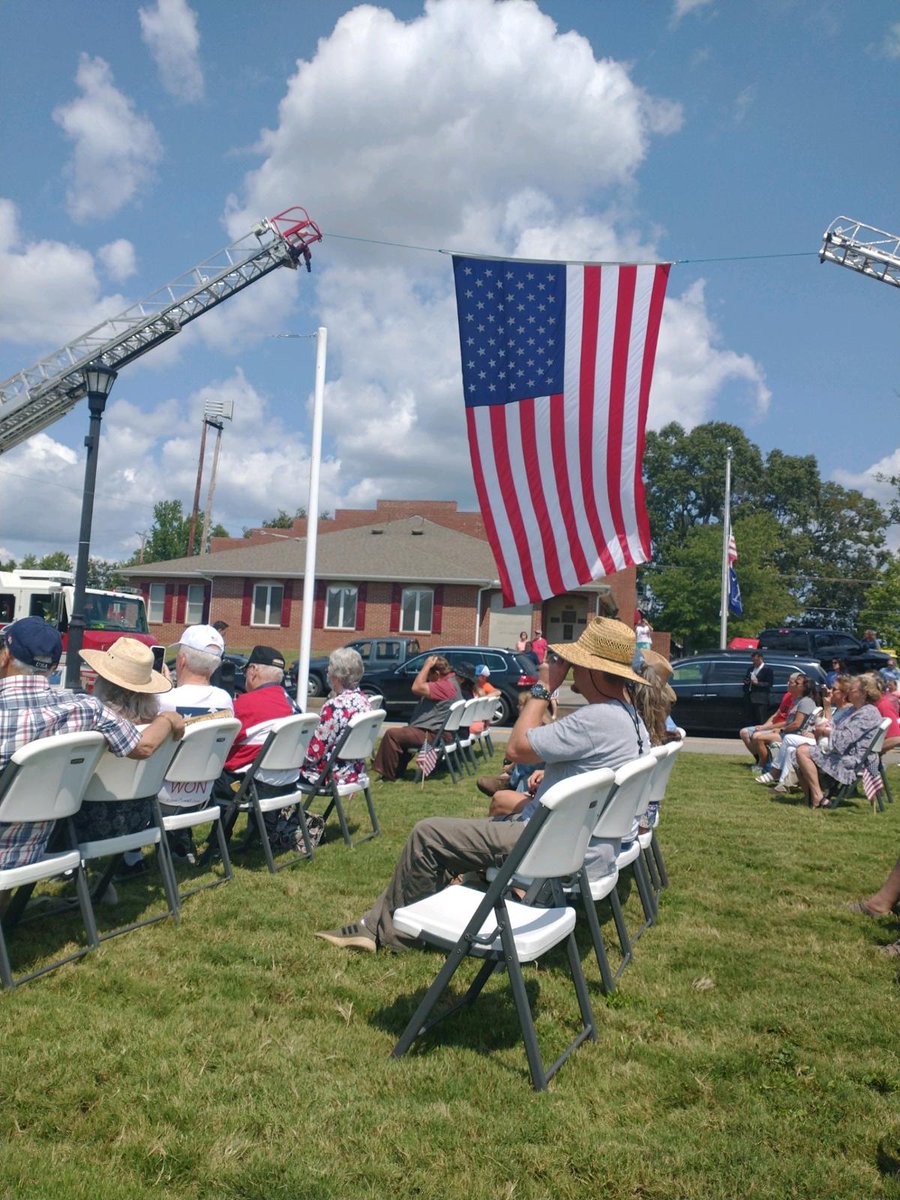
Yesterday I attended a patriotic service honoring the victims of 9/11. The service was emotional and uplifting, and I must admit I was moved to tears as I heard first-person accounts from one of those fire-fighters and other first responders who had been there. Never forget!
I wanted to share one of my most loyal writing companions with you! Meet Punky, my orange tabby cat. He is my constant shadow when I'm home. He usually likes to sit beside my chair at the desk patiently waiting while I write or curls up beside me and naps.
$25 Amazon gift card giveaway coming on Friday ���🎉
Have you read Wounded Heart? If so, this contest should be pretty easy! Make sure to follow my page on Facebook and keep an eye out on Friday 👀
#giveaway #Contest #bookcontest
In Wounded Heart the hero, Shane Hunter, rides a gray grulla mustang like the one in this picture. Readers have asked me what is a grulla horse. A grulla horse is usually gray or sometimes dun with black points and a black dorsal stripe down the back.
A wonderful read with well-done description of the historical setting of the west at that time. Order "Wounded Heart" now. #historical#romance#romantic#history#fiction@ColleenGHall available at Amazon --> https://t.co/QLqwZ8BOaT
Hominy could be ground into grits—slightly coarser than cornmeal. Grits are traditionally eaten for breakfast with butter and milk, or made into breads and puddings. #grits#Southern#Food
Hominy was adopted from the Indians and became a basic food for pioneers. It is hulled corn. Pioneers removed the hulls by soaking the grains of corn in a weak wood lye. Washed and boiled until it was tender, hominy was often served in place of potatoes. #hominy#oldwest#Food
Once settled, pioneers grew corn to make cornbread. Wheat was not as common, so biscuits made from wheat flour were served only on Sunday or for guests. The simplest kind of cornbread was the johnnycake or journey-cake. Cornmeal was mixed with water, salt, and dough. #cornbread
The pioneers brought dried corn on the journey west and would grind it into meal to make cakes and breads. Corn meal lasted well on the trail west and sometimes pioneers were able to trade with Native Americans for cornmeal if needed. https://t.co/SBiODaTdhm #oldwest#Bread
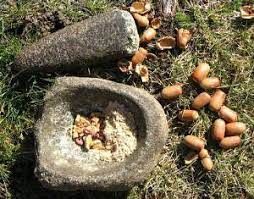
If pioneers ran out of flour, they made acorn bread or cornbread. Acorns are plentiful in some parts of the U.S. They can be roasted and ground. I can’t imagine the work. The Indians made flour from acorns, and some pioneers did too. #oldwest https://t.co/UGO15tY5BP #Food#bread
When bacon ran out, pioneers made do with salt pork. It's a chunk of fat with a little pork meat running through it. Revolutionary and Civil War soldiers were issued salt pork as rations & ate it with frypan bread. Southerners still use #saltpork to season veggies. #oldwest#Food
Hardtack was the staple when pioneers had few supplies to make bread; it was just flour and water. One recounting says "The dryness sucks out any moisture from your mouth." They've been a staple for militaries for centuries. https://t.co/Xz6Uq42rig #oldwest#bread#hardtack
For pioneers, baking bread on the trail was difficult. Frying pan bread was common --basically, biscuits cooked in a frying pan. Most flour was whole grain, not bleached flour. Recipe: 1 c. flour; 1 tsp. bkg powder; 1/4 tsp. salt; Water. https://t.co/mBFJHpMr7k #bread#oldwest