cmorq has been collaborating with David C. Parkes, co-chair of Harvard’s Business Analytics Program, on a fundamental framework for valuing distributed protocols. Check out our paper here: https://t.co/XdeWl1klY3 #blockchain#blockchaintechnology#Index#fintech#cryptocurrency
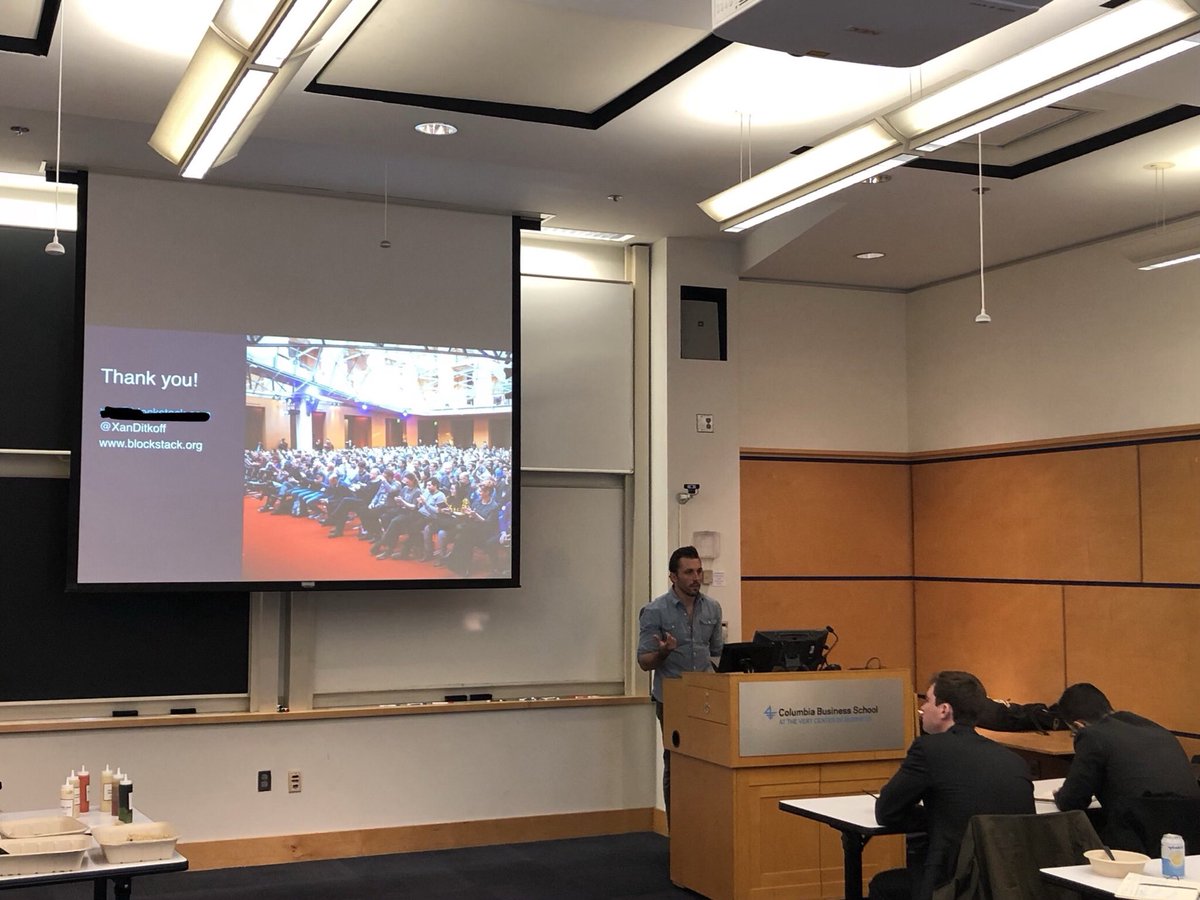
We had a great time with @ColumbiaFinTech@Columbia_Biz students last week talking about the evolution of Axoni and all things #blockchain. If you are in the academic community and would like to engage with our team, please reach out to us at [email protected].
An open financial system is dependent on an open and fair internet. Thanks to blockchain and crypto technology this is now closer than ever before. @etekis breaks down the technology and what it enables in this new chapter of the internet, aka Web 3. https://t.co/HoexXF7BuT
Huge announcement by the OCC:
Fintech firms (potentially including crypto payments firms) now have the option to pursue a federal banking charter, as long as capital and liquidity requirements are met. This will allow them to compete *directly* with traditional lenders & banks.
Fanastic episode of Unchained out today with Fat Protocols author @jmonegro of @placeholdervc! He explains why he and @cburniske founded a VC firm instead of a hedge fund, how crypto business models differ, and how well the fat protocols thesis holds up https://t.co/6SszKnuqNU
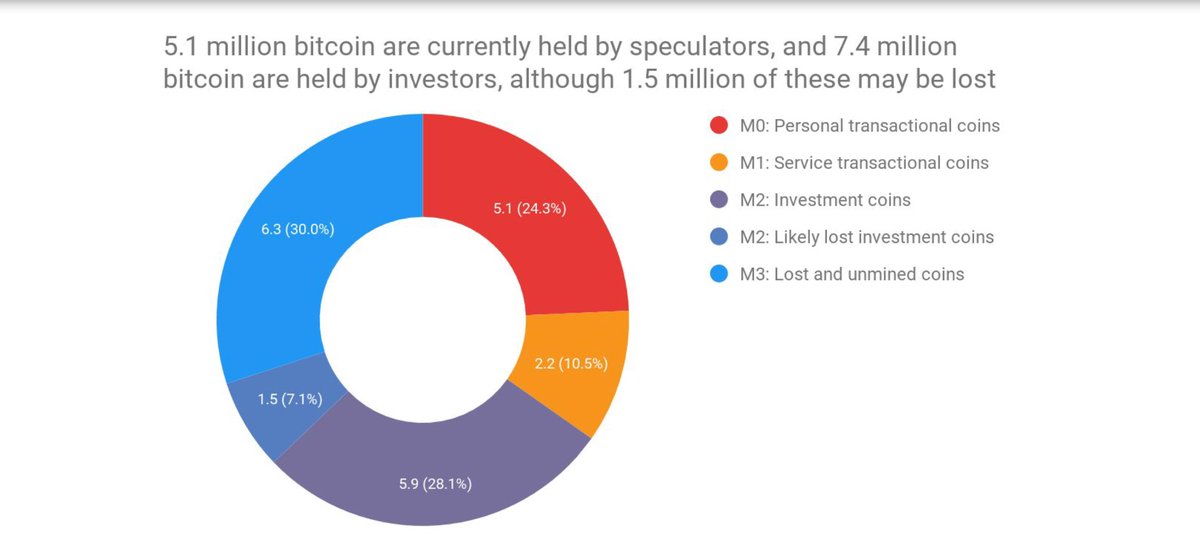
“Currently, the amount of #bitcoin held for investment is equal to the amount of bitcoin held for transactions and speculation.
This is a significant change since November 2017, when two thirds of available bitcoin where held for investment.“
https://t.co/SoL5EbUZhH
great analysis of why companies like @coinbase want bank licenses - FDIC insurance, easier movement between crypto and fiat, and the ability to offer more products and services. and quotes from @Woodrow1616 - the one and only!
https://t.co/5q9aN5TOts
While many institutional investors are dipping their toes into #bitcoin & #crypto, the much-anticipated influx will only happen when there's regulatory clarity in the US. Without it, the downside > upside for these big brands.
Risky business: 41% of State of Innovation respondents said they were extremely or very at risk of disruption by emerging tech/startups #stateofinnovation https://t.co/jurVySJr6u