@Elsevier_Eng Journal of Computers and Geotechnics, reporting cutting edge research & news on #computational#geomechanics & #geotechnics. Plz follow & retweet.
Team from Brazil and the Netherlands propose a graph-based algorithm for the Continuous-Projection Embedded Discrete Fracture Model to simulate two-phase flows in naturally fractured porous media using the MPFA-D method on general unstructured meshes.
https://t.co/K4ncQuyrW5
Researchers from @GeorgiaTech and @UW present a comprehensive assessment of explicit and implicit implementations of the ACST-based bounding surface model, SANISAND-F.
https://t.co/6NfjefDn6e
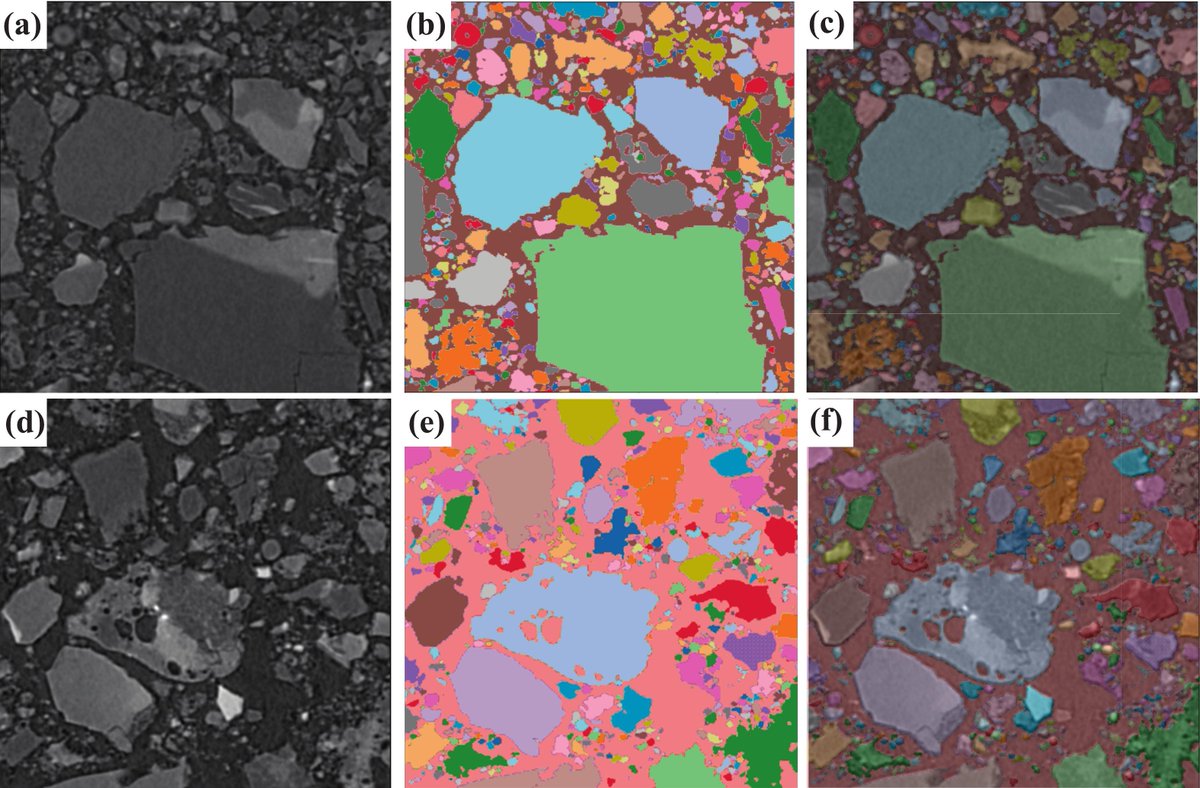
Team from @CAS__Science performed high-fidelity digital modeling and comparative morphological analysis of Chang’E-5 and Chang’E-6 lunar grains.
https://t.co/Xl02ncF3yE
We could like to take this chance to thank all of the reviewers for COGE, who have continuously given us great support. Congratulations to the 2025 Top Reviewers!
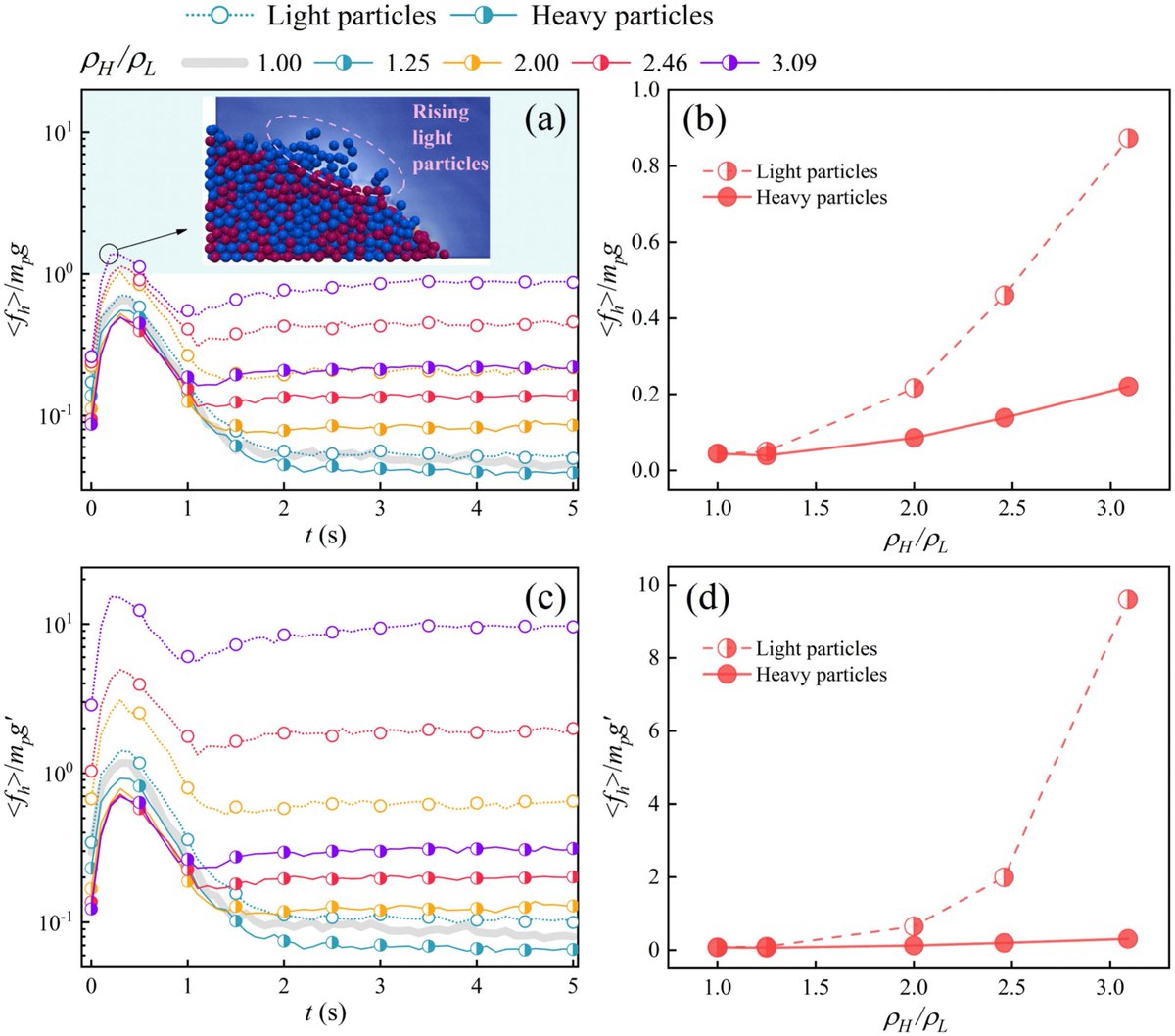
Collaborative team from @RMIT@ZJU_China@Cambridge_Uni conduct 3D coupled LBM-DEM simulations to investigate particle density segregation in immersed binary granular column collapse.
https://t.co/DOzlEyXjCx
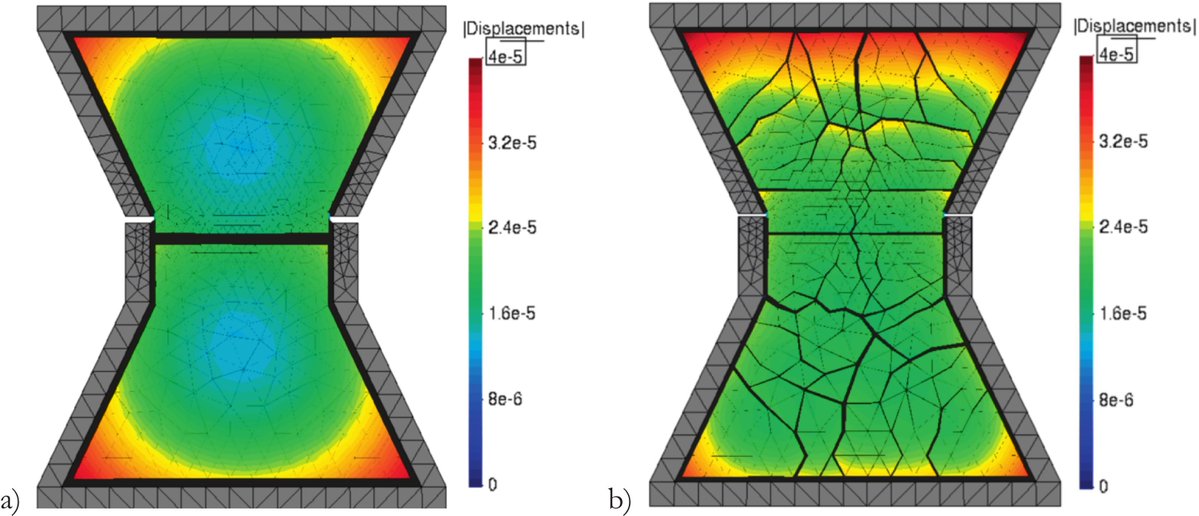
Team from @TAMU and Brazil present a new computational framework that extends the Mesh Fragmentation Technique (MFT) to incorporate a coupled damage-healing constitutive model for cracking and healing behavior of clays. https://t.co/yegsmZ0oWM
Researchers from @EPFL propose a multiphysical modelling approach to injection strategies for homogeneous soil bio-improvement. https://t.co/ZrGksLjAhO
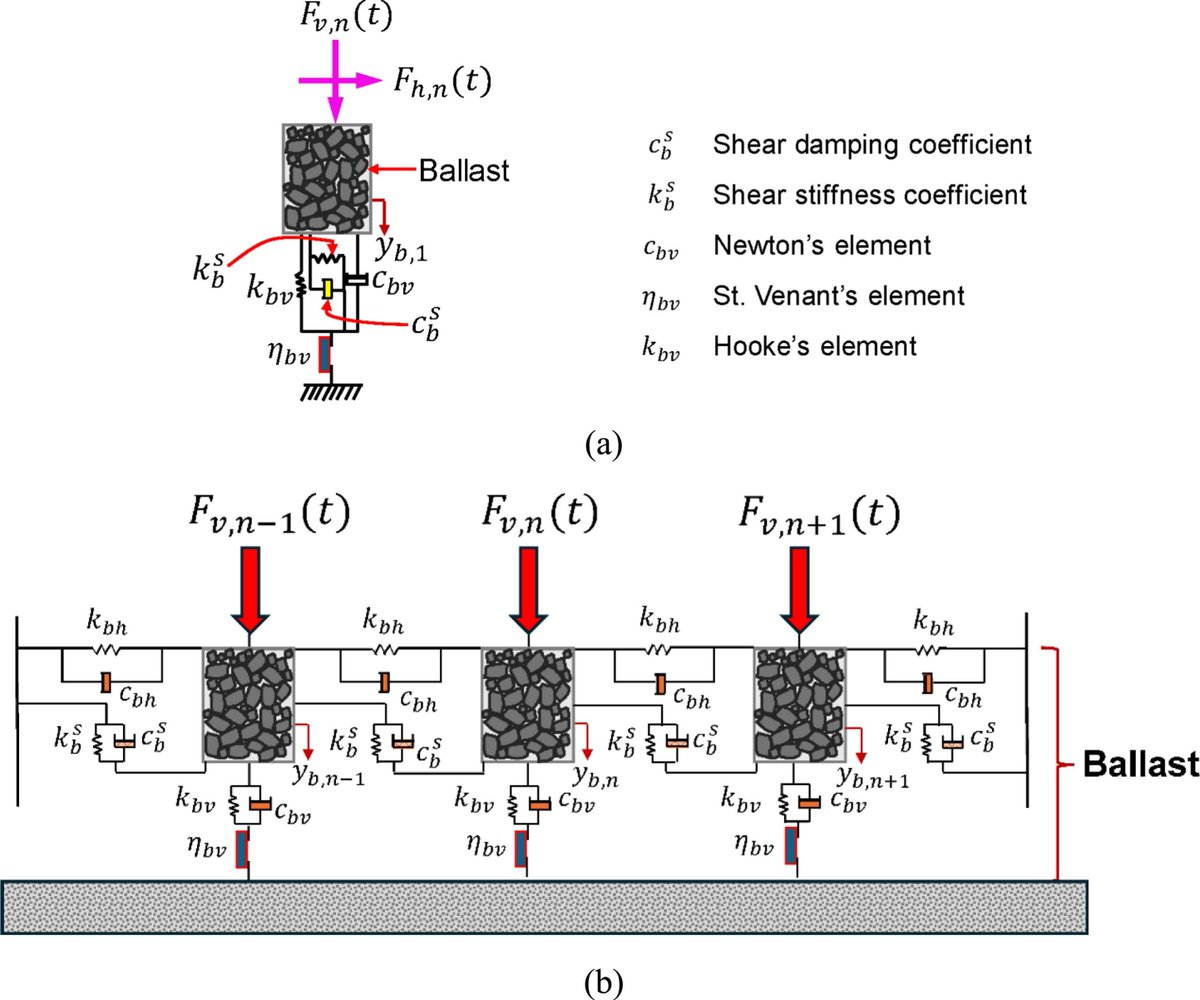
Team from University of Technology Sydney presents a novel and effective geotechnical rheological model adopting a viscoelastoplastic constitutive approach for evaluating the vertical and lateral responses of an integrated track-bridge system. https://t.co/lZOXv3GWV4
Team from @VirginiaTechCEE and @LosAlamosNatLab presents a general-purpose numerical framework for simulating stable stresses in porous media, capturing both near incompressibility and multiphase interactions
https://t.co/j8NnhF27YG
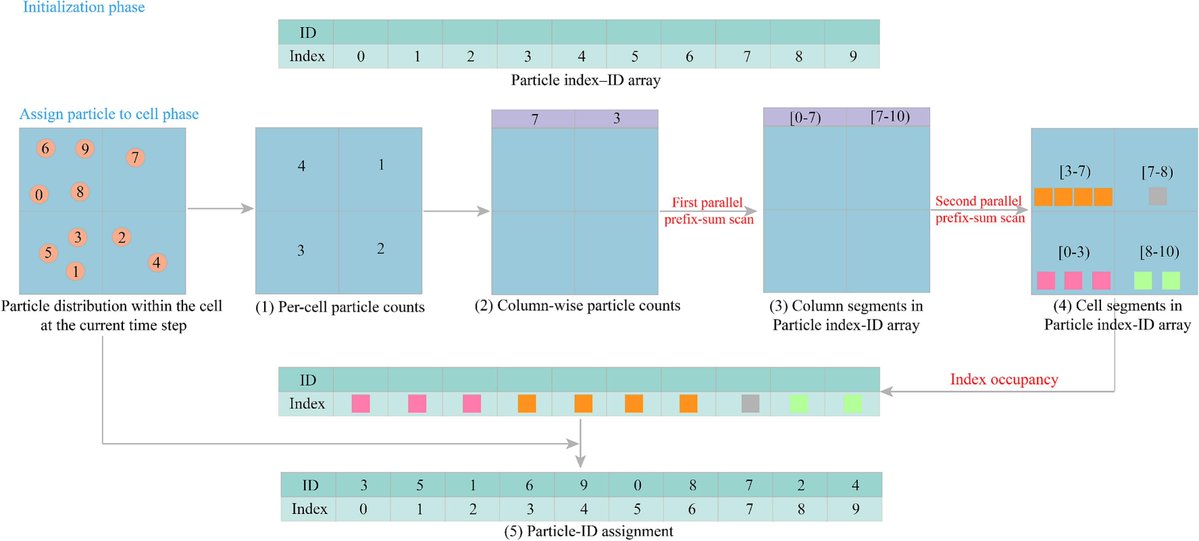
Group from China presents a high-performance MPM–DEM simulation framework based entirely on CUDA, offering a unified GPU-accelerated computational environment tailored for simulating large-scale, complex soil–multibody interaction problems.
https://t.co/xot0UwyM3j
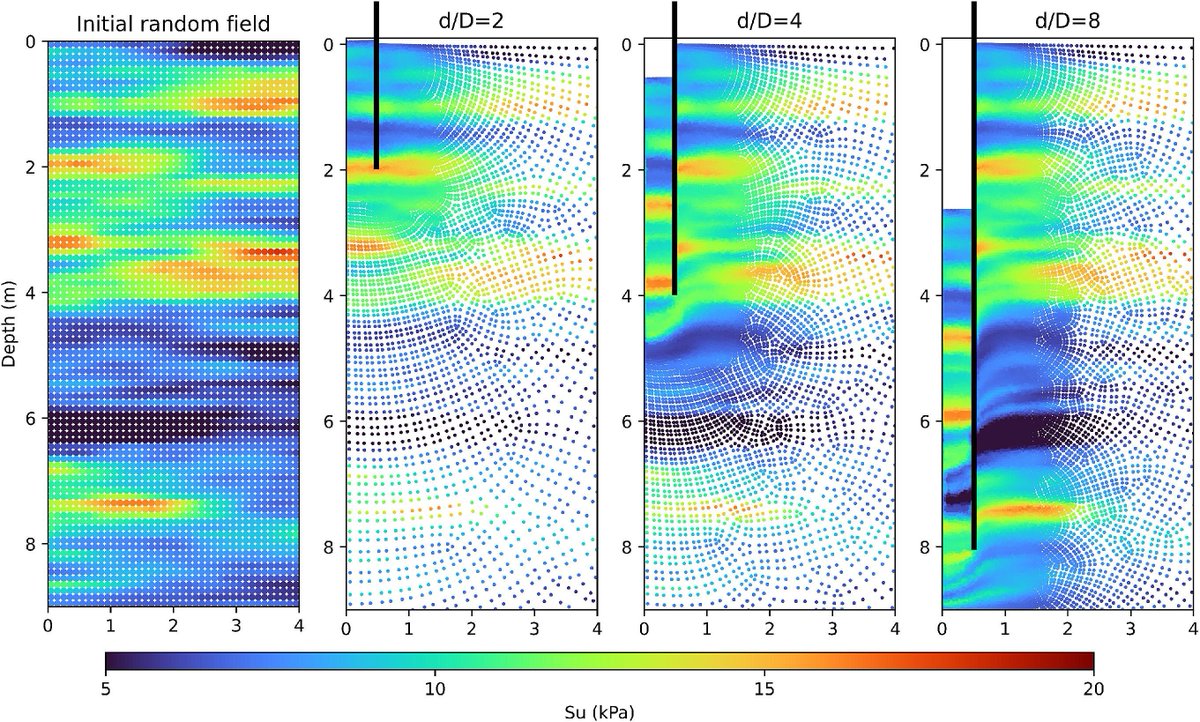
Researchers from @DurhamU34989 propose an interpolation and remesh based large deformation finite element method considering soil spatial variability.
https://t.co/xriH6Pnw83
Collaborative team from UK, Italy, and China presents a novel model for simulating double-twisted hexagonal wire meshes, commonly used in both active and passive rockfall barriers.
https://t.co/JfICTFJsEb
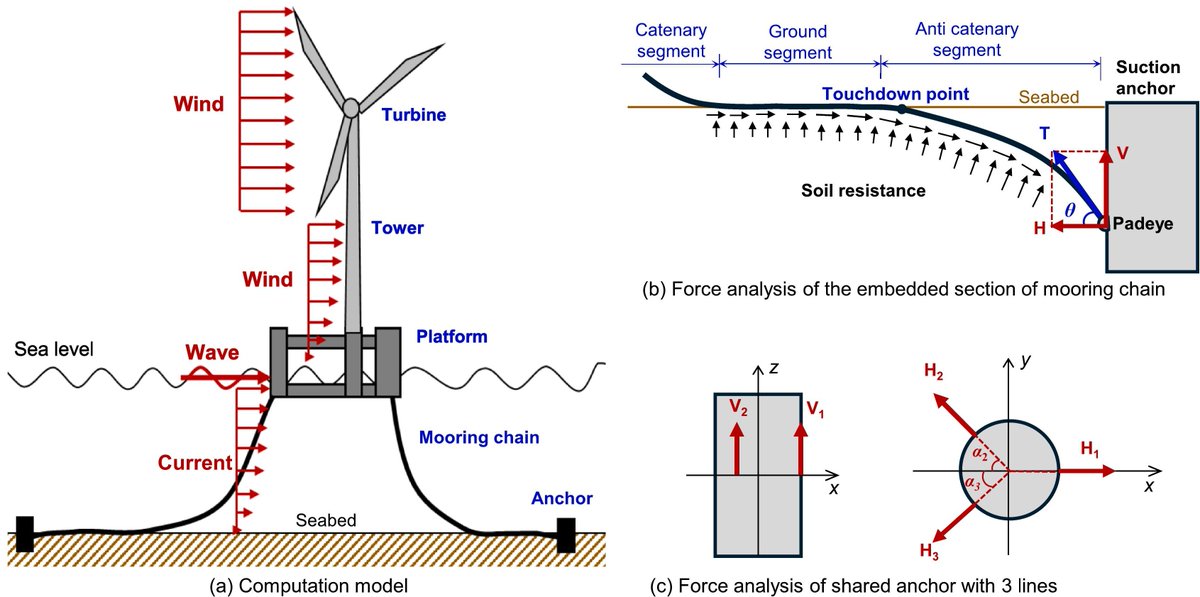
Team from China reveal following initial anchor failure, platform displacement in shared-anchor wind farm decreases by 80% relative to conventional floating wind farms using strengthened chains.
https://t.co/iyCci23Buu
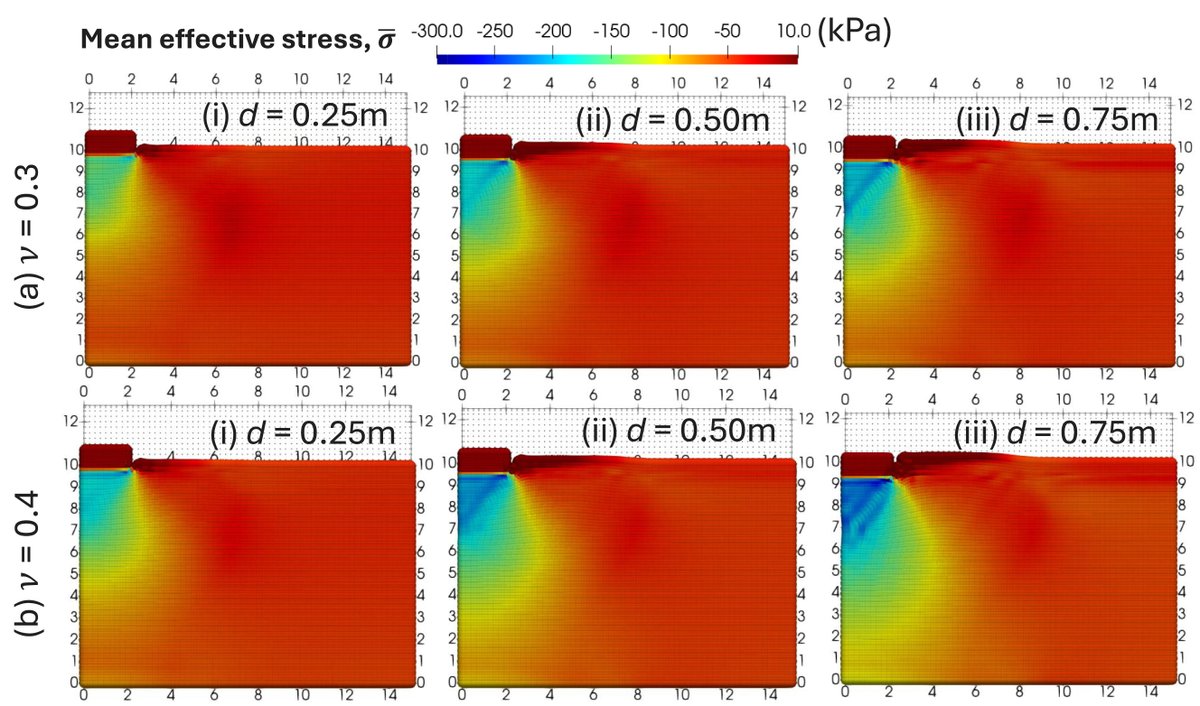
Researchers from Australia and Germany evaluate soil mechanisms underpinning resistance against vibro-driving in sand by performing large deformation numerical analyses of displacement-controlled vibro-driving of monopiles. https://t.co/taYtBouj0A
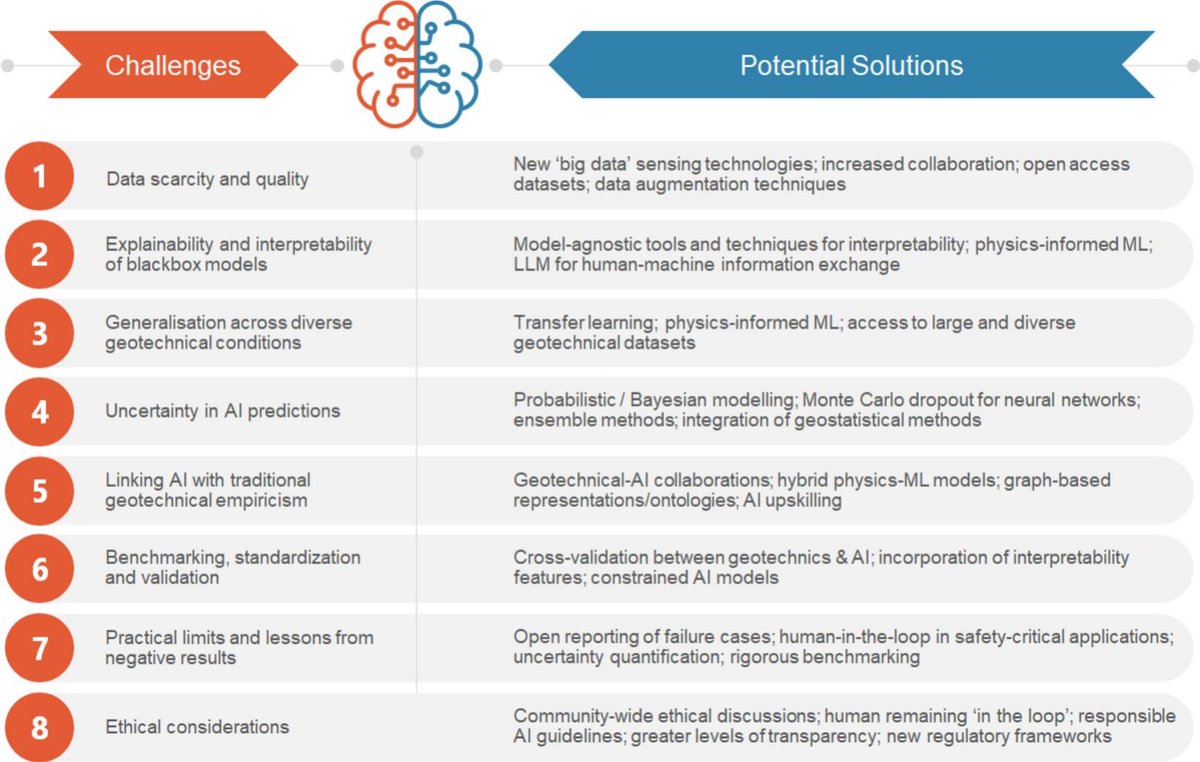
Global collaborative team review the application of AI in geotechnical engineering, aiming develop a shared understanding of the state of the art of AI in geotechnics and to explore future developments.
https://t.co/nxdAzS6ErR
Researchers from Austrailia employ smoothed particle hydrodynamics (SPH) in conjunction with an advanced unsaturated constitutive model to investigate the effects of void ratio dependence and variability on rainfall-induced unsaturated slope failure. https://t.co/8Bc9bvkhQe
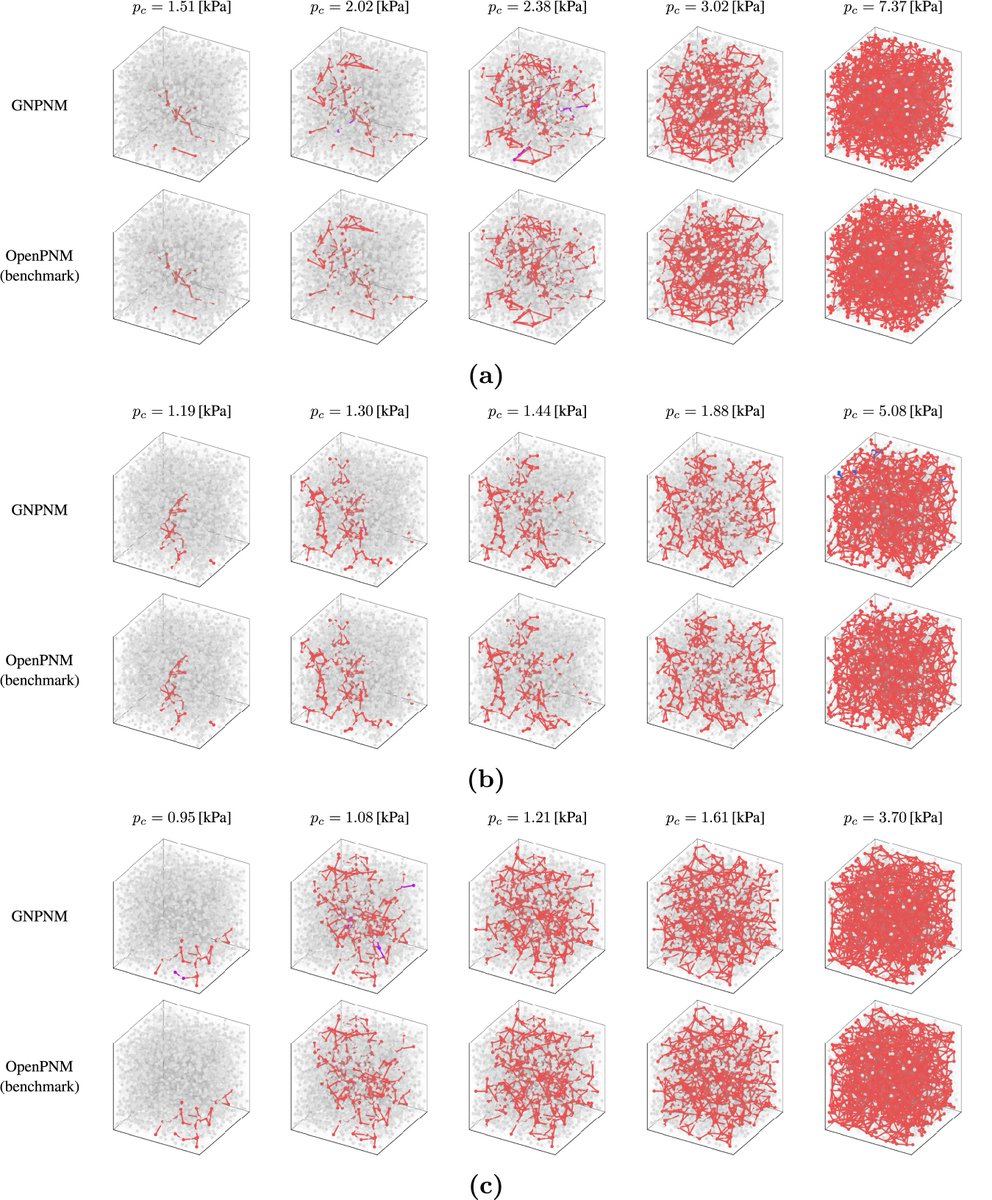
Team from @cwru presents the graph neural pore network model (GNPNM), a data-driven surrogate model for predicting equilibrated configurations of two immiscible fluids in capillary-dominant regimes.
https://t.co/ENKYbRNbqM