@ChespasB You know, I can see the vision. I'm sure there are plenty of Spider-Heads out there, but I do see him being out-read by too many other heroes and I my really having been in contention for the big 3 of Marvel pre-MCU mostly because of the cartoons and Raimi flicks.
@deusdebnha I don't think they will. Secret Wars is soft-rebooting the MCU, so it would make sense to start from street-level and have the story take it time to build up through the "threat scale".
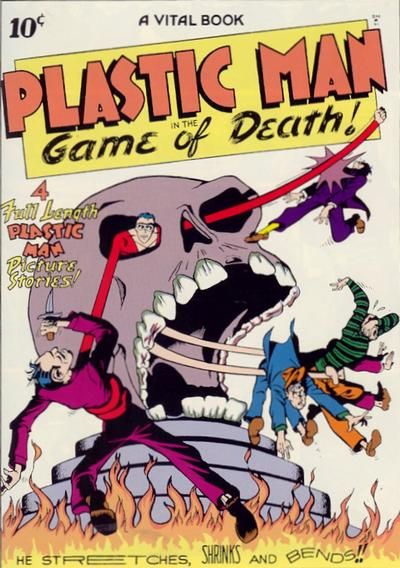
Plastic Man took over Police Comics covers starting with #5 (Dec 1941), pushing Firebrand to a sidebar. Jack Cole's surreal stretch gags made him Quality Comics' signature hero. After Quality folded in 1956, DC acquired Plas and later put him on the Justice League.
Plastic Man debuted in Police Comics #1 (Aug 1941) from Quality Comics. Jack Cole wrote and drew reformed crook Eel O'Brian, doused in acid, who stretches into any shape—one of the first heroes to mix slapstick into action. #PlasticMan
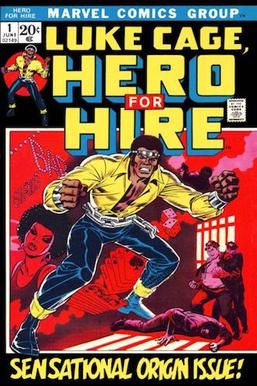
With Power Man #17 (Feb 1974), the series dropped Hero for Hire. Cage rejected 'Ace of Spades' as too ethnic; mid-fight he thought of 'Black Power, man'—and landed on Power Man. Billy Graham inked Gil Kane's cover and George Tuska's story.
Luke Cage debuted in Hero for Hire #1 (June 1972) by Archie Goodwin and George Tuska. Roy Thomas named him and the title; John Romita Sr. designed the costume. Cage escapes Seagate with unbreakable skin and opens a Harlem Hero for Hire office. #LukeCage
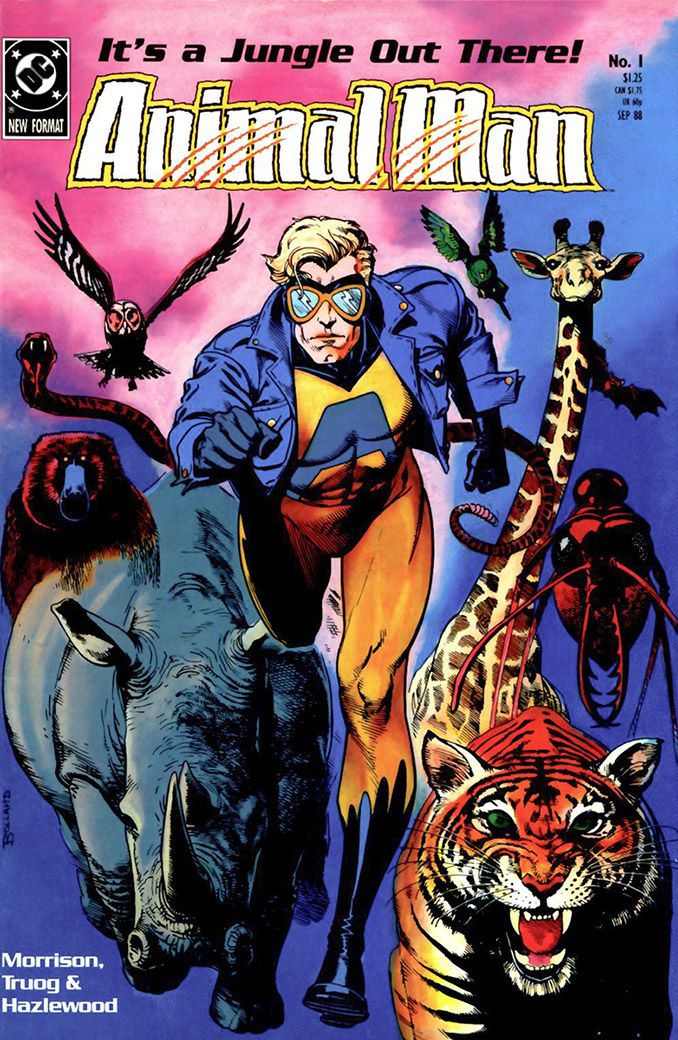
Grant Morrison's Animal Man #1 (Sept 1988), with a Brian Bolland cover and art by Chas Truog, relaunched Buddy Baker for a mature audience. Morrison's 26-issue run turned a forgotten Silver Age hero into a metafictional classic about comics themselves.
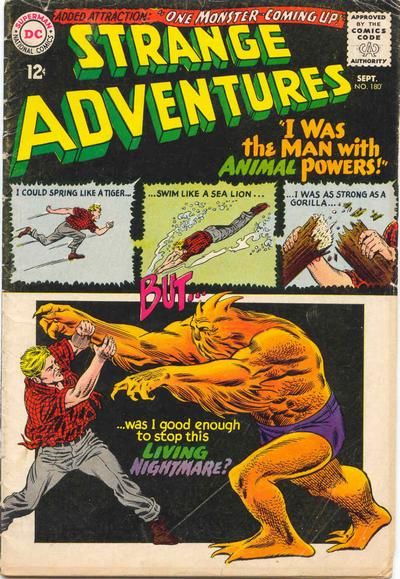
Buddy Baker debuted in Strange Adventures #180 (Sept 1965) by Dave Wood and Carmine Infantino. An alien ship briefly gives the stuntman animal powers in 'I Was the Man with Animal Powers'—no costume and no codename yet. #AnimalMan
Special Marvel Edition was retitled The Hands of Shang-Chi, Master of Kung Fu with #17 (Apr 1974). Englehart and Starlin soon left; Doug Moench and Paul Gulacy's cinematic run made it a martial-arts landmark that lasted through #125 in 1983.
Shang-Chi debuted in Special Marvel Edition #15 (Dec 1973) by Steve Englehart and Jim Starlin. Marvel had licensed Fu Manchu; Roy Thomas greenlit their kung fu pitch if they used that villain. Shang-Chi is Fu's son—who renounces him. #ShangChi
DC's first pick for a Black lead was the Black Bomber: a white racist who turned Black under stress. Don Markstein called it 'an insult to practically everybody.' Tony Isabella talked editors into using Black Lightning instead—a hero Isabella had already been developing.
Black Lightning debuted in Black Lightning #1 (Apr 1977) by Tony Isabella and Trevor Von Eeden. Jefferson Pierce is an Olympic athlete turned Metropolis teacher who fights the 100. He was DC's first African-American hero to headline his own series. #BlackLightning
@OneTrueVillain@JamesGunn Hard agree!
From Woodrue's opening monologue while looking over the city to the end of the story... Wonderful storytelling.
My favorite from Moore's run is issue 60. Hands-down, the most unique singe-issue story I've read in my life. I also love his time on the blue planet too!
@JamesGunn found this on a Barnes and Noble shelf. Was wondering if this is tied to the general character interest that will spike as a result of the upcoming Swamp Thing project, or if this is a subtle yes to this being the storyline inspiration for the Swamp Thing project?
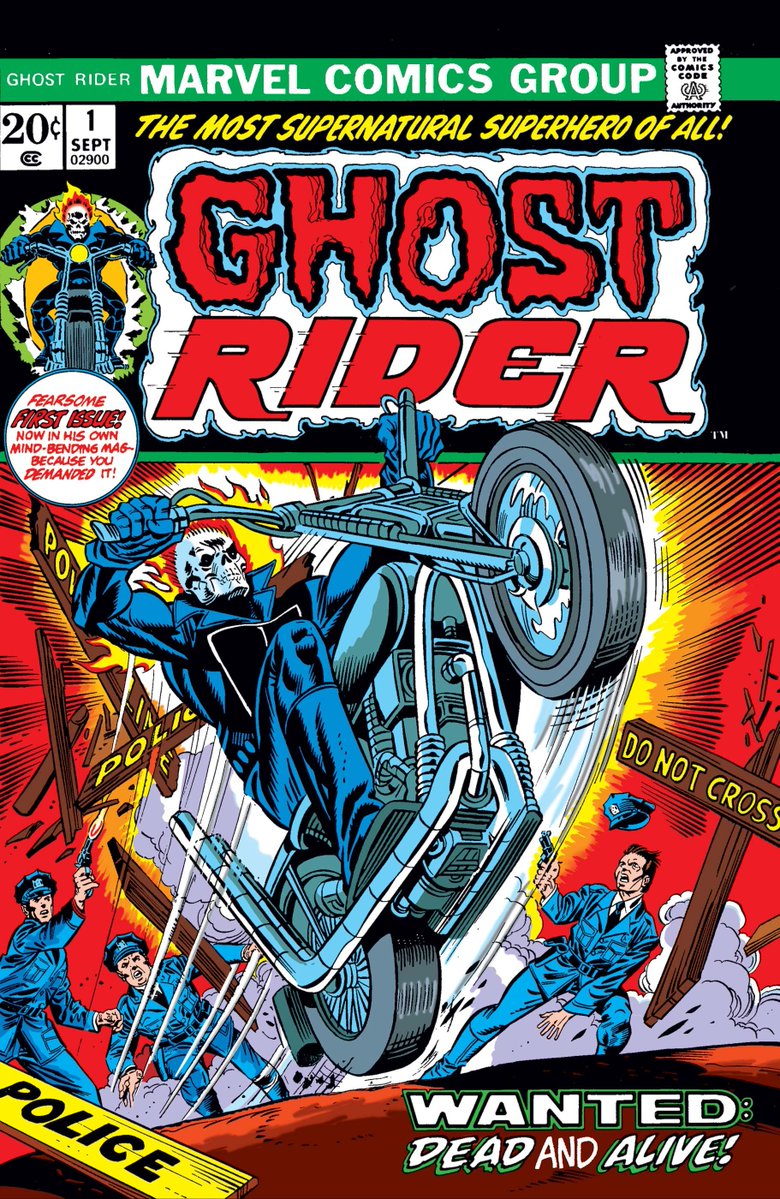
Roy Thomas recalled wanting Ghost Rider's skull head with a jumpsuit like Elvis's 1968 special, and said Mike Ploog added the flames because they looked nice. Friedrich insisted the flaming skull was his idea. Blaze got his own series with Ghost Rider #1 (Sept 1973).
Johnny Blaze's Ghost Rider debuted in Marvel Spotlight #5 (Aug 1972) by Gary Friedrich, Roy Thomas and Mike Ploog. Friedrich first pitched a motorcycle-riding Ghost Rider as a Daredevil villain, but Thomas said it was too good for that and gave him his own book. #GhostRider
In Kirby's 1972 series, Etrigan's rhymes were mostly limited to the spell 'Change! Change, O form of man!' Len Wein had him speaking in rhyme in DC Comics Presents #66 (Feb 1984), Alan Moore kept it in Swamp Thing, and a 1985 annual explained it as a promotion in Hell.
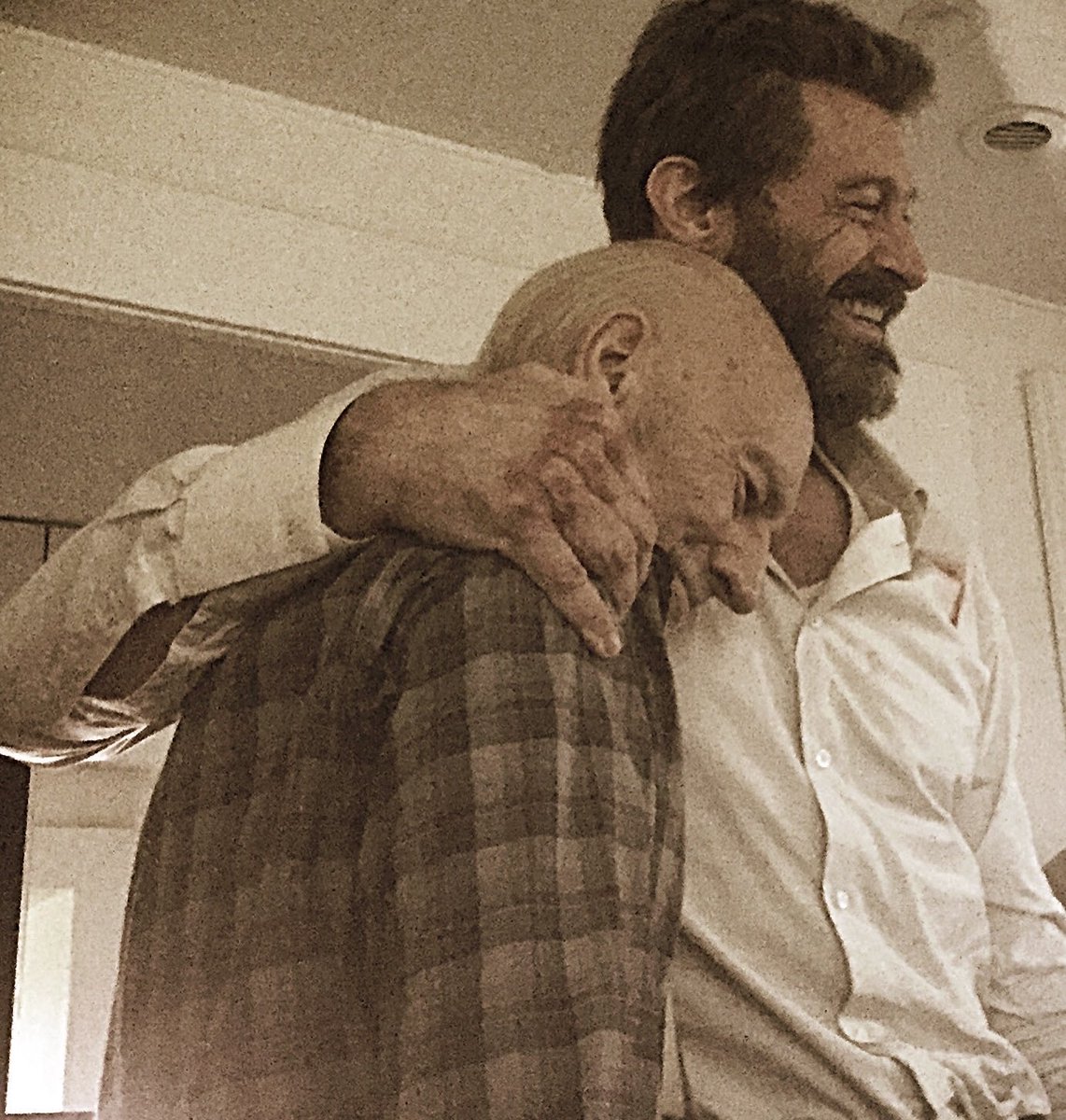
We lost one of the greats of stage and screen today. And, in my book, a tremendous friend and man. I learned so much from him. I will miss you, Patrick Stewart, all of my days. @mang0ld
@JamesGunn Just to clarify, I've noticed Barnes and Noble shelves stock ahead of movie releases with related comic material, so I was wondering how accurate of an indicator this would be here, as I love the Anatomy lesson, especially Woodrue as the Floronic Man and his opening monologue