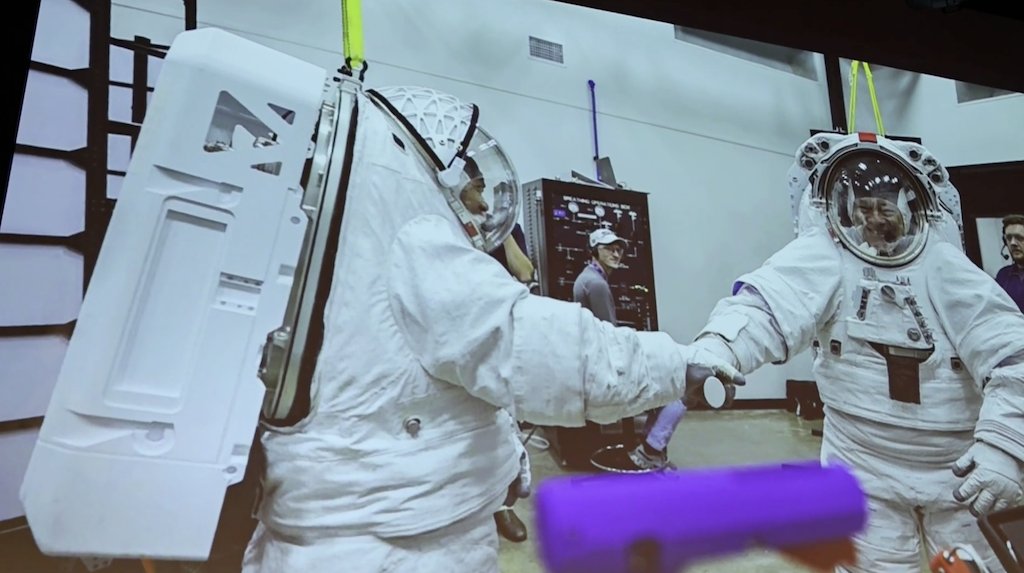
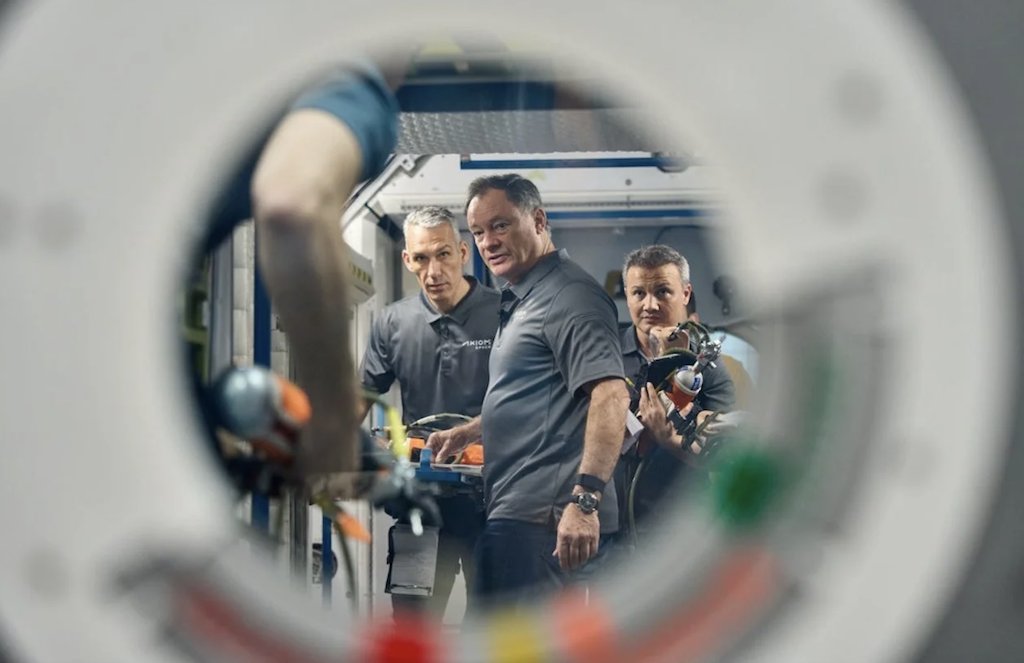
The AxEMU is designed to be both a walking suit and for use in microgravity. During testing we are often suspended by a weight relief system for practical and safety reasons. For some reason, the weight relief system is called Howard. So every time we want to be raised or lowered, we say 'Up Howard' or 'Down Howard.’ It's good to have a little levity in the middle of high stakes engineering 🙂
In Paris, Axiom Space and The Exploration Company entered into a Cargo Services pre-booking agreement for space transportation and logistics. We will work together on the critical architecture needed to support human space exploration onboard #AxiomStation.
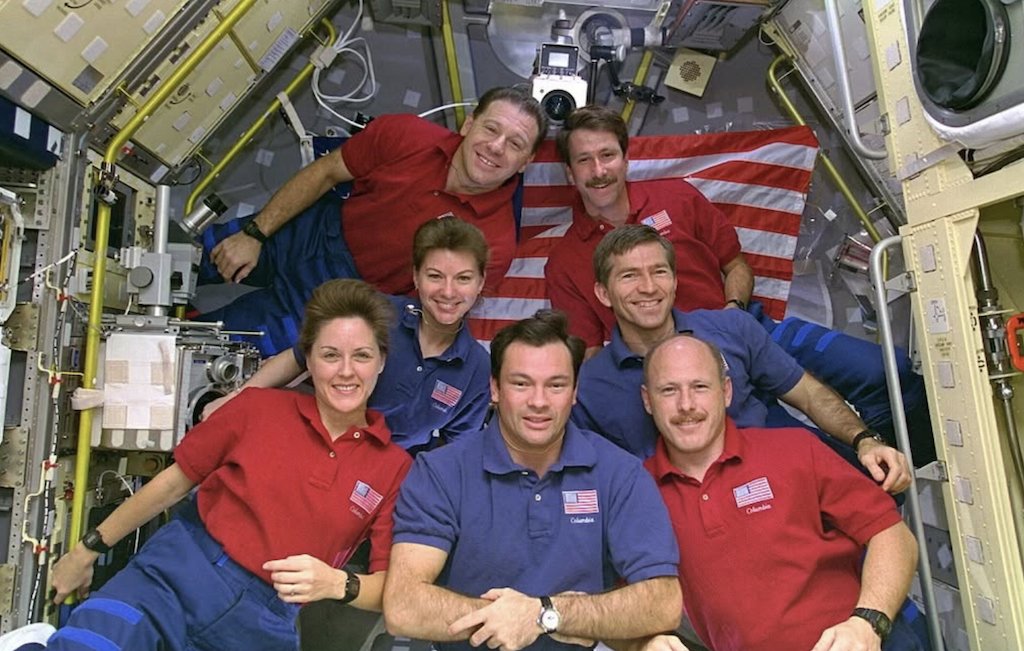
The way we approach spaceflight is constantly changing. During STS-73, for example, we had Red and Blue teams. The crew were split up for sleep shifts, so while the blue team slept, the red team worked, and vice versa. That worked okay for short-duration missions but would challenge long-duration flights, so the Space Station crews adopted a single, unified schedule. With the return of Private Astronaut Missions, short-duration flights have resurfaced, but continue to follow the established Space Station schedule. Managing two different schedules in one space station would be too disruptive to daily activities and the mission flow.
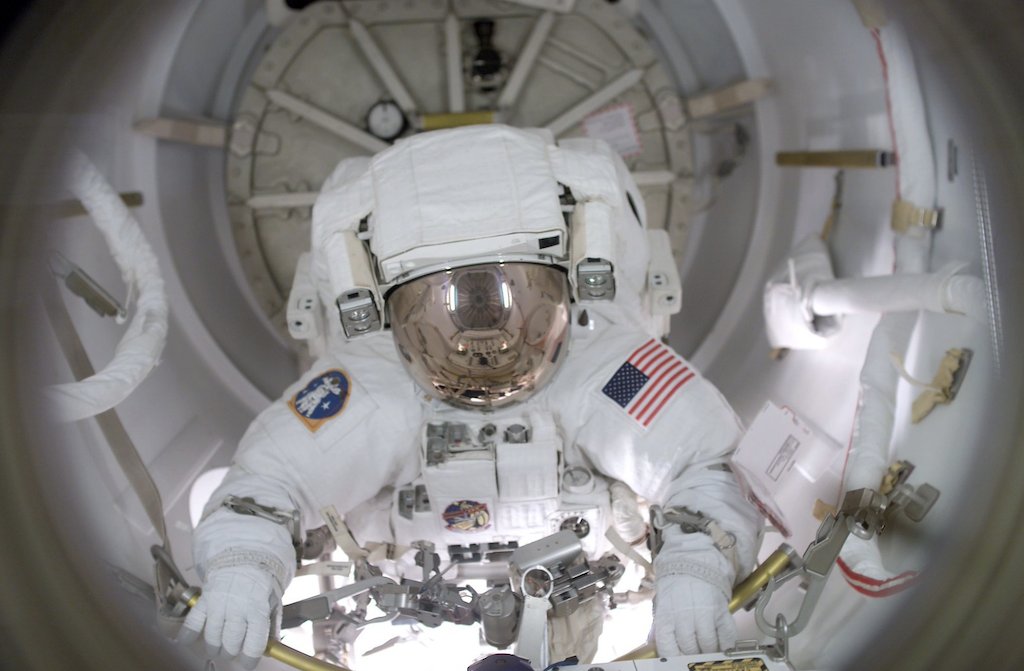
You might hear astronauts say that space smells like burnt metal, and I wouldn't disagree, but the smell doesn't actually come from the vacuum of space. The smell astronauts refer to occurs after completing a spacewalk and coming back into the hatch. After spending several hours in the extreme temperatures of space, the metal on your suit and tools is offgassing and that's what actually causes the smell. I have also heard it referred to as 'burnt steak,' but I think that may just be a reaction to space food and wishful thinking 😉
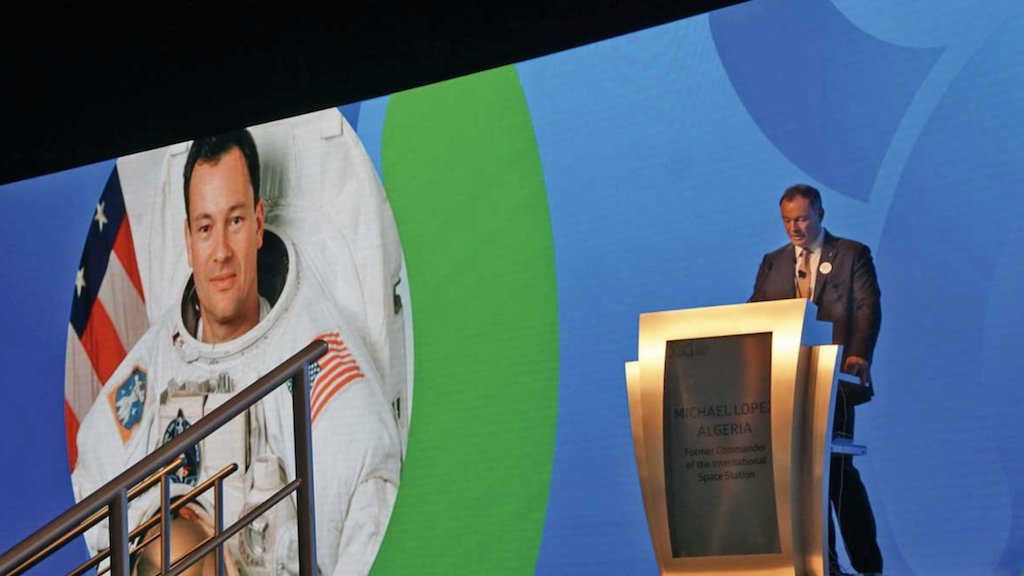
It was a pleasure to take part in the "An Aerospace Nation" summer program at @unicomplutense. It's exciting to see so many young minds interested in the future of aerospace.
One of the most interesting aspects of spaceflight is the introspective shift it creates because it forces you to recognize your strengths and accept your weaknesses as both an individual and a team.
NASA has successfully executed complex space missions for over 50 years, giving us a proven roadmap for success. The key to a thriving commercial space economy is to follow that roadmap—only faster, while incorporating cutting-edge technology and new innovations. Combining NASA’s deep experience with the commercial sector’s agility will refine existing approaches and unlock entirely new markets in orbit.
Whenever I speak, I try to convey one simple idea: don’t sweat the small stuff. Stressing over tiny mistakes you can’t undo is one of the fastest ways to drain your energy, scatter your focus, and invite self-doubt. Whether you’re launching rockets, running a team, or just navigating everyday life, the same rule applies. Ask yourself 'Can I fix this now?' If the answer is no, acknowledge it, extract the lesson, and move on.
It's amazing to see how far the International @Space_Station has come since STS-92. That mission was in 2000 and the ISS was still uninhabited. After we finished a series of spacewalks, three of us asked mission control if we could spend the night on the station instead of in the shuttle. They had to think it over, because the ISS wasn't yet fully operational; it still relied on the shuttle for critical systems like CO₂ scrubbing. Eventually they agreed. It was a truly primitive experience compared to life on the station today. There was no proper lighting, so it was pitch black. Most of the fans and pumps we take for granted now weren't working yet. It felt raw, quiet, and completely different from the comfortable, humming home it has become.
To me, the pinnacle of NASA human spaceflight is the spacewalk. Having done 8 spacewalks in NASA’s space suit (Extravehicular Mobility Unit) and 2 in the Russian Orlan space suit. I can tell you the difference is stark. Unless it's a contingency spacewalk, every move and task on a NASA spacewalk is meticulously choreographed with detailed procedures, with robust communications and tight timelines. The Russian approach is different - more improvisational, with less comms support and relies more on crew experience and adaptability. I have great respect for the Russian space program, but everything—from the communication to the suit to the planning—is completely different from how NASA runs a spacewalk.
After my first spaceflight I was assigned as the DOR (Director of Operations Russia). It was a fascinating time because I was working in what was previously a top secret Russian Military base, wearing my Navy uniform—something that would have been unthinkable years earlier. It was a fantastic experience and a reminder that we are all cut from the same cloth.
Spaceflight is such an incredible experience, yet it’s nearly impossible to fully convey because it feels so completely unlike anything we know on Earth. I’m very pleased that we're reaching a crossroad where private spaceflight will become more routine—everyone deserves the chance to experience space for themselves.
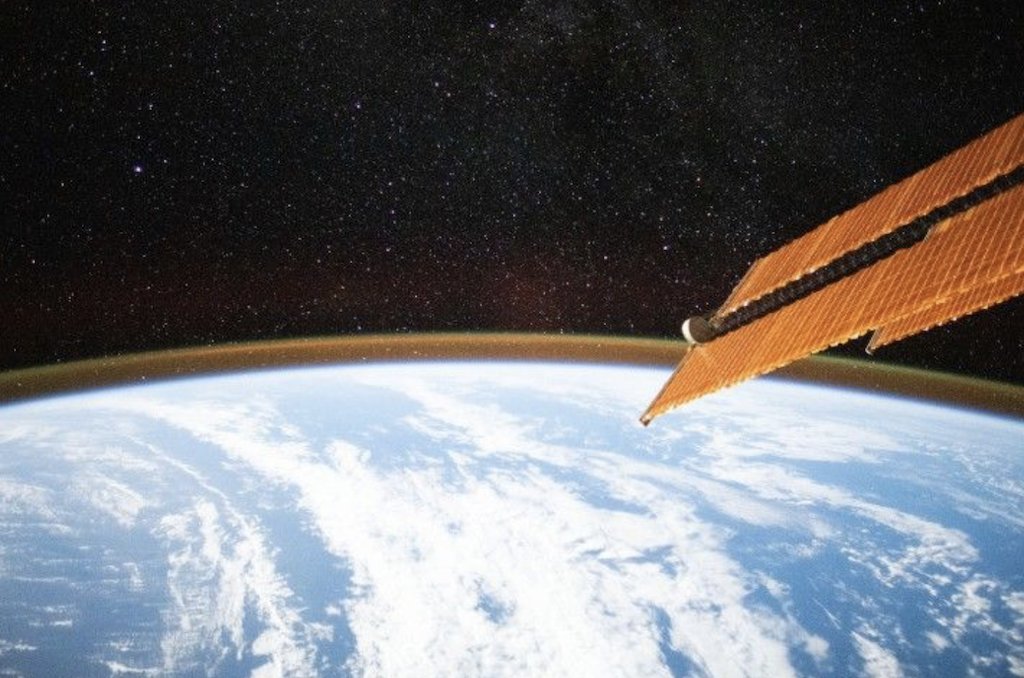
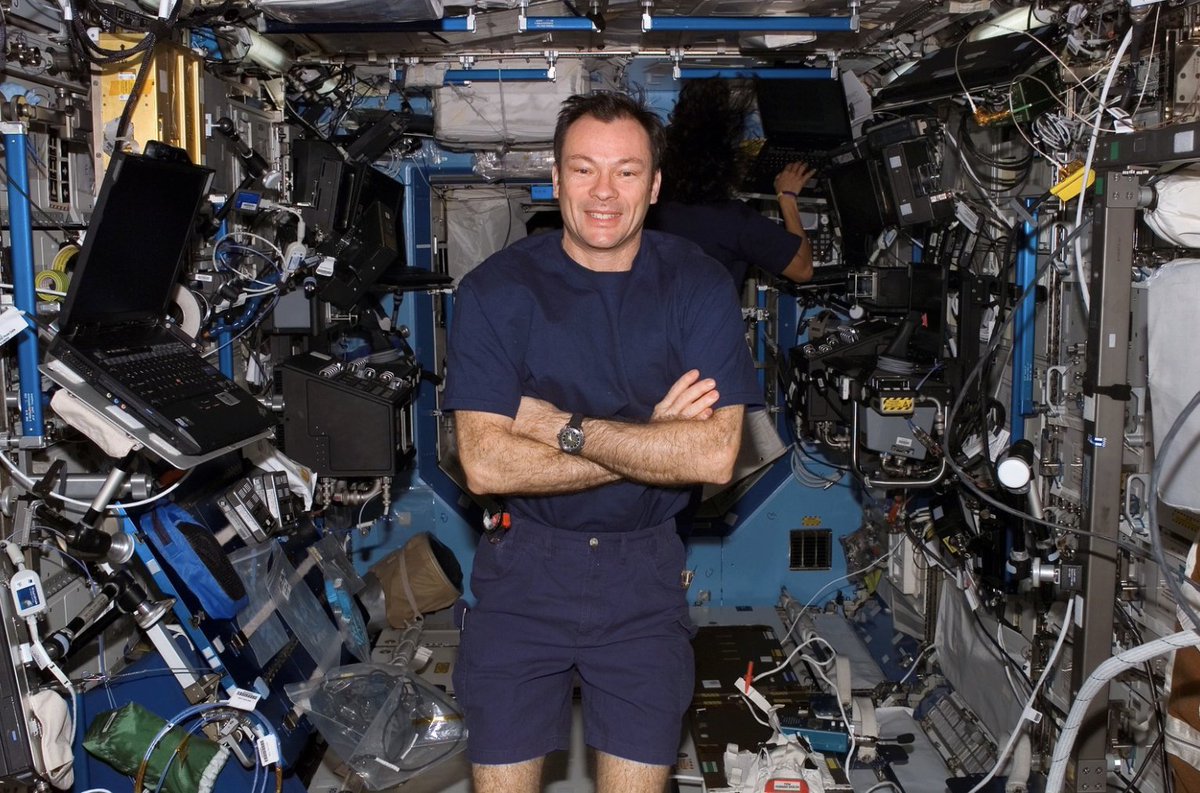
Technically gravity is almost as strong on the #ISS as on Earth, but the Space Station is moving so fast that you're basically in a constant state of free fall.
It's interesting how small things affect you after a long spaceflight. You know the big ones - that you're going to feel heavy and disoriented - and you can prepare for those, but little things like how uncomfortable it is to sit in a chair when you haven't done so for months - those are the things that surprise you!
The most tense moment I experienced during a spacewalk was also the most comical (and least important). My Russian crewmate and I were tasked with hitting a golf ball during the spacewalk for a commercial. I almost lost my grip of the ball (which was actually a ping pong ball) while attaching it to the “tee” (a conical spring). While I held my partner's feet to anchor him, he took a swing and shanked it; we didn't end up with much of anything.
https://t.co/Leb6K8Ufvs
A PRIVILEGE
With every passing day I become more aware of the privilege it has been to simply be a part of this effort. - @CommanderMLA@rynosu@wizikowski
-- For the full story check out "Vytal Sines Episode 3: Walk Off"
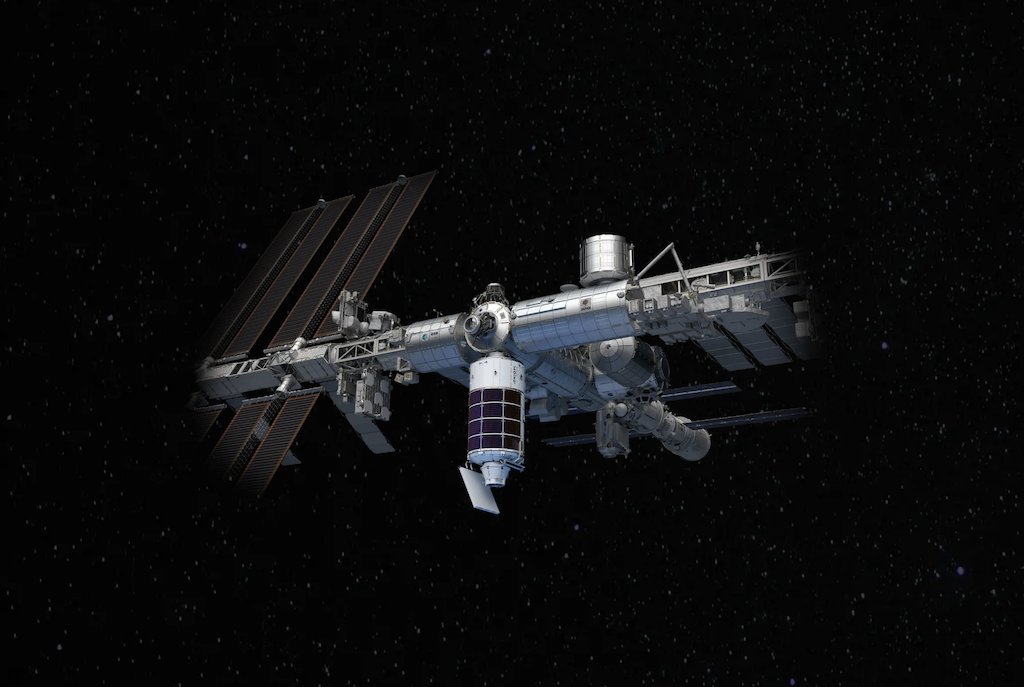
Berthing Module 1 of the Axiom Station to the International Space Station allows us to use the large opening hatch to transfer equipment that is no longer needed on the Space Station, saving us the time and cost of building and launching sophisticated research hardware into space. Equipment like glove boxes, freezers, incubators, and furnaces can be transferred to the racks on Module 1, allowing us to accelerate the use of the Axiom Station.