In Hawaiʻi, nearly 600 children under age 5 experience abuse or neglect each year, and many more are exposed to violence that goes unreported.
Preventing family violence is one of the most important ways we can protect our keiki.
#CommitToKeiki
When families cannot access or afford care:
- Parents leave the workforce
- Employers struggle to fill jobs
- Our economy slows
Investing in child care strengthens families, supports businesses, and builds a more resilient Hawaiʻi.
#CommitToKeiki
What does a child need most in their first five years of life?
A. A safe home
B. Access to early learning
C. Strong emotional support
The truth is, keiki need all three.
#CommitToKeiki
June is Children’s Awareness Month.
All month long, we will take a closer look at what our youngest keiki and their families are facing and what you can do to ensure every child has the opportunity to thrive.
#CommitToKeiki
The school year is coming to a close, and for many families, routines are about to shift.
Here are a few simple ways you can support your child’s mental health during this transition.
#CommitToKeiki
Keiki as young as 0-5 years old experience mental health challenges.
Early signs can be easy to miss. Early support can change outcomes.
#CommitToKeiki
Commit to Keiki’s Spotlight Series celebrates the leaders who are building a stronger foundation for Hawai‘i’s youngest keiki and their families.
Learn more about Natasha in our recent newsletter: https://t.co/jVUQNTAx0y
#CommitToKeiki
Young children can’t always express their feelings in words—so it shows in their behavior.
When we respond with care, we help keiki feel safe, build trust, and learn to manage emotions over time.
#CommitToKeiki
What shapes a young child’s mental health the most?
A. Genetics
B. Screen time
C. Relationships with caregivers
D. School environment
Take a guess and swipe right to see if you are right.
#CommitToKeiki
Mental Health Awareness Month is a time to raise awareness, reduce stigma, and expand access to care. It is also an opportunity to focus on where mental health truly begins, in the first 1,000 days of life.
#CommitToKeiki
Infants are the largest group of child abuse and neglect victims in Hawaiʻi. In most cases, the perpetrator is a parent or caregiver.
Prevention starts with reducing family stress and strengthening early supports.
#CommitToKeiki
Child abuse and neglect rates are five times higher in families with low socioeconomic status.
Prevention requires addressing root causes.
#CommitToKeiki
Commit to Keiki’s monthly newsletter provides timely updates on early childhood policy, data, and priority measures affecting Hawaiʻi’s youngest keiki and families.
Subscribe at https://t.co/Em6dJJRaRv.
#CommitToKeiki
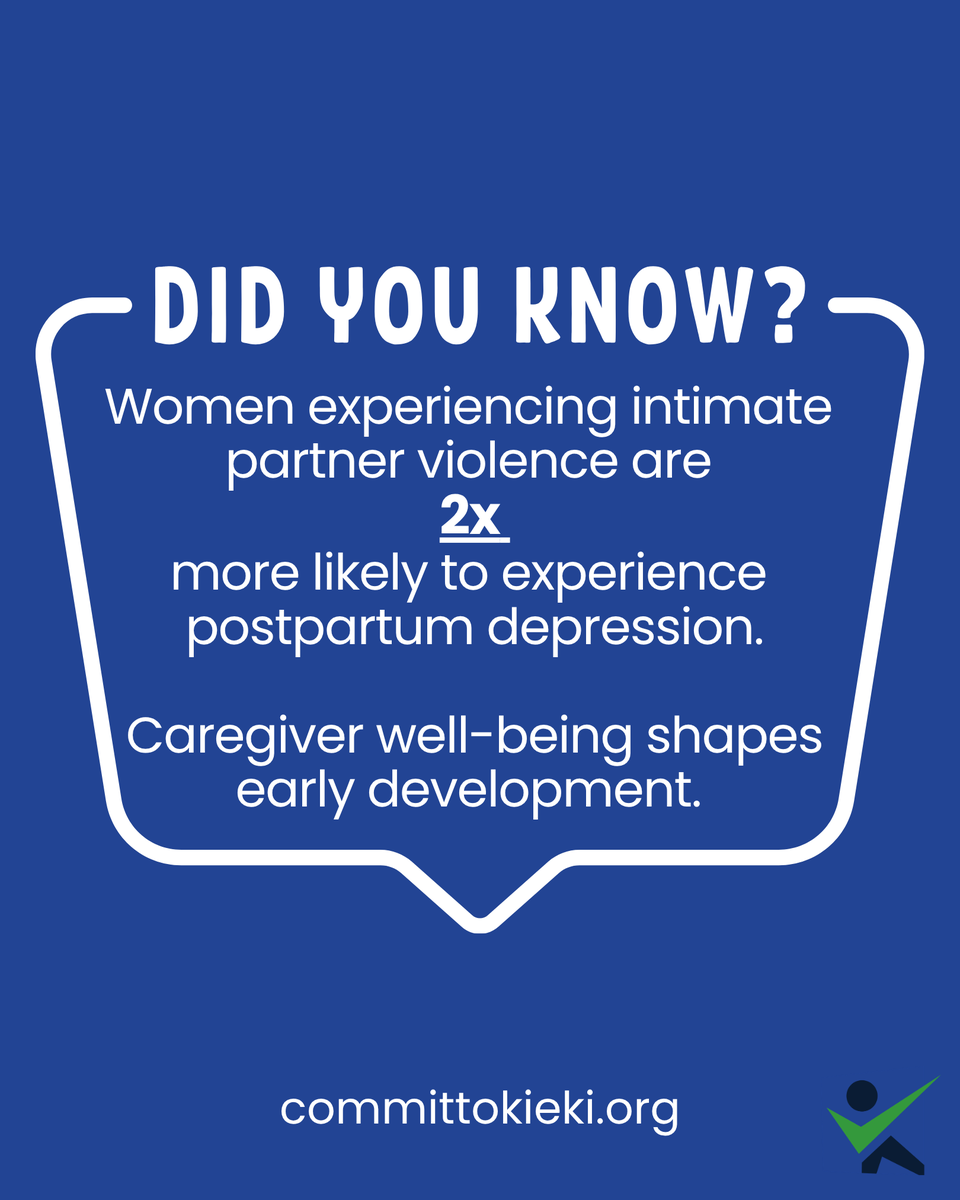
Women experiencing intimate partner violence are more than twice as likely to experience postpartum depression, with risks peaking when abuse occurs during pregnancy.
Caregiver well-being directly impacts early brain development.
#CommitToKeiki
Family violence is preventable.
Evidence-based strategies include strengthening economic supports, positive parenting approaches, and access to quality early care.
#CommitToKeiki
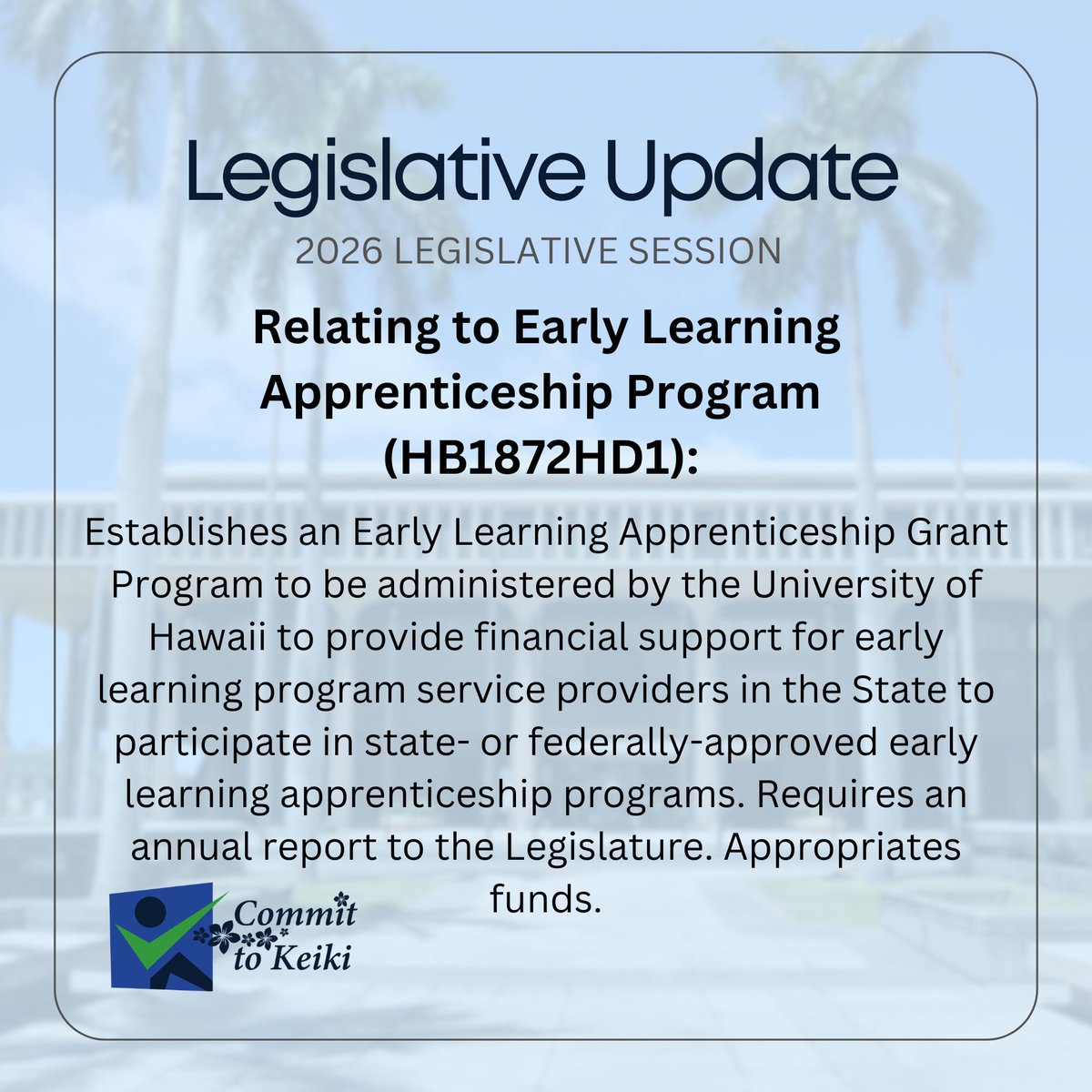
Join us in supporting this important measure that helps ensure our youngest keiki and their families have the strong start they deserve.
#CommitToKeiki
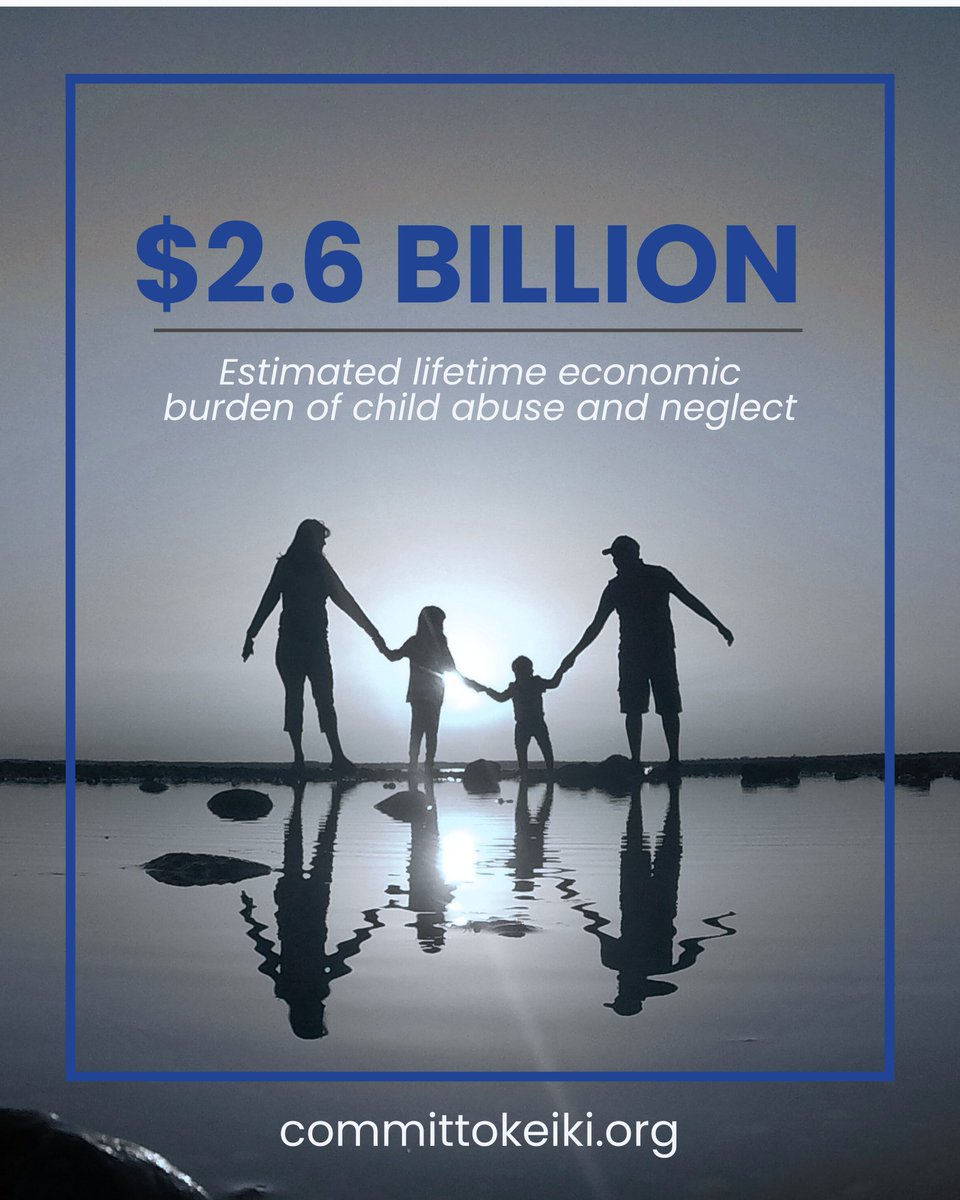
The lifetime economic burden of child abuse and neglect in Hawaiʻi is estimated at $2.6 billion.
Prevention is fiscally responsible policy.
#CommitToKeiki
Wishing our partners and community a Happy Easter.
We appreciate the many individuals and organizations across Hawaiʻi who work every day to support families and strengthen outcomes for our youngest keiki.
#CommitToKeiki