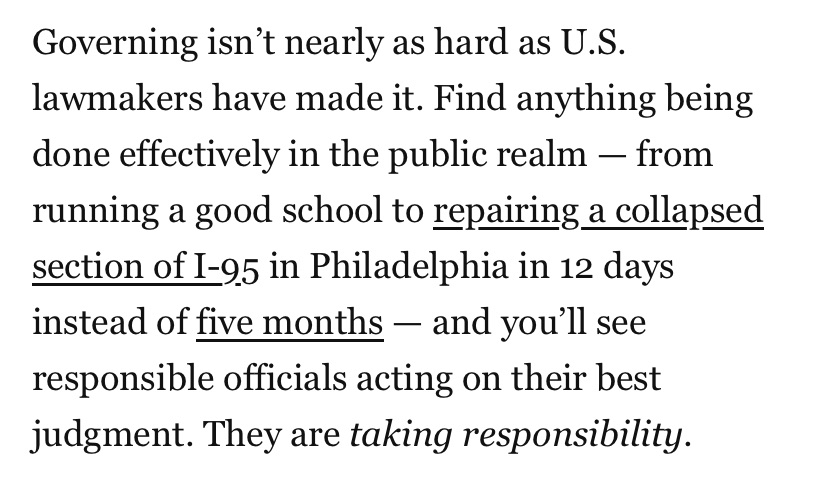
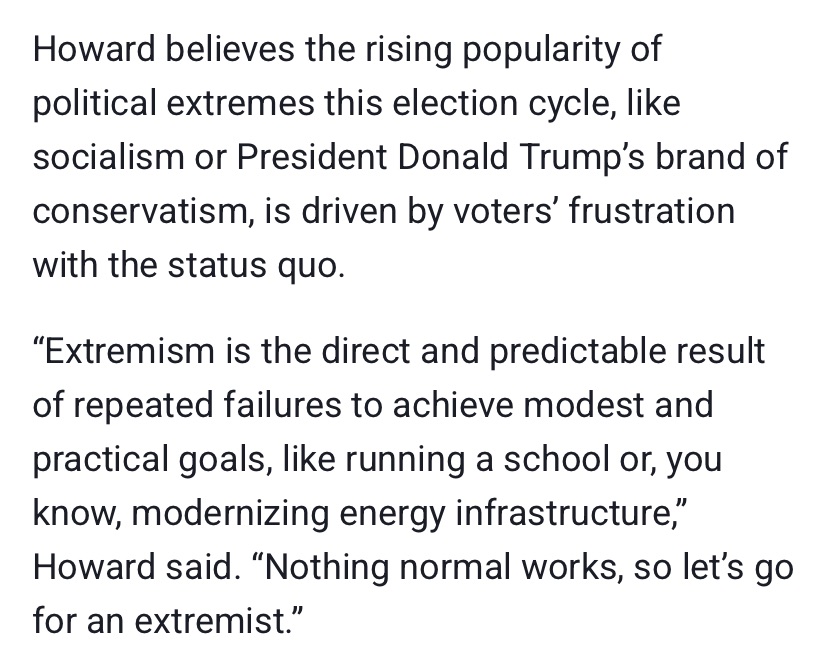
A new study shows that more than 90% of Americans believe the government can make positive change, but fewer than half think it actually does. https://t.co/rOx4Y8vefy
A new study shows that more than 90% of Americans believe the government can make positive change, but fewer than half think it actually does. https://t.co/rOx4Y8vefy
Artificial intelligence could lock in every inanity of dealing with public rules and procedures. But with a different approach, it may actually help policymakers become more effective, writes Philip K. Howard. https://t.co/wGQ2uH8pye
Organized Labor and Public Sector Unions
Californians hold generally favorable views of unions in the abstract. Nearly half (46%) say unions benefit workers in both the private and public sectors, while only 22% believe that unions generally do more harm than good. Democrats are particularly supportive, with roughly two-thirds expressing a broadly positive view of unions.
Voters are less favorable when asked specifically about public-sector unions and their role in government. Nearly half of Californians (48%) believe that public-sector unions have too much influence over elections and government decision-making, compared with just 14% who say they have too little influence.
Nearly two-thirds of Californians (63%) also support limiting the power of public-sector unions if doing so would make it easier to reward high-performing employees, discipline poor performers, and deliver better public services at a lower cost. Notably, majorities of independents (62%), Democrats (53%), Raman supporters (59%), and Bass supporters (52%) are in favor of reforms aimed at limiting public-sector union power and improving accountability and service delivery.
Support for organized labor therefore coexists with skepticism about public-sector unions and openness to limits tied to better government performance.
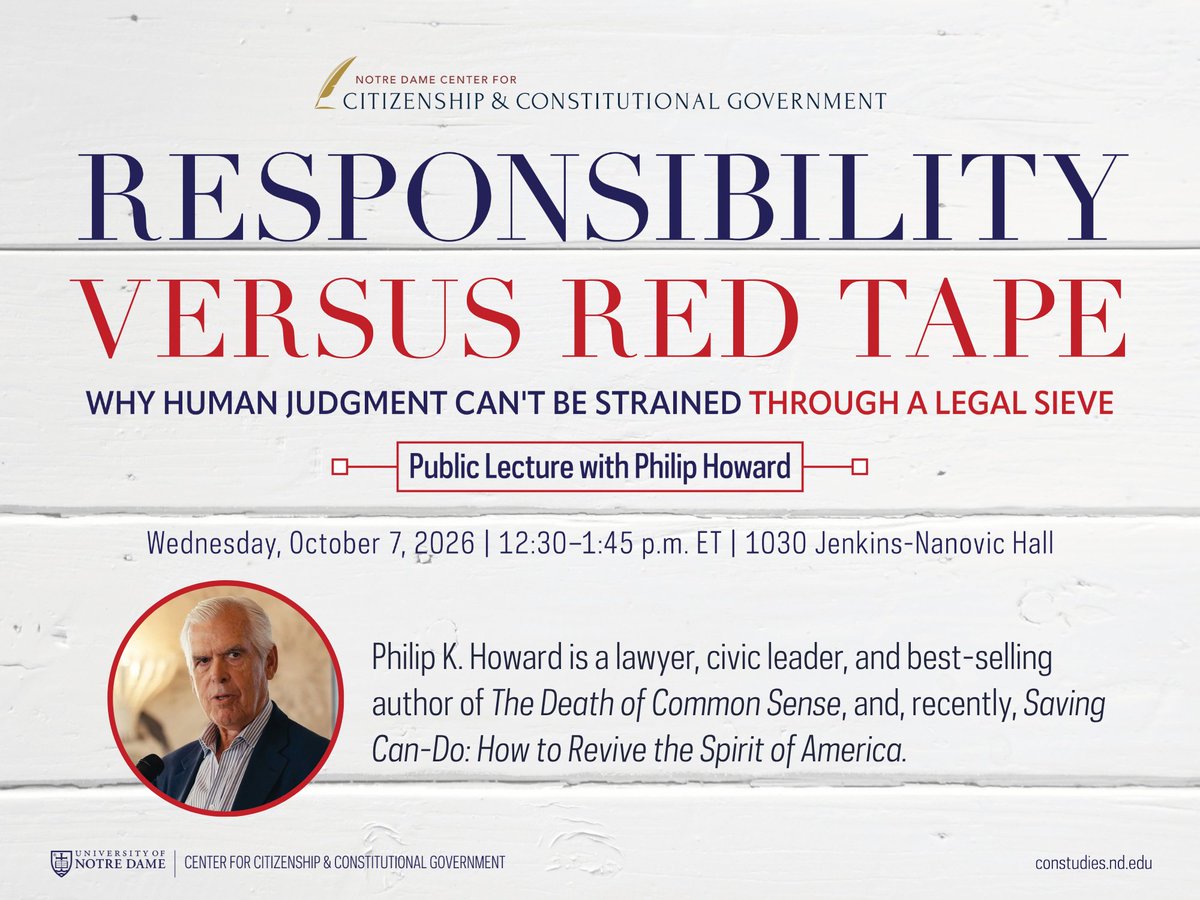
LIVE IN FIVE | Join us at @NotreDame to hear from @PhilipKHoward about "Responsibility Versus Red Tape: Why Human Judgment Can't Be Strained Through a Legal Sieve."
https://t.co/twjsqjHvhD
How do we restore effectiveness, responsibility, and common sense to American governance?
Join us next week on Wednesday, October 7 for a public lecture with @PhilipKHoward at @NotreDame: "Responsibility Versus Red Tape."
More details here: https://t.co/iP06ZNKRFg
Democrats used to be into education reform. Then they got tired of fighting the teachers’ unions. Now they’ve abandoned the field.
My latest over at @thestatesforum:
https://t.co/TLGjZmUEjl
https://t.co/8UsN6tWd4s
No real easy fix beyond folks need to really think hard about rigid rules vs most should really need to have some discretion baked in.
"Washington State had a rule that you could not get licensed as a foster parent if you didn’t recycle. One of the taskforce licensors shared that she had never been able to license a family living on tribal land, because they had no recycling service."
https://t.co/Uo9CWGNo4A
"Society might work better if people understood what was expected of them and had room to use their judgment," @PhilipKHoward of @CommonGood writes in the Red Tape newsletter. https://t.co/pi3X3uuCwy
Read our latest newsletter -- "Human Judgment. Human Accountability." -- on AI, the role of human judgment, and America's need to abandon the red tape state:
https://t.co/dV1TAjqze5
The great @PhilipKHoward with some hard truths:
"The phobia against human judgment is America’s unspoken taboo. As a result, the American state is floundering....This antihuman governing system helped spawn populism."
https://t.co/RfMtpU8nNN
Glad to be in today's Washington Post with my opinion piece! For the sake our families and our collective mental health, LET KIDS ROAM!
https://t.co/vHZ2uCHRht
A really interesting piece from my colleague Rachel Canter.
She crunched the numbers and found blue states, and states with strong teachers' unions, have been slower to adopt the sorts of literacy reforms that succeeded across the South. However...
https://t.co/JN0QuKBVem