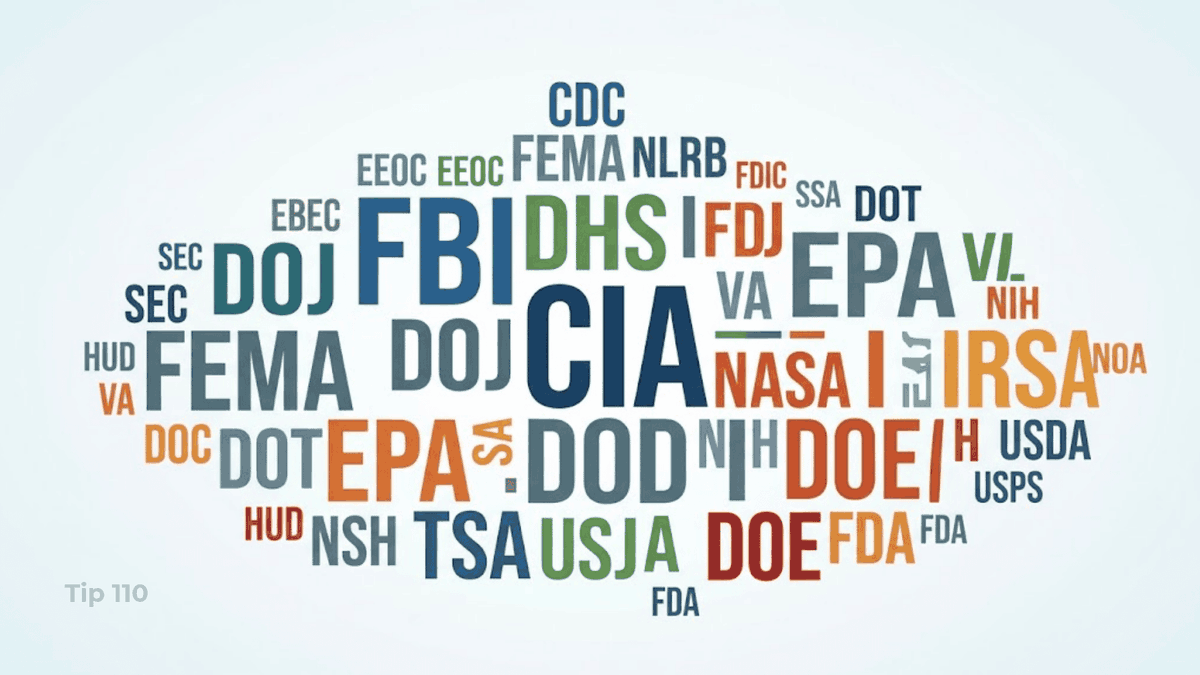
This is an old topic I keep seeing. Here's the tip - what's the maximum number of times you should use acronyms in your presentations? https://t.co/MBrtjsOcPJ
Five Surprising Trends from Two Years of Communication Tips, by JD Solomon @CommunicatingF 60% of technical presentation failures have nothing to do with data—they come down to how we structure the message for executive decision-makers. https://t.co/YCrW3MzB6o
As a board member, I am frequently amazed at how many presenters fail to tell me what they want me to do with their information. https://t.co/PJljXblcn9
Would you design a pressure vessel with just tips? Of course, you would have an overarching approach. Why not bring the same mindset to big presentations?
https://t.co/r5qeuKsyNF
AI can generate options in seconds. Stating the hidden risks and real costs of each one is where technical professionals add value. Options are cheap. Tradeoffs are the message. https://t.co/bR0v7kpmcI
Communicating Human Factors in Technical Work , by JD Solomon @CommunicatingF Systems thinking is incomplete without the human element. So is our communication. https://t.co/cfkkNwdMmL
Technical presentations should use examples that clarify, not entertain. The information is difficult enough without the examples requiring translation. https://t.co/NU4mcCmqIA
You Get One Shot at Professional Credibility , by JD Solomon. Most professional credibility mistakes are self-inflicted. Here are 5 ways to prevent them. @CommunicatingF https://t.co/xIYaTHbWZ1
Why Most Technical Presentations Fail , by JD Solomon @CommunicatingF The 13 reasons most technical presentations to executives fail, and how to fix them. https://t.co/PHSkM2ZazX
Tell Your Story, by JD Solomon @CommunicatingF Telling your story about what you see in the data removes much of the fear of failure that shows up in different forms. https://t.co/zHxqr0m3KH