@KannRoz@Sasha8390454773@Macilias@theelishev Learn some history
> Interwar Poland (1921–1939): state Polonization
Though, I think this is futile. Poles interpret all their wrongdoings as necessary to protect their fragile ego and keep being a victim.
@KannRoz@Sasha8390454773@Macilias@theelishev Maybe it was too much or maybe not, that’s a controversial topic for historians to study instead of constantly using it for blackmailing.
@KannRoz@Sasha8390454773@Macilias@theelishev What “this”? Centuries of sly, slow polonization, forcefully killing Ukrainian culture, religion, traditions? Again, stop pretending that all of that was out of nowhere.
@Sasha8390454773@KannRoz@Macilias@theelishev Sure
> Commonwealth era (1569–1795)
Poles and polonized nobility were a thin elite layer—landowners, clergy, officials—while the rural majority was Ruthenian. The Polish-identifying share was likely only a few percent of the total population, concentrated in the gentry and towns.
@KannRoz@Macilias@theelishev Lol dude, not a single pole in these conversations can answer why even there were polish people on Volyn at that time.
“Polish help” lol. Poles shat their pants that they are next during the first period of war so they send everything they could.
@fresheyeball I imagine this is true, though, I also imagine I’ll end up implementing an ad-hoc interpreter for some dynamic decision-making. I’d be cool to have some “runtime” approach out of the box.
@bt1rate З іншого боку викликають посмішку такі прикордонні детективи, які на 6 виїзд намагаються «підловити» на якихось точних датах взяття на роботу, юр адресами (про які я в душі не єбу) і іншими поєботами. Чувак, якщо я за 5 раз не зєбався, ти думаєш в мене на 6 шось помінялось?
@BioMathJason@martinmbauer Except “space expansion” itself? So there are points A and B in space for which light wont never arrive at B no matter how fast it travels
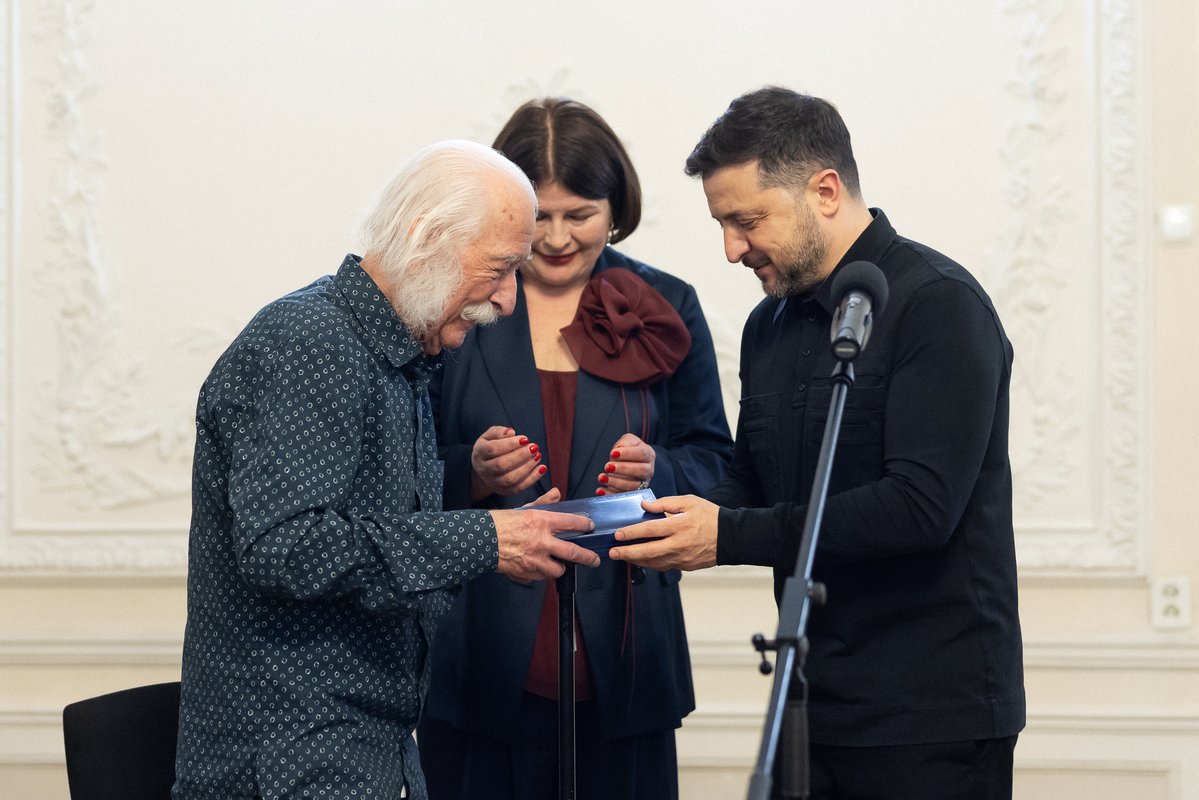
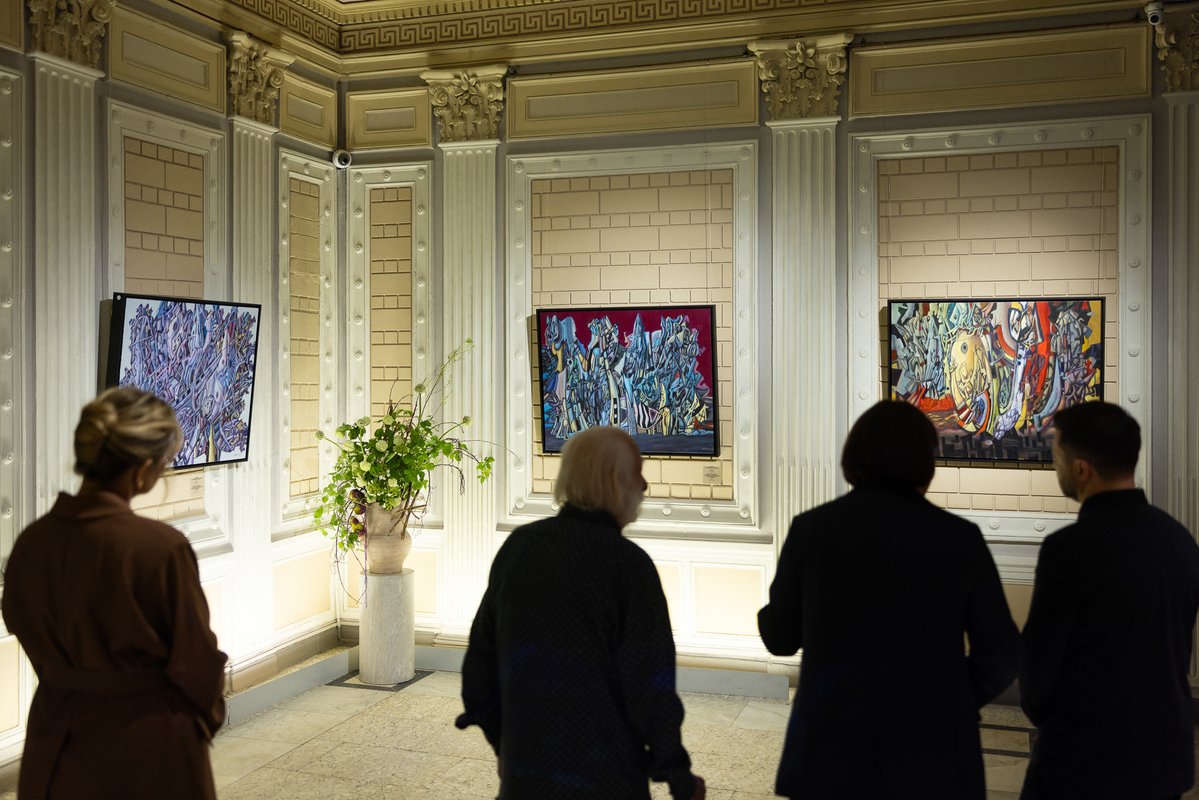
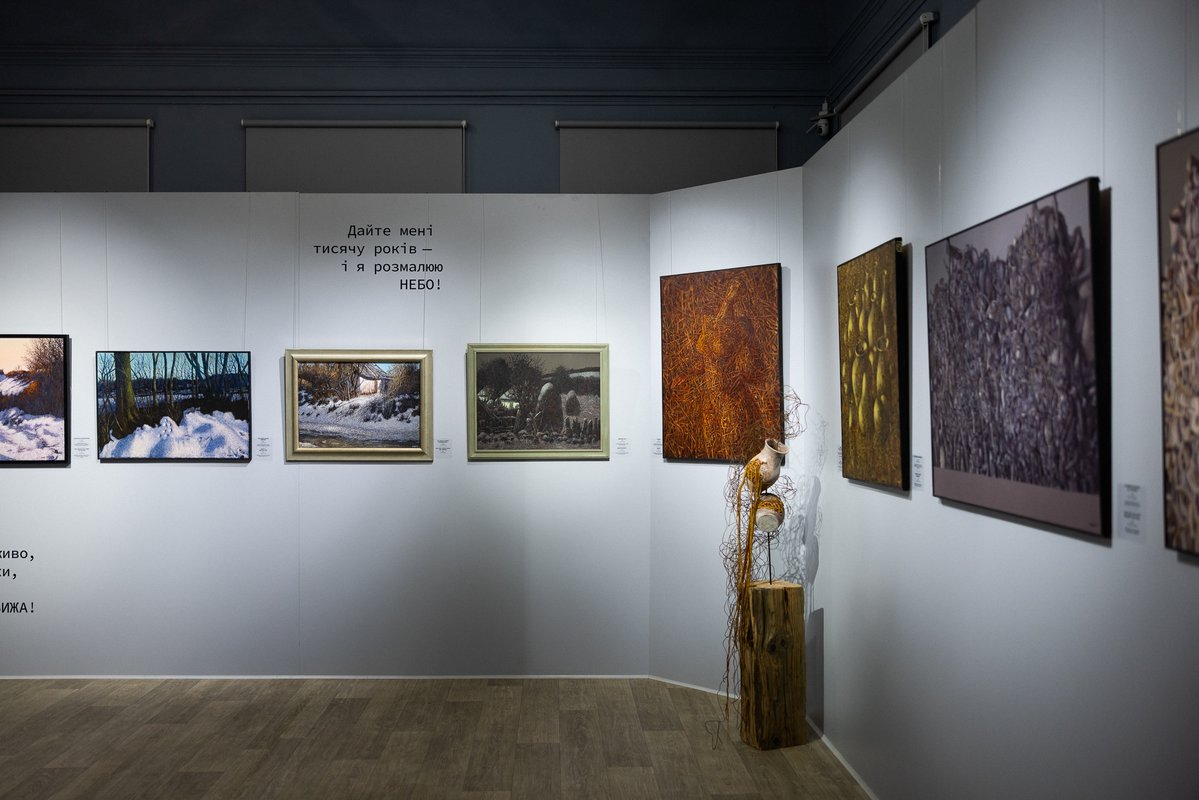
Ivan Marchuk is among those Ukrainian artists whose oeuvre we are proud of and deeply admire. He is a painter who created his own style, his own technique, and more than five thousand canvases – most of them dedicated to Ukraine. These works are exhibited in different parts of the world. They are about our landscapes and legends, history, culture, and our people.
For decades, the Soviet regime did not allow Ivan Marchuk to fully realize his creative potential, but despite everything, he succeeded – and today he continues to work for Ukraine and with Ukraine. Today, together, we visited the exhibition of superb works, “Ivan Marchuk. Museum Collections”, at the Chocolate House, which reopened for the first time since 2022 specifically to hold this exhibition.
We are grateful for art that supports, inspires, and puts Ukraine on the map.