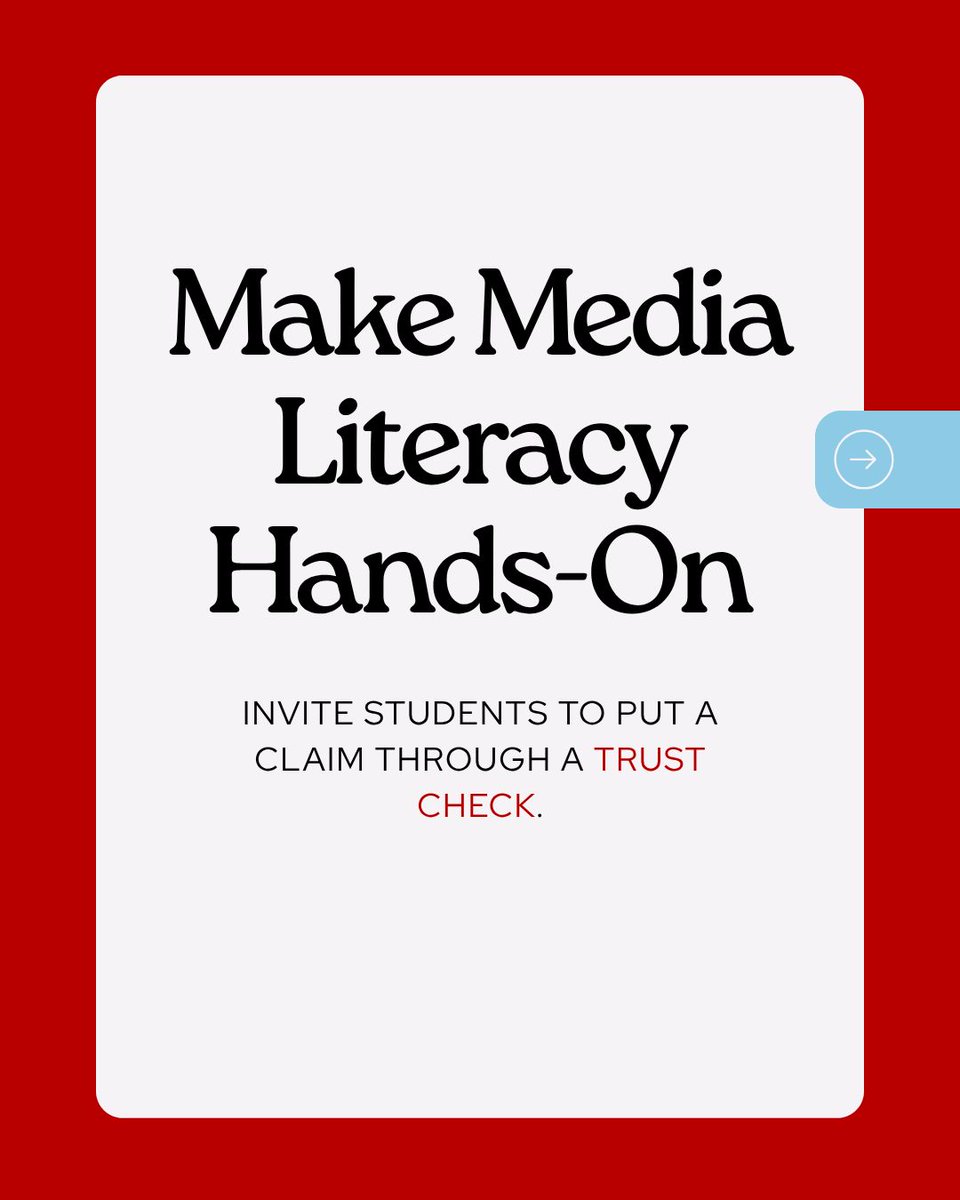
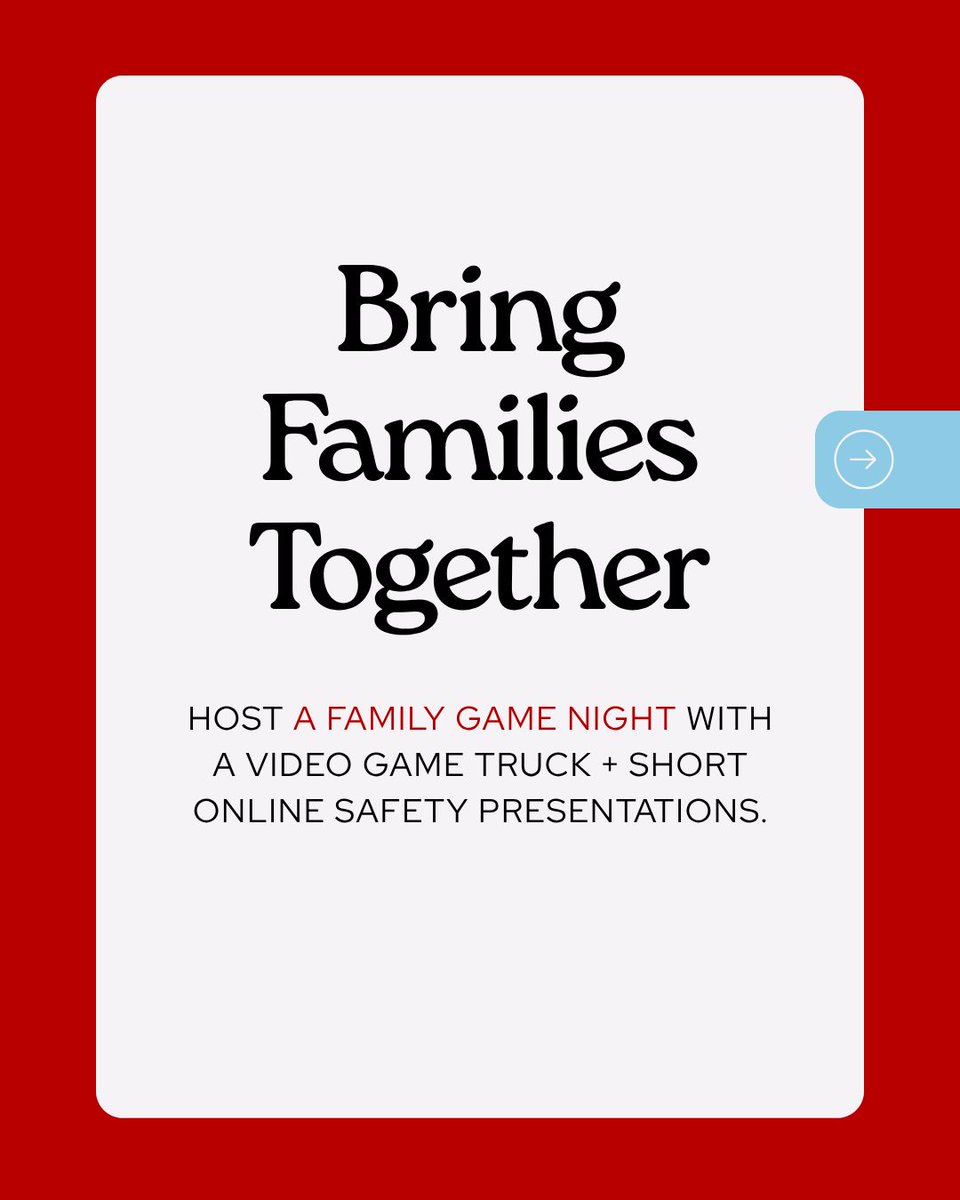
With AI-generated text filling over a third of newly published web pages, families need targeted media literacy strategies to help kids and teens evaluate online sources critically.
#parenting#digitalwellness#onlinesafety#wellnesswednesday
s AI helping students think critically, or doing the thinking for them?
ConnectSafely Youth Advisory Council member Julianna Bryant explores how students can use AI to support learning.
Read her post: https://t.co/SZjKVyFC2Z
Student-athletes hoping to play at the college level need to watch out for recruitment scams. ConnectSafely CEO Larry Magid and Education Director Kerry Gallagher discuss a recent FBI warning. https://t.co/ul8InwsVwO
Scammers are taking advantage of Medicare open enrollment, election season and holiday shopping to trick consumers. ConnectSafely CEO Larry Magid shares what to watch out for and how to protect yourself. https://t.co/rQNveatsxm
Could that college recruiter reaching out to your teen be a scammer?
Sharing athletic achievements online can open doors for high school student-athletes, but fake recruiters and online predators may use those same opportunities to target teens. #wellnesswednesday
Sports betting and prediction markets are becoming increasingly accessible, raising concerns about their risks, especially for teens and young adults. https://t.co/P8ToI4W60I
Insights from Anthropic’s research on raising AI-literate kids, including the importance of questioning AI-generated answers, verifying information and thinking critically.
https://t.co/lpKFkCubnt
AI produces answers designed to satisfy the user, not necessarily to be factually accurate. To build AI literacy in our children, parents can draw on findings from the Anthropic Education Report.
#parents#parenting#AIeducation#digitalwellness
Sports betting is everywhere, from NFL broadcasts and social media to apps promising “risk-free” bets. But what should teens and young adults know about the risks?
https://t.co/ZGj4FpMLof
Countries and states are looking at new ways to limit teens’ social media use—but what do young people think?
ConnectSafely Youth Advisory Council member Connor Doherty explores the debate over age restrictions, including what teens could lose. https://t.co/zlPbUcvdoB
What could your school or community do with a $1,000 Safer Internet Day grant?
ConnectSafely is offering grants of up to $1,000 to help K–12 educators and youth-serving community organizations create activities for Safer Internet Day on Tuesday, Feb. 9.
https://t.co/6w5IrcxIuR
After the voluntary agreement between the White House and AI industry leaders, Larry Magid weighs the challenges of fast-paced technological innovation against the potential risks of self-regulation and the need for thoughtful government policy. https://t.co/J43Woq4Li0
Pew Research study finds that 35% of web pages published after ChatGPT show signs of AI authorship. Kerry Gallagher discusses how parents and students can identify AI-generated text and evaluate reliable sources. https://t.co/Ig2JMXm59W
The "burnerverse" is an online culture of anonymous social media accounts in college sports and fraternities that can lead to peer-pressure-driven doxing, harassment, and safety threats, says ConnectSafely education director Kerry Gallagher. https://t.co/UmnCys4yFo
Larry Magid discusses safety concerns regarding powerful AI systems and highlights Anthropic's release of Opus 5.5, which testing shows is less likely to exceed instructions or attempt to escape testing environments. https://t.co/6tmD8MvgAe