New dates available for CAUSALab Clinics!
Free #causalinference consulting open to Boston-based, junior clinical investigators. Postdoc fellows provide guidance pertaining to #studydesign, data analysis and results for works in progress.
Apply:
https://t.co/kiounN2d7G...
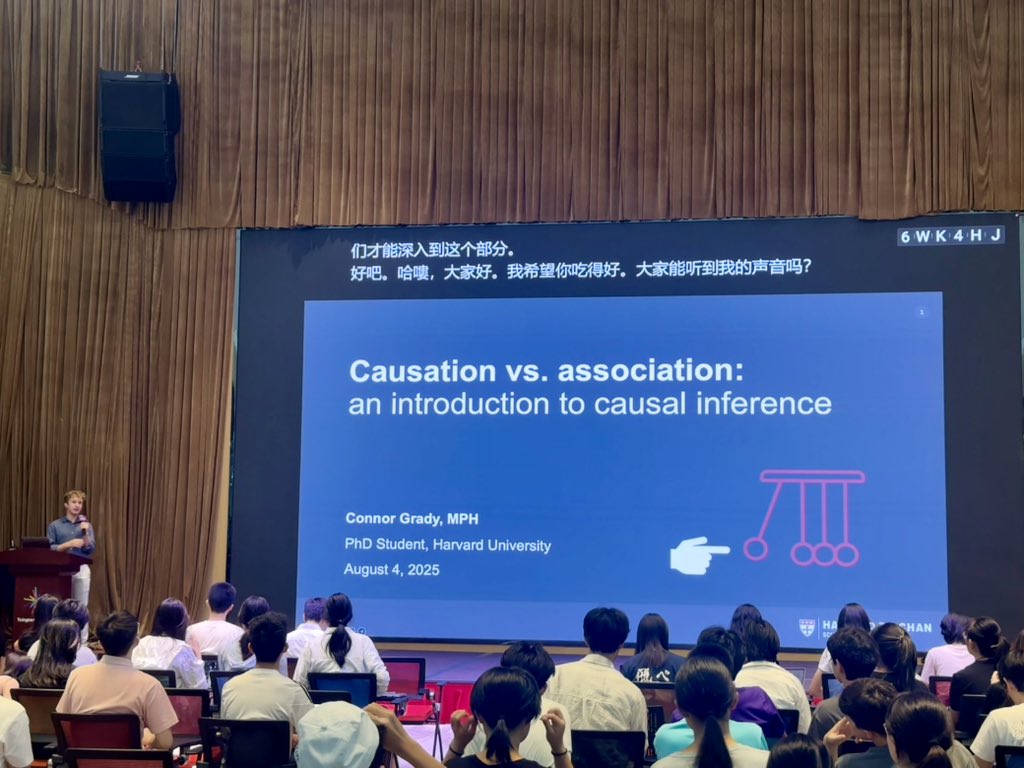
Thank you, @jillfeldman4, for finding this language flaw in my slide. Future talks will retain the error and correction so that others can also learn how NOT to describe people suffering from an addiction. 🤦🏻♂️
Ref: https://t.co/mEa8Gljf5R
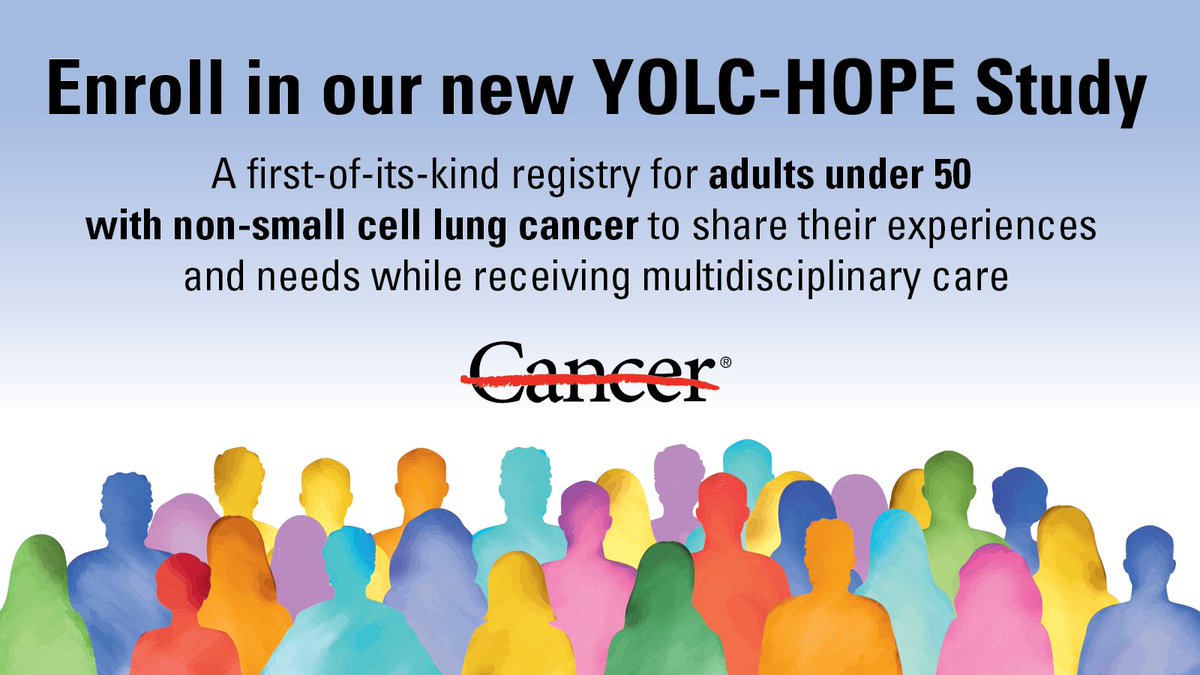
If you were diagnosed with #NSCLC before age 50, you may be eligible for the YOLC-HOPE Study. This registry is designed to understand the experiences, needs, and quality of life of younger adults with lung cancer. @MDAndersonNews
Today kicks off National Postdoc Appreciation Week!
We are thankful to have a team of incredible postdocs who help make our #causalinference research @HarvardChanSPH possible.
We appreciate your key contributions & hard work!
#NPAW2025#causalab#harvardchan
My first op-ed, written for my hometown newspaper in Gainesville, GA
(unfortunately subscription-only)
on how cutting research funding to @Harvard hurts people everywhere
@gtimes
https://t.co/1K52hSof3N
🚨TARGET Statement is here!
🎯Target Trial Emulation is a framework to specify and answer causal questions with observational data when RCTs aren't available.
TARGET will help guide the conduct & reporting of TTEs.
Congrats to the authors @AidanCashin @HJHansford@CAUSALab
Until now there has not been specific guidance for how to report target trial emulation studies.
The TARGET Statement published in JAMA provides guidance for reporting analyses of observational data that aim to estimate causal effects by explicitly emulating a target trial.
🔗 https://t.co/oJ84oUCGiH
Excited to introduce high school students to the world of causal inference 📊
at the Youth in Public Health Symposium Summer Program at the Tsinglan School in Dongguan, China
@HarvardEpi@CAUSALab
In a @NEJM editorial, Dr. Melinda Irwin explains how the CHALLENGE Study findings underscore the need to add exercise into #cancer care. "Exercise must become a standard part of care. The time to act is now."
https://t.co/M3c3xiO5uq
@SmilowCancer@YaleSPH
Cancer epidemiology is well represented at #SER2025 —fellow PhD student in cancer epi, Alexis Miranda, and I each had a chance to showcase our groups’ work.
Descriptive epi 🤝 causal inference
@causalab@hsphcancerepi@hsphcancer@LGBTQHealthExce
Like @taylorswift13 discography, epidemiology has evolved a lot since 1989. But causal methods never go out of style.
The Epidemiology Eras Tour included talks by @_miguelhernan and Jamie Robins on their seminal papers and advances in target trial emulation 🎯and mediation.
Like @taylorswift13 discography, epidemiology has evolved a lot since 1989. But causal methods never go out of style.
The Epidemiology Eras Tour included talks by @_miguelhernan and Jamie Robins on their seminal papers and advances in target trial emulation 🎯and mediation.
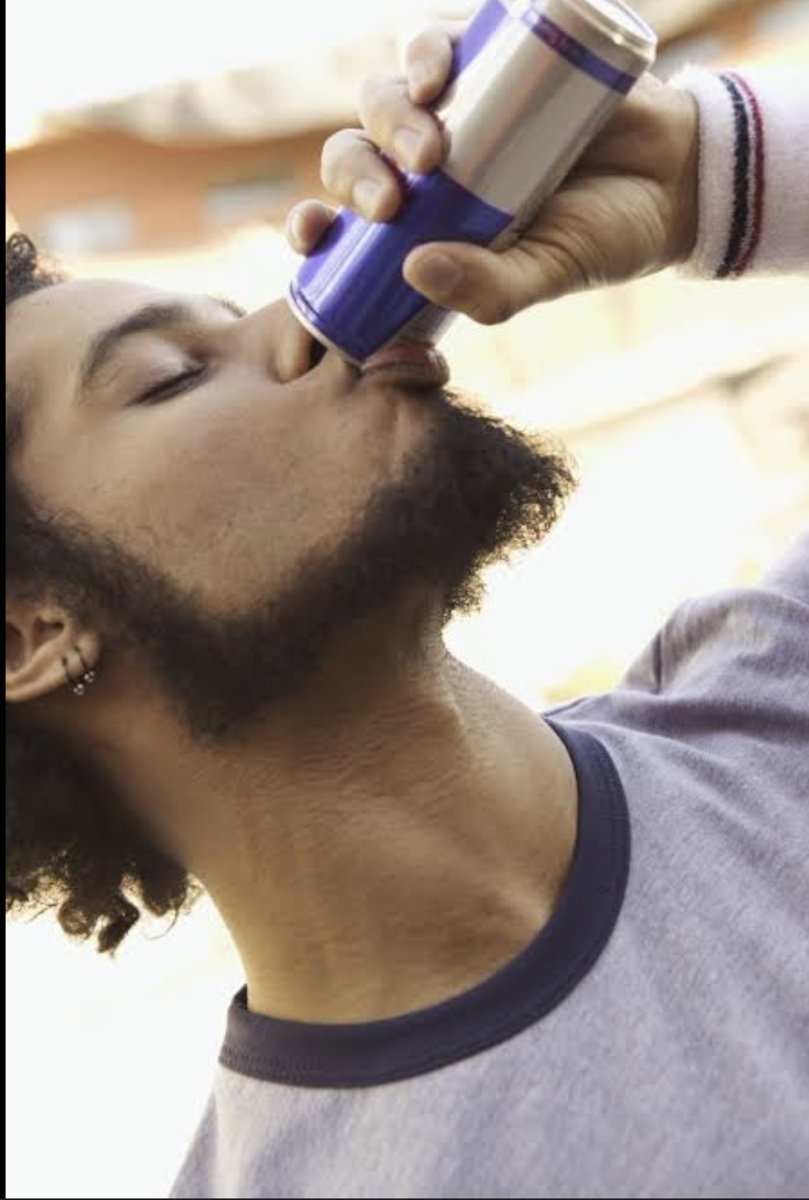
Imagine being 26 years old.
Young, healthy, full of life.
Then suddenly, you’re rushed to the hospital with a heart attack.
That’s exactly what happened to a young man from Texas.
This is his story:
This prospective observational study led by @connorbgrady@bornali_27@SilvaJ_C@hmkyale examined the impact of the primary COVID-19 vaccination on the symptoms and immune signatures of 16 people with #longCOVID. Here is what we found 👇🏼 (1/)
https://t.co/j3PV5qjnnZ
This analysis found that time-to-event (TTE) endpoints are widely used but inconsistently defined across #CART trials. Many studies lacked complete TTE definitions, though reporting improved after 2018. @connorbgrady See the article: https://t.co/ZnwIo2CqKX