Ireland’s first purpose-built supported housing for older people is a great achievement.
Surprised the article doesn’t mention the architects who designed it -design and their role is fundamental to delivering this kind of housing …@SamanthaLibreri
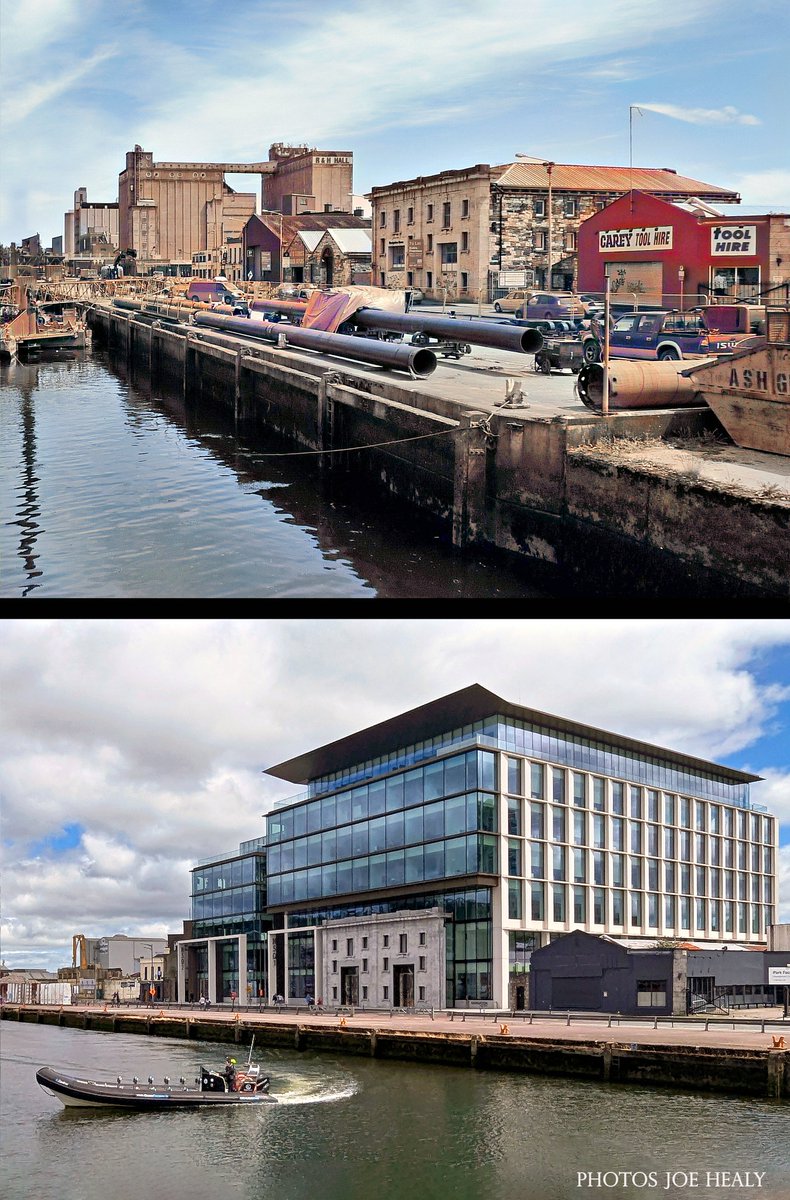
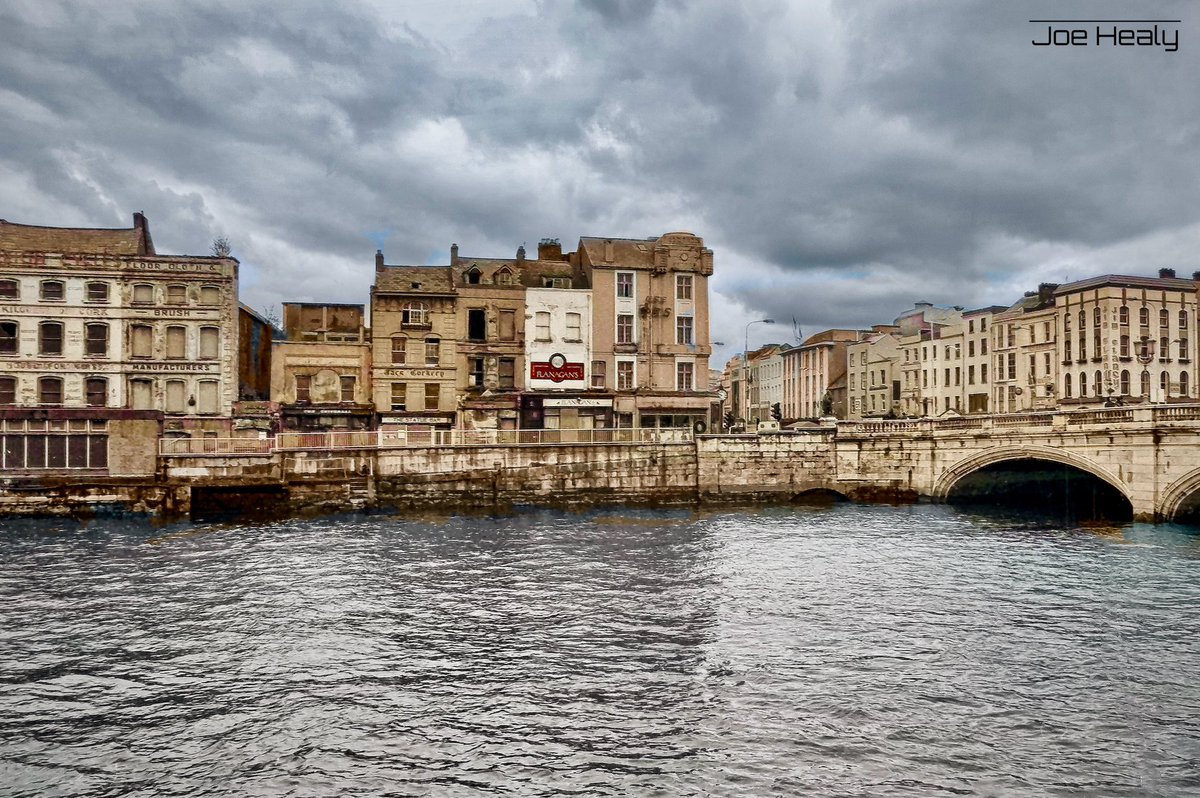
Possibly the worst building built in Cork in recent years: a confused patchwork of glass, stone(?), a Frankenstein façade and a roofline verging on parody. Oddly Incoherent and ultimately poor architecture. Thankfully, stronger work is emerging on the North Channel!
These are my twelve favourite landscape painters from the 1950s to the present (not entirely in order of preference, but almost...)
1. Nigerian painter Abiodun Olaku (born 1958)
☀️Check out this month's Editors Choice from architect & writer @ConorEnglish6
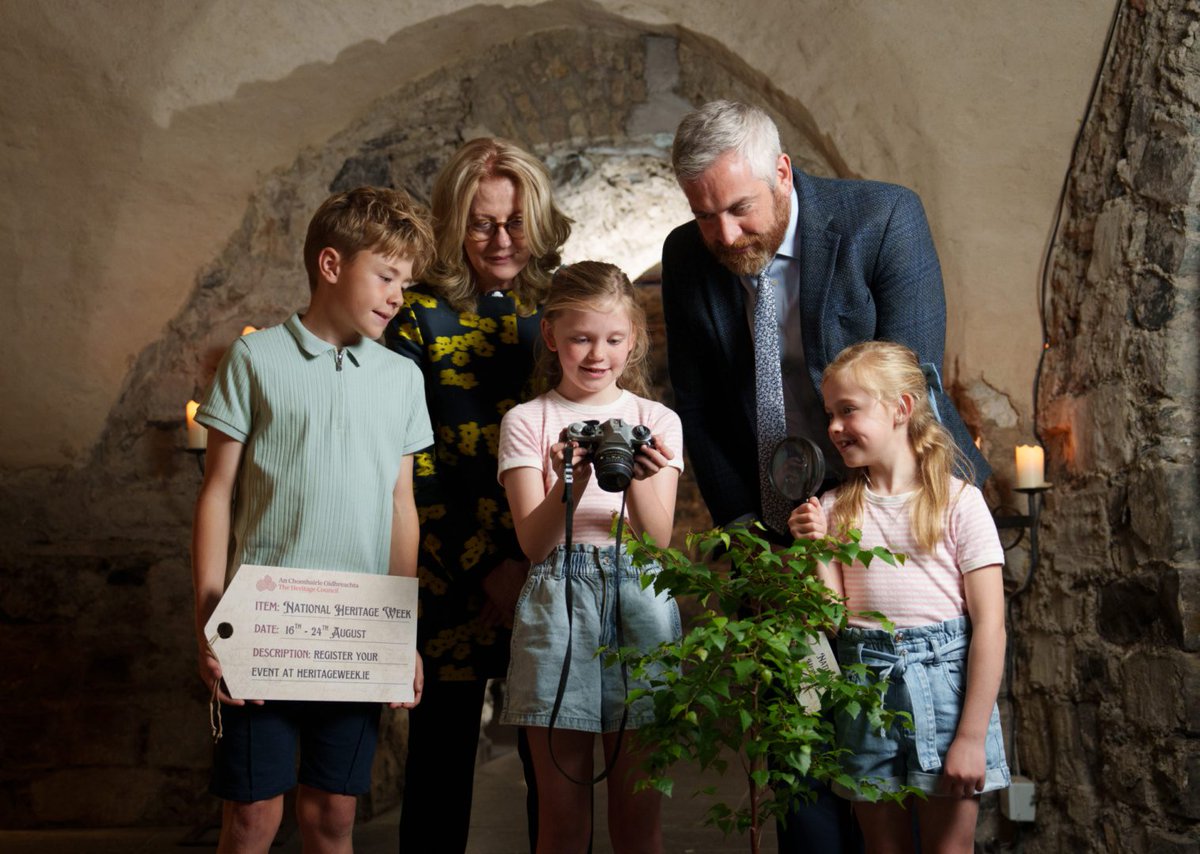
August is "a time to tumble through history, poke around in the corners of clever old buildings, and chat with the brilliant enthusiasts who know all the best stories."
➡️🔗https://t.co/gNGvhj3dNE
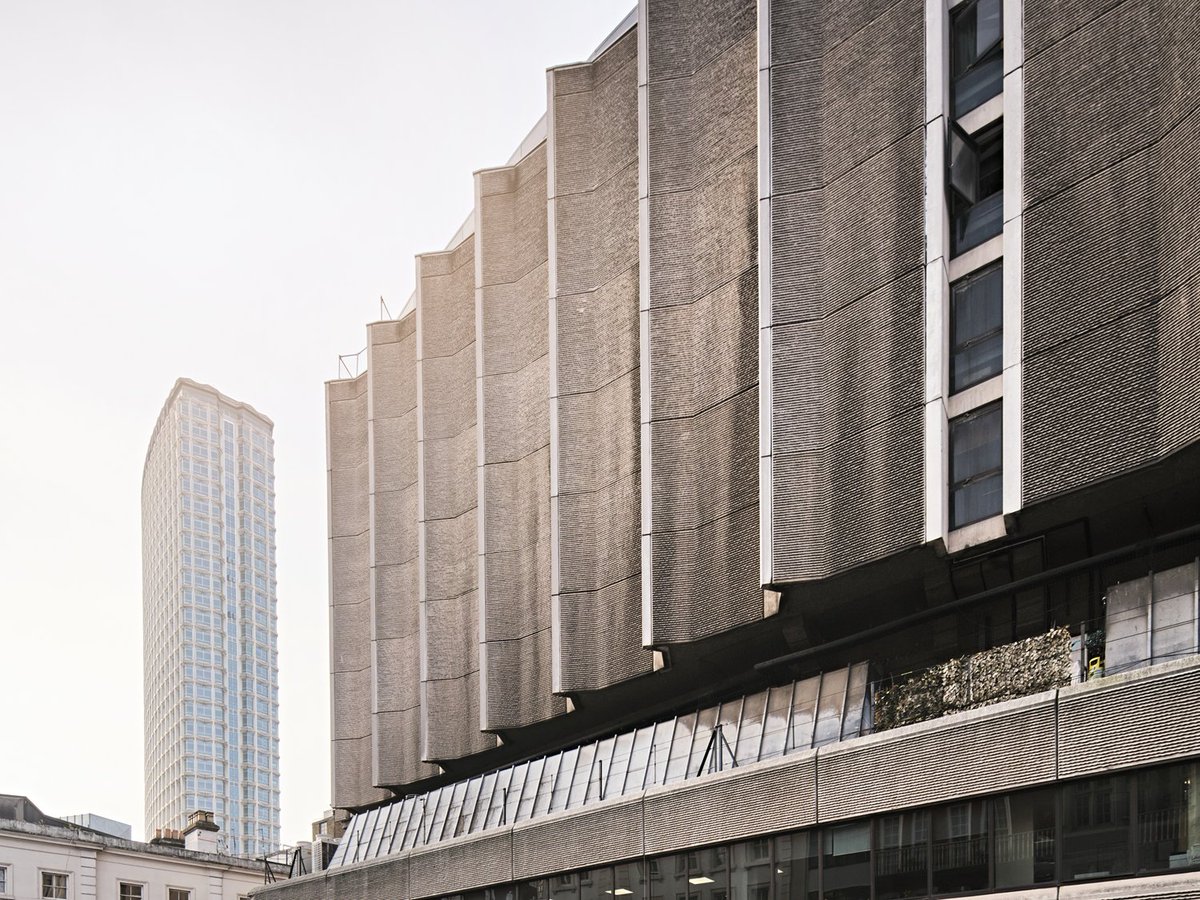
NEWS: C20 has supported an application by grassroots campaigners to list the former Central YMCA building on Great Russell Street, London – the site of the world’s first YMCA.
Designed by Michael Mulchinet of the Elsworth Sykes Partnership and built between 1971-77, the brutalist Bloomsbury landmark is a colossal and multi-layered example of a post-war megastructure.
https://t.co/ijmF14gOtC
🚨 Reuse Them or Lose Them: C20's Risk List campaign 2025 is here!
From a Millennium pop music museum in Sheffield to a Bauhaus-inspired 1930s department store in Bradford, a 1970s brutalist football stand in Newcastle, to a 1980s ‘High-Tech Nissen hut in London.
https://t.co/Sa91WQpPD7
"The money in Britain always seems to flow in one direction. If these outstanding buildings were in London, would they already have been restored or rehabilitated?"
Read about C20's Risk List in the Guardian, and our fight to protect modern heritage.
https://t.co/VW61NvtQoq
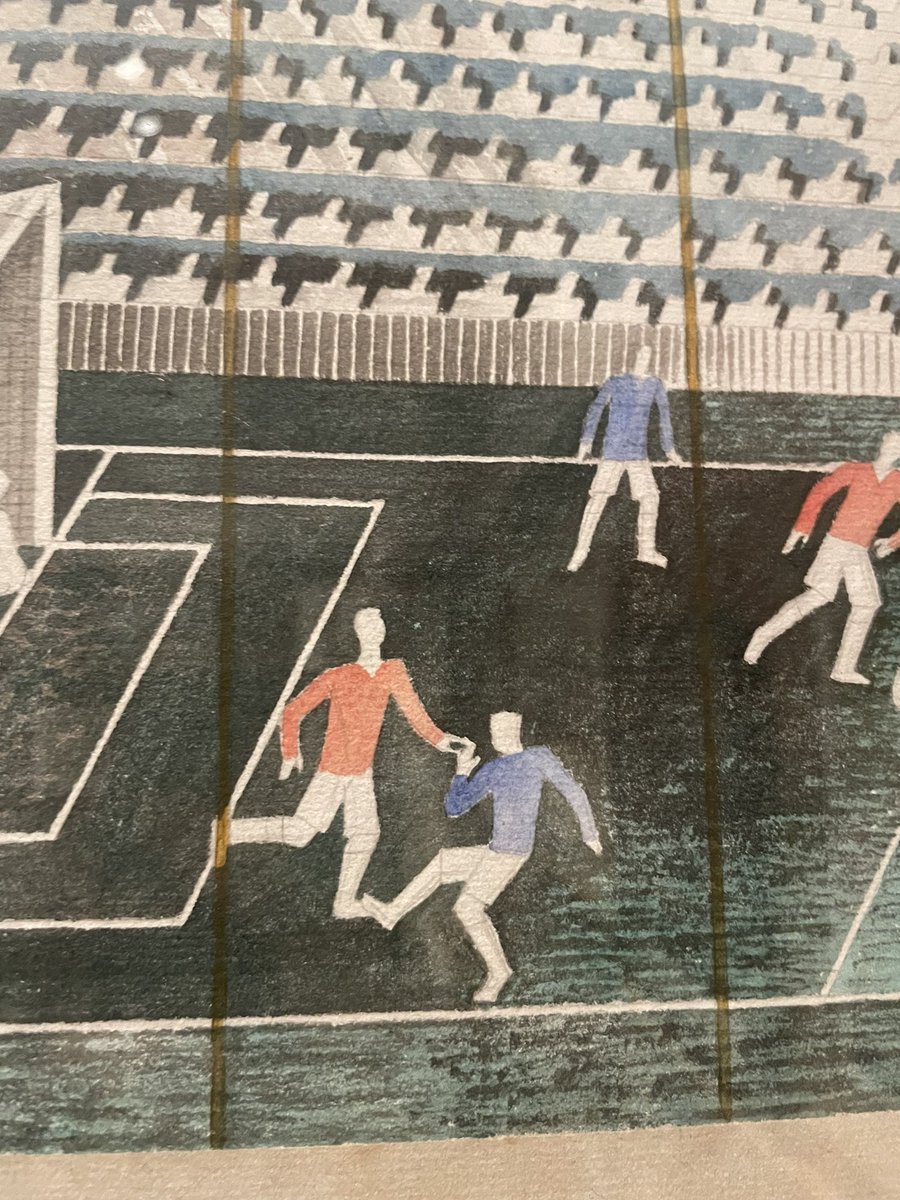
Splendid small exhibition about the Great Bardfield artists as muralists at the Fry Gallery, discovering many unknown artworks by Bawden, Ravilious, Rowntree etc., packs a huge punch in one room. Get to Saffron Walden!
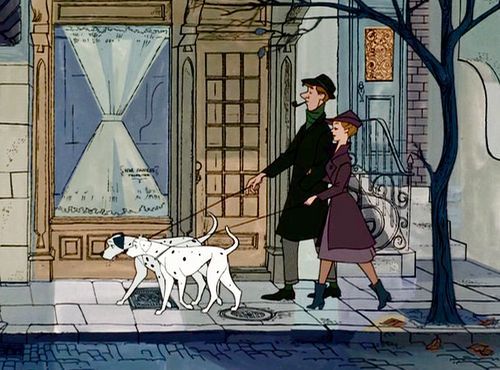
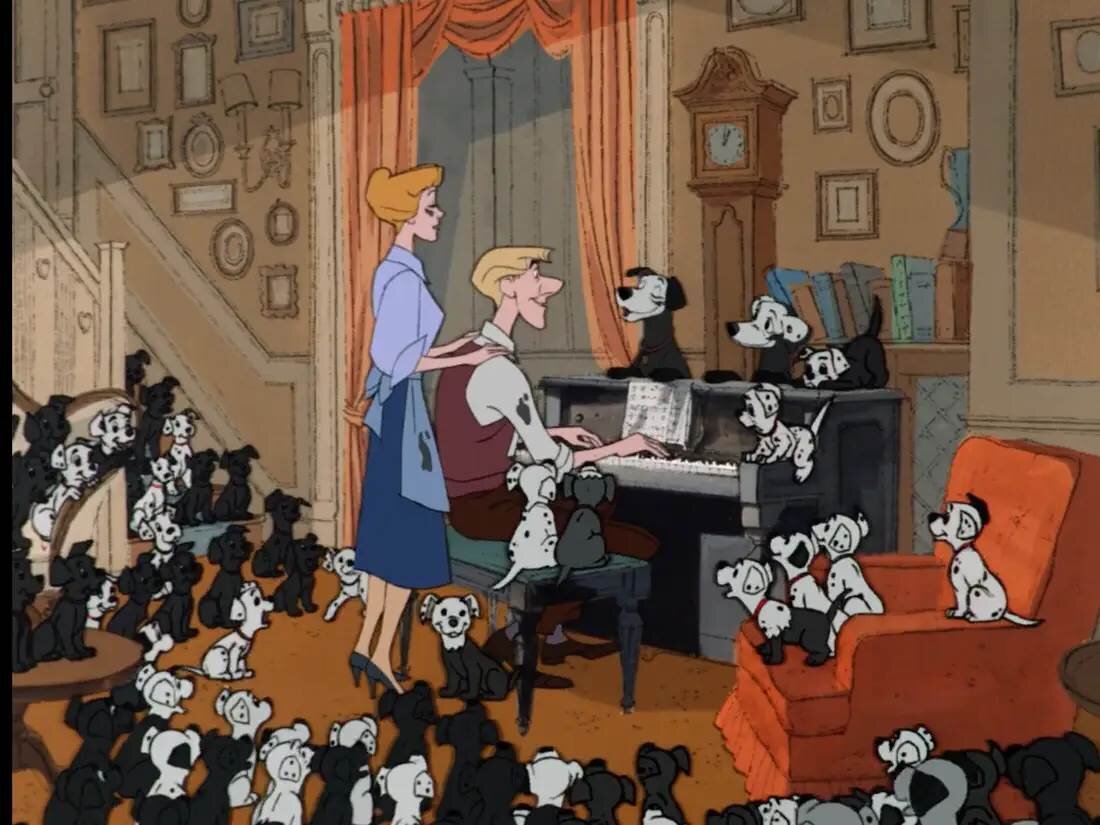
An effect of the Xerox process was that it gave the scratchy, outlined look of the film (which was also inspired by British illustrator Ronald Searle). This proved so popular that Disney movies followed that style for the next 15 or so years.
22/34