Camera traps and aerial drones can help conservationists identify and estimate the populations of endangered species. This can aid in the creation and implementation of conservation strategies.
https://t.co/CNyRzjSF3J
Sea turtles 🐢 are just one of many threatened species fighting to survive along Colombia’s Caribbean coast.
You can help protect critical habitat for these species. Visit our website to learn more: https://t.co/5lS6S3uxaY
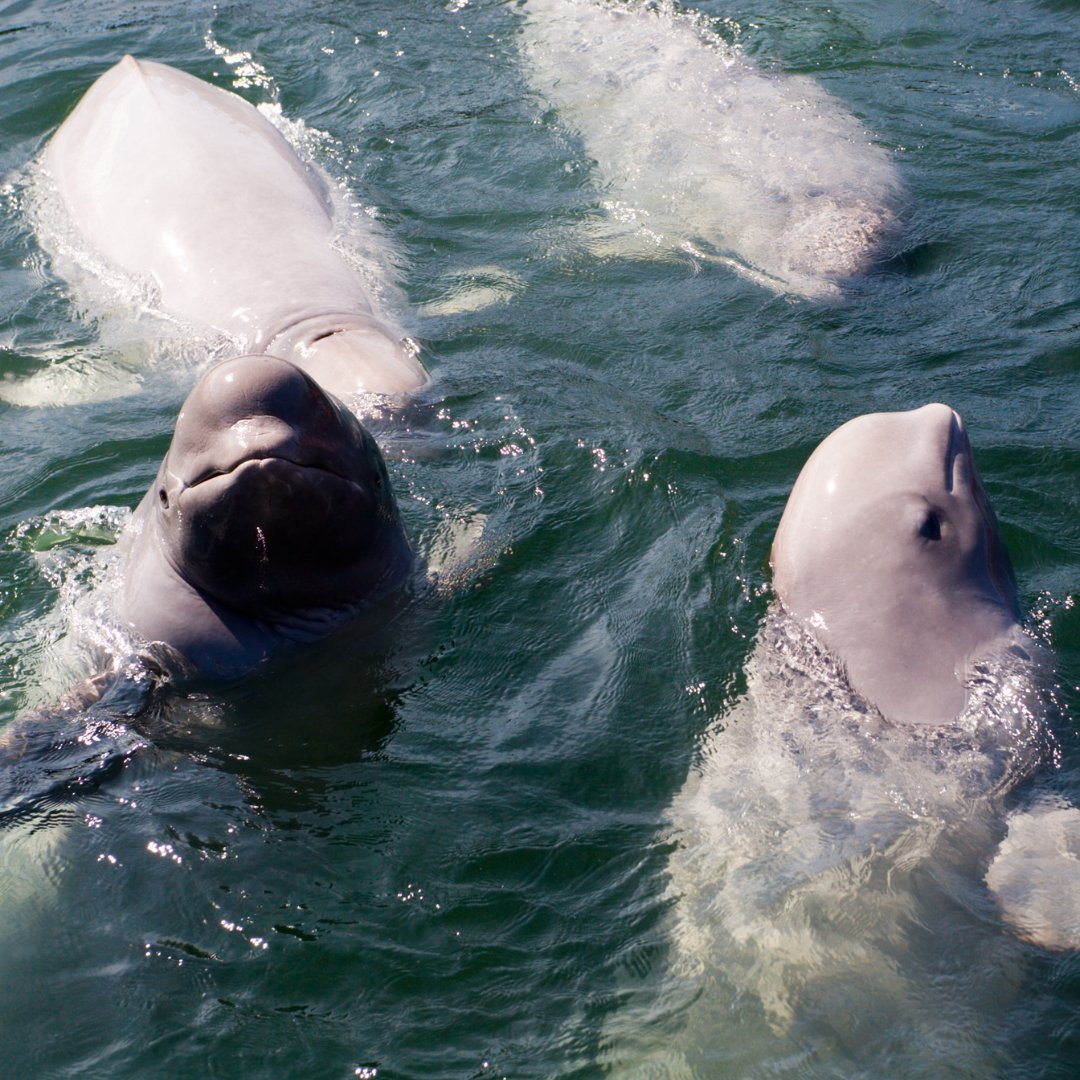
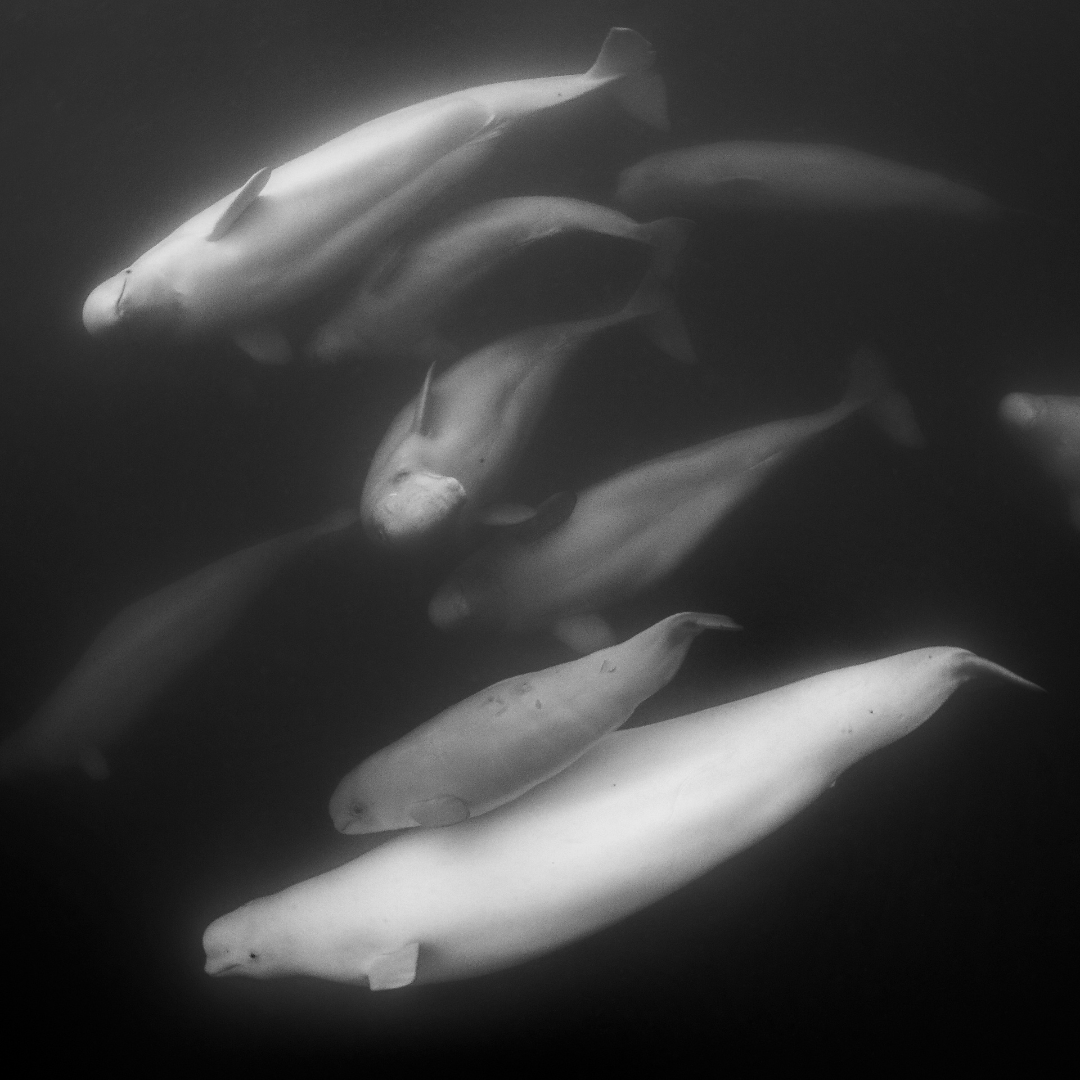
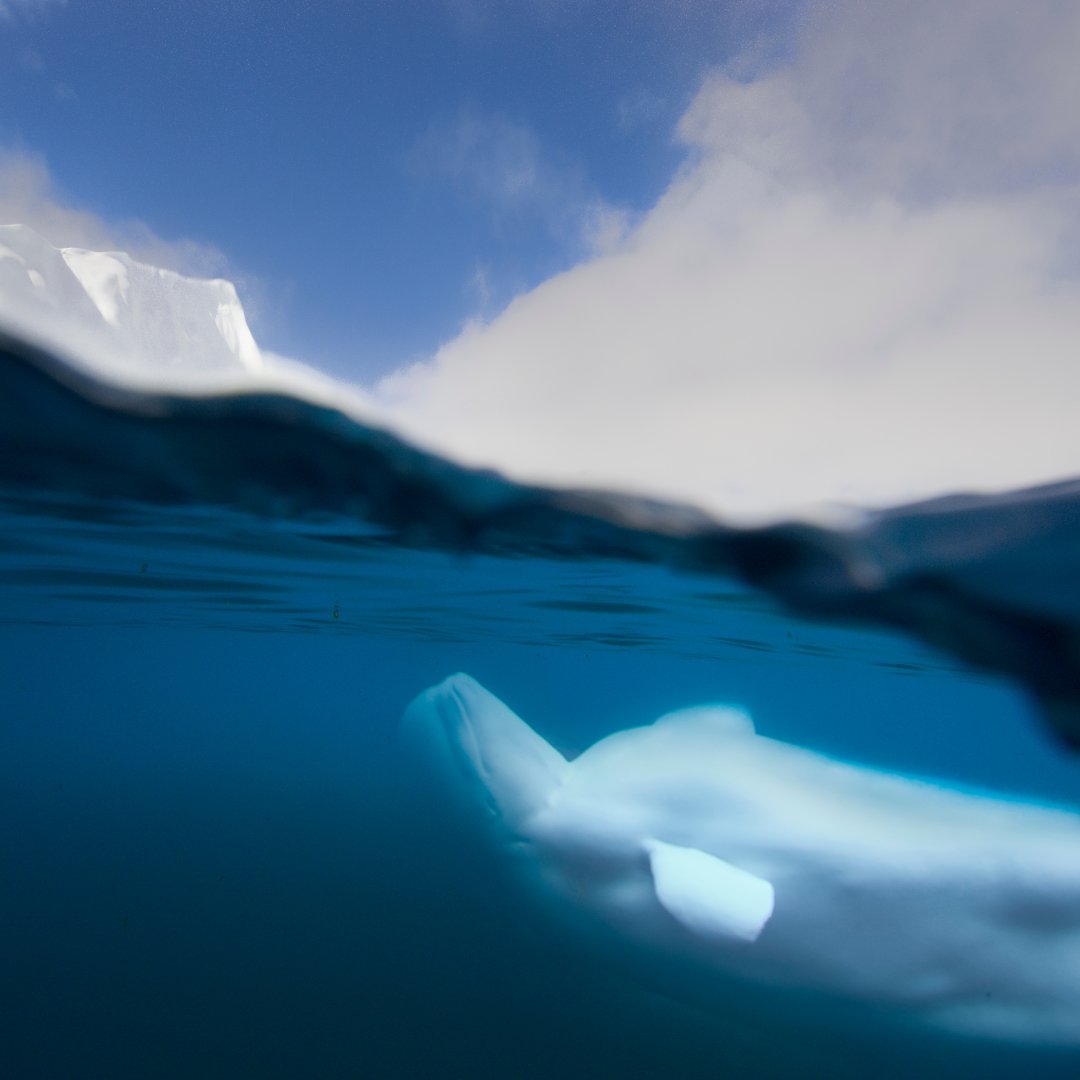
Beluga whales were once threatened by commercial and sport hunting. Current threats and stressors include habitat degradation, pollution and oil and gas exploration.
Read more: https://t.co/8BQ1pH6GiX
Our next #ArcticAnimal is the beluga whale! Beluga whales are easy to spot, thanks to their white colour. At birth, these pale whales aren’t white at all – they’re slate grey. In fact, it can take up to eight years to develop their distinct white colour! https://t.co/HIfCMPpPHO
Project SNOWstorm has been monitoring Snowy Owls using GPS transmitters since 2013. This has helped scientists understand them better and plan conservation strategies.
Read more: https://t.co/gIIyl57DSe
Conserving the Great Barrier Reef is crucial because it is home to over 9000 species, prevents the erosion of the coastline and absorbs atmospheric CO2.
All smiles in field with our incredible participants from our most recent Recovery of the Great Barrier Reef expedition. Our team worked alongside leading scientists on the forefront of active reef restoration science, removing macro-algae and allowing coral to regrow.
Dogs can aid in conservation efforts by sniffing and weeding out invasive flora and fauna and locating poachers! They are an invaluable resource for conservation organizations strapped for cash.
Read more at https://t.co/SjlmOgcxMV
The Endangered Wildlife Trust would like to wish Conservation K9, Juice, a very happy third birthday.
Excellent with obedience, Juice is very affectionate and loves to play. Happy birthday, Juice!
#ConservationK9#EWTConservationK9s
According to the International Union for Conservation of Nature (IUCN), polar bears are a 'Vulnerable' species. The loss of sea ice due to global warming threatens to decimate the population.
The extent of Arctic sea ice is currently reducing at a rate of 12.6% per decade.
The Antioquia Brushfinch is a type of sparrow that was thought to be extinct until its rediscovery in 2018. It is critically endangered because most of its habitat has been converted to cattle pasture or agricultural land.
https://t.co/axk5rlCs22.
Diving photos can help identify endangered manta rays, allowing scientists to track each ray's movement, behaviour and mating and feeding locations. This information can be used to create conservation guidelines.
https://t.co/e3h99zkVvP
Hey! I am Adya. I'm majoring in psychology and hope to work in the field of child psychology someday. I am a trained classical musician and enjoy reading, writing and chilling with my dog, Sherlock! :)
Experts believe that large grazing herbivores could help stabilise soil carbon and act as a natural solution for climate mitigation. It is extremely important to stabilize large grasslands as they constitute major soil carbon stocks- approximately one-third of the global total.
Conserving Coral reefs can help mitigate the effects of climate change to a large extent. Therefore The COP27 decision to invest in Egypt’s coral reefs can prove to be a very important one in mitigating the destruction of marine ecology.
Here is a fact which can help us get perspective on the magnitude of the effect invasive species can have- Since the 17th century, more than 40% of animal species extinction has resulted directly from the introduction of invasive species.
Bottom trawling destroys corals and sponge habitats and leads to a marginally high number of by-catches. This has led to the creation of ecological dead zones in the Mediterranean Sea which has caused disruption in marine life. This creates the need for effective protected zones.