Transforming Conservation: A Practical Guide to Evidence and Decision Making has been out for 6 days and has already been downloaded >4,000 times across 6 continents! Download your FREE copy to transform your decision making in conservation and beyond: https://t.co/GjI2D85Mf3
What is the impact of removing feral cats from an island? A new Conservation Evidence Journal https://t.co/7DgH3zZejH case study from the Persian Gulf reports a rapid shift in clutch size distribution of white-cheeked terns. @avayeboom
Researchers from @Deakin and @BirdLifeOz tested whether dog urine could protect the nests of ground-nesting birds from red foxes 🦊. Unfortunately, it neither reduced fox visits nor improved egg survival. Read the study in @ConservEvidJour: https://t.co/8GOlpqRSjP
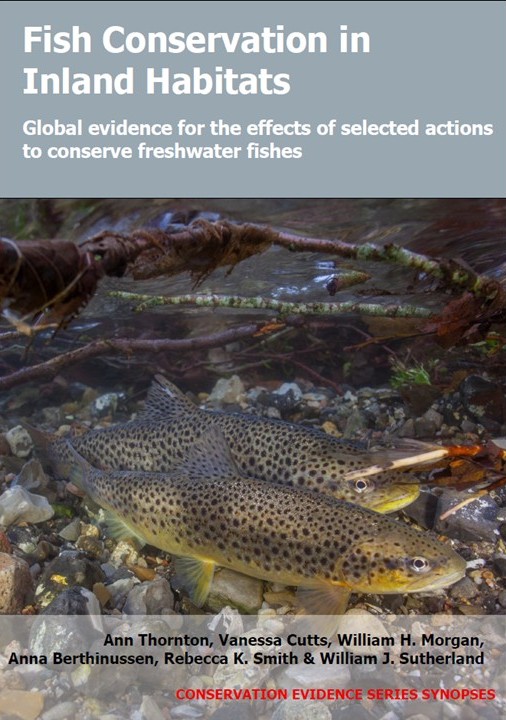
🐟There's definitely something fishy going on🐟 New synopsis: Fish Conservation in Inland Habitats. OPEN ACCESS pdf https://t.co/aB1EieuMit or online at https://t.co/xTFYCEqJ1e
Evidence for actions such as: Add woody debris; Add boulders; Remove/reduce vegetation and many more.
New blog post 👇
@MGS_tweets shares an optimistic outlook on the evidence base for the conservation of reptiles🦎, amphibians🐸, mammals🐼 and birds🦅
https://t.co/LeREOcrtrO
How should governments use evidence to set and deliver biodiversity targets?
Prof. Anjali Goswami FRS, Chief Scientific Adviser at Defra, walks through the full policy cycle behind the UK's legally binding biodiversity targets under the Environment Act.
https://t.co/DzRrM09DSd
🆕 Check out our latest synopsis: global evidence for the effects of interventions to conserve vegetation🌿 in inland aquatic habitats💧
>500 summaries, >370 publications, >200 actions
Interactive version: https://t.co/MsrsKx1IkG
PDF version: https://t.co/WxIcuJ5t8S
Nature's latest editorial highlights the "evidence emergency" in conservation.
Inspired by our conference in Cambridge last month. "Stronger evidence for what works and what doesn't is sorely needed."
Great to see our work recognised here 🌍
➡️ https://t.co/F153PvPRID
New blog post:
Read a conservation practitioner's perspective on our recent Delivering Effective Conservation Practice meeting.
Written by Jez Dagley, Director of Conservation at Essex Wildlife Trust @EssexWildlife
https://t.co/HErPsov9lr
The videos are now live from our "Delivering Effective Conservation Practice" conference! 🎬
🔗 https://t.co/veMEnEh7SR
150 in the room, 400 online – catch up on all the talks from our fantastic speakers.🌿
Thrilled to welcome Conservation Collective to our Evidence Champions network! 🏆 They are a global network of 21 locally led Foundations supporting grassroots action for nature. They now require grant applicants to consider the evidence behind their proposals. 🌍🙌
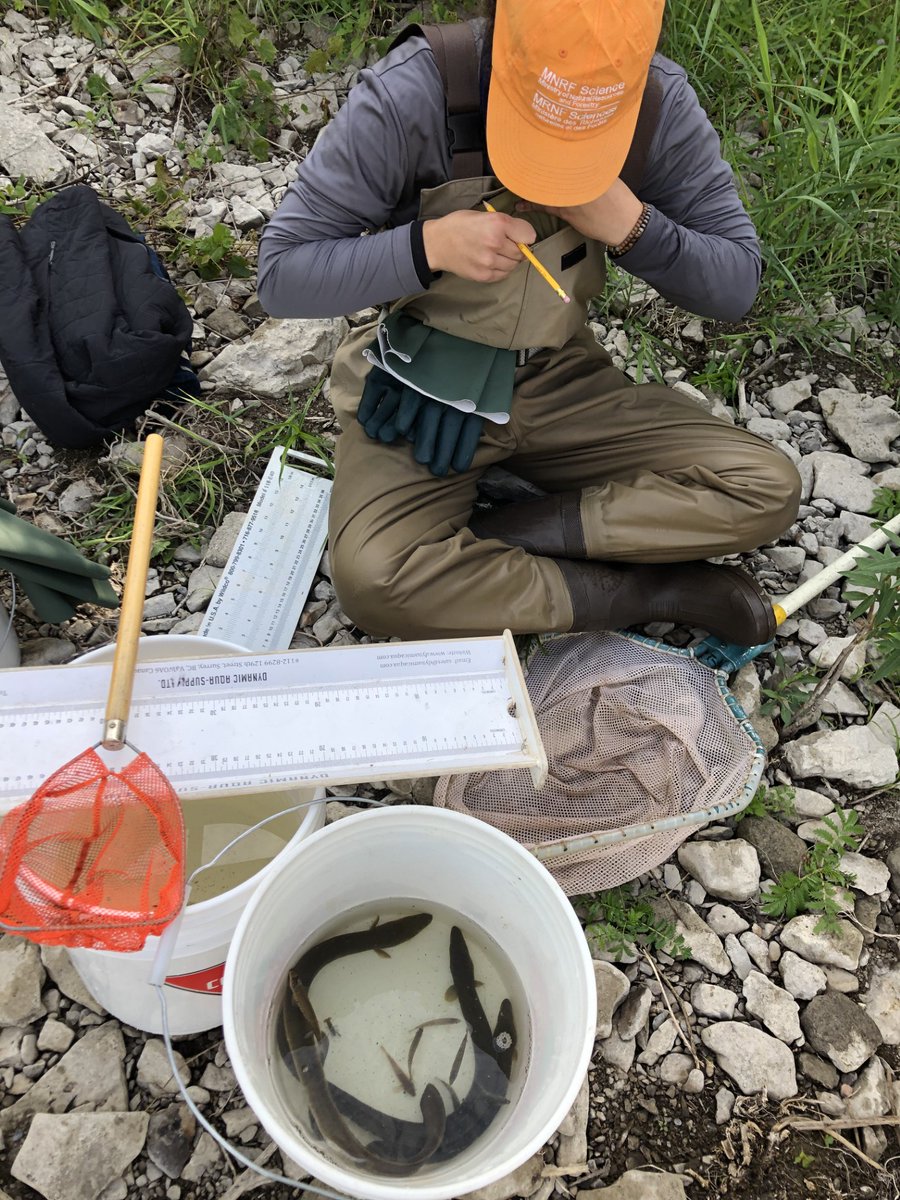
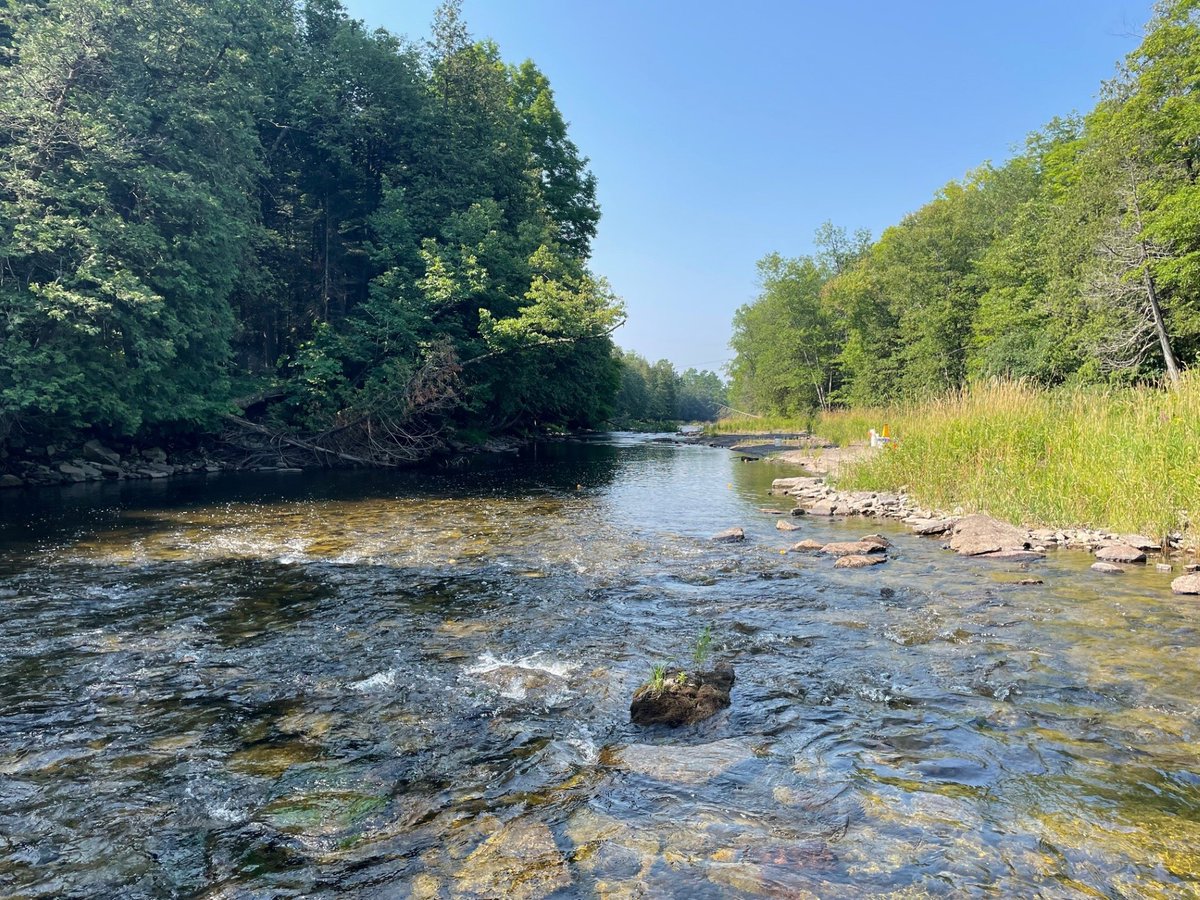
🐍 Don't let this eel research slip past you! A decade after 4 million young eels were released into Lake Ontario, a new paper in our journal finds they're still surviving and growing, and locks are helping them bypass "impassable" dams.
https://t.co/4ecNuKmDz6
On Friday 9 January 2026 (10:20 to 17:30), Conservation Evidence, Cambridge Conservation Initiative (CCI), and @CSciPol are hosting a conference on Delivering Effective Conservation Practice.
Register to join online! https://t.co/VZU9smfONU
Agenda: https://t.co/JGmUtsRMFN
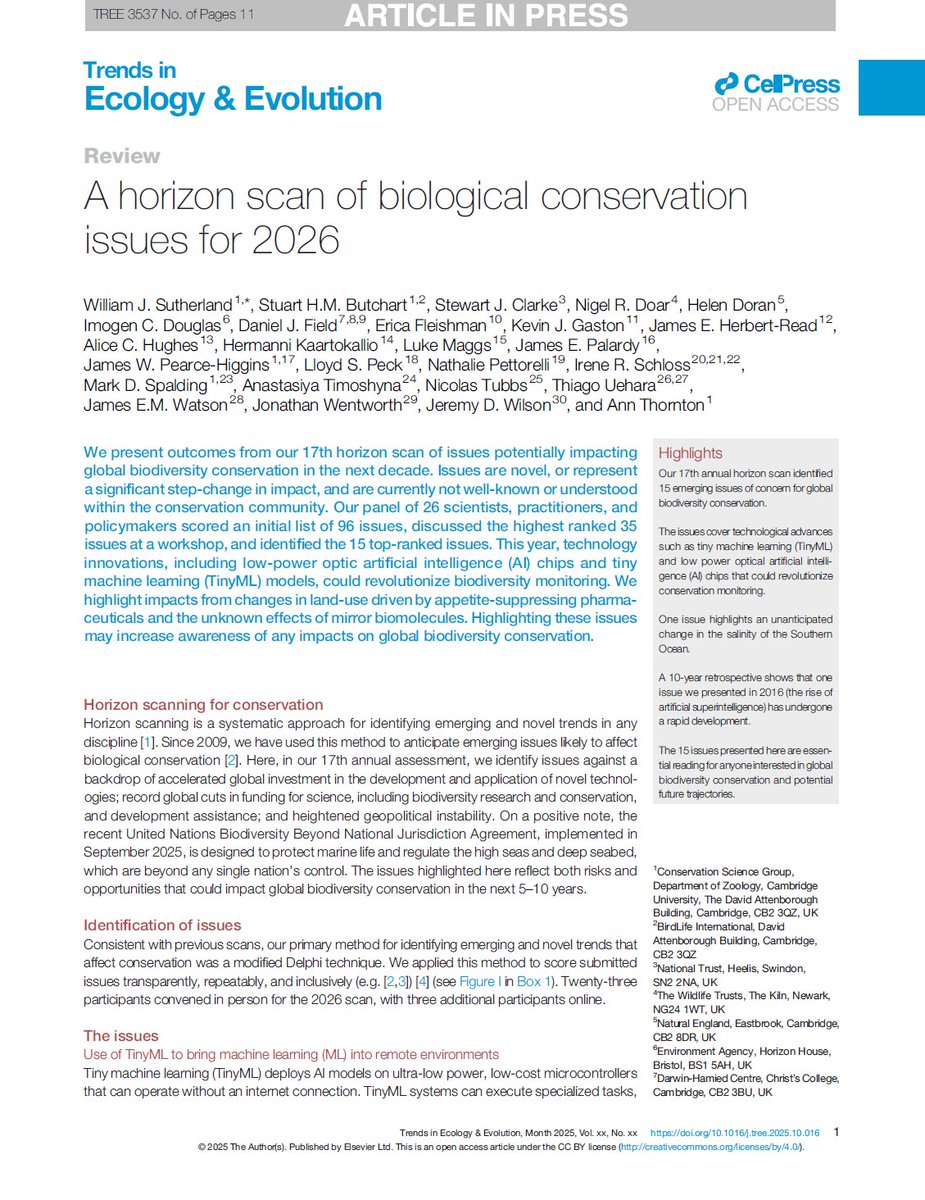
The 2026 Horizon Scan! 15 emerging issues for conservation. From TinyML transforming wildlife monitoring to weight-loss drugs reshaping land use to mirror biomolecules that don't exist in nature.
We also revisited 2016. One prediction? "Artificial superintelligence." 😅
Weir removal is a positive step in rewilding urban rivers. A research paper by @DonCatchmentRT , co-designed with volunteer citizen scientists, has demonstrated improved river health upstream of a weir removal, through the study of freshwater invertebrate indicators.
In our latest guest blog post, @verissimodiogo and Gabriel Caetano discuss how culturomics (big digital data) can be used to evaluate conservation digital awareness campaigns.
https://t.co/nahMKukFSH
Our research reveals a major challenge in aquatic mammal conservation: a biased lack of evidence. Studies are focused on too few regions and species, leaving many threatened animals un-researched. We need to fill these gaps to make conservation effective. https://t.co/toF7Guuual
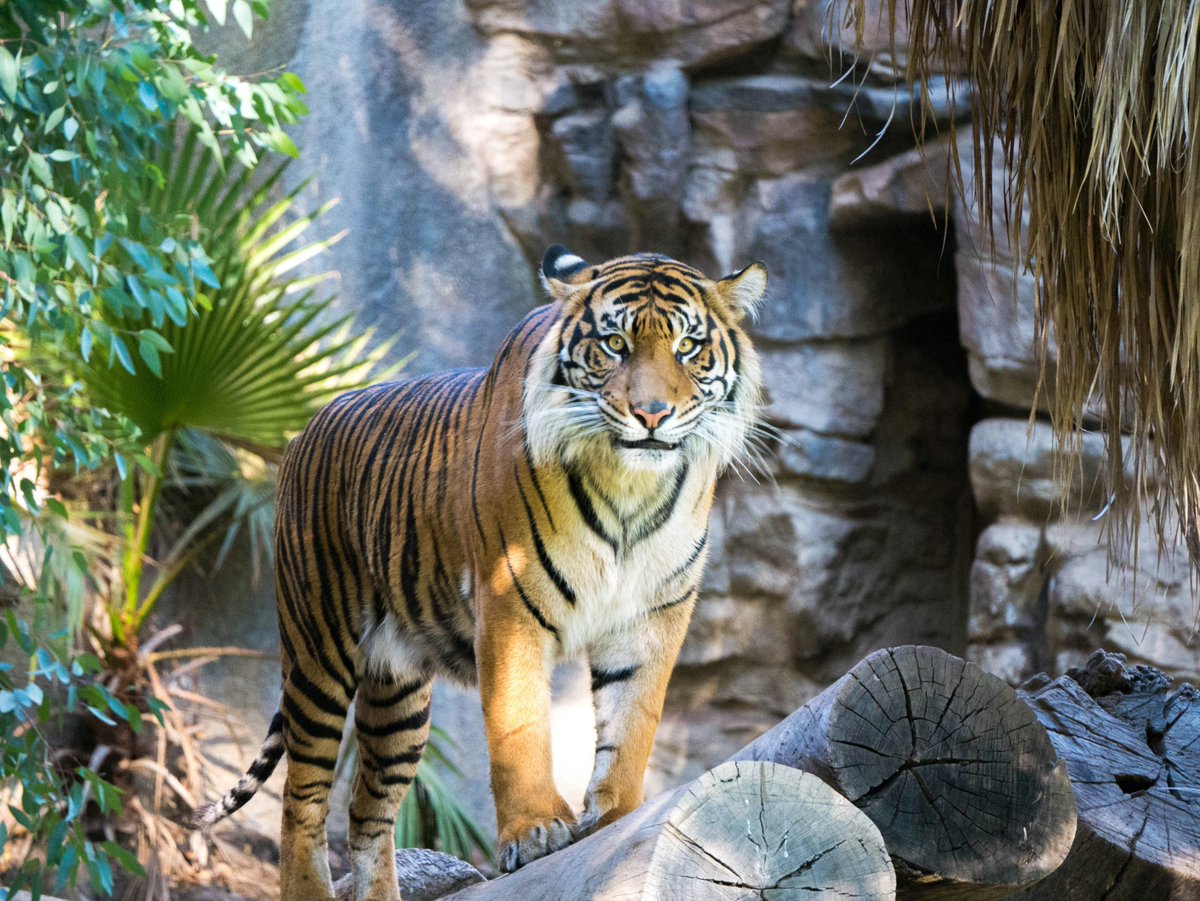
A world-first study from @PaigntonZoo, @PlymUni , and collaborators creates an "evidence map" for endangered species care! The database hosts evidence for 424 management interventions. Helping zoos worldwide make decisions based on science. 🦁 Link: https://t.co/gtSTz6Rsax