The "Pompeii Lakshmi" is a 2,000-year-old Indian ivory murti that traveled thousands of miles along maritime spice routes, only to be trapped in volcanic ash in Italy. The statues discovery proves ancient Roman and Indian economies were interconnected.
@IraninAustralia Please note how all these statements are from before the Islamic Revolution of 1979! I doubt they would say the same of the period after.
Hegel saw Iran as the beginning of world history and the bearer of a universal light.
André Malraux (French Writer & Minister of Culture)
“No civilization in the world has woven art into life as deeply as Iran has.”
Scholars describe Iran as one of the most enduring and influential civilizations in human history.
Writers portray Iranian culture as wise, profound, and deeply rooted.
Artists speak of the Iranian people as kind‑hearted, thoughtful, and deeply human.
In the eyes of the world, Iran is a land whose past inspires, whose present is alive, and whose future remains bright.
@brickandmorta11 Why do you say 1500 years in many of your tweets.
I googled online, the first successful Islamic invasion was in 711 AD, that’s 1315 years.
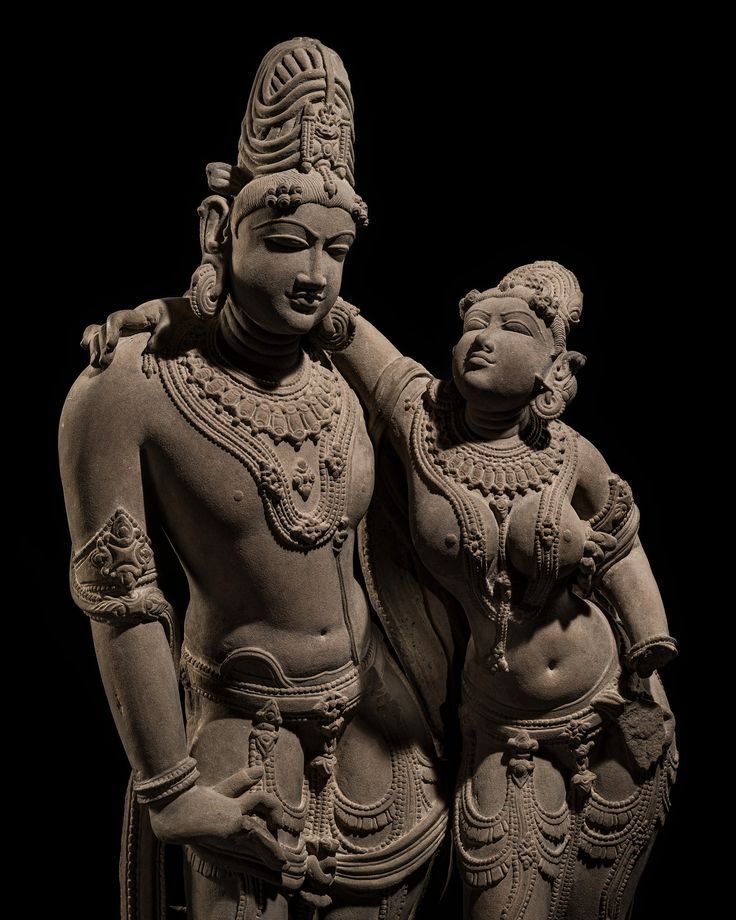
Bharatvarsha was one of the richest country in the world when these sculpture were made...
Even today also you won’t find such beautiful jewels of gold in the market which were sculptured on those days out of stones.
Friends, Plz Zoom it and see the Crown- No words can justify the workmanship & divinity within !!
Dwarapalaka, Chennakesava Temple Belur, Karnataka. Early 12th-century.
Located within the Dilwara Temples of Mount Abu, this marble masterpiece showcases the Maru-Gurjara architectural style.
The central mandala features a circular arrangement of sixteen Vidyadevis (goddesses of knowledge), each carved with fluid precision.