Cardiovascular prevention is everyone's responsibility.
In the final episode of our Special Report, Amanda Marma Perak, MD, and Michelle L. Macy, MD, explore how pediatricians, OB/GYNs, and subspecialists can close gaps in lifelong preventive care.
https://t.co/KYcMDvXkSg%
@FDA approves upadacitinib (Rinvoq; @abbvie) as the first systemic therapy for nonsegmental #vitiligo in patients 12+.
Read more on the approval: https://t.co/xxeNBWODwN
BREAKING: The FDA has approved ribitol (Welgemda), the first treatment for any form of limb-girdle muscular dystrophy.
Approved for adults and children ≥30 kg with LGMD2I/R9, the therapy improved walking speed and lung function in phase 3 data.
https://t.co/LRTsjiyJvQ
🎥 This Week in Peds is back!
Join Executive Editor @EbertMedia for 3 top pediatric headlines:
🔹 US loses measles elimination status
🔹 FDA approves weekly somapacitan for Turner syndrome
🔹 Tirzepatide cuts adolescent BMI by 18.5%
▶️ Watch now!
#ThisWeekInPeds
FDA approves once-weekly somapacitan (Sogroya) for children aged ≥2.5 years with growth failure associated with Turner syndrome.
The first long-acting GH approved for this indication could reduce the burden of daily injections.
https://t.co/GO4GsI5LnT
Eczema was linked to 28% higher odds of sleep disturbance in a 26,395-patient pediatric primary care cohort presented at #ACAAI26.
The takeaway for clinicians: ask about sleep, not just skin.
https://t.co/19bKca6o2r
#Pediatrics#Eczema
FDA approves venglustat (Infilbray), the first treatment for neurological symptoms of type 3 Gaucher disease, for adults and children ≥15 kg.
Phase 3 LEAP2MONO data showed improved ataxia and cognition scores vs ERT at 52 wks.
https://t.co/sdtKAHDHI2 #Pediatrics#RareDisease
FDA approves adrabetadex (Lembaz) for Niemann-Pick disease type C with neurologic onset before age 6. Approval was based on a 55% lower risk of death vs matched external controls. Boxed warning: permanent hearing loss.
https://t.co/visn4TY8QF
#Pediatrics#RareDisease
@NovoNordisk has submitted etavopivat, an oral once-daily PKR activator, to the FDA and EMA for sickle cell disease in patients aged 12+.
https://t.co/oNlRTmaud5
#SickleCell#PedsHemOnc
Caregivers reported quick itch relief and lower eczema symptom scores in infants aged 3 to <24 mo using roflumilast cream 0.05% in the open-label INTEGUMENT-INFANT trial. FDA decision on the infant indication due Feb 23, 2027. https://t.co/oJhDd9Pvfq
#PedsDerm#AtopicDermatitis
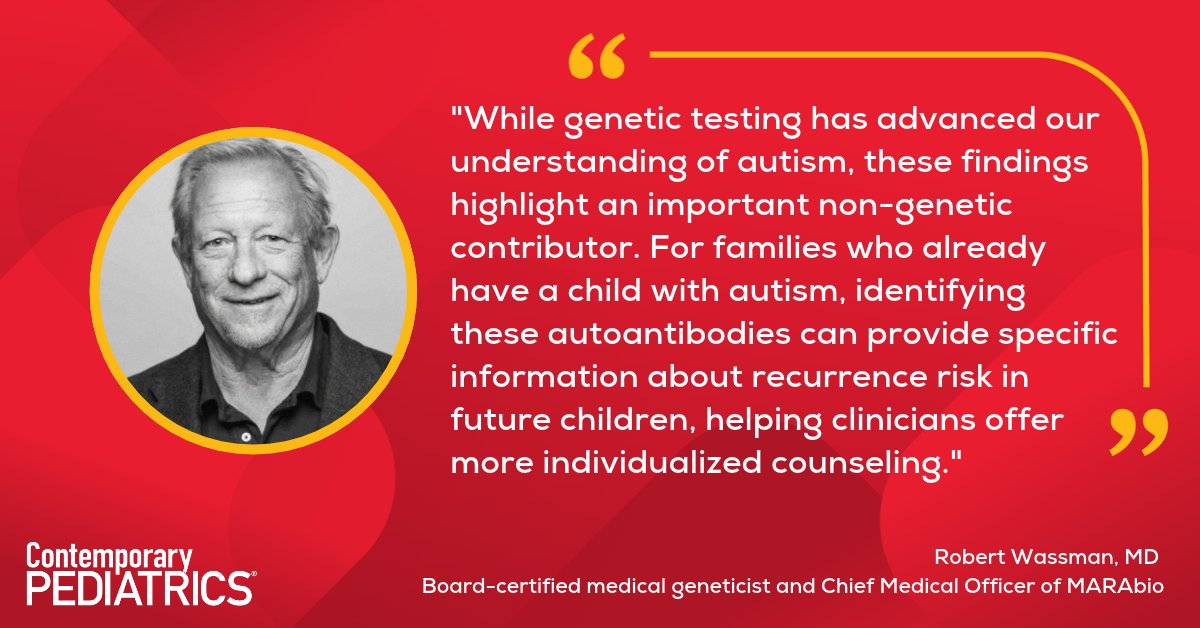
Maternal autoantibody combinations may identify a non-genetic autism subtype linked to increased sibling recurrence risk, according to findings presented at #NSGC2026.
Read more: https://t.co/ep7ChRMj8V
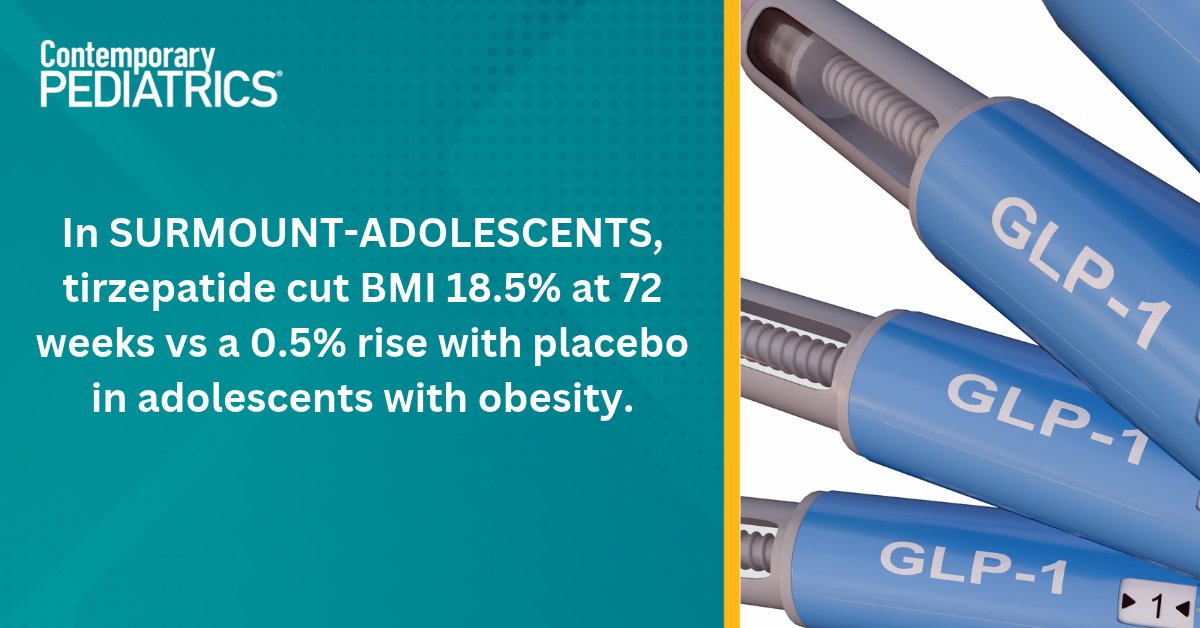
NEW: Tirzepatide reduced BMI by 18.5% over 72 weeks in adolescents with obesity, vs a 0.5% increase with placebo in the phase 3 SURMOUNT-ADOLESCENTS trial.
Read the JAMA findings: https://t.co/Ytvi5n8Mt3
Language barriers may affect early peanut introduction.
Research by James Senter and colleagues found infants from non-English-speaking families had 79% lower adjusted odds of peanut introduction at 6 months.
Read more: https://t.co/VAPC83U4JG
@ACAAI#ACAAI26
Risankizumab demonstrated sustained efficacy through 52 weeks in children and adolescents with plaque psoriasis, with no new safety signals.
Explore the pediatric trial findings: https://t.co/VHTpfgTm82
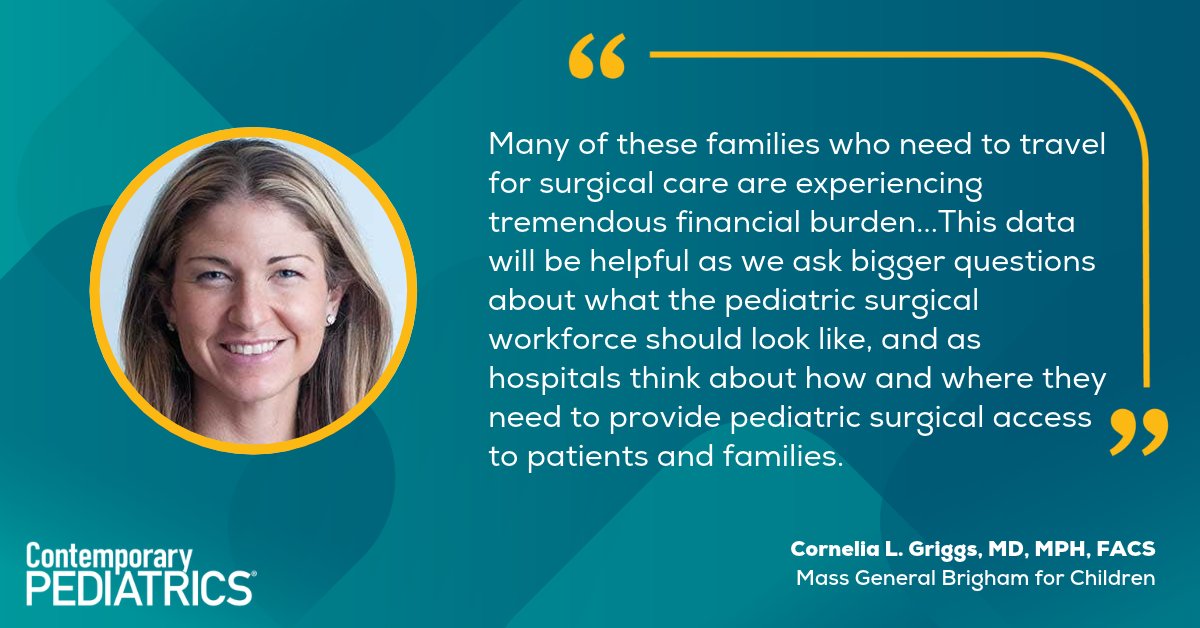
Greater travel distance for pediatric surgery was linked to longer stays and higher charges. Senior author Cornelia L. Griggs, MD, MPH, FACS, highlighted the financial burden on families.
https://t.co/wm3naCAiCK
🥣 When should babies start solids? Are purees or baby-led weaning better? What about allergens?
In her latest Notes on Nutrition column, Colleen Sloan, PA-C, RDN, shares practical guidance for pediatricians counseling families.
👇 Link in comments!
Can small changes in language improve vaccine conversations?
At #AAP2026, Julie Sweetland, PhD, explained why pediatricians should focus less on hesitancy and more on helping parents understand vaccine benefits.
Read more: https://t.co/O4dBMBwxzK
Could air pollution contribute to pediatric eczema? A JAMA Pediatrics review linked certain pollutants to higher atopic dermatitis prevalence and health care visits, but not consistently to incidence or severity.
https://t.co/jtWNsedqN0