For anyone who needs reminding that Scotland really is a fantastic, magical place, here are some singing seals I saw - and recorded 🎤!!! - on the island of Mingulay today 🦭🏴🎶
Findhorn a scenic coastal village located in Moray, northeast Scotland. Situated on the eastern shore of Findhorn Bay on the Moray Firth, it features miles of white sandy beaches, water sports, and abundant wildlife such as seals and bottlenose dolphins.
🏴💙🩵
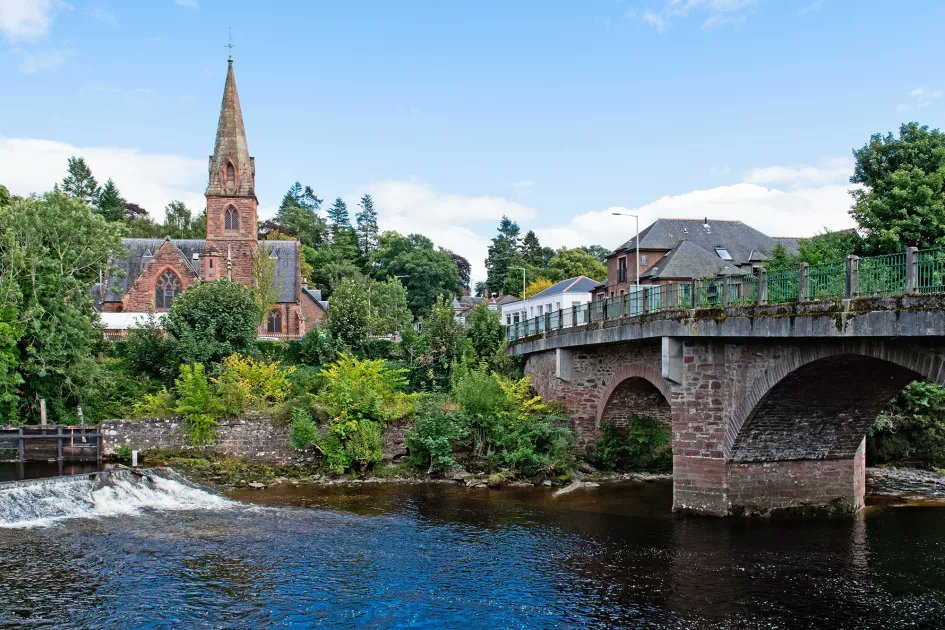
Blairgowrie, Perthshire, Scotland 🏴���
Blairgowrie is a market town in Perthshire that sits on the banks of the River Ericht. Attractive buildings line the streets along with a good mix of independent shops, and rolling hills that stretch out in every direction.
The town has been known as Scotland’s berry capital for over 100 years. Soft fruit farming - especially raspberries and strawberries - has been the backbone of the area for generations and the fields around the town still pull in pickers every summer.
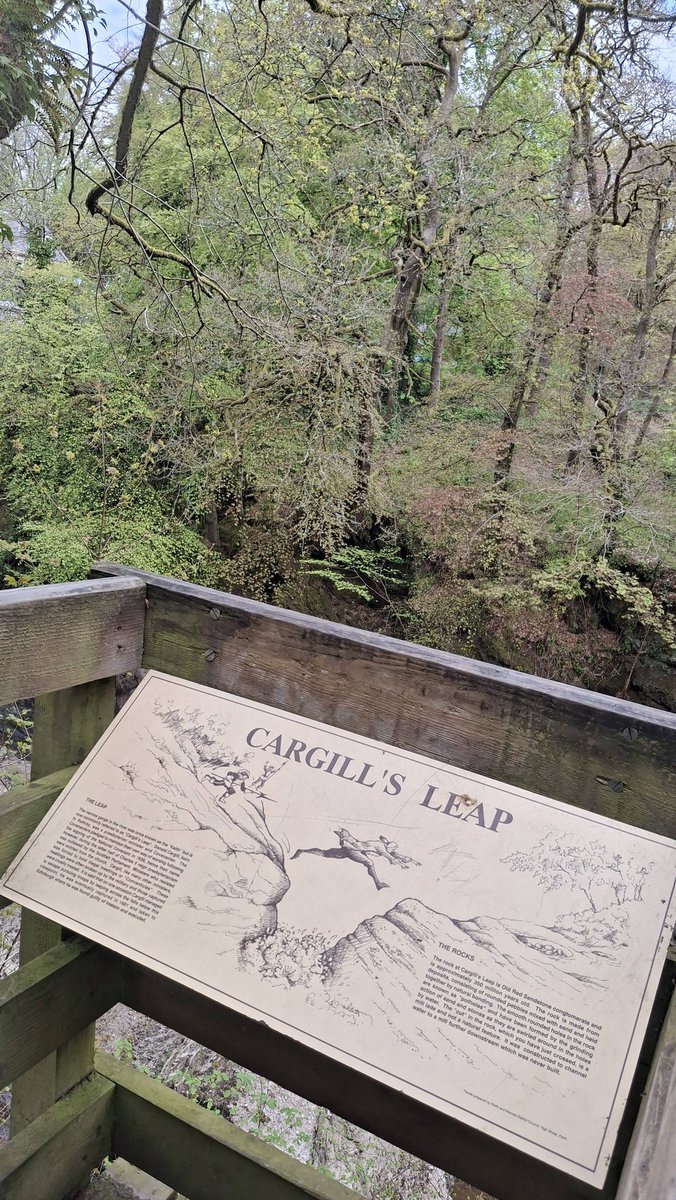
A short walk from the centre takes you to Cargill’s Leap on the River Ericht, where the Covenanter Donald Cargill made a jump across a narrow gorge in 1679 to escape government troops. The river itself runs through dramatic rocky stretches and gives some great room for exploring along its banks.
A tenant farmer in the Cairngorms says land that sold for £500 an acre a few years ago now goes for £5,000. He is being moved off ground his family has worked for generations, because he cannot outbid the people buying it. The buyers are corporations, and they have no intention of farming a single acre of it.
Here is how the trick works. A company keeps emitting carbon exactly as before. Same factories, same flights, same supply chain, same product. Then it buys a Scottish hillside, plants some trees, and announces to the world that it is now carbon neutral, or, if it is feeling brave, carbon negative. The emissions never fell. It simply bought a landscape to point at.
Take BrewDog. In 2020 it bought a 9,300-acre Highland estate, propped up with public grant money, and promised a million trees and the crown of the world's first carbon negative beer business, removing twice the carbon it emitted, forever. By 2023 roughly half of the 500,000 trees it had managed to plant were dead, killed by drought, with critics noting the planting was drying out the peat and releasing carbon of its own. The advertising regulator ruled its carbon-negative claims misleading. In 2024 it quietly dropped the badge and dismissed the entire carbon credit market as a flood of cheap schemes whose benefit was "questionable, maybe even non-existent." Then it sold the estate to a firm whose actual business is selling carbon offsets.
That is the whole model in one story. Public money in. Dead trees out. A green halo worn for four years and then dropped. The farmer who used to be on that land, gone. The hillside passed to a company that exists purely to sell other people the right to keep polluting.
This is no fringe case. In one recent year, half of every estate sold in Scotland went to investment funds, corporations and charitable trusts rather than anyone who would farm it. A third of the deals for plantable land are now done off-market, in secret, precisely so the local community never gets the chance to bid.
So this is what net zero looks like on the ground. A man who produced food is priced out of his own glen. A corporation that produced emissions buys the glen, calls itself a force for good, and sells the carbon. The land stops feeding anyone. Nobody's emissions actually went down by a gram.
The food was real. The farmer was real. The carbon saving is a line in a slide deck.
And we have somehow decided the villain in all this is the man with the sheep.
I am very pleased to announce that my bug colour wheel has been accepted into this year’s Royal Academy summer exhibition. This is my sixth time. Have a look it opens on the 16th of June.
@royalacademy
Scotland became the first nation in the UK to pass a law requiring “swift bricks” in new buildings where reasonably practical and appropriate.
These small built-in nesting spaces provide safe homes for birds such as swifts, sparrows, and starlings, whose populations have declined as older buildings with natural nesting gaps are replaced by sealed modern construction.
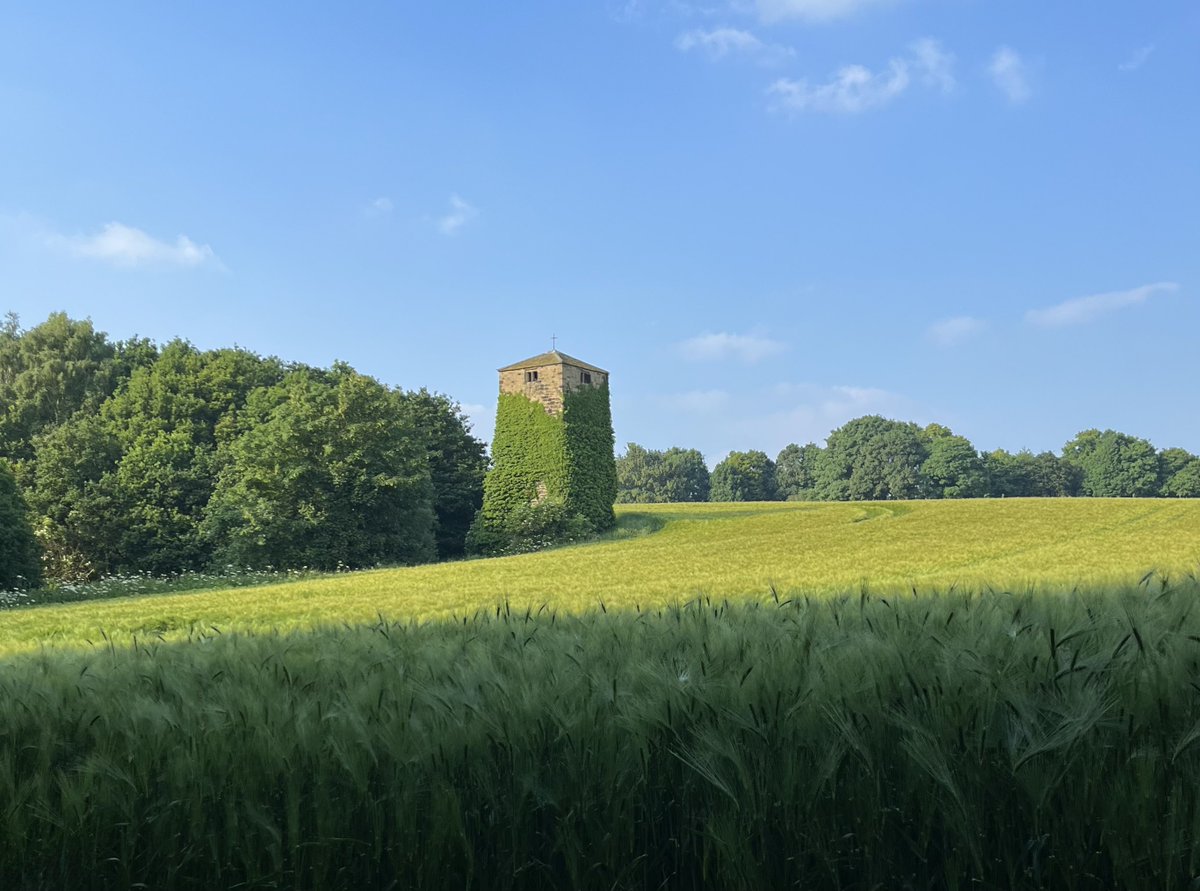
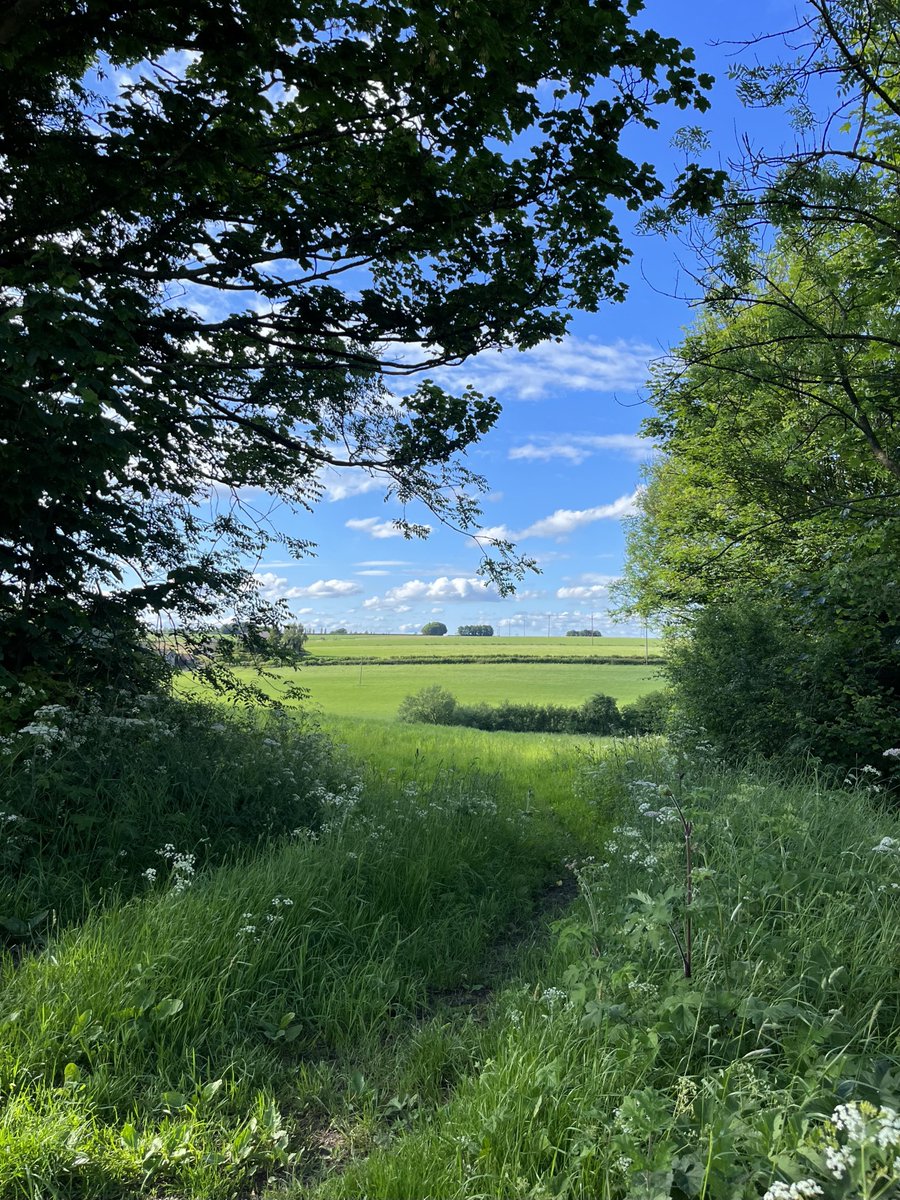
I know it's sooo hard to wrench yourself out of bed at an ungodly hour, but is there really any sight better than a May sunrise? The light is soft, the colours gentle, and the fields sparkle with dew. I could walk these country lanes forever, among the scent of the cow parsley and the songs of skylarks.
📍 Peak District, England