Make a Difference Today! Uganda’s rhinos are in serious trouble due to COVID-19. No visitors means rangers who protect the Rhinos cannot be paid. With no rangers the poachers will return! Please donate & retweet. COVID-19 is devastating for global wildlife
https://t.co/35sU13hZ0Q
ICYMI: Check out our Webinar on studying Wildlife & Conservation Biology at Deakin with us. @CookeRaylene, @JWhiteWildlife & @bradsey discuss our focus on field work, international experience and career development. An amazing learning environment https://t.co/sIYiUxiHJQ
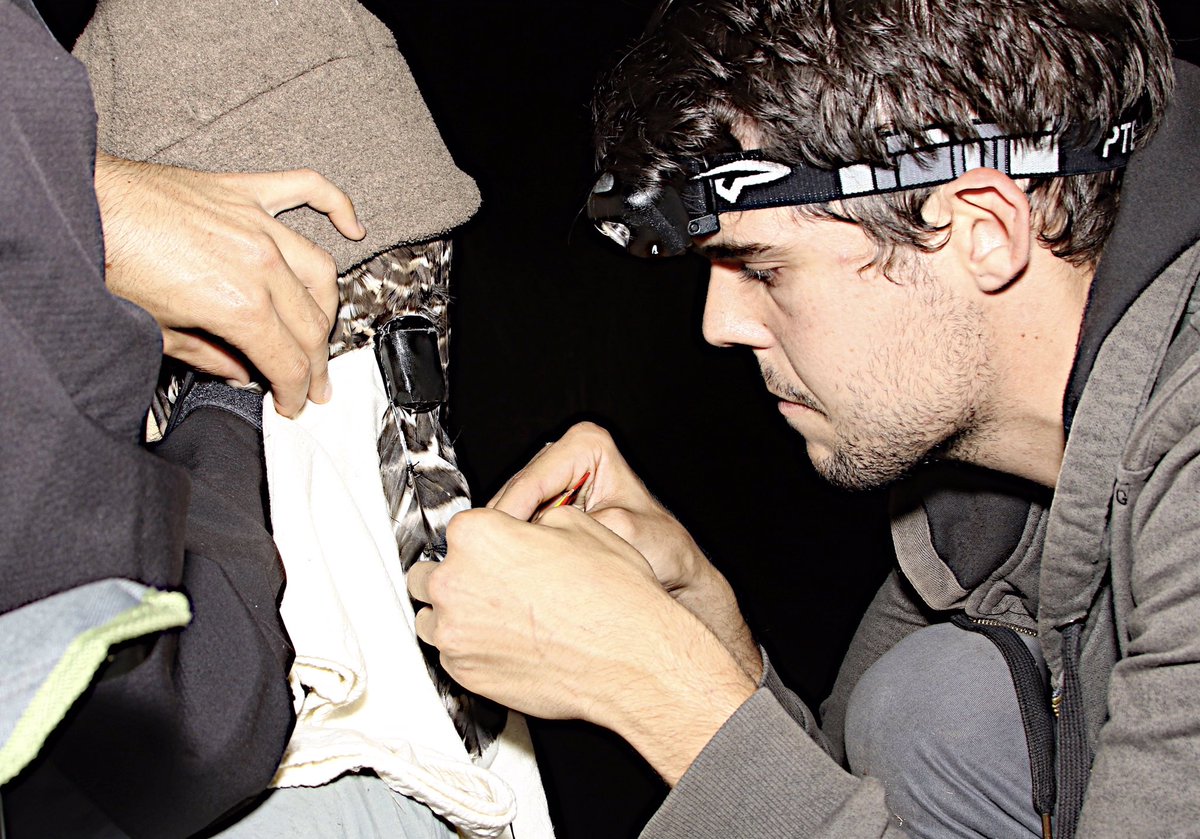
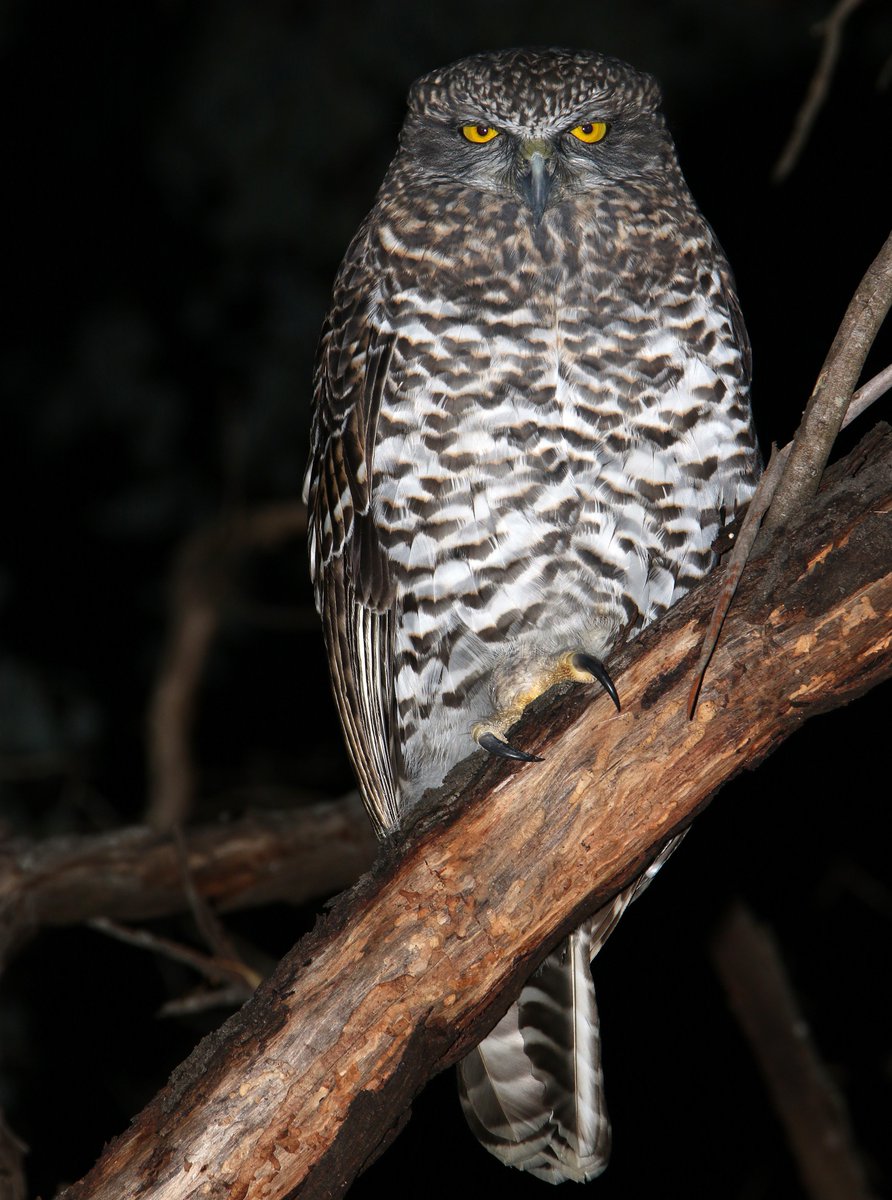
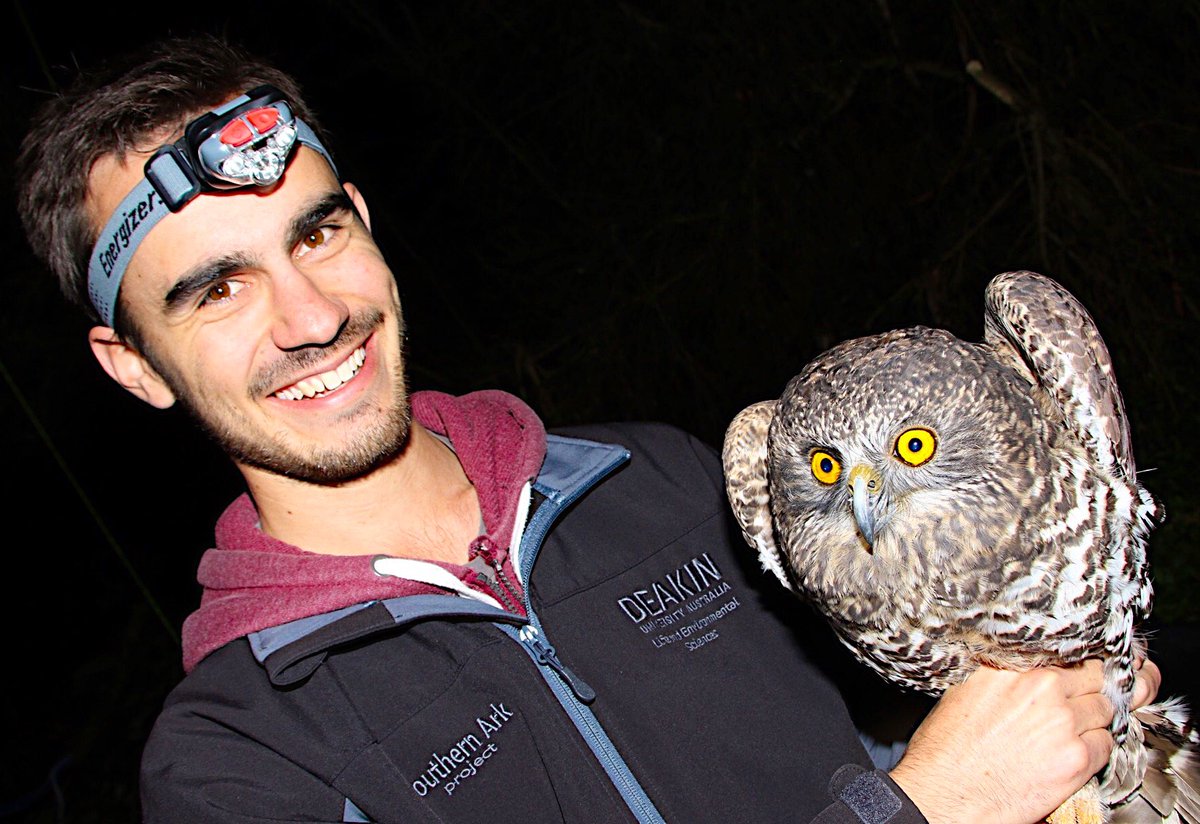
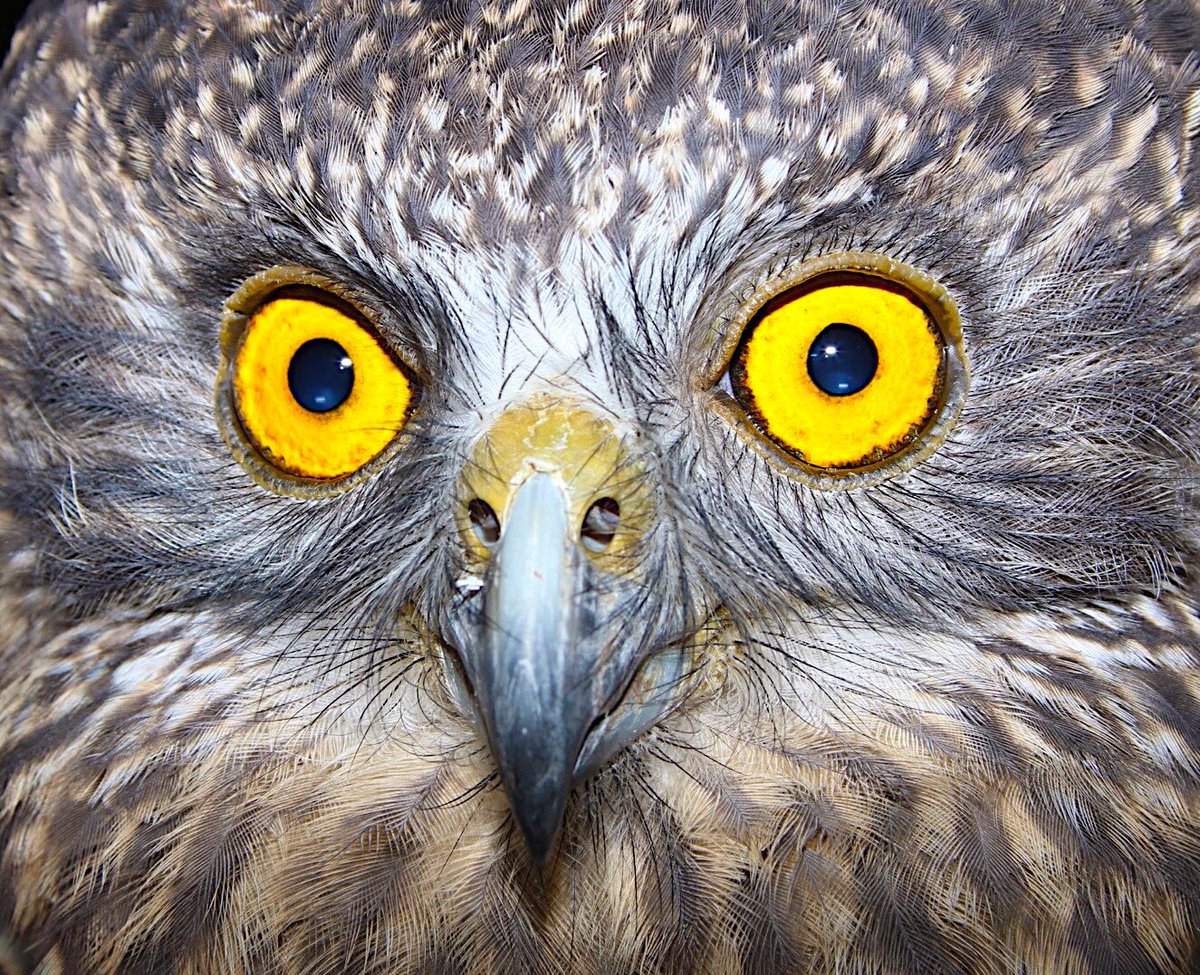
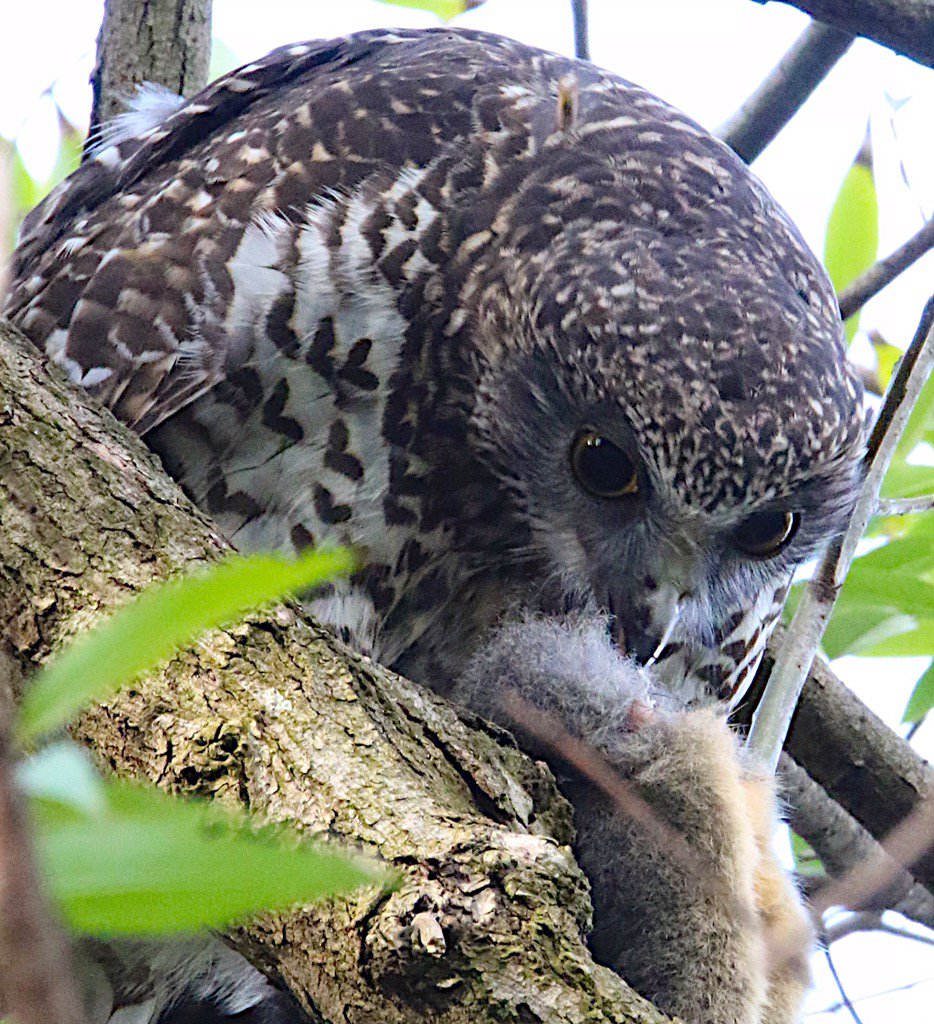
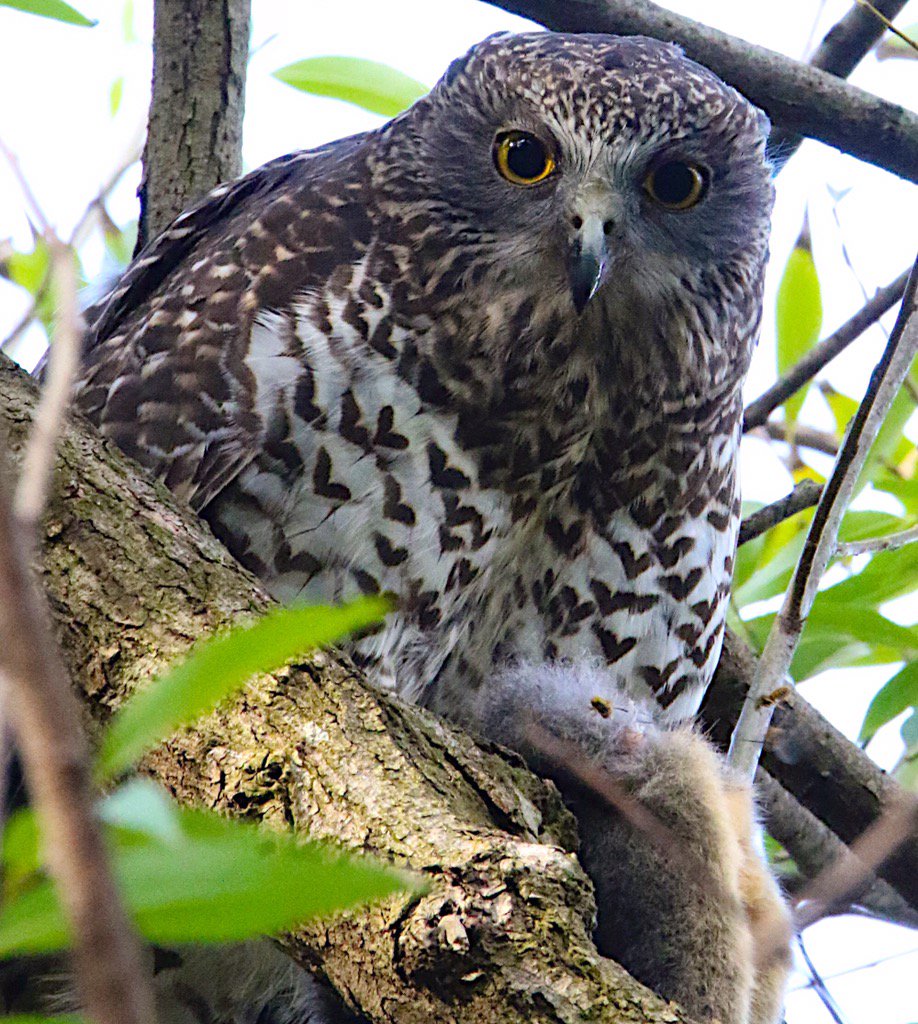
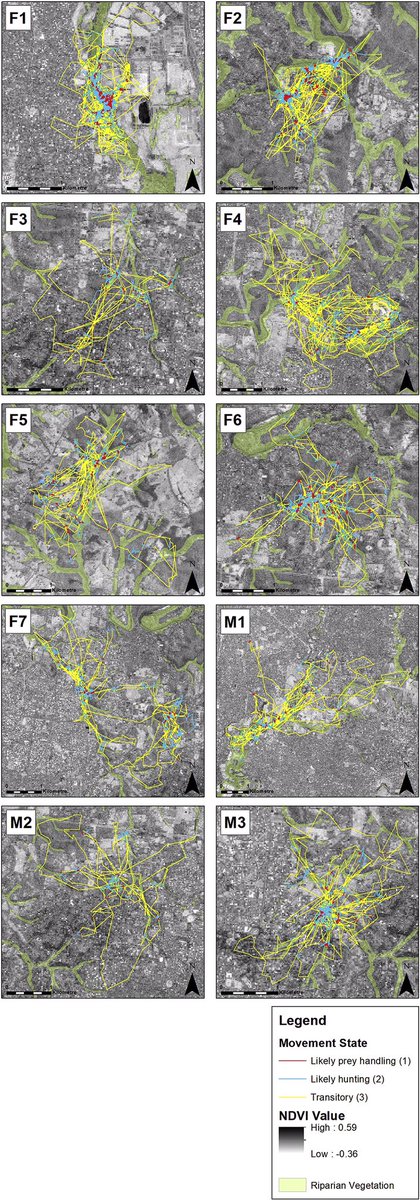
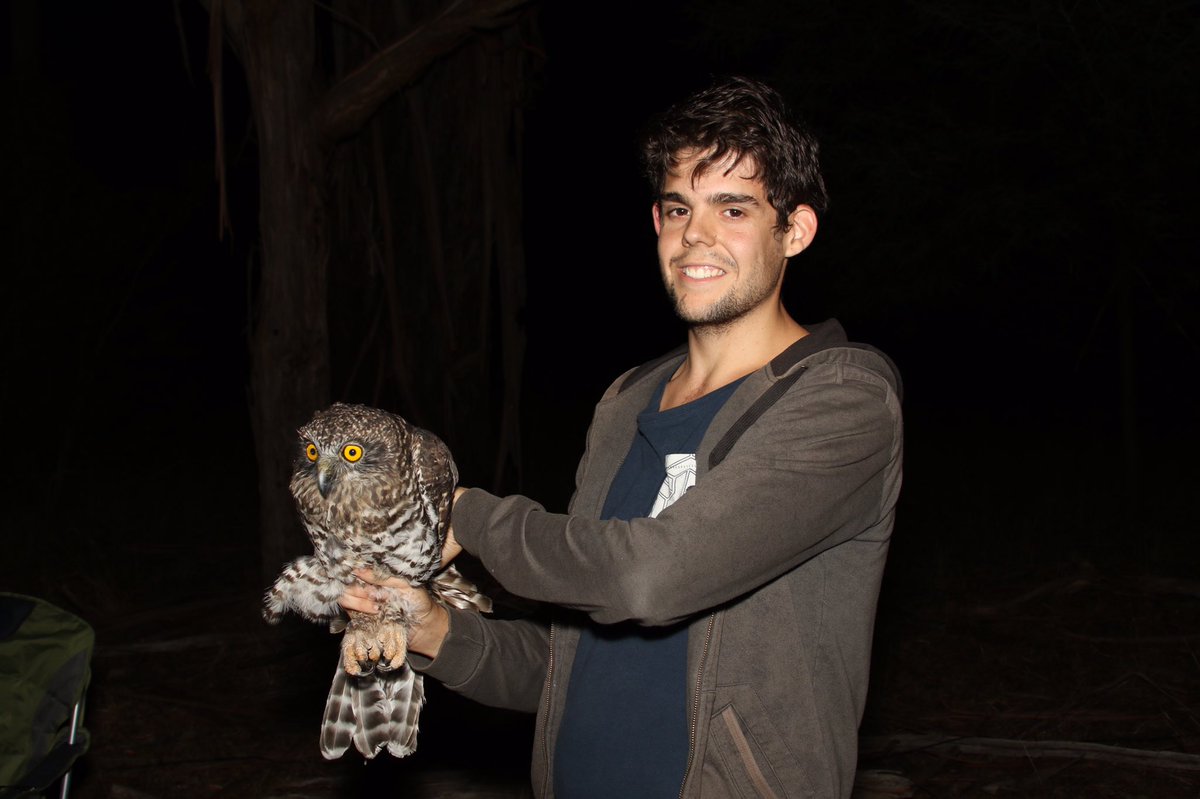
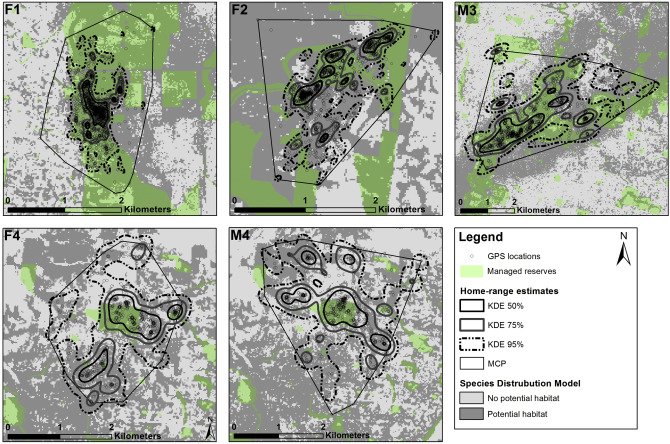
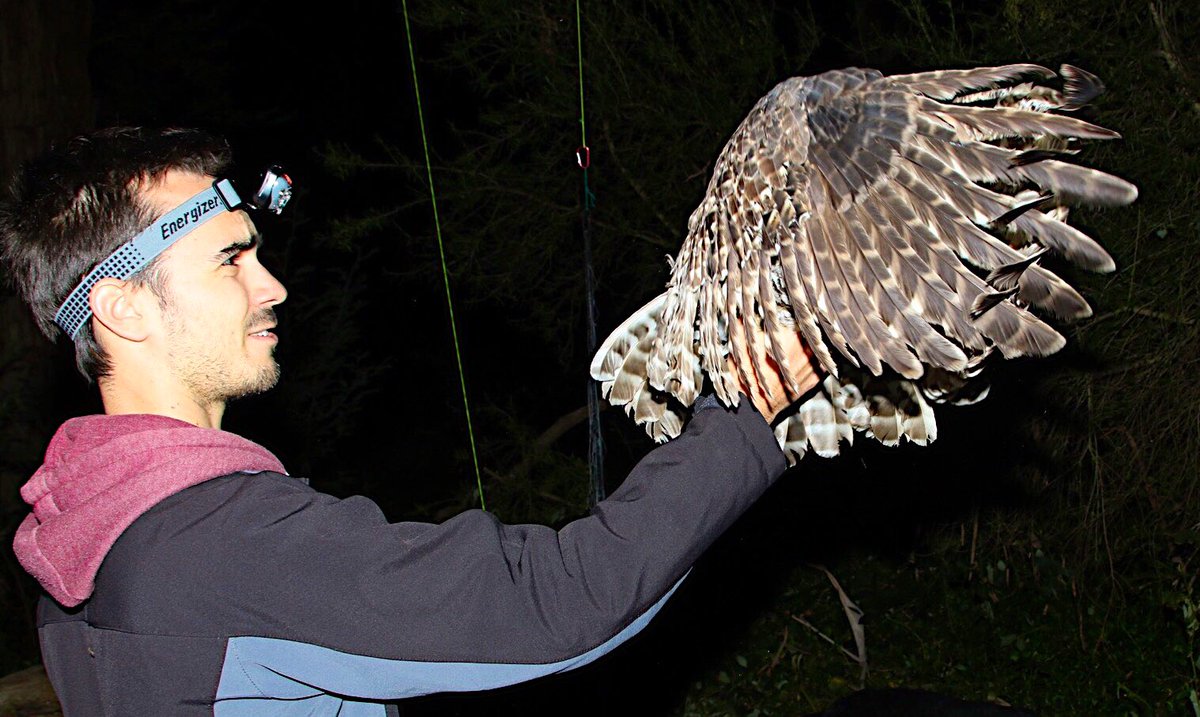
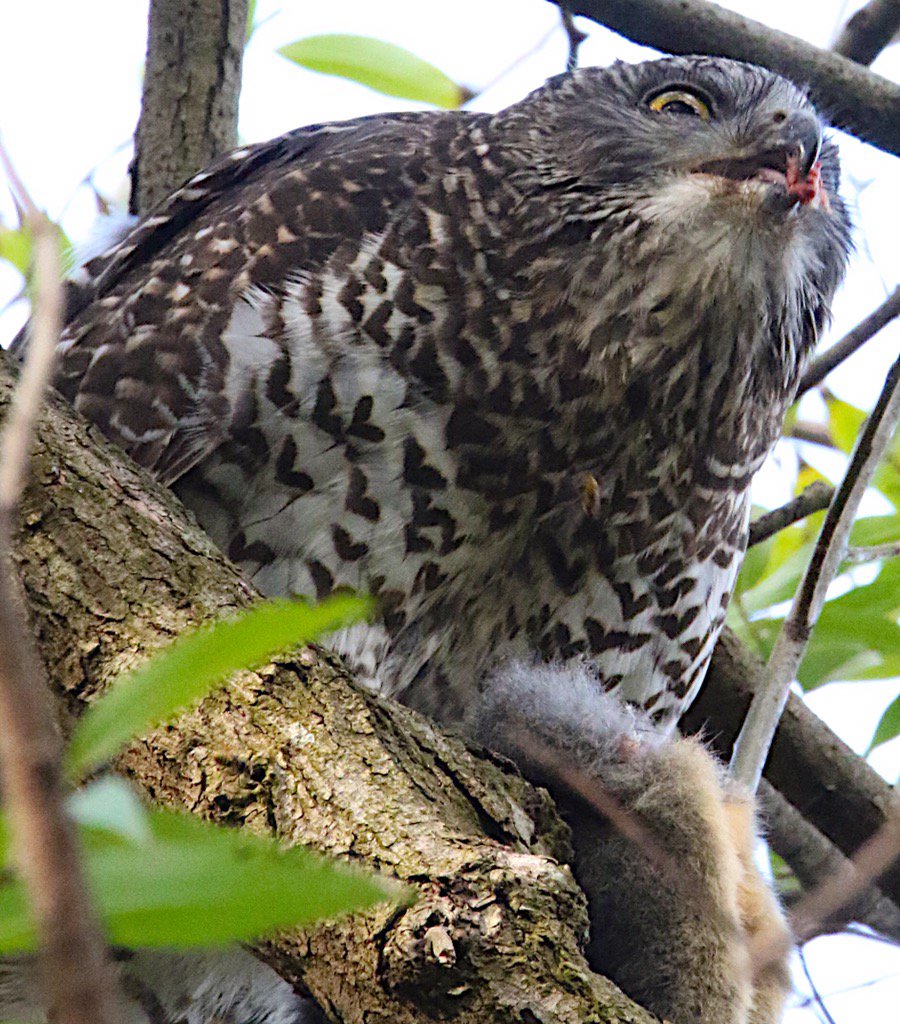
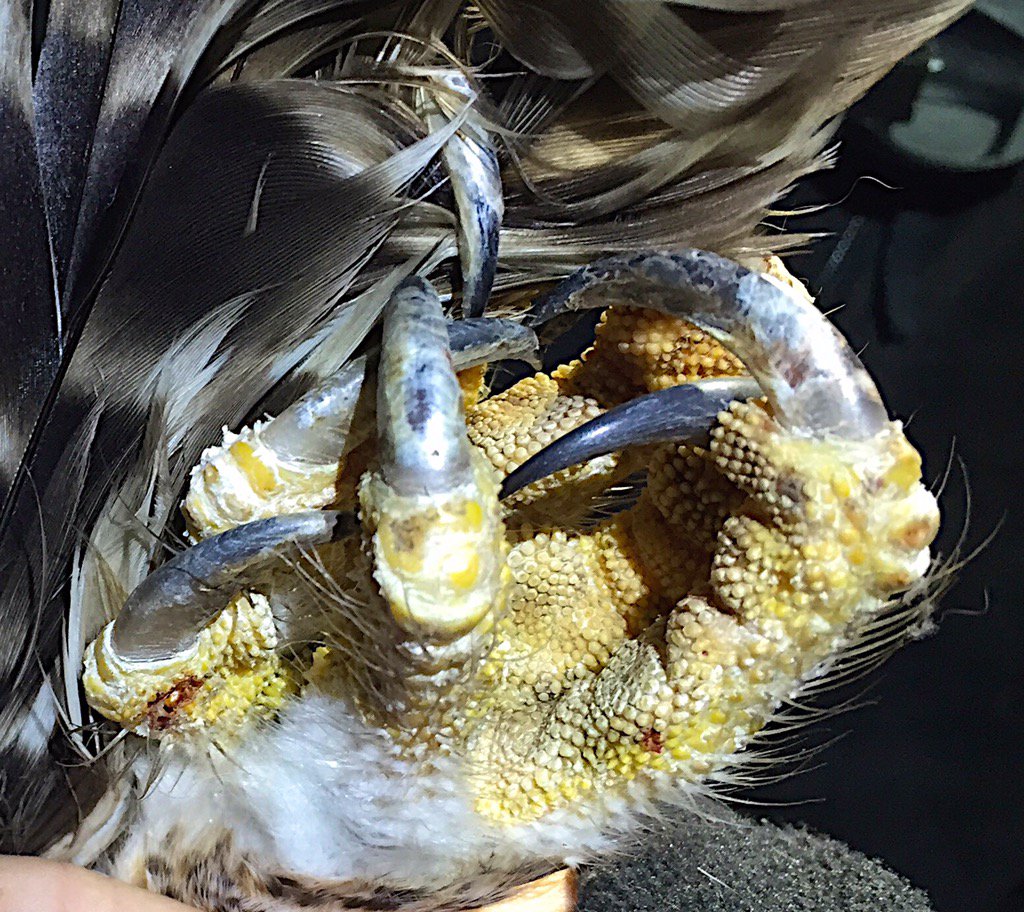
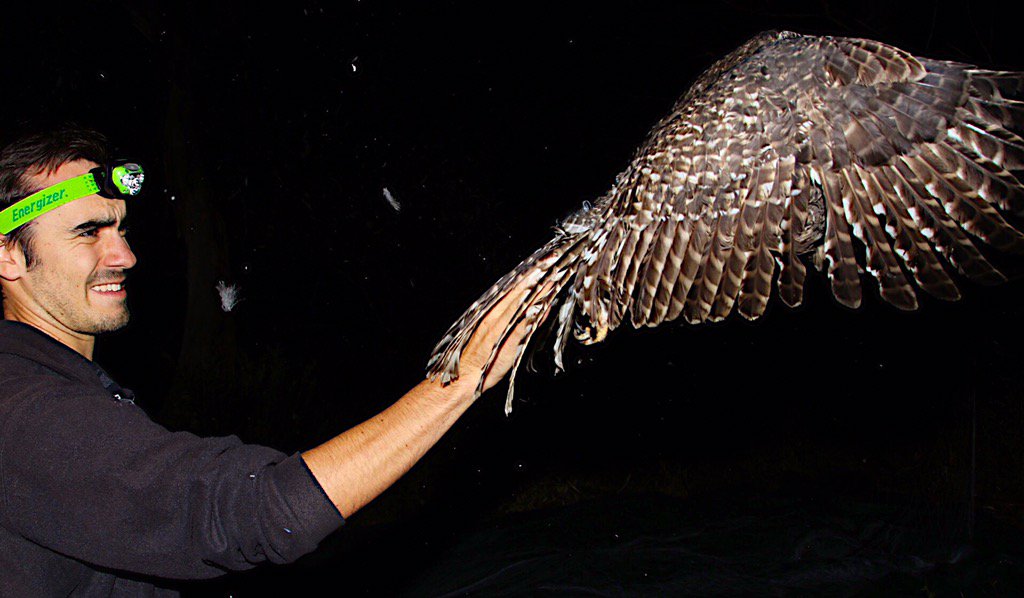
GPS trackers and urban powerful owls. What can this amazing pairing tell us about movement and behaviour of an urban predator? Lots! Congrats to @NickCarter_182 on his first paper! Open access available here 👉https://t.co/BE9qQ7Wgmo
Hot off the Press! Joining the dots; How do @UrbanPowerfuls move through urbanising landscapes. So much hard work by our amazing team to collect this data. And it's open access! Enjoy 😀 https://t.co/kBSoIRiI0j
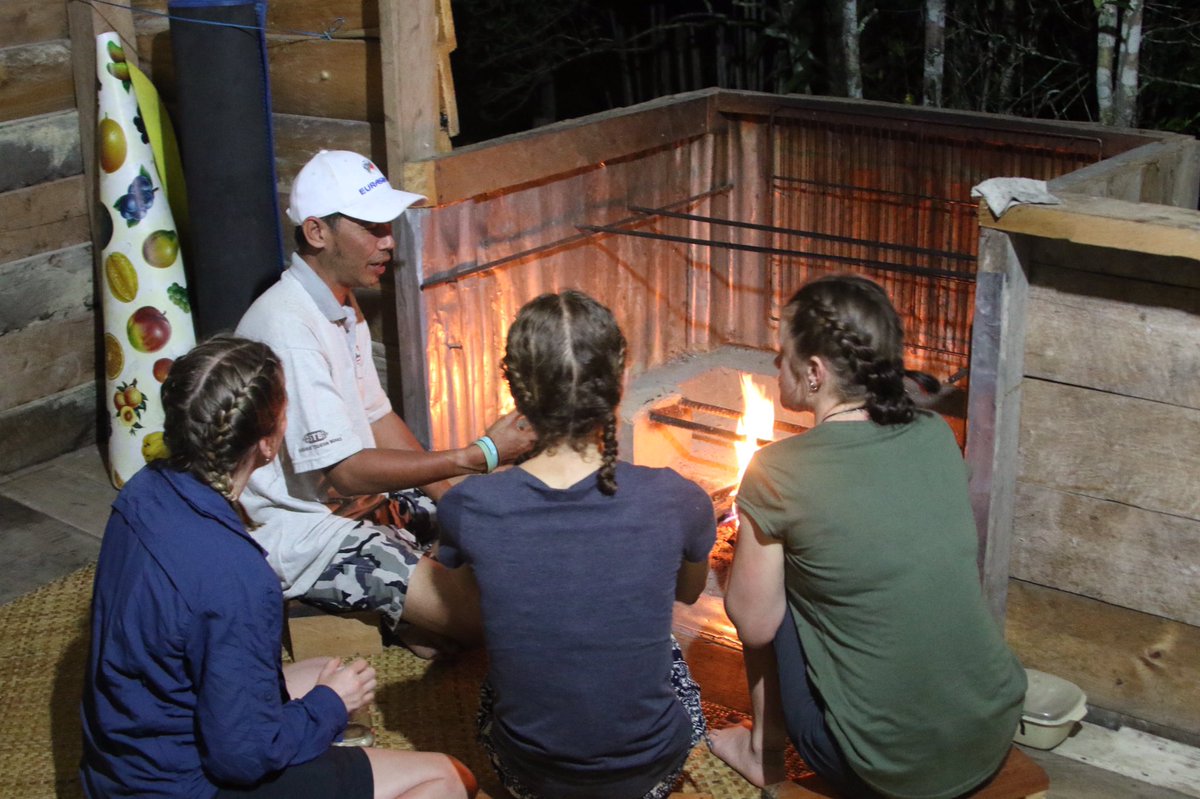
There are so many lessons in conservation that are best learned outside the traditional classroom. Here our students are talking conservation, the environment, & the future with the indigenous Kelabit tribe in the Kelabit highlands of Borneo.
What a great learning environment!
Did you know?
There is a growing body of evidence that a connection with nature improves the mental and physical health of humans. If we designed our cities more sympathetically for nature we could have improved human health and lowered healthcare costs.
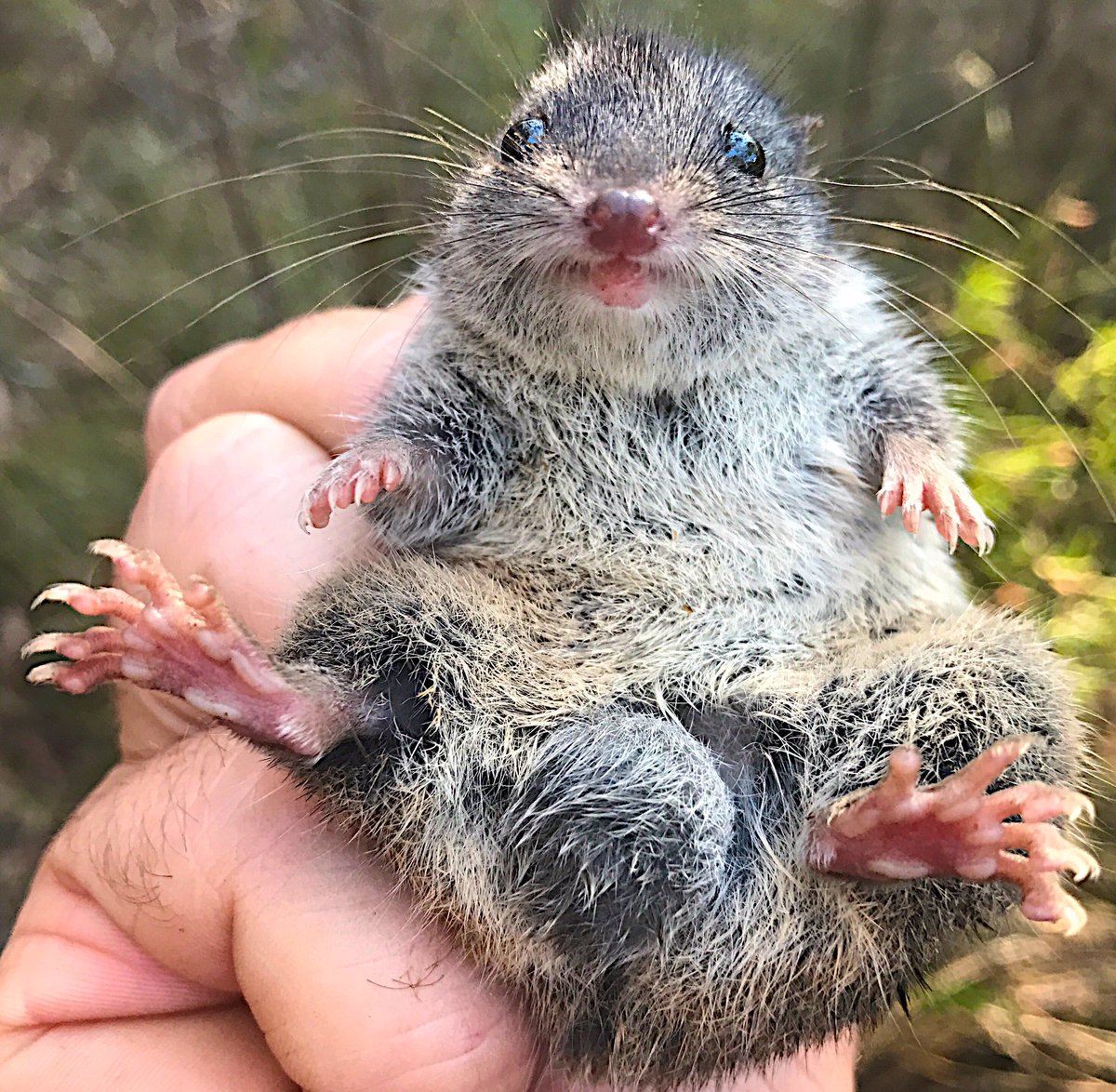
Fun fact.
Male Antechinus all die before they reach their 1st birthday. After breeding they go through the classic dasyurid male die-off. So for a period of time the adult population is all female.
No birthday parties for these great little Aussie mammals.
Yay, we are finally on Twitter! Come share the love of wildlife and join the conversation about how we use science to improve the conservation and management of biodiversity. #firsttweet