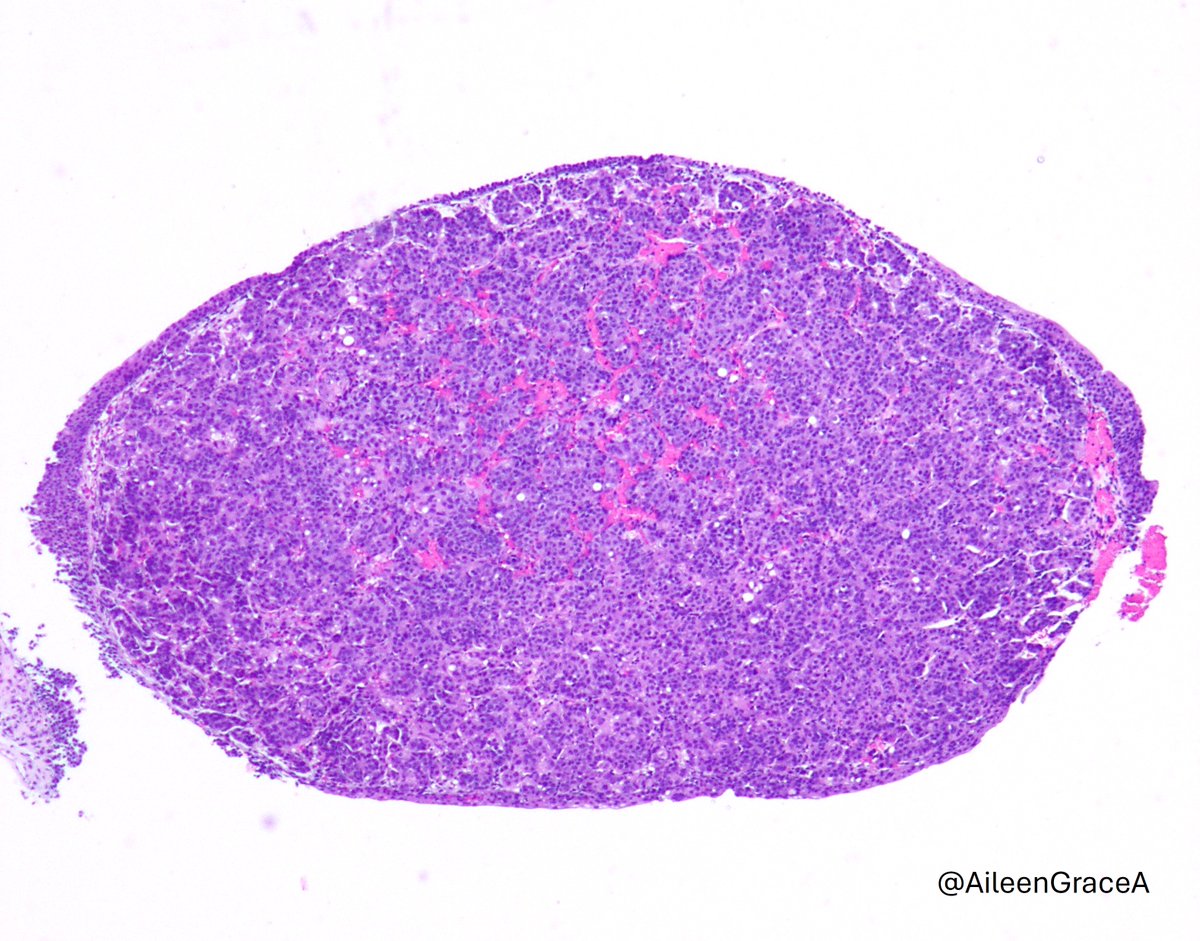
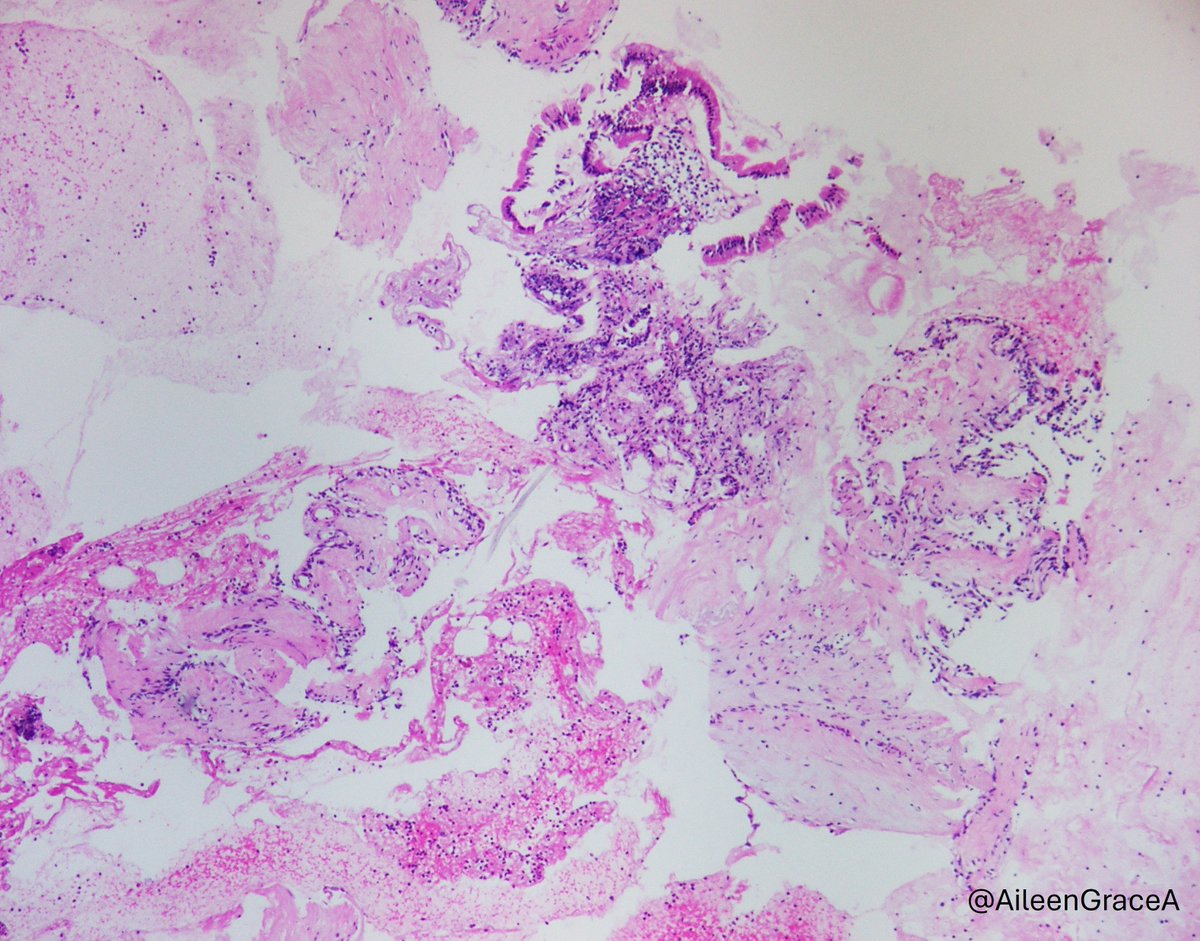
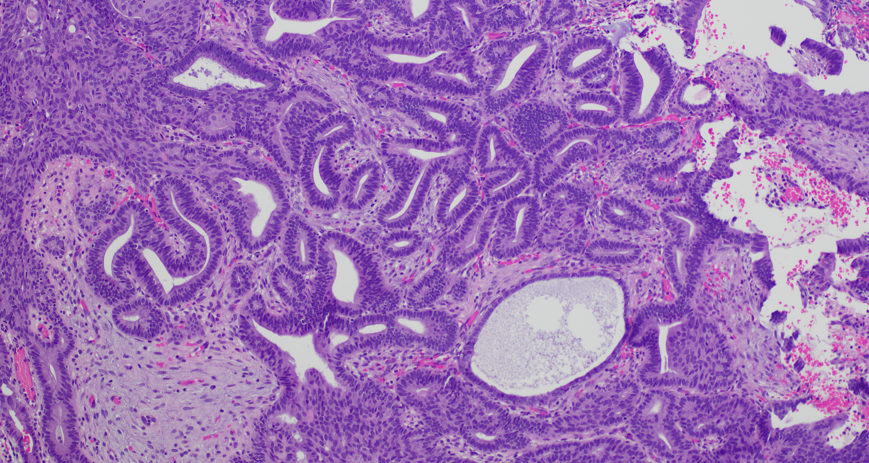
Happy New Year from us! Starting the year with a board favorite!
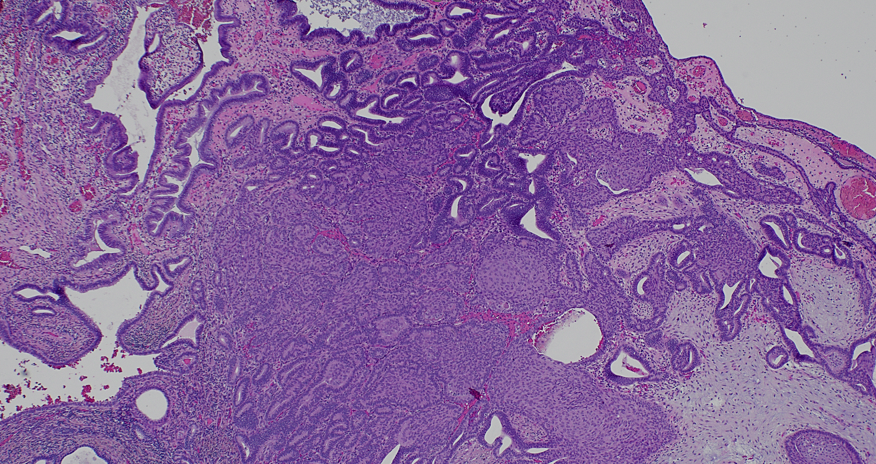
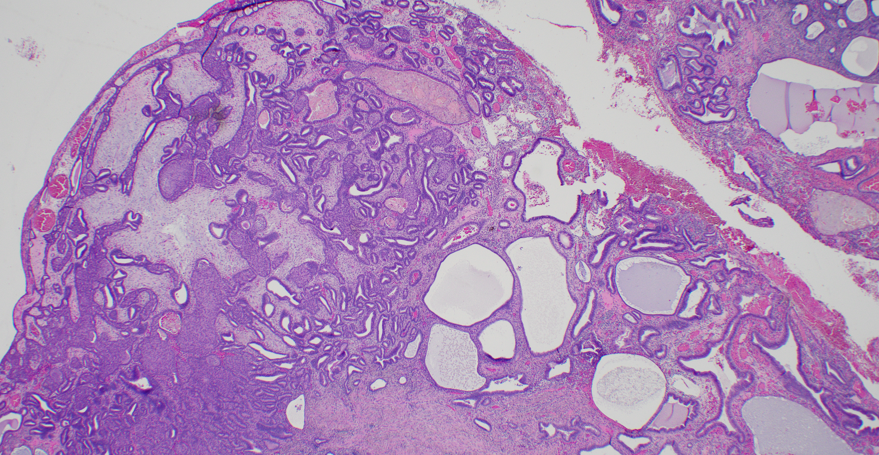
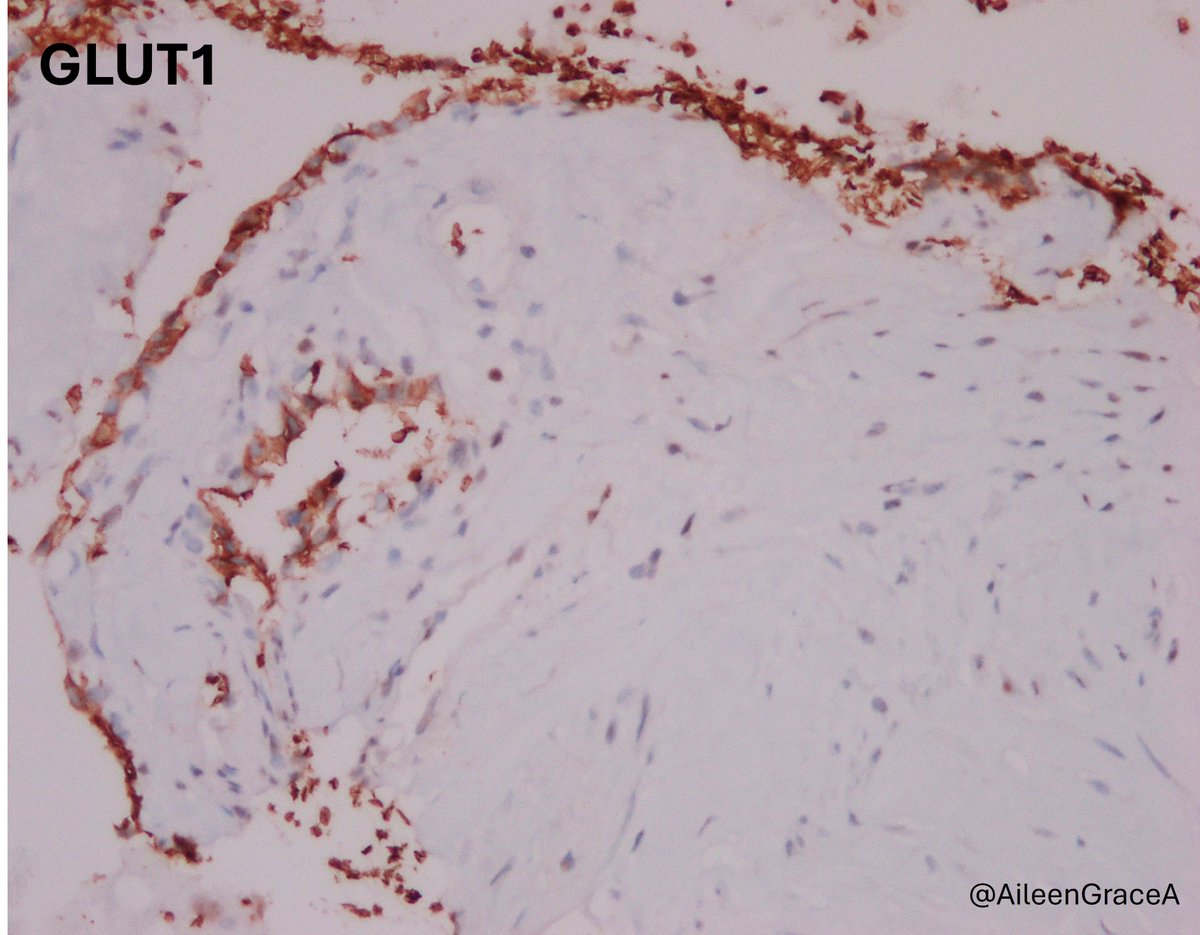
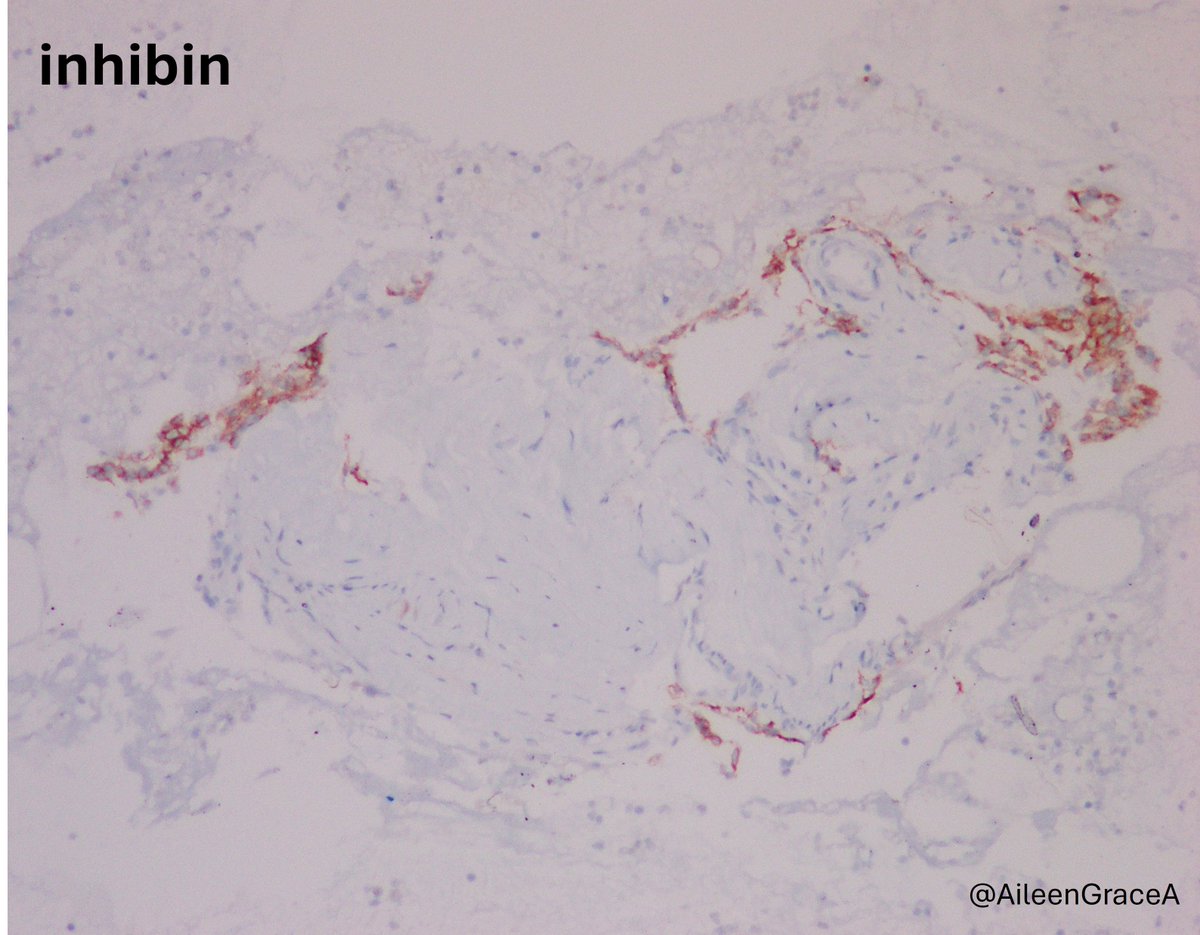
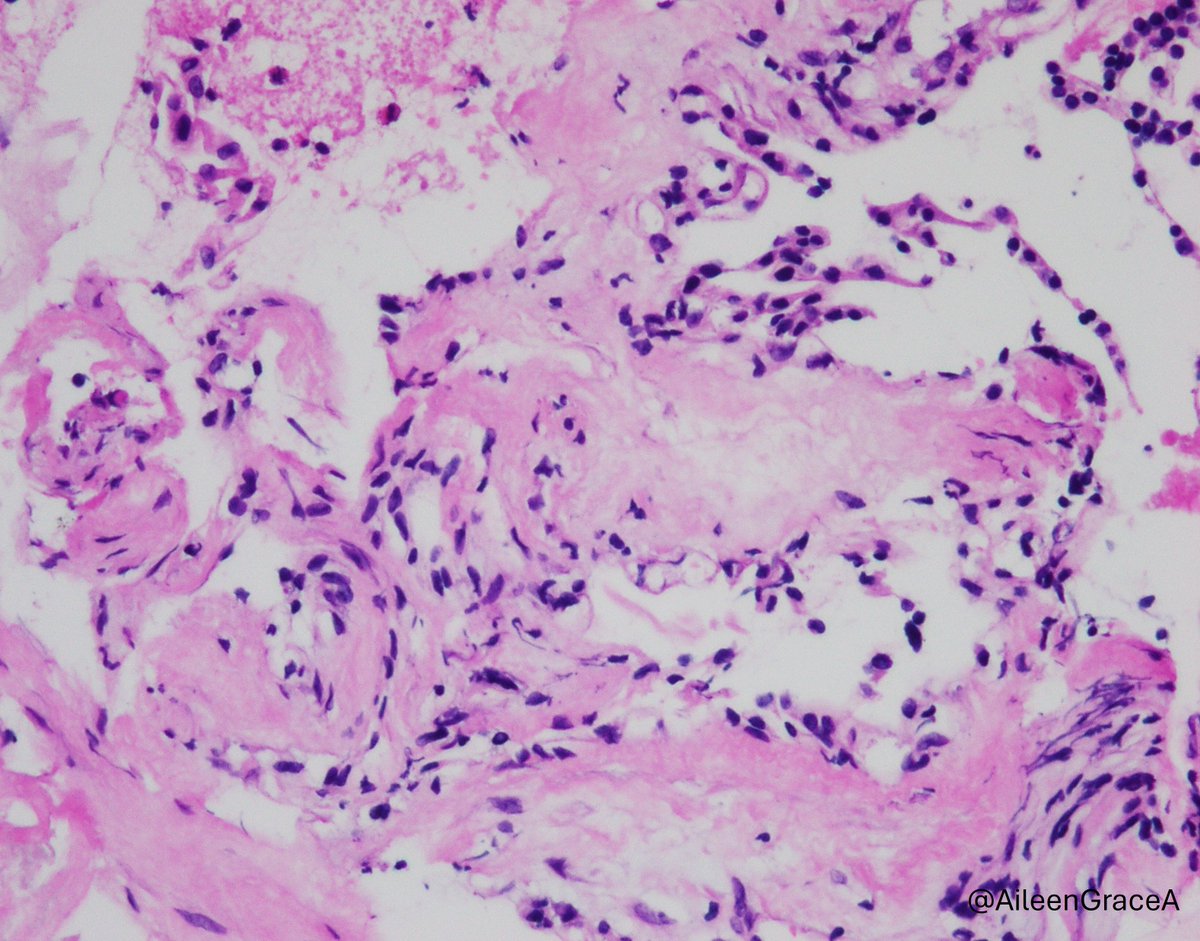
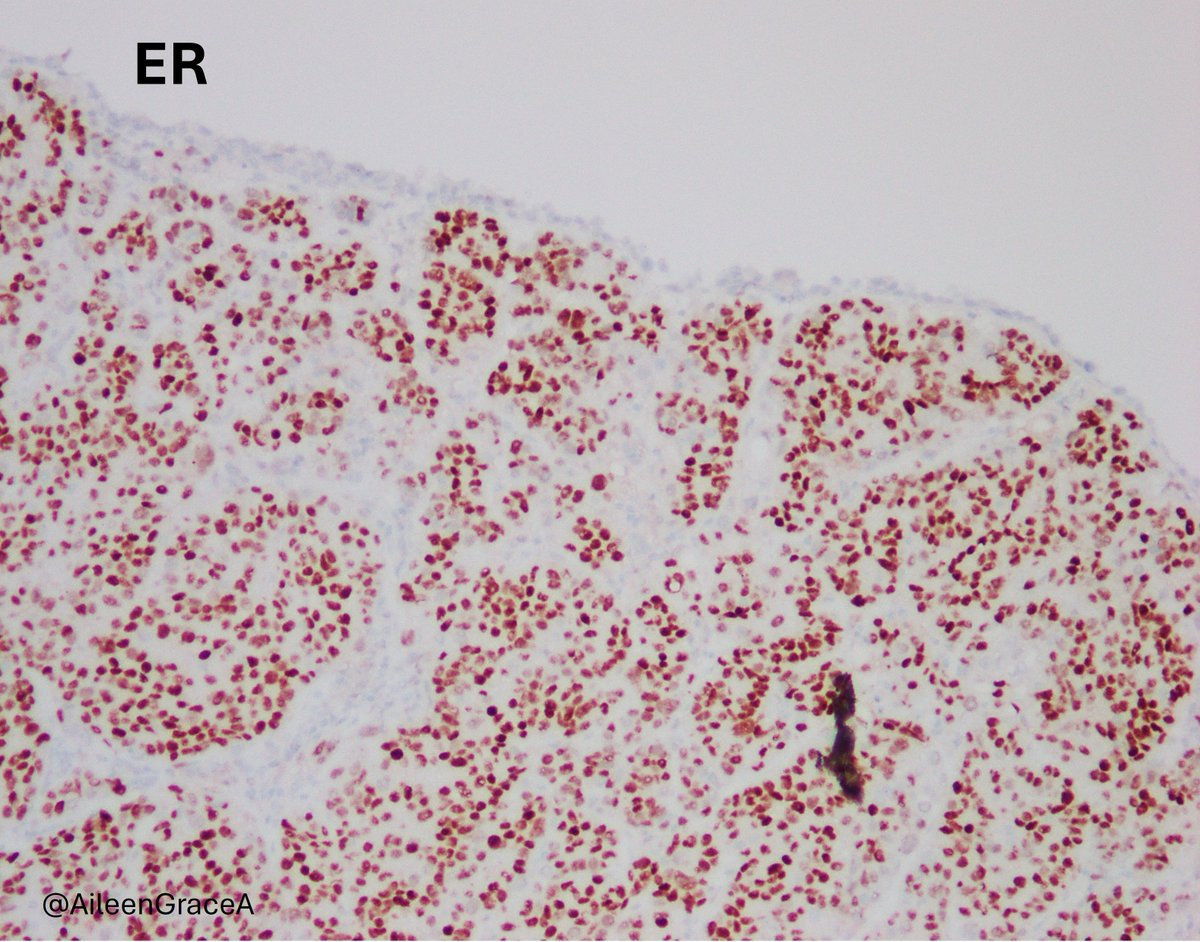
Atypical polypoid adenomyoma: biphasic lesion with crowded, architecturally complex endometrioid glands showing cytologic atypia, embedded in a myomatous stroma. Don’t overcall as carcinoma #PathTwitter#GYNpath
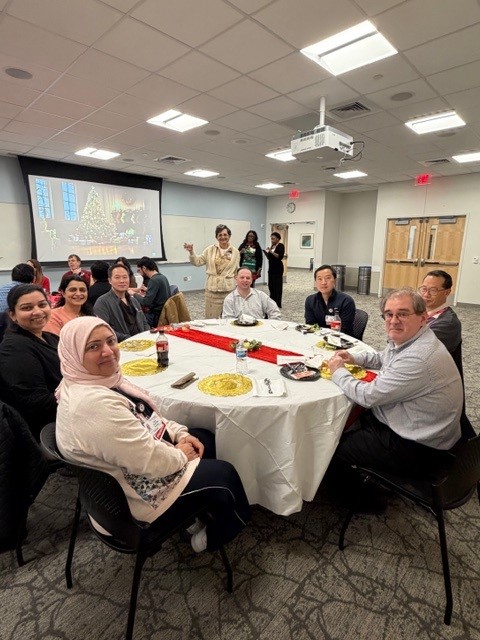
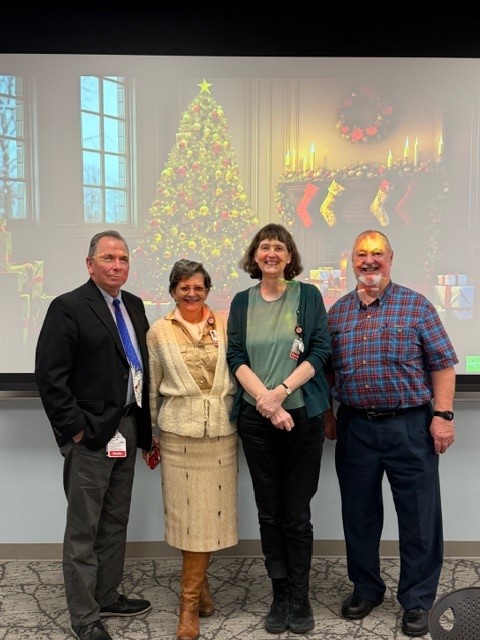
It was pathology residency program winter celebration yesterday! A wonderful evening of laughter, good food, and festive cheer shared by our residents and faculty. Grateful for this community as we wrap up 2025! #CooperPathology
This Thanksgiving, Cooper Pathology extends our gratitude to our outstanding pathologists, residents, lab members and the patients we serve. Thank you for your commitment to excellence in diagnostic care.
Happy Thanksgiving!
#Pathology#pathtwitter
Our @CooperPathology team was well-represented at the ADLM Pre-Analytical Conference! Thank you, Drs. Ianosi-Irimie and Bilal Khan for sharing insights and staying at the forefront of pre-analytical best practices.
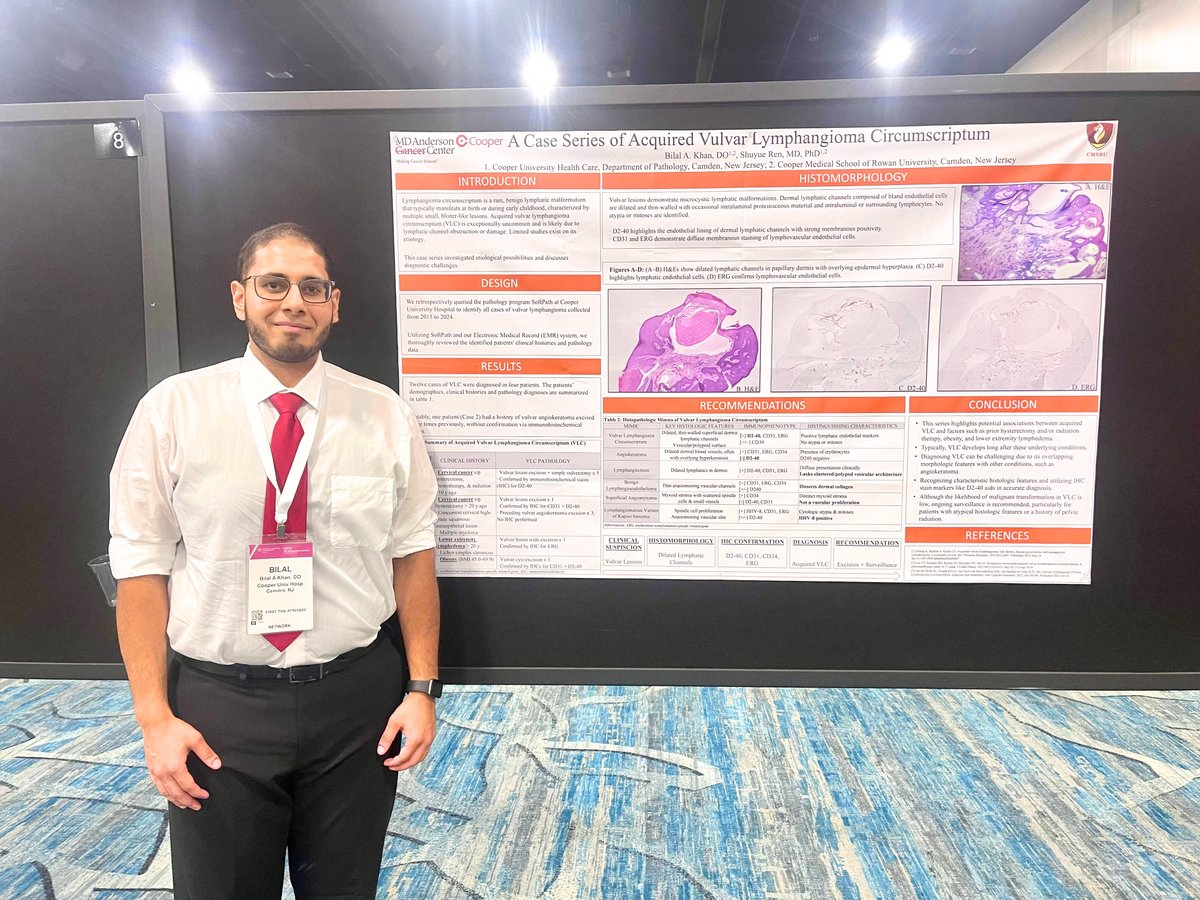
Our PGY2 resident, Dr. Bilal Khan presented their poster at the #CAP2025 Annual Meeting in Orlando.
Proud to see our trainees sharing their work on a national stage. #CooperPathology#Pathology
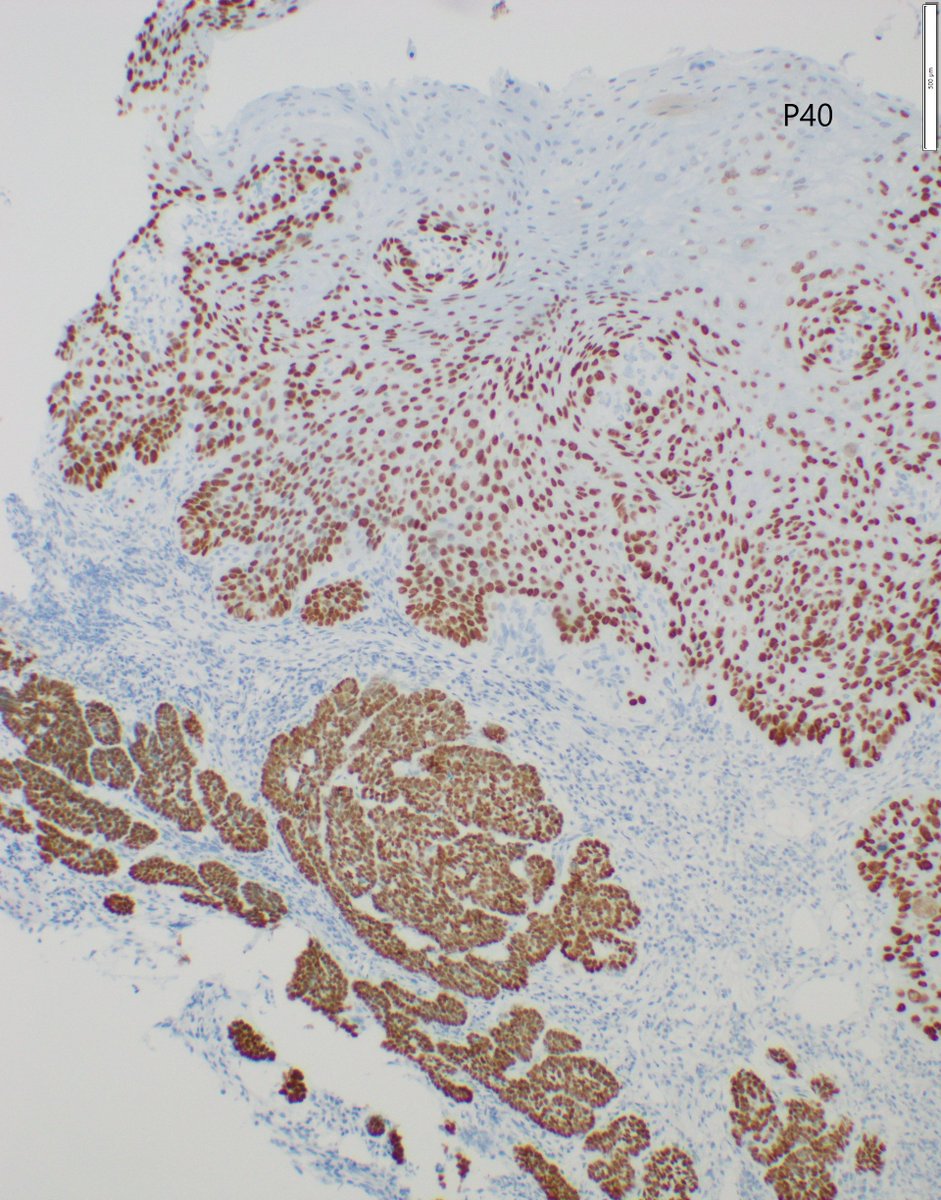
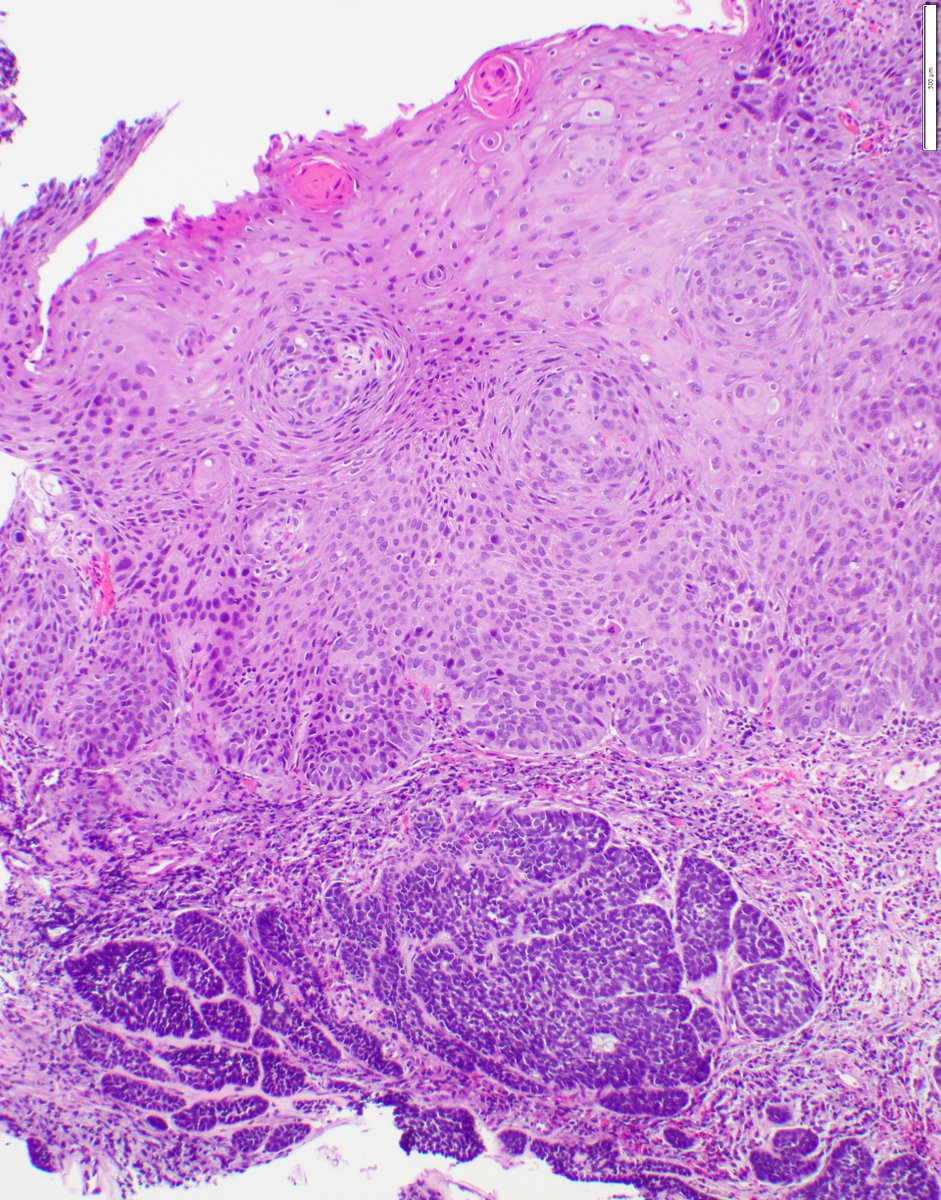
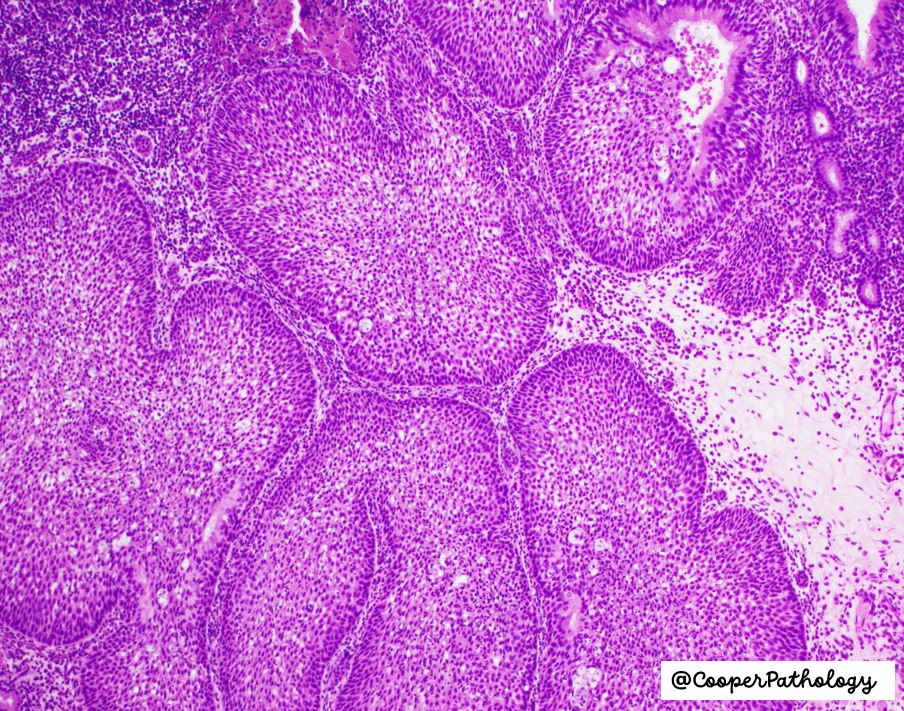
BASALOID SQUAMOUS CELL CARCINOMA OF THE ESOPHAGUS
- Marked male predominance
- Areas of conventional in-situ or invasive SCC are relatively common
- No association with HPV
- Rule out neuroendocrine carcinoma
- Highly aggressive with worse prognosis than conventional
JOIN US AT THE SOUTH JERSEY PATHOLOGY SOCIETY MEETING
When: October 2, 2025
Speaker: Dr. Pei Hui
TOPIC: Essential Updates in Diagnostic Gynecological Pathology
Hosted by Cooper University Hospital
Location: CC100, One Cooper Plaza, Camden, NJ
Free to attend, all are welcome
Celebrating the Cooper spirit! Residents and faculty came together for a social gathering. Always great to connect beyond the microscope @CooperPathology#Pathology
Meet Dr. Lawrence Kenyon, expert neuropathologist at Cooper University @CooperPathology. With a passion for brain pathology and dedication to diagnostic excellence, Dr. Kenyon brings >30 years of expertise to patient care and resident education.
#NeuroPath#FacultySpotlight
2/2
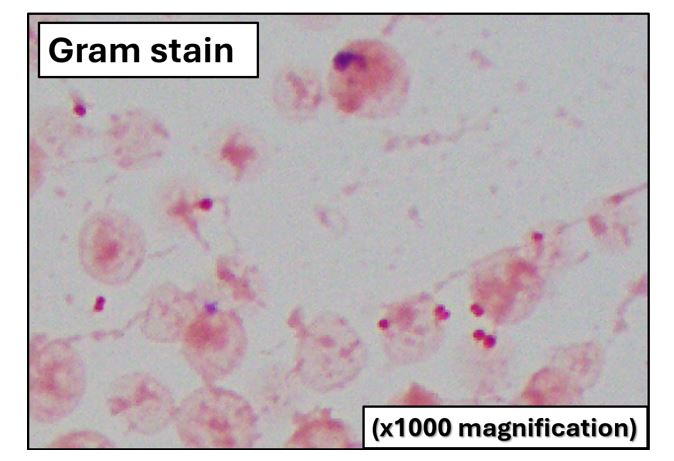
Correct interpretation of the blood culture’s Gram stain?
A. Suboptimal Gram stain
B. Gram positive diplococci (indicative of Strep. pneumoniae)
C. Gram negative diplococci (indicative of Neisseria spp.)
D. Gram positive cocci (indicative of Staphylococcus/Streptococcus)
1/2 Micro alert! Case courtesy @dejan1295208
A young boy admitted to the PICU for acute onset fever, severe lower extremity myalgia, cool extremities, drop in BP, and change in mental status. Gram stain image of positive blood cultures shown below. Question on next page!